The Summer Workshop at the Faculty of Architecture of the Universidad Católica de Córdoba offers a study program for architects and advanced students looking to deepen their critical thinking and project production within the contemporary cultural and professional context. The course is designed as a comprehensive experience, incorporating cultural activities that complement the discipline.
This book is a compilation of essays in which architect Uriel Fogué reflects, through the lens of architecture, on some of the most urgent challenges of our time. In an era threatened by climate change, ecological challenges, and the looming horizon of a potential end of the world, architecture emerges as a crucial framework—not (only) for finding solutions, but for exploring, experimenting with, and testing other fantastic potentials for life, driven by desire.
Oslo Architecture Triennale 2022 spotlights the neighborhood as a place and horizon for rethinking our cities. With the working title Mission Neighbourhood—(Re)forming Communities, the Triennale explores how we form the places that we share. Mission Neighbourhood is an invitation to broaden the collective imagination regarding the spaces of everyday life.
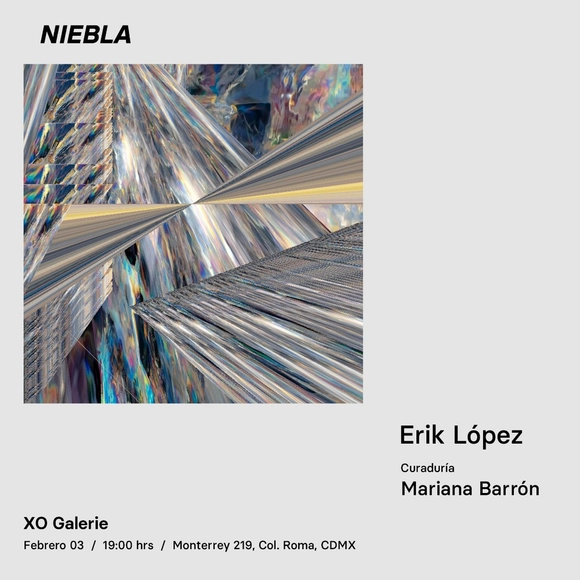
NIEBLA is the first solo exhibition by Erik López. Drawing from the concept of "brain fog"—a neurological phenomenon characterized by memory loss, difficulty finding words, and feeling overwhelmed by simple daily tasks—NIEBLA presents a selection of works produced between 2020 and 2021 by photographer, museographer, and digital artist Erik López. The exhibition traces a brief journey from the material to the intangible, experimenting with architecture, digital art, NFTs, photography, and video.
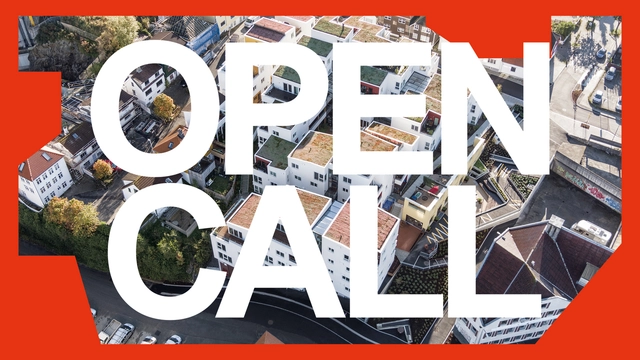
CARPARK FUTUTRES COMPETITION DPA-X and Indigo Group are launching an international architecture competition, open to young architects. Candidates, registered alone or in teams, are invited to exercise their creativity to invent the parking lot of the future, on the Euralille site, in northern France, which will be under study for 72 hours!
The London Festival of Architecture and the Neighbourhood Regeneration Team at Lambeth Council have launched a new design competition, which invites architects, landscape architects, designers, artists, and creatives from across London, to develop and submit a proposal that animates Wilcox Road in Lambeth and transforms it into a welcoming gateway to the newly opened Nine Elms Tube Station.
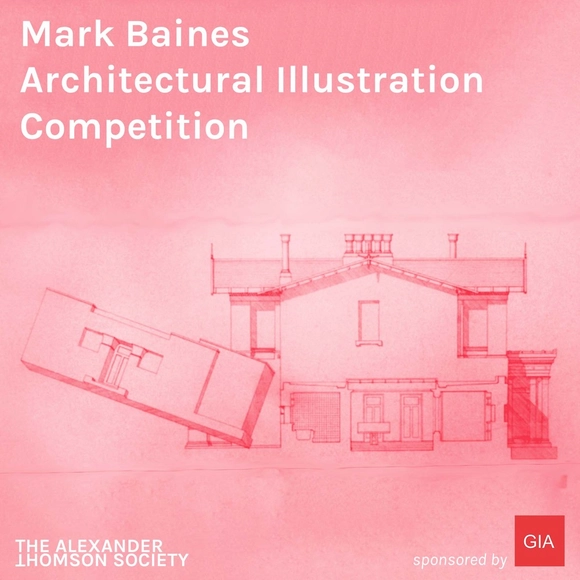
Mark Baines Architectural Illustration Competition
The Alexander Thomson Society is delighted to announce the ‘Remembering Mark Baines’ Biennial Architectural Illustration Competition. The late Mark Baines was a founding member and Chair of the Society, an architect, and teacher of architecture at the Macintosh School of Architecture. He continually emphasised the importance of drawing architecture and was never without a sketchbook.
About FuturArc Prize 2022: Reinterpretation Buildings sitting empty have become a more common sight for the past year due to the current health crisis. This is especially so for commercial developments such as office towers and retail malls, as well as cultural or institutional places such as museums and theatre halls. What should we do about these buildings that still have the bones and structural integrity to support activities and life? Could we reinterpret these entities for the public good?
How can a flight school become a beacon of sustainable innovation in aviation? This design competition asks students to reimagine the Waterloo Wellington Flight Centre (WWFC) facility, one of the largest flight training units in Canada, as a model of social, environmental, and economic sustainability. Our jury is seeking inspirational ideas, exciting designs, and new directions towards a more sustainable future for the air transport training sector. This competition aims to spark a holistic rethinking of the aviation training sector as hubs for green innovation. And you can be part of it!
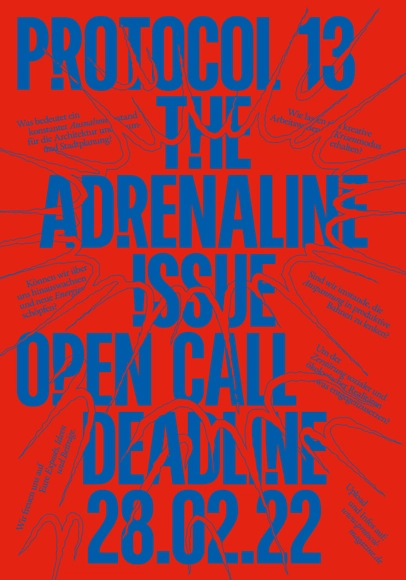
Life in a state of frenzy: the pulse uncontrolled. The city streets are getting narrower, the walls of your room are getting closer. Sleepwalking into acceleration. Your veins pound, you feel your heartbeat in your throat - don't think, how will you act? - Fight! Dance on the volcano: crises create creative souls. The pupils dilated, hands trembling. Our world, an arena: Protest becomes excessive euphoria. Flight! Danger of collapse. Are we the creators of the crisis? Hit the gas. All roads lead to a dead end, the void. You hear screams, could be yours. Freeze! Paralysis. The world turns, we don't. Buildings collapse. You catch your breath. What now?
In the Mountain (2016) by Sanitas Studio. Image courtesy of Sanitas Studio.
The Asia Pacific Architecture Festival (APAF) returns to Brisbane from 12 to 25 March 2022 in a collaboration between founding partners Architecture Media and State Library of Queensland.
Circular City Week, the biggest circular economy festival in the US, is an open and collaborative festival for circular economy related events. For the fourth time, Circular City Week will take place in New York from 2-8 May 2022. Activities during Circular City Week emphasize how circular practices such as reuse, recycling, and upcycling are transforming urban industries and the built environment.
A beautifully designed celebration of the 40th birthday of the Barbican Arts Centre, in the heart of the City of London. It is the largest multi-arts centre in Europe, encompassing an art gallery, theatres, concert halls, cinemas and a much-loved conservatory, and regular collaborators include the London Symphony Orchestra and the Royal Shakespeare Company.
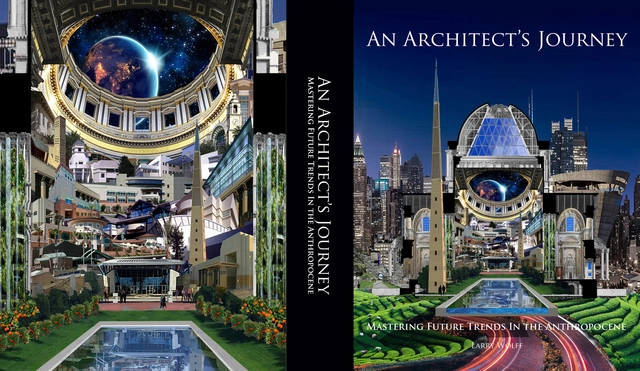
An Architect's Journey - Mastering Future Trends In the Anthropocene, by Larry Wolff
An Architect’s Journey - Mastering Future Trends in the Anthropocene is a journey into the future of architecture and mastering the Anthropocene’s dangerous forces. The book demonstrates how architects and building professionals can lead the way to overcome climate change and the related perils of the Anthropocene by mastering future trends in the design domain. Captivating narratives show how architects can shift their emphasis from aesthetic object-making to meaningful and extraordinary achievement by understanding society’s needs and expectations as they critically address the book’s thesis.