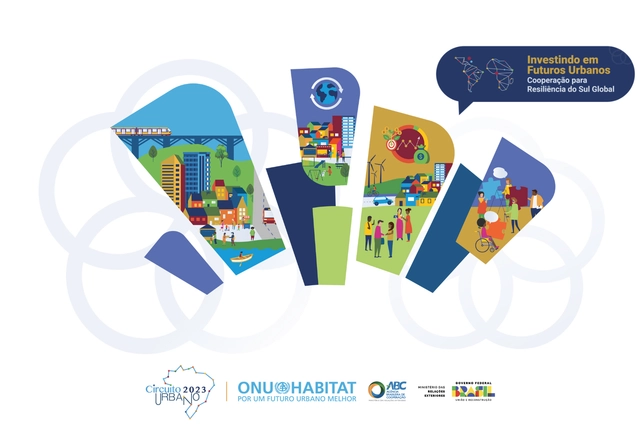
Throughout October, more than 230 events will discuss building urban resilience in the Global South. Featuring representatives from over 20 countries in Latin America and Lusophone Africa, the 2023 Urban Circuit (Circuito Urbano) will take place from October 2 to 31. The schedule is now available on the event website.
Mariana Bunn will be in conversation with Igor Zucchi
As part of her series, "Accessibility from North to South: All the Voices of Brazil," Mariana Bunn of Mariana Bunn Architecture and Accessibility will host a conversation with Igor Zucchi this coming Sunday, October 1st.
Obra Blanca is an essential experience for professionals in the finishes and architectural design products sector, including ceramics, bathroom fixtures, faucets, lighting, and more. It is a unique opportunity to expand projects and reach new goals through interaction and connection with suppliers, professionals, and industry leaders.
Born and bred New Yorker Jill Gill is equal parts artist and author, commentator and collector, a true inamorata of the ever-changing city. Since the mid-1950s, she has captured the buildings and streetscapes of the city (especially those about to be lost to urban renewal) in a series of more than 100 watercolor and ink paintings. The New York she portrays is one of classic movies, vintage postcards, and hand-painted wall advertisements.
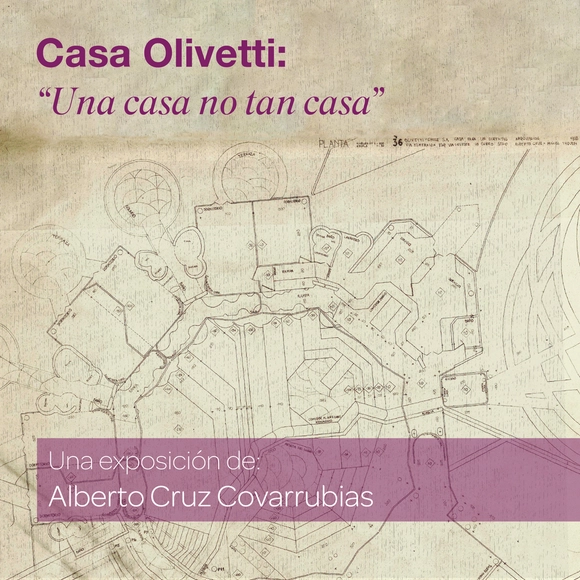
We cordially invite you to the opening of the Alberto Cruz Covarrubias exhibition, Casa Olivetti: "Una casa no tan casa" [A House Not Quite a House], at Galería Gallo, a space dedicated to the interdisciplinary intersection of design, architecture, the city, and contemporary culture.
When an architect pours their heart and soul into a project, the last thing they want to deal with is an unhappy client, and, consequently, possible litigation.
Risk mitigation remains a top-of-mind concern for architects, no matter how the Architecture, Engineering, Construction & Operations (AECO) industry evolves. New and evolving requirements for firms to double their efforts in identifying potential risks and ensuring the proper documentation is filed to avoid blame, can only go so far.
The "Pressão de Borda" collective presents the exhibition "Whispered News from a World Without Direction" at the Galeria Paulo Branquinho. The show opens on October 7 in Lapa, Rio de Janeiro.
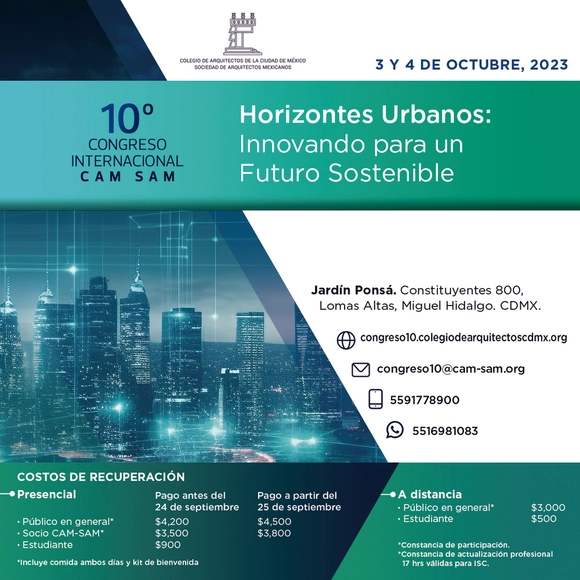
Architecture Congress aimed at architects, engineers, urban planners, licensed project managers, appraisers, students, and the general public interested in architecture. The 10th edition of the Congress will be held in a hybrid format. Two keynote lectures will be presented, featuring Francisco Serrano as the national representative and Lucía Bellocchio as the international representative.
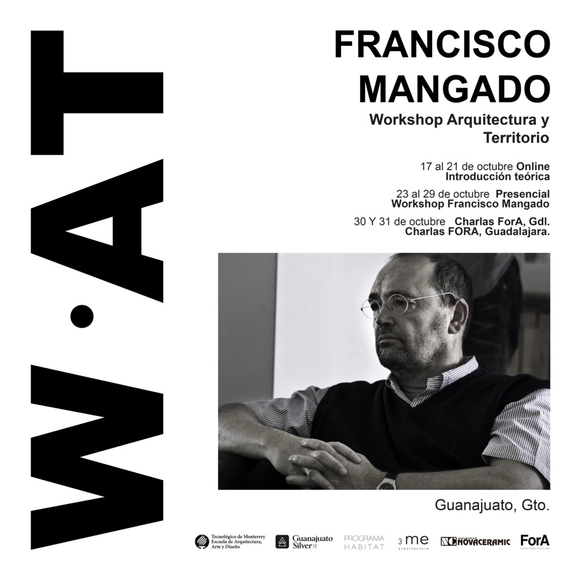
The School of Architecture at the Instituto Tecnológico de Estudios Superiores de Monterrey, León Campus, is proud to present its first Workshop on Architecture and Territory (W.AT) as part of its Hábitat Tec program. The workshop is designed as a collaborative effort between students and faculty to develop a project based on a specific program.
Model: Anette García and Germán Media Veterinary Hospital. Graphic design: Miguel Alejandro Aldana
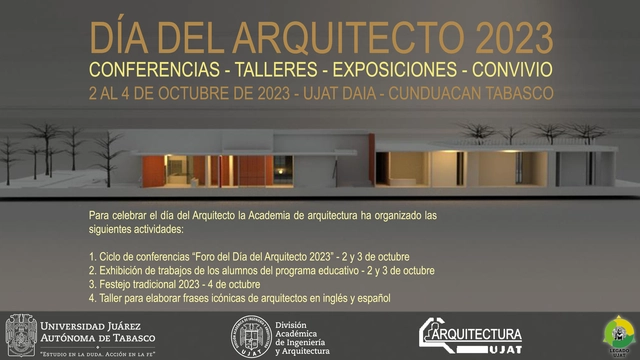
To celebrate Architect's Day, the Architecture Academy has organized four activities: 1. Lecture series titled "Architect's Day 2023 Forum" - October 2 and 3 2. Exhibition of student work from the educational program - October 2 and 3 3. Traditional 2023 celebration - October 4 4. Workshop on creating iconic quotes by architects in English and Spanish
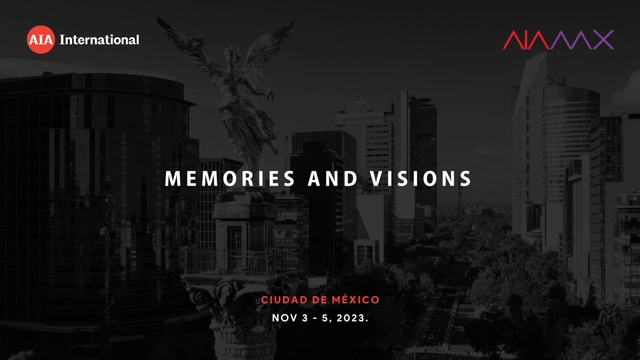
Embark on a fascinating architectural journey through Mexico City, where historical and contemporary styles blend into a stunning visual spectacle. From the majestic remains of the ancient Aztec civilization in Teotihuacán to the iconic skyscrapers that grace the city's skyline, every corner of this metropolis tells a unique architectural story. Mexico City stands as an unparalleled destination for architecture enthusiasts, who will find endless delight and inspiration at every turn.
Brazilian art, particularly street art, graffiti, and their derivatives, continues to gain prominence abroad. A case in point is the participation of Enivo, a muralist and co-owner of the A7MA gallery, in ArtPrize 2023. The event is taking place in Michigan, where the artist has been since the beginning of the month preparing two projects for the city.
The "Novos Talentos Brasileiros - Design e Arte" exhibition is set to host its highly anticipated 8th edition, promising once again to captivate the public by showcasing national creativity. In this annual event, talented Brazilian artists and designers have the opportunity to present their innovative creations and unique visions to the world.
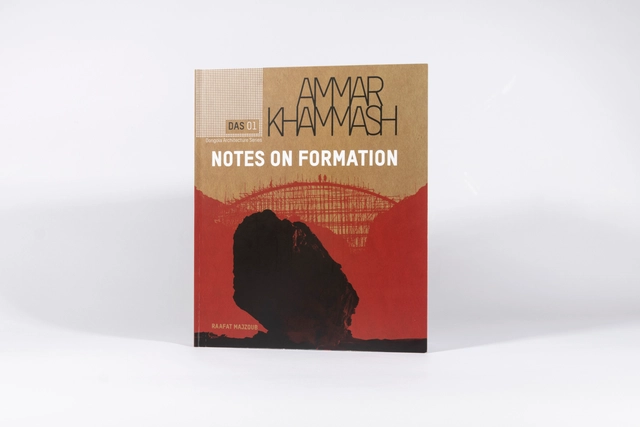
The Dongola Architecture Series (DAS) is a biannual book series that offers unique insight into Arab culture through the lens of its most iconic contemporary architects, and attempts to grapple with our environment’s past and present to better inform how we design our future.
BRIEF: Competition is open to everyone including students and professionals. Design a furniture, which is ergonomically sound, cost effective, environment friendly and feasible to build in neglected communities. As we all are aware, inhabitants in slums and other neglected communities lack space to accommodate. The furniture designed shall fit and transform from smaller spaces to larger spaces, based on adaptive user need, help them to store, sit, sleep, read, and write and more.
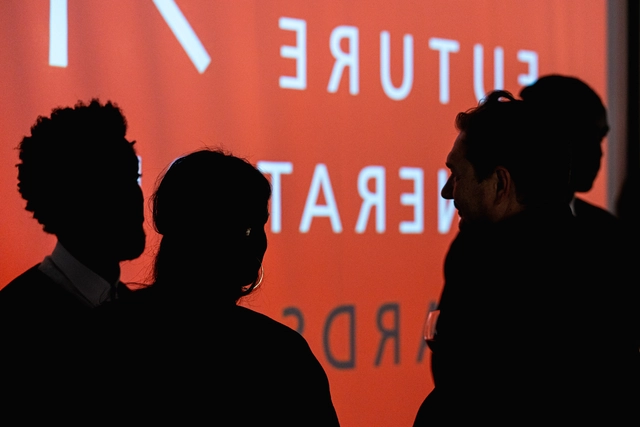
At the intersection of architectural innovation and social responsibility lies the Inspire Future Generations (IFG) Awards, an initiative by Thornton Education Trust (TET), established in 2021. It celebrates projects and practices redefining the realm of architectural engagement. These awards embody the transformative power of architecture, highlighting its potential to inspire, educate, and enrich the lives of future generations. In particular TET celebrates the engagement of children and young people in architecture and the built environment from a range of practitioners.