Melbourne Skyfarm by The Sustainable Landscape Company.
Hosted by the Faculty of Architecture, Building and Planning at the University of Melbourne, this two-day symposium brings together academic, government and industry experts to set the national research agenda to support the transformation of Australian cities. A series of keynote lectures, site visits and panel discussions featuring local and international speakers will explore the need for an increase in the scale of retrofitting in Australia. Join us for these timely conversations about our evolving cities. The symposium will also be livestreamed, find out more on the registration page.
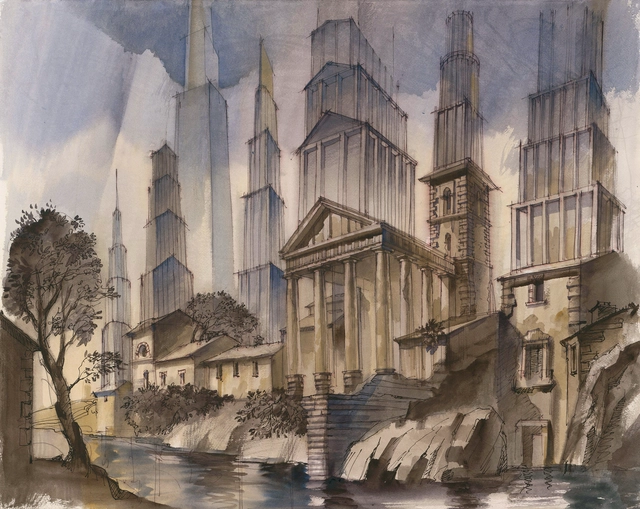
Imprint of the future. Architectural fantasy on the theme of “Veduta del Tempio di Ercole nella Città di Cora”, an etching by Piranesi
The year 2023 marks the celebration of the 850th anniversary of the start of construction on the Tower of Pisa. To mark the occasion, the Museo della Grafica Palazzo Lanfranchi is holding an exhibition of drawings by the architect Sergei Tchoban. In his work as an architect and in his drawings, he has constantly treated the tower as a type of building. There have never been so many towers as there are today. Never have they been so ubiquitous. Tower building has become a challenge for architects all over the world. Even those who do not find the task particularly appealing must come to terms with tower construction. For it is precisely in the architecture of towers that the latest techniques and materials are tested in order to reach and exceed aesthetic as well as physical limits. Sergei Tchoban is very familiar with the history of architecture from his studies at the Petersburg Academy. This history is reflected both in his own design work and in his drawings. The Museo della Grafica Palazzo Lanfranchi in Pisa has taken the 850th anniversary of the Tower of Pisa as the occasion for this exhibition, bringing together around 90 drawings that Tchoban has made on his numerous journeys, especially in Italy, and which in many cases combine the reproduction of what he saw with his own reflections on architecture. In six chapters, the exhibition presents through the architect’s drawings views of individual towers, reflections on the history of tower architecture and on the political role of towers and the threats they pose. Tchoban’s interest in the multifaceted phenomenon of tower construction is evident in the abundance of drawings in which the architect depicts these buildings, imagined as well as real towers or a combination of both. Drawing, with its capacity to make the imagined as vivid as the real, proves to be the apt medium for Tchoban to express his thoughts on tower architecture.
The Design Show 2024 ( The 9th International Architecture, Interior & Fit Out Exhibition)
- The Design Show What to expect at TDS Expo 2024. Workspace & Office Furniture. Outdoor & Landscaping. Flooring & Coverings. FINISHING MATERIALS AND FITTINGS.
At USC School of Architecture, we are committed to reimagining the built environment's past, present, and future through impactful scholarly research that engages communities and fosters social impact. With a focus on leveraging emergent design technologies for sustainable and ecological construction practices, we aim to revolutionize the AEC industry while envisioning a more inclusive and resilient future for all.
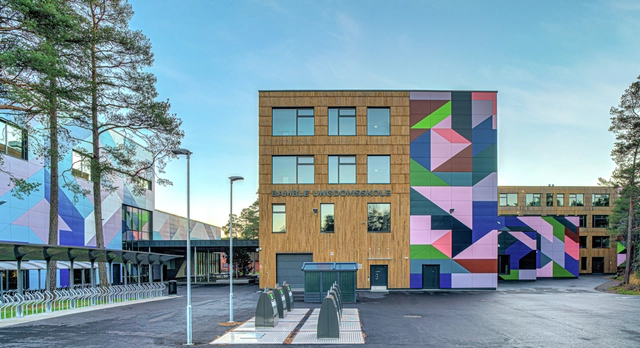
Façade colors are closely linked to place identity and help influence the surroundings and inhabitants of an area; they make it easier to safeguard and correct the use of color in urban areas. During the launch of their new color collection, STENI worked in collaboration with Scandinavia's leading expert in color and architecture, Kine Angelo, Associate Professor at NTNU, Department of Architecture and Technology, who has been working with color for over 12 years.
São Paulo Launch! The special edition of PISEAGRAMA dedicated to Vegetalidades will be launched in São Paulo this Saturday, October 28, at 4:00 PM, at Casa do Povo (R. Três Rios, 252 - Bom Retiro).
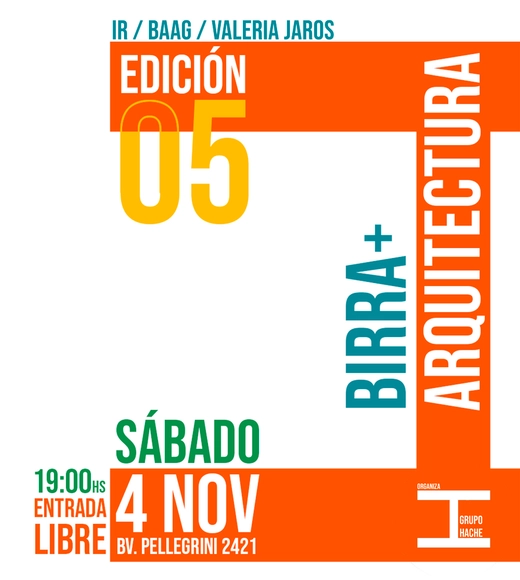
Grupo Hache is an independent organization of friends, including both students and young architects, who are passionate about and engaged in the architectural scene of our city. Their work spans various spheres, including teaching, design, research, and dissemination.
Water is a fundamental resource that sustains life, underpins agriculture, and fuels industry worldwide. However, water scarcity is becoming an increasingly pressing issue around the globe. Factors such as climate change, rapid urbanization, and industrial expansion exacerbate this situation. Among these contributing elements, water leakage remains an often underestimated and deprioritized aspect of water wastage.
Mariana Bunn will be in conversation with Thiago Barros
Mariana Bunn Arquitetura e Acessibilidade will host a conversation with Thiago Barros this coming Sunday, October 22, as part of its series "Accessibility from North to South: All the Voices of Brazil."
October 28th marks the beginning of the project, which continues the studies to replan the landscape of Nazaré Paulista and João Pessoa!
The project "Replanning with the Landscape: Community Conflict Resolution and Technical Studies for Full Reurb-S" kicks off with an opening event scheduled for October 28, 2023. This event will be a significant milestone, bringing together project stakeholders, community representatives, and authorities from Ribeirão Preto, SP—the city where these communities are located—to highlight the initiative's importance and objectives, alongside the Council of Architecture and Urbanism of São Paulo (CAU/SP), which is funding its execution.
Chuá!!! by Hugo Houayek on the facade of Galeria Athena_Photo Eduardo Masini
Next Saturday, October 28, at 7:00 PM, a conversation will be held between curator Fernanda Lopes and artists Andro Silva, Atelier Sanitário (Daniel Murgel and Leandro Barboza), Hugo Houayek, Natália Quinderé (Seis gentes dançam no museu), and Rafael Alonso at Galeria Athena. The event is part of the exhibition "O que há de música em você," which has just been extended until December 2, 2023, due to popular demand. The conversation is free and open to the public.
In March 2021, ACO and AIT-Dialog successfully launched a virtual tour through the seven continents of the world - inviting architects, urban planners, engineers and landscape architects to become part of "beyond.aco | architecture across continents". Now the journey continues: join them at their next live event on 15 November 2023 at 5 p.m. (CET) for a set of inspiring lectures. The focus is on responsible architecture in times of global change and climate challenges. Renowned architects and experts from different parts of the world will discuss various topics and examine the issue from ecological, social, societal and economic perspectives.
This book presents a selection of chronicles and essays on architecture, cities, and Latin American figures. Through an honest and clear voice, the author explores our territories and the lives that unfold within them.
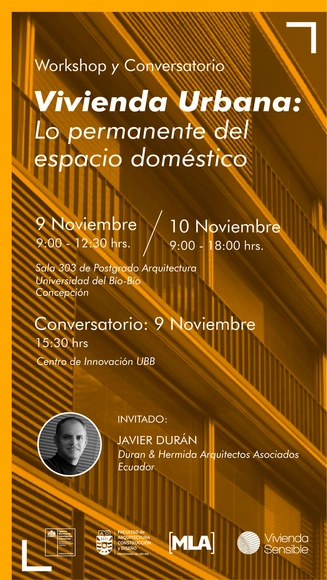
This workshop focuses on a design exercise regarding urban housing for diverse social sectors and is intended for architects and advanced architecture students. It is organized by the ANID Exploratory Project "Vivienda Sensible" and the Latin American Master of Architecture program at the University of Bío-Bío.
In the ever-evolving world of architectural visualization, Chaos Vantage is emerging as a valuable tool for architects, designers, and creative professionals who want to get a fresh, photorealistic perspective on their V-Ray projects in real-time. So, why should professionals consider exploring Chaos Vantage, in addition to the tools that already exist? This article will delve into its advantages, particularly in the realms of real-time, super-fast rendering, and photorealism.
The IE School of Architecture and Design is back with its Business of Design Series, where design meets business. The lecture series will explore a dynamic set of themes closely aligned with the Master in Business for Architecture and Design (MBArch), which is structured to enable architects and designers to become better managers, business developers and entrepreneurs.
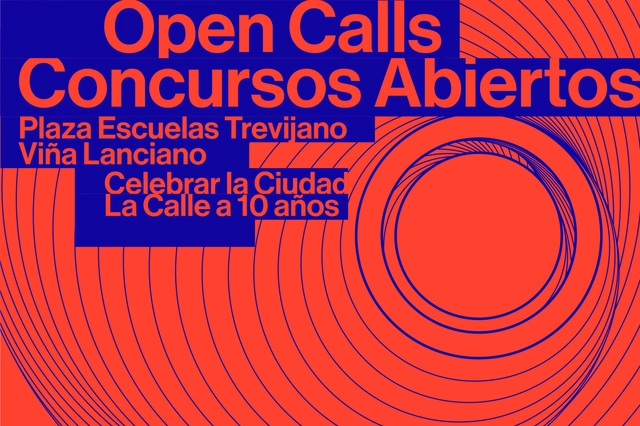
Concéntrico celebrates its 10th edition with a major transformation, aiming to envision the festival's future and share the knowledge gained about the city by incorporating new formats, engaging diverse audiences, and tackling challenges that explore time as a catalyst for change in urban and social design. The new edition will take place from April 25 to May 1, 2024.