Yoko Nishio_Santo Cristo_oil on canvas, 2023_Photo Bruna Prado
On December 9, the exhibition "Corpo Formoso" will open at the Galeria do Lago in the Museu da República. It features 11 new paintings by Rio-based artist Yoko Nishio, marking her first solo exhibition following her participation in various group shows at the Museu da República itself, the Centro Cultural Correios in Niterói, and Sesc Teresópolis, among other renowned museums and galleries.
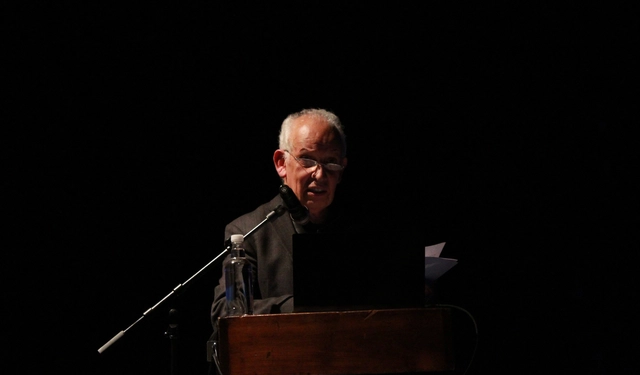
On December 2, the 26th National Congress of Architects concluded at the Bíobio Theatre with a moving ceremony that featured the presentation of the 2023 CA Awards, a keynote lecture by National Architecture Prize winner Fernando Pérez Oyarzún, and the submission of the congress's final resolutions, which will serve as a mandate for change for the National Board of the Chilean Association of Architects.
Saint-Gobain Transparence 18.0 - Art and Science of Building Responsibly
Saint-Gobain Transparence is India's Biggest Design Competition for students of architecture and design. For the past 18 years, Saint-Gobain in association with Ethos has been striving to provide a platform for aspiring designers to showcase their ingenuity on topics in design relevant to our times as well as apt for the future. Participate in Saint-Gobain Transparence 18.0 Architecture Category this year and win a chance to represent your country in the Global Architecture Student Contest in Finland, Europe.
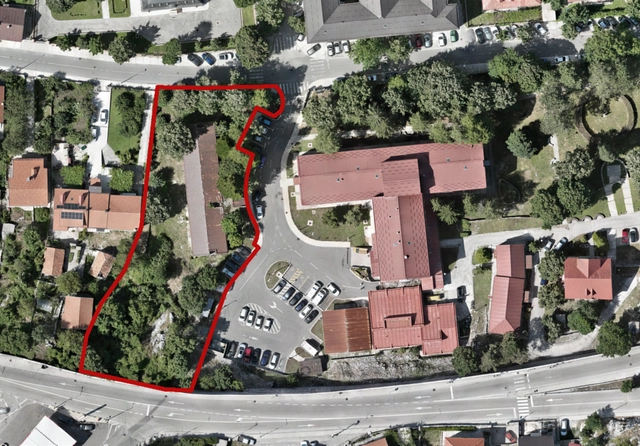
Ministry of Spatial Planning, Urbanism and State Property of Montenegro has announced an International Competition for a Conceptual Architectural Design of the Hospital Facility within “Danilo I” General Hospital Complex in Cetinje (Montenegro).
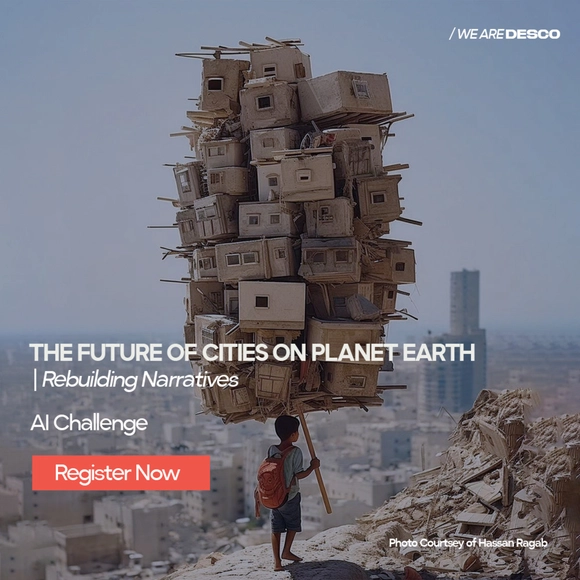
AI empowers creativity! Join the groundbreaking AI challenge for architects, designers, artists, and storytellers worldwide. Redefine boundaries, showcase your vision, and be part of the revolution! Unleash your creativity with AI-driven innovation.
One-of-a-kind inclusive community grounded in neurodiversity, India Autism Center (IAC) is a multidisciplinary non-profit organization for individuals with autism spectrum disorder and other related conditions. The competition site of 3000 sq ft (built up of 4500 sq ft) is located within the campus, an integrated 39-acre community neighborhood, currently under construction at Sirakole, West Bengal.The project is envisioned to create an inclusive community - with the provision of residential, educational, vocational, clinical, and recreational services as well as employment avenues.
The Architecture for Health Student Award honours outstanding master theses on the theme of Architecture for Health. This is intended to promote work in the field of healthcare architecture or architecture & urban planning for health and to encourage students in their motivation to engage in this important topic.
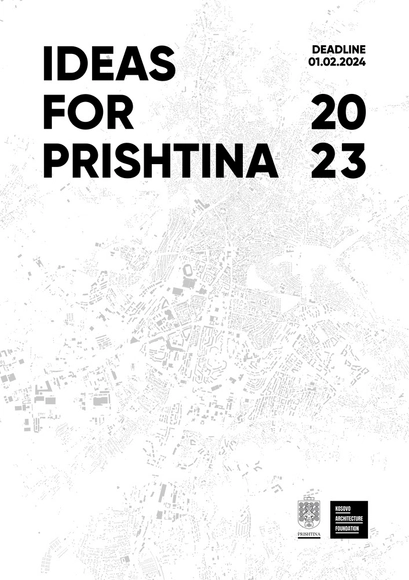
The second edition of the “Ideas for Prishtina” design contest has arrived! We welcome ideas that revolve around improving Prishtina’s cityscape, functionality, usability, and especially its livability. Prishtina has its fair share of urban issues, but that leaves a lot of room for potential, so share your thoughts and proposals, with the chance of making a proper change in the city. The Municipality of Prishtina and the Kosovo Architecture Foundation (KAF) are organizing this design contest to encourage the participation of the local community in the planning and implementation processes of the city. The main idea is the improvement and/or transformation of public spaces and their surroundings. These proposals could vary from sidewalks, crossroads, city lights, billboards, building facades, storefronts, rooftops, passages, tunnels, parks and other green areas, fountains, squares, markets, information points, pavilions, new public buildings, or even utopic urban solutions. No idea is too big, or too small, feel free to express yourselves fully. Everyone, either being a devoted residents or just visitors in Prishtina, of any age, nationality, or professional background, are invited to share their ideas. You can participate in this competition either individually or in groups with your friends, colleagues, neighbors, or family members. You are welcome to express yourselves with whatever medium you need, such as architectural and urban designs, art works, photos, videos, texts, etc. All you need to do in your designs is specify the exact location of your proposed intervention, and explain how your idea would improve the city and help the citizens. The Municipality of Prishtina will be awarding the best proposal will the “Rexhep Luci” Award that also includes a monetary prize of 5000 € for 1st place, 1000 € for 2nd place, and 500 € for 3rd place. The most feasible projects might be implemented by the Municipality. The terms and conditions of the competition can be found at: https://kosovoarchitecture.org/
Videos
Imagine your chair made from Andean bamboo (Chusquea Scandens). Plan on coming to the Andean forest to build it. Be part of the publication with the collection of participating chairs and aspire to be elected by an international jury.
SIT DOWN AND FEEL One of humanity’s most important contributions, and one that supports, literally and often to the extreme, our choice not to move, is the chair. Disregarding the hip joint’s capacity for permanent movement, we adopt from an early age a sitting posture that in adulthood can account for an average of 7 hours of every day, according to studies by experts in workplace ergonomics, who also recommend changing positions from time to time, lest we begin to take root. Our body spends so much time in a chair that the challenge for designers has been to create one with a backrest and seat that merge with the body to unload its weight, distributing it over four legs. The process of imagining, recreating, developing, and producing a new chair is summarized in each iconic model that scholars of the history of design have placed on the timeline of humanity —which since the industrial revolution seems to spend increasingly more time seated— and of a profession exploding with endless creativity and rife with proposals for furniture that contradicts, complies with, reformulates, and varies the possibilities of our bodily actions when we stop moving around to rest, find ourselves, feel, and sit down.
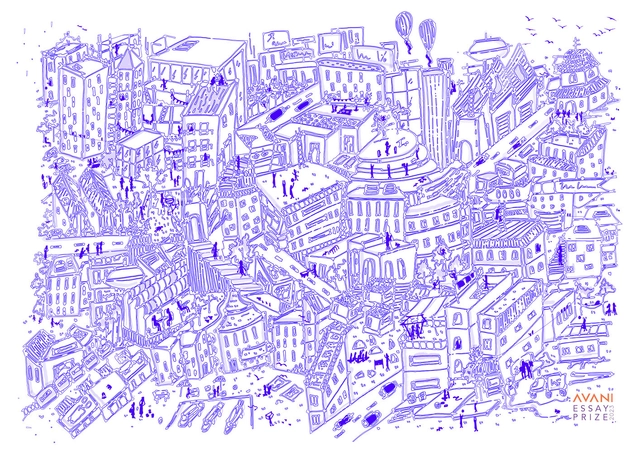
Avani Essay Prize, 2023, is an essay competition for full-time registered undergraduate students of architecture, planning, and design from around the world. The Avani Essay Prize is dedicated to fostering intellectual exploration and encouraging students to express their thoughts and ideas through the written word. This year we intend to explore the concept of a "city" that challenges the conventional narratives about its nature and purpose.
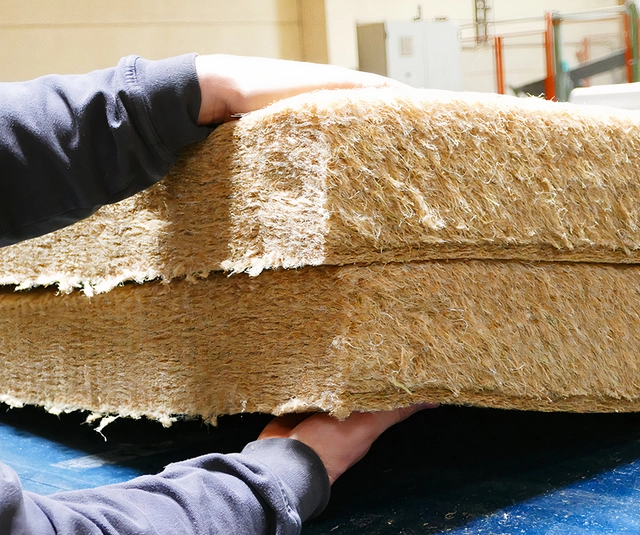
What insulation materials are needed to meet the challenges facing the modern built environment, including how to create a more sustainable future? What if some of them are already available? Kingspan’s dedicated innovation center, IKON, hosted a panel of experts to discuss some of the key issues and explore solutions. Michael Bol, an architect and Concepting Director at Buro Kade, Benjamin Constant, Director of Development and Partnerships at Neo-Eco Partner, and Sandra Del Bove, Kingspan Group Head of Innovation, each brought a different perspective and shared their experiences of these crucial issues.
Feira na Rosenbaum will host its Christmas edition from December 5th to 10th at the Edifício Teodoro in Pinheiros, with the main entrance on Rua Mateus Grou. Admission is free, and the event is open to the public daily. In addition to musical performances and items for pet and children's markets, this edition features a special partnership with the NGO Amigos do Bem, where 100% of the proceeds from products sold by the organization will be donated to residents of the Sertão.
IED - an international network of prestigious design and visual arts schools - is participating in Miami Art & Design Week for the first time with an exciting experiential exhibit at Alcova. A nod to both the site and Gruppo T (a group of Italian cinematic artists from the 1950s), Denoise is a collective video mapping artwork developed by students in IED Milano’s Master Course in Visual Arts for the Digital Age. Combining volumes, surfaces, and sound over several levels of narration, the installation will transform Room 35 into a multi-sensory experience, inviting participants to accept the unknown (equated with noise) as an integral part of our existence.
The Ableist Cities Symposium will bring together academics and industry experts to hear narratives of individual lived experience and co-designed research around disability and accessibility in cities.