
Egyptian Graduation Project Competition 3.0
Organized by: We Are DESCO
Proudly Sponsored by: AEDAS


Egyptian Graduation Project Competition 3.0
Organized by: We Are DESCO
Proudly Sponsored by: AEDAS
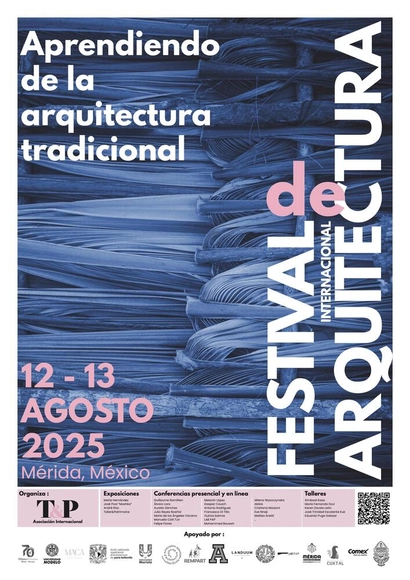
A two-day event bringing together architects, researchers, students, and creatives from around the world to explore architecture through conferences, workshops, and exhibitions. Held in the Yucatán region, the festival celebrates vernacular knowledge, contemporary practice, and cultural exchange in a vibrant, community-centered setting.

It all begins with an idea!
Active since 2021, the Inspire Future Generations Awards (IFGA) celebrate exceptional initiatives within the built environment that centre the voices of children and young people. This annual competition welcomes entries from architects, planners, local authorities, developers, and other built environment professionals who are committed to advancing participatory design with children and young people.
The IFGA recognises projects that demonstrate excellence, creativity, care, and a genuine commitment to engaging young people in shaping the spaces around them. Over the past four years, the Awards have played a key role in growing TET’s community of practice: connecting people, sharing knowledge, and fostering collaboration around inclusive and youth-centred design.
Our principal aim of running this awards programme is to open up space for young people to be heard, participate in and empowered in decisions about the environments they live, learn, and play in. By highlighting the value of participation, the IFGA helps ensure that the design of our cities and communities reflects the needs, ideas, and aspirations of younger generations. Each year the winning award entries are added to the TET Resource Bank, sharing knowledge, examples and speakers for TET Dialogues. The entries are featured in our Empowering Environment Report and winners will have space to present and reflect on their work. This year the IFGA present 16 categories spread across three sections, don’t loose your opportunity: enter for the IFGA25!

Join us for Hearing the Heart of LA: Straight Talk About Building Back, a timely and provocative Zoom conversation exploring the potential repeal or reform of the California Environmental Quality Act (CEQA). Taking place on July 23 from 5–6 PM, this session—titled CEQA Gone: Right or Wrong?—brings together diverse perspectives on how environmental review laws shape Los Angeles' ability to build housing, infrastructure, and more. Don't miss this essential conversation on the future of development in LA.
Sometimes, one drawing is enough to spark a revolution — not through detail or precision, but through imagination. A single image can challenge what architecture is, question what it serves, and propose what it could become.

FORT: LA Presents Architecture Uncorked! Historic Homes, Hot Topics and Worldly Wine
Don’t miss this fast-paced, design-inspired evening with FORT: LA featuring a sneak preview of Rebel Architects, episode 2 —Art and Rebellion in the ‘70s and ‘80s —before its official release! Join rebel architects Frederick Fisher and Thom Mayne in conversation with artist Chuck Arnoldi, moderated by Frances Anderton. More speakers to be announced! Sommelier India Mandelkern pairs perfect wines to match the rebel architect spirit.
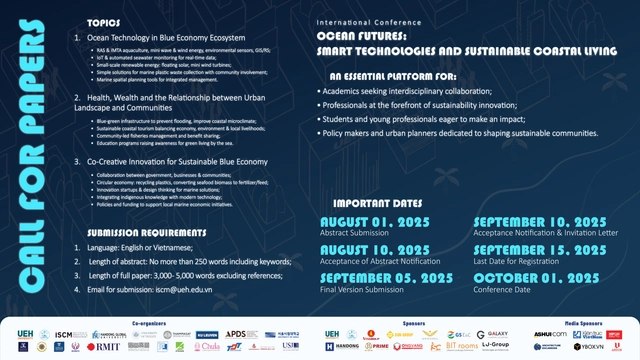
Join us at the forefront of change for the Ocean Futures Conference 2025. Proudly presented by the Institute of Smart City and Management (ISCM), College of Technology and Design, UEH University alongside our global and local partners, this year we set our sights on the vast potential of the Blue Economy - a theme that redefines how technology and design interact with our planet's most vital resource: its oceans. The blue economy is not only a driver of economic growth, but it also plays a crucial role in safeguarding sovereignty, ensuring national security, and promoting sustainable development.

In Situated Architectural Pedagogies of Co-making/-becoming, we are interested in those situated architectural pedagogies that specifically search for ways of co-making/becoming within the learning environment and beyond, and among human and other-than-human collectives. We would like to explore how educators and learners respond to sites of architectural practice, education and research with critical and ethical concerns. This event is a continuation of a series of others that we have collaborated in the context of SArPe: two educators' workshops; Stories of Situated Architectural Pedagogies in Istanbul and Engaged Learning in the Community University in Delft, three community-driven student workshops and a conference session called Commoning in Architectural Pedagogy. Like the previous events, this non-conference calls for educators and learners who would like to collectively create and share a non-competitive and caring environment, with the intention of disrupting the hegemonic pedagogical and academic canons. The non-conference participants will be invited to roundtable discussions, play sessions, and site visits over the course of 2 days. This event aims towards a book that speculates on the modes of co-making, co-becoming, co-authoring, and other enchanting socialities of collective imagining that dispute academic hegemony. We call for 300-word statements of interest from those educators and learners who have pedagogical experiences and experiments in such relations of co-making/becoming.
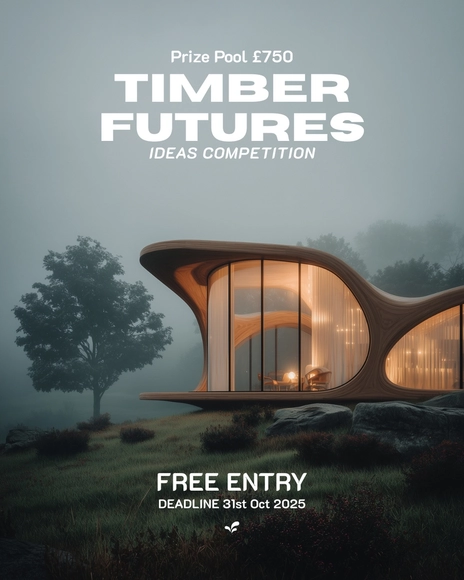
Timber Futures: International Ideas Competition

Be part of a bold vision to create a smart, green, and resilient city rooted in Mongolia’s rich cultural heritage. This global design competition invites architects, planners, and innovators to shape the conceptual plan of Hunnu City—a next generation urban center blending innovation with tradition. With over 1.4 billion MNT in prizes and opportunities to influence a landmark project, this is your chance to leave a lasting mark on the urban future of Mongolia.
Whether you're an international design studio or a cross-disciplinary team of forward-thinkers, you’ll compete to create a city that is smart, sustainable, climate-resilient, and deeply human-centered.

Working primarily in Nova Scotia, Canada, where proposed projects tend to lack large budgets or extraordinary resources, Peter Braithwaite Studio pursues novel and unique approaches to otherwise ordinary vernacular assemblies and humble material palettes. Acting as both the architects and the builders, Peter Braithwaite Studio draws inspiration from the place in which the work resides and strives to create engaging sensory experiences without the requirement of expensive materials or complicated assembles. The results are beautiful yet familiar forms that both respect the natural landscape and forge new paths within Atlantic Canadian architecture.
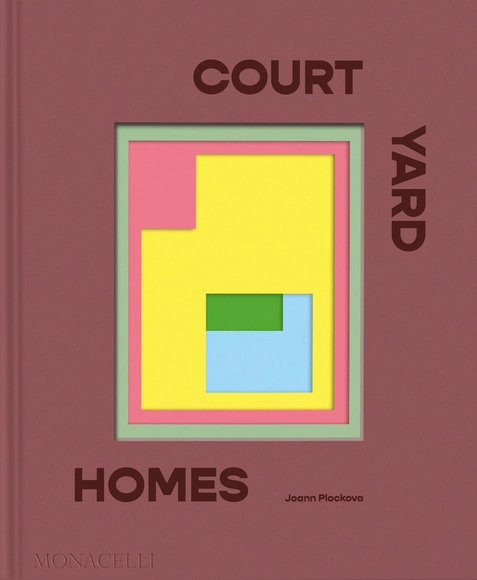
A global tour of remarkable homes designed around nature-filled, light-filtering outdoor retreats

The culmination of Robert A.M. Stern’s monumental history of architecture in New York City and a comprehensive record of building over the last twenty-five years

Having stood empty for almost forty years since being decommissioned in 1983, Battersea Power Station reopened its doors to great fanfare in 2022. Originally designed in the 1930s by renowned architect, Sir Giles Gilbert Scott, the Grade II* Listed Power Station's thirty-year neglect had created a modern ruin. It was in a critical state of disrepair when it was purchased in 2012 by an ambitious consortium of Malaysian investors who entrusted architects WilkinsonEyre with the design of its repair and regeneration.
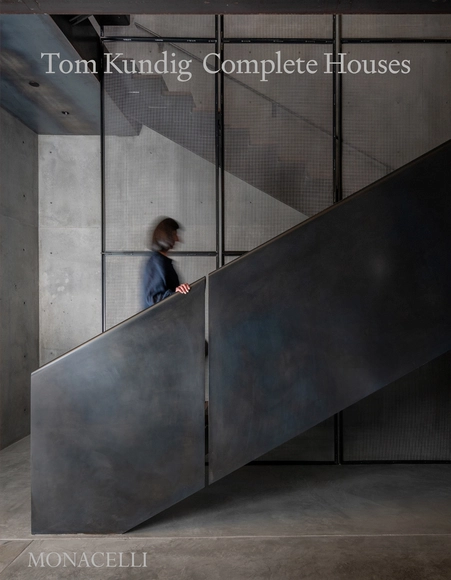
The definitive collection of residential work by celebrated contemporary architect Tom Kundig
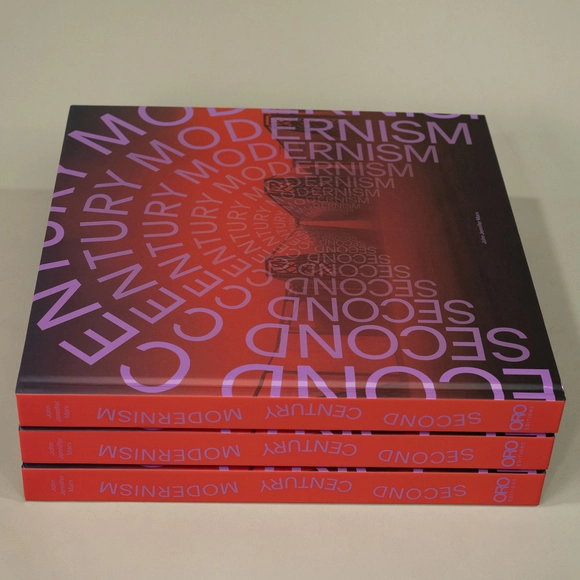
Has Modernism failed us? It could be said that Walter Gropius laid the cornerstone of modern architecture in 1919 by founding the Bauhaus. As a result, modern architecture is now over 100 years old. This first century of Modernism has come to a close with a mixed review. Enthusiasm for its achievements goes hand in hand with a discontent about a sizeable portion of its outcome, as well as its effect on the natural and built environments. The most vocal supporters of these modernist ideals crafted epic claims that Modernism was bound to deliver progressive and humane environments. Alas,
the follow-through of those promises was uneven at best.
Can we update this ideological framework, establishing a new outlook that is both open ended and operational? If the first century of Modernism can be considered an architecture of abstraction and ideas, then what might we design if we turn our attention, in this second century of modernism, to an architecture of emotional abundance? Second Century Modernism creates an architecture of richness and community by placing a higher priority on emotional meaning, through a shift in the design process that balances the rational with the intuitive, and a “Less + More” approach to expanding the range of cultural values we can inclusively balance in our environments. It welcomes you to embrace the paradoxical qualities of human existence.
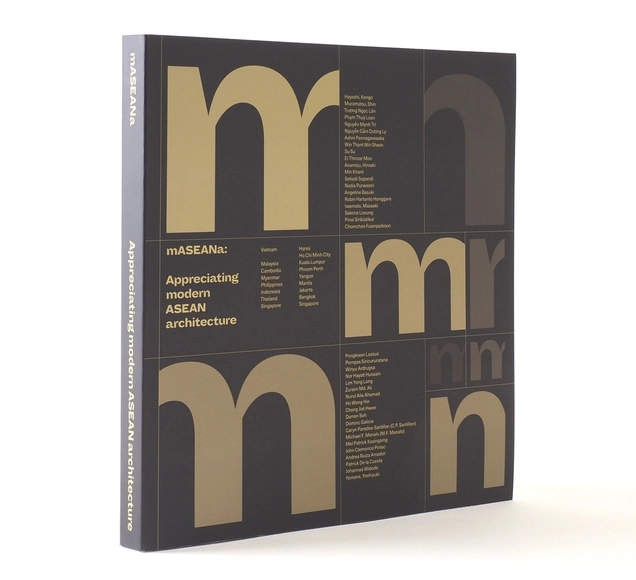
mASEANa: Appreciating modern ASEAN architecture is a visually immersive and regionally groundbreaking publication that explores the rich and diverse expressions of the 20th-century architectural heritage of Southeast Asia. Through pictures of 900 buildings accompanied by short essays, the book offers a compelling visual journey through nine cities in eight countries—Hanoi, Ho Chi Minh City, Yangon, Jakarta, Phnom Penh, Bangkok, Kuala Lumpur, Singapore and Manila.
Each chapter presents a curated selection of 100 modern buildings per city, accompanied by essays and commentary that reveal the architectural, political, and cultural forces that shaped them. Rather than framing modernism as a singular Western export, the book introduces the concept of "multiple momos"—a pluralistic view of modernity that embraces local adaptations, colonial legacies, post-independence nation-building, Cold War influences, and tropical environmental responses.
Designed for both academic and general audiences, mASEANa serves as a scholarly resource, design reference, and preservation tool. It highlights the urgency of documenting and protecting modern architectural heritage in a region undergoing rapid urban transformation. Whether you are an architect, historian, student, or simply a lover of cities, this book invites you to rethink the boundaries of modern architecture and appreciate the unique trajectories of Southeast Asian urbanism.
The publication is the result of the mASEANa Project, a six-year collaborative initiative launched in 2015 to promote the understanding, appreciation, and preservation of modern architecture in the ASEAN region. The project was led by the DOCOMOMO Japan and the Japan Foundation. Researchers and students from Southeast Asia and Japan worked together to conduct field surveys, compile inventories, and host international conferences, culminating in this comprehensive and visually engaging volume.
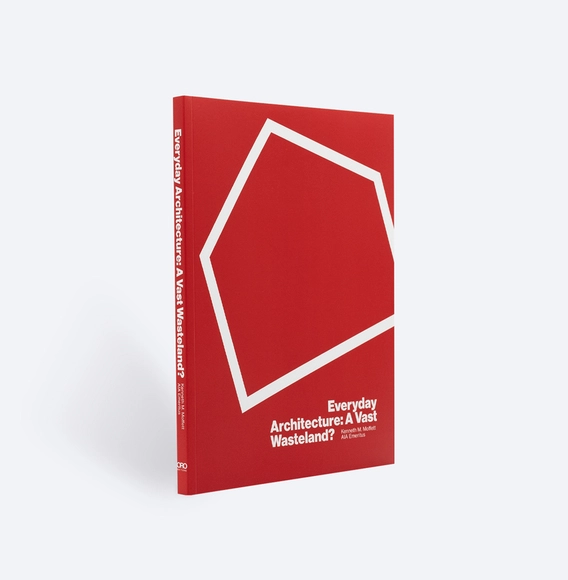
A long-deserved survey, of the everyday building types that line our suburban roads and parking lots, affords an informative and diver ting critique of their architectural and sociocultural foibles.