This theoretical and practical workshop, led by Lebanese architect and artist Angèle Keserwany, is open to anyone interested in exploring the world of raw earth as a medium and its potential for transformation into a building material. The workshop will take place in a single session, covering everything from theory and references on vernacular architecture to a hands-on creative exercise using earth construction techniques.
The Architecture and Urbanism Student Day, which functions as a "mini" gathering, aims to promote interaction and dialogue among students in the field, reaching a wide spectrum of schools in the region where it is held. In the São Paulo Regional, this event is conducted through workshops, panel discussions, and networking opportunities, and is offered free of charge. It takes place in strategic locations throughout the state, over a single day, with a specific theme.
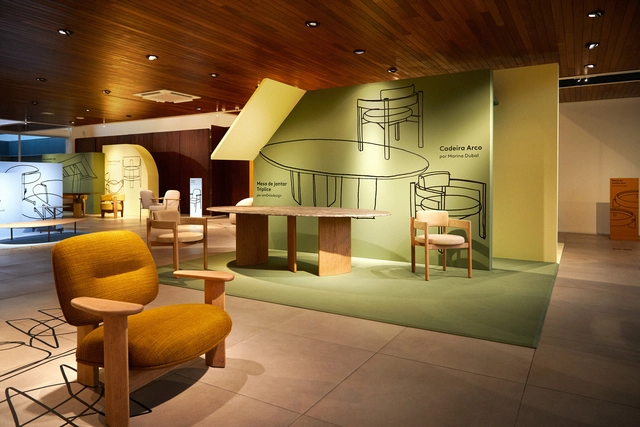
The scenography was one of the highlights at the Lider flagship store during DW! SP. Photos: Henrique Padilha.
Lider, a furniture brand from Minas Gerais that combines artisanal woodworking with design, was a highlight of DW! São Paulo Design Weekend 2024, presenting key releases from its new collection with scenography by creative Jacimar Ferreira da Silva at its flagship store on Alameda Gabriel Monteiro da Silva. Now, the installation—adapted by the in-house visual merchandising team led by Raquel Nogueira—will travel to the brand's stores in other Brazilian capitals, which will also host exclusive events featuring the designers behind several pieces in the new portfolio. In total, 19 products make up this first-semester collection.
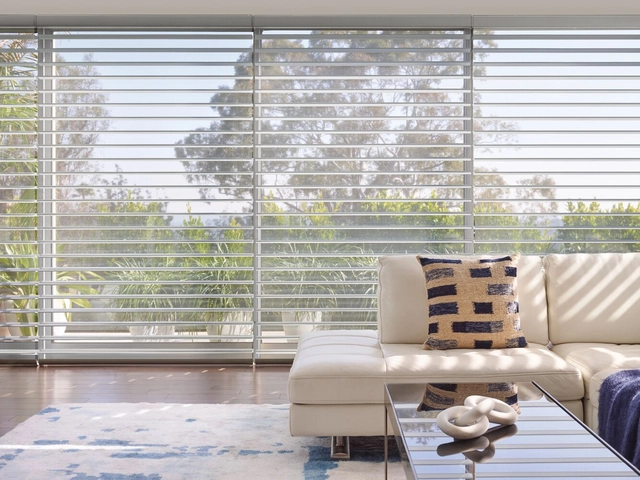
Silhouette® Window Shadings - Courtesy of Hunter Douglas
Hunter Douglas, a global leader in window coverings and architectural products, is participating in the 26th edition of Campinas Decor, the largest architecture, interior design, and landscaping exhibition in the interior of São Paulo state.
In the early 20th century, the Pinheiros River in São Paulo was a destination for water sports and leisure. However, subjected to the misguided urban planning of the 1960s, the river’s winding curves were straightened to accommodate roads along its banks, leading to frequent flooding, while the river itself became polluted by industrial discharge and urban sewage. Recent city and state administrations have worked to clean the river and establish a bike path, encouraging the emergence of kiosks and a temporary floating bar. Building on this momentum, the 2024 workshop will explore ways to further revitalize this space, investigating a new relationship with the city's rivers to create public space. The surreal contrast between modern skyscrapers, a seven-lane highway, and the river’s green banks—complete with capybaras and polluted water—creates landscapes that resemble digital montages, even inspiring art installations. Expanding on this, students will learn to leverage the power of artificial intelligence to speculate on radical new aquatic landscape infrastructures, utilizing its capacity to generate a fluid fusion of natural and built structures. Led by Carlos Bañón, an expert in artificial intelligence applied to architecture, alongside specialists in landscape design and urban infrastructure, students will learn to translate some of this virtual exuberance into built form.
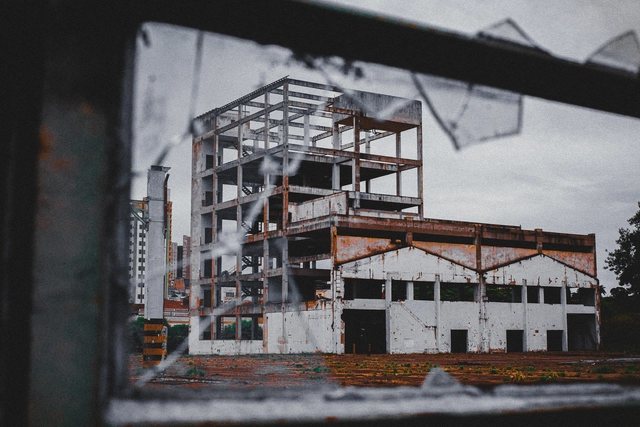
Ruins of a building in the central region of Limeira (SP), 2024. The photograph, along with other records, is part of the video installation.
The video art project "Ruínas" (Ruins) delves into the emblem of urban ruins located in the city of Limeira, SP, exploring their symbolic function in times of crisis. As material remnants of political failure, economic speculation, and social decline, these ruins become essential to contemporary cultural narratives. The project is funded by the Paulo Gustavo Law through the Ministry of Culture, with support from the Limeira City Hall via the Department of Culture.
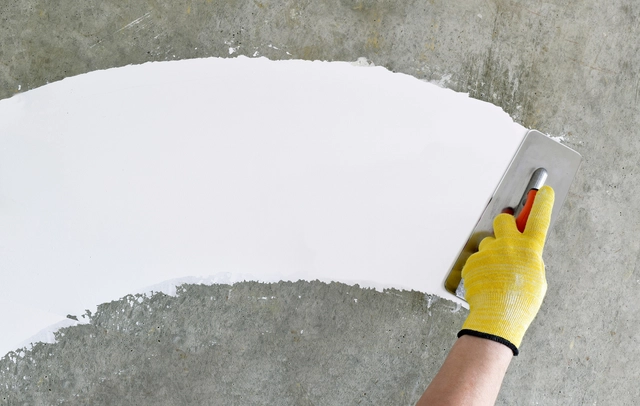
Surface preparation is crucial in ensuring the longevity and effectiveness of coatings in construction. In fact, studies show that up to 80% of premature coating failures can be attributed to inadequate surface preparation. These failures typically manifest in the form of peeling, blistering, and cracking, which diminish a building's appearance and compromise structural integrity.
Building façades are highly visible and exposed and bear the brunt of environmental factors. Poor surface preparation has a direct impact on the long-term performance and appearance of façade finishes, which can in turn suffer from accelerated degradation, necessitating frequent maintenance and repairs.
In the world of architecture and design, traditional methods of showcasing 3D designs via 2D floorplans, renders and video walkthroughs are standard practices. However, they lack one important thing: immersion. For clients, it is hard to visualize spaces by looking at 2D representations. This has led to a need to quickly create immersive environments that clients can understand better from existing 3D software like Enscape, V-Ray, Lumion or Twinmotion.
Using 360 panoramas, architects and designers can now bring existing designs into virtual reality (VR) within minutes. This article will serve as a guide on how to convert your 3D designs into lightweight web and VR experiences using 360 panoramas.
Join Shannon Vos, an Interior Designer, Renovator, and one-half of the winning team from 2014's 'The Block', for an insightful discussion on the dos and don'ts of renovating at the DECO Innovation Centre.
Business as usual cannot continue if we are to strive towards a more sustainable building industry. Our methods and strategies must transform and adapt to an entirely new way of thinking.
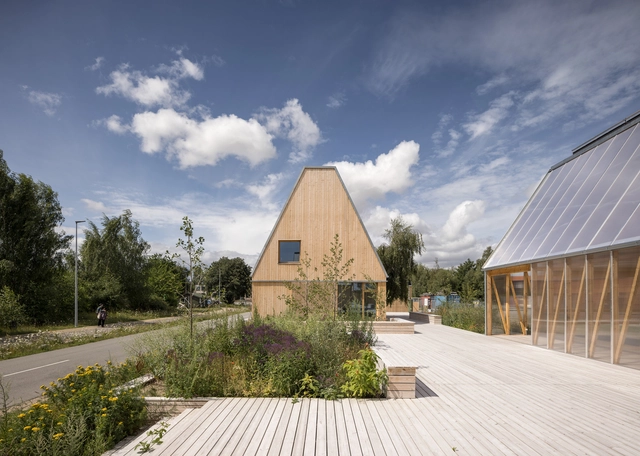
This is why the Living Places concept was developed by the VELUX Group, in partnership with EFFEKT Architects and Artelia. It highlights how rethinking building principles can address global climate and health challenges. Powered by this idea, Living Places Copenhagen, the concept's first prototype, presents a physical example that shows how to build more sustainably while maximizing indoor comfort.
The strategic focus of the 29th Colombian Biennial of Architecture and Urbanism centers on the importance of viewing HABITAT as a fundamental right of the citizenry. The way we live and use our environment must contribute to the preservation of ecosystems and nature; however, reality confronts us with a critical situation. In many of our cities and urban developments, the urgent need for environmental solutions and strategies that align with existing ecological structures is evident. These solutions must enable the recovery of vast urban areas and ensure our safety against all types of risks. We intend to address crucial issues, such as housing, cities, and urban developments, which have been built partially, in remote areas, often excluding segments of the population.
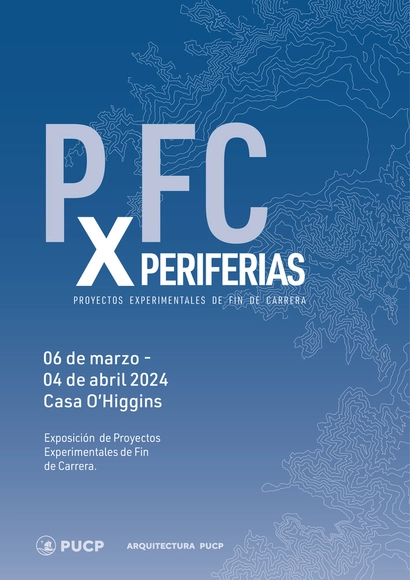
The Experimental Final Degree Projects (PxFC) course at the Faculty of Architecture and Urbanism of the PUCP presents PERIFERIAS, an exhibition of work by its alumni developed between 2019 and 2022.
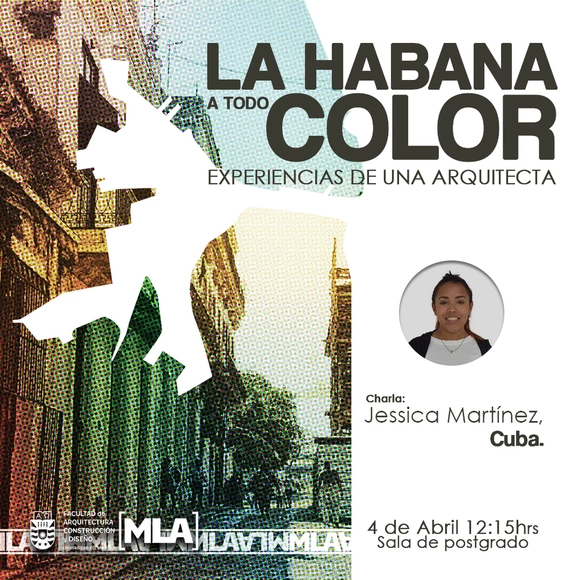
Presentation and conversation with architect Jessica Martínez, researcher at the Technological University of Havana and heritage restoration architect, currently a doctoral candidate in Architecture and Urbanism at UBB. The talk draws on her professional experience as an architect at a firm responsible for the rehabilitation and restoration of Havana's historic center, as well as community projects in Cuba. The goal is to explore and share practical experiences and social contexts from various Latin American realities to broaden the architectural and disciplinary horizon. The presentation will take place in the Architecture Postgraduate Room on Thursday, April 4, at 12:15 PM.