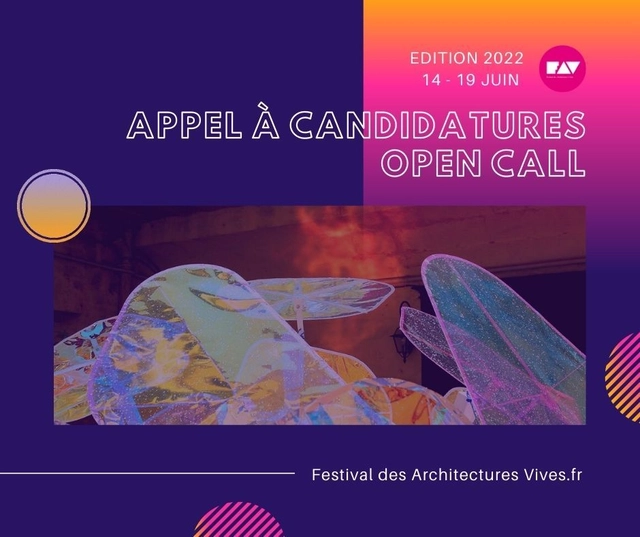
Organized by the Hungarian Contemporary Architecture Centre, the festival’s mission is to present an overview of architectural issues currently affecting the world, the region, and Hungary. Furthermore, it serves as a meeting point for architects, film lovers, and everyone else interested in the festival. The organizers believe architecture and urban development are common causes, hence the goal of the carefully-selected program is to initiate a dialogue about the built and unbuilt environment and to encourage the audience to reflect and act.
Videos
studio • mOOO 3rd online workshop scholarships 2022 (Spring)
mOOO offers workshop scholarships to proactive individuals who seek to explore the architecture boundaries with a relentless curiosity in the fields of Digital Design and Research and Narrative-driven Design and Research. *Up to half scholarships will be awarded to successful applicants by workshop tutors.
Winter Stations is a single-stage international design competition held annually in Toronto, Ontario, Canada. Participants are tasked with designing temporary winter art installations which incorporate existing lifeguard towers spaced strategically across the city’s Kew and Woodbine beaches. The structures (not in use in the wintertime) are considered visual anchor points for the installations.
Feeel Design company, together with an international team of professionals, has created a platform for the implementation of bold design ideas with the use of natural materials.
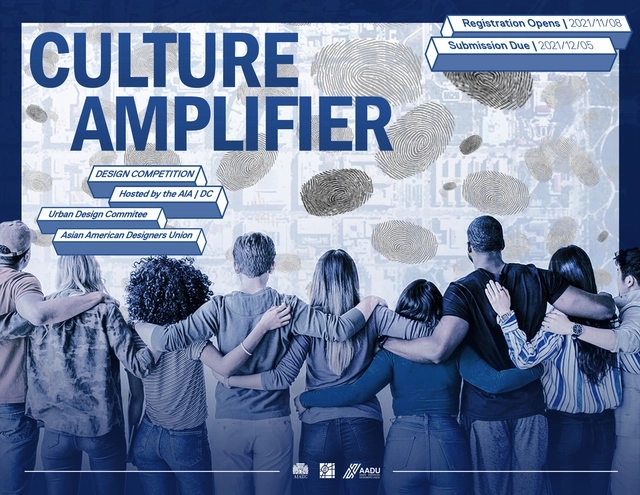
In the past, cities were often direct manifestations of their culture. The ability for civic gatherings, the exchange of ideas and values and for cultural celebration reflected in the public realm and programming of the urban fabric. During the 21st century we have experienced unprecedented global integration. Advances in technology and international economic policies have reduced many barriers to the free flow of goods, services, capital, and people. This rapid pace of globalization has fueled economic opportunities and brought with it many other benefits, but it has also begun to diffuse cultural identity in cities.
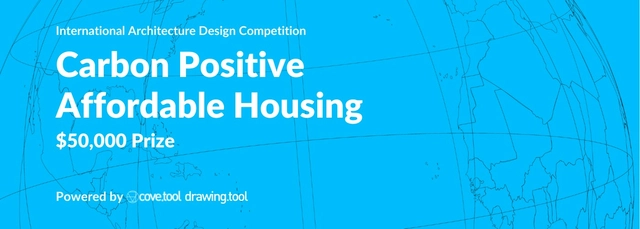
Buildings account for 40 percent of U.S. carbon dioxide emissions. From houses and hospitals to schools and offices, buildings in the United States use about 40 percent of the country's energy for heating, cooling, lighting, and other operations. It is estimated that the manufacture, transport, and assembly of building materials such as wood, concrete, and steel account for another eight percent of energy use. About 30 percent of the electricity buildings use is generated from coal-burning power plants, which release greenhouse gases, causing climate change.
City Square, Leeds City Centre. Photography: Carl Milner for Visit Leeds.
LEEDS 2023 has announced a once in a generation opportunity for an artist or creative team to design a striking large-scale temporary artwork at City Square, the major public space in the heart of Leeds city centre.
This design challenge has been conceived by Young Leader for Active Citizenship (YLAC) and Sensing Local and is being conducted in partnership with Janaagraha, Doddanekundi Rising and Banaswadi Rising. We invite proposals to reimagine two typical neighbourhood scale public spaces in two wards of Bengaluru - Doddanekundi (ward 85) and Banaswadi (ward 27).
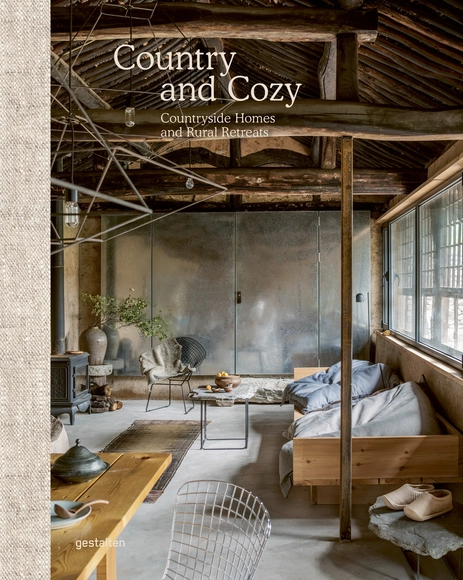
The countryside is calling. Already palpable before the pandemic, interest in the exciting possibilities of rural living has now grown beyond what many of us could ever have imagined. Turning away from traffic-choked streets and onto meandering country paths, once-committed urbanites are increasingly choosing to take up residence in greener pastures, and are seeking extended or permanent refuge in rural locations. For those of us fortunate enough to be able to choose where and how we reside, the wish to be closer to nature and to simplify hectic daily routines has led to a re-examining of the countryside as a desirable destination, to find not only peace and quiet but also creativity and connection. Country and Cozy visits dwellings that not only successfully engage with their landscape but also honor regional character by following local traditions of craftsmanship. All of the homes in this book are connected by a shared passion for using spaces, materials, and favorite artifacts in unexpected ways. In reflecting their unique stories and tastes, the creators of these homes allow our ideas about country living to constantly grow and evolve. “It’s about restoring properties in ways that maintain their original materials and history, then adding your own layers on top”, affirms Matt Gibberd, co-founder of London-based estate agency Inigo. All the best examples of contemporary rural living are constructed from a strong knowledge of, and respect for, their environment. Understanding the context of a house, or the history of the land on which one plans to live, is essential. Nowhere is this more evident than in the materials and design details documented in this book. Natural, industrial, handmade, sustainable, salvaged, found—whatever the origin or aesthetic, every finish and furniture choice has been made with care and integrity. It is safe to say, however, that rustic no longer always equates to pared back. In this book, readers will find both sides of the story: There are those who favor simplicity and restraint, and those who—like magpies—delight in layer upon layer of expressive pattern, texture, and color. There are seekers and preservers of ancient history, and forward thinkers who sensitively imagine contemporary quarters to sit elegantly in their natural surroundings. The houses explored in this book represent the diversity of farmhouse-style living today. From a converted dairy barn in Upstate New York, or a rejuvenated former convent in Tuscany, a 200-year-old timber-frame house set among meadows in the German countryside, and a thirteenth-century farm in Catalonia that is a minimalist blend of rural architecture with contemporary interventions, to Durslade Farm in Somerset with its distinct cosmopolitan edge thanks to its owners, the contemporary art gallerists Hauser & Wirth, where even the garden, designed by Piet Oudolf, the gardener responsible for the planting on New York’s iconic High Line, is a work of art. Country and Cozy opens the door to a more characterful approach to design and decoration by showcasing some of the world’s most beautiful country homes, and illustrates how their residents have created enchanting living spaces that truly make the most of rural life.
This year Pressing Matters 9 was completely rethought; the aim was to present an Open Source publication that shares the Department of Architecture’s concept of design-research, an integral approach of critical thinking, rigorous research, and a deep understanding of the complex layers of architecture. Together with the renowned design studio, WSDIA in NYC, a more integral design was developed, allowing input from research [ARI labs], students, faculty and Penn’s special events. The content and layout focus on an in-depth representation on how in recent years we have integrated expertise and content from our courses into our Design Studio’s. Pressing Matters is an annual design and research compilation from the Department of Architecture at the University of Pennsylvania Stuart Weitzman School of Design, showcasing student work, faculty research, and innovations in pedagogy.