Priscila Pacheco

BROWSE ALL FROM THIS AUTHOR HERE

Urban territory management: how does it determine access to the city?

Subscriber Access | 

From the ground up, we build our cities. The places where we live, work, walk, and spend our lives are all built on the same surface. Land is one of a city's most valuable assets, and promoting the coordinated management of this territory is essential to ensuring that everyone has their place and that it is equitably distributed.
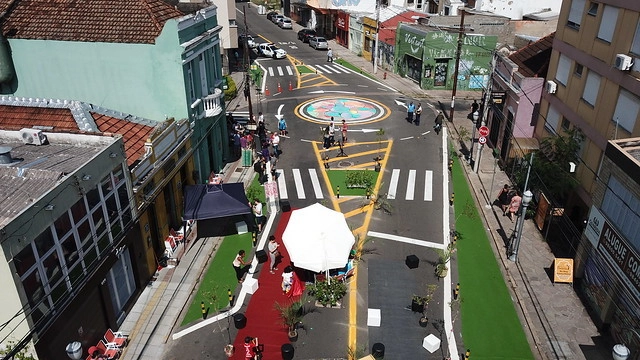
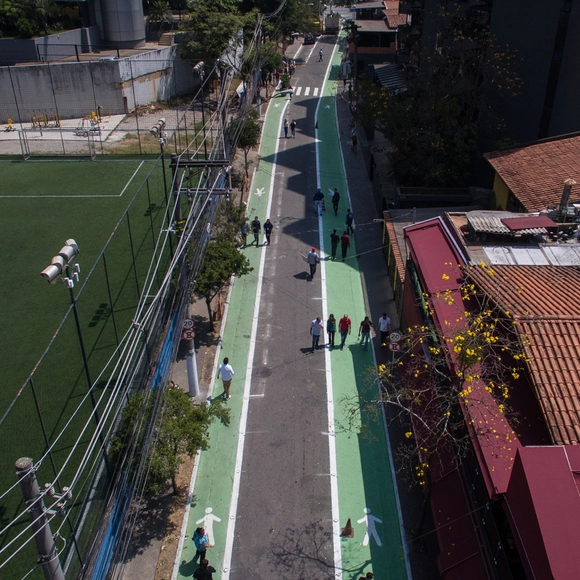
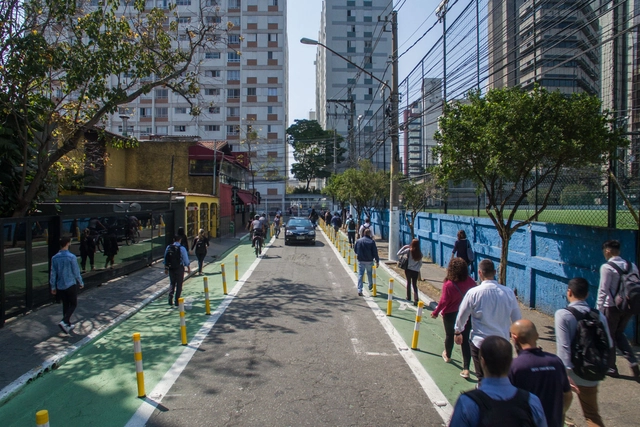
Before and After: Measuring the Impact in 3 Cities Implementing Complete Streets

Subscriber Access | 

Impact measurement is an indispensable step for a Complete Street to be successfully implemented and to truly meet the needs of the population. Since there is no single model for a Complete Street, this process is even more necessary: to ensure that different interventions are effective and positive, it is essential to understand the before-and-after scenarios of the changes and evaluate the project's impacts in practice.

What the concept of Complete Streets can add to urban planning

Subscriber Access | 

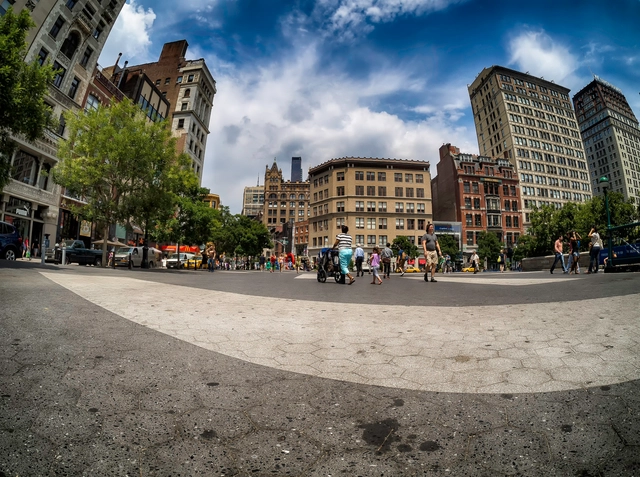
Urban planning goes far beyond the built environment itself. Every day, our choices, how we move around, how much we spend doing so, the opportunities we can access, the choices we make and those we forgo—all of this is shaped by urban planning. Professionals in the field, therefore, have a direct influence on life in cities. But what does the academic training of future urban planners look like today? What is essential for working in this field?

Complete Streets and Psychology: How the Environment Influences Our Behavior

Subscriber Access | 

The environment affects behavior, just as behavior affects the environment. This is one of the core propositions of environmental psychology, a field that studies the interrelationship between human behavior and the surrounding environment, whether built or natural. If the environment has the power to influence our choices and habits, then it is possible to design it to encourage more sustainable choices. And complete streets offer a way to do just that.

Compact City, Dispersed City: Understanding Urban Form

Subscriber Access | 

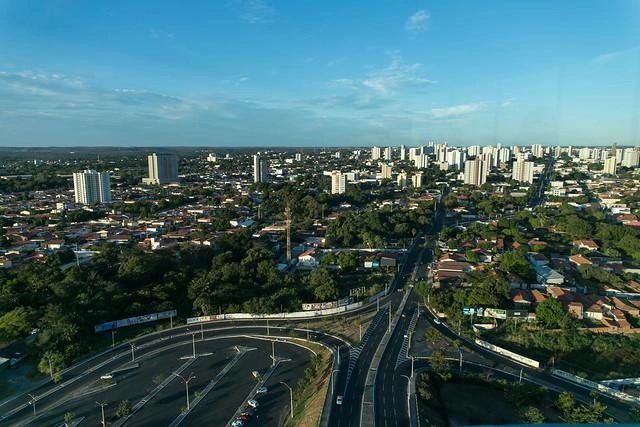
Urban form can be understood as the physical “face” of a city. The organization of public and built spaces is what determines a city's urban form. Consequently, a city can be sprawling – characterized by low population densities, a reliance on private transport, and long commutes –, or compact, featuring balanced densities and multiple centralities. Achieving this latter model requires robust land-use management closely integrated with public transit planning.

Compact City, Dispersed City: Understanding Urban Form - Imagem 1 de 4

Five urban projects that transformed their cities

Subscriber Access | 

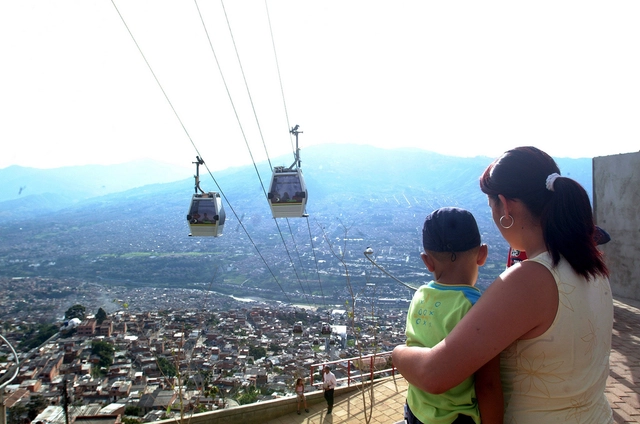
Some urban changes go deeper than the surface. These are transformative projects with the power to generate an impact far greater than aesthetic or infrastructural updates. They are initiatives that positively influence the economy, the environment, and the host community—in unexpected or even unprecedented ways.

Five urban projects that transformed their cities - Imagen 4 de 4