Luan Galani

BROWSE ALL FROM THIS AUTHOR HERE

Book compiles details of Curitiba's anonymous residential architecture

Most of the urban landscapes that shape our lives are made up of modest houses—those built in the 20th century by immigrants, artisans, and anonymous builders. However, this vernacular architecture, full of warmth, good design, and rich details, is not studied as frequently as it should be. But this is beginning to change. At least in Curitiba.

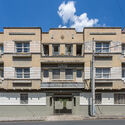
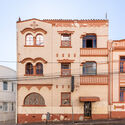
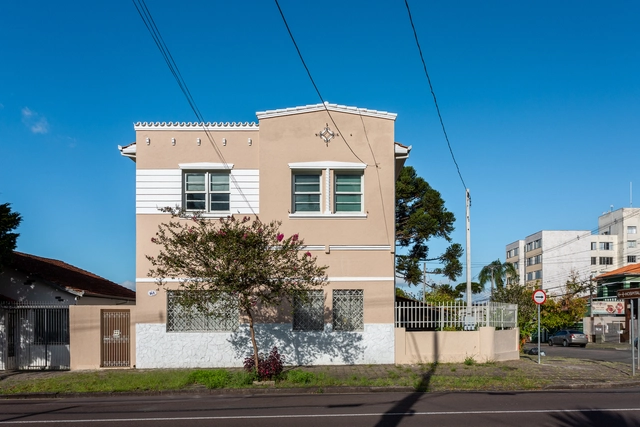
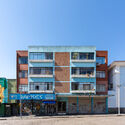
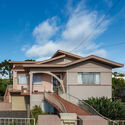
Architects Fábio Domingos Batista and Paula Domingos Fraiz Morais spent months studying the residential architecture of the Paraná state capital. Now, they are launching a two-book box set, *Inventário de Arquitetura Residencial Curitibana* [Inventory of Curitiba's Residential Architecture], aimed at the general public. The publication features architectural details of approximately 160 houses in Curitiba built between 1920 and 1960.
Book compiles details of Curitiba's anonymous residential architecture - Imagem 5 de 4Book compiles details of Curitiba's anonymous residential architecture - Imagem 12 de 4Book compiles details of Curitiba's anonymous residential architecture - Imagem 4 de 4Book compiles details of Curitiba's anonymous residential architecture - Imagem 2 de 4Book compiles details of Curitiba's anonymous residential architecture - More Images+ 11

Pilot project in São Paulo to use sidewalks and streets as spaces for bars and restaurants

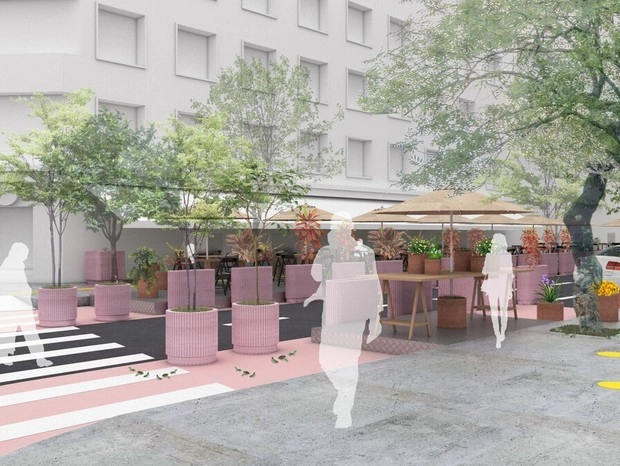
The city of São Paulo will test a pilot project that transforms streets and sidewalks normally reserved for parking spaces into outdoor areas for bars and restaurants. The initiative, named "Ocupa Rua" (Occupy the Street), is led by São Paulo City Hall, the architecture firm Metro Arquitetos Associados, and food critic Alexandra Forbes.

Brazilian Architects Explore The Intersection Between Curitiba and Its Canalized Rivers

In many cities, rivers play an integral part in the formation of a local landscape and urban identity, contributing to economics, transport, and recreation, amongst other things. Unearthing the city's rivers to create new leisure spaces is one urban solution that is widely adopted by several cities around the world, in order to capitalize on the existing waterscape. In five years, the capital of South Korea resurrected its main river, the Cheonggyecheon, which had been buried under express streets and viaducts, restoring a sense of peace, green space, and national history to the city. Milan followed the same path: not long ago, the mayor of the Italian city Giuseppe Sala proposed reopening the navigable canals of Navigli for the public to interact with. 

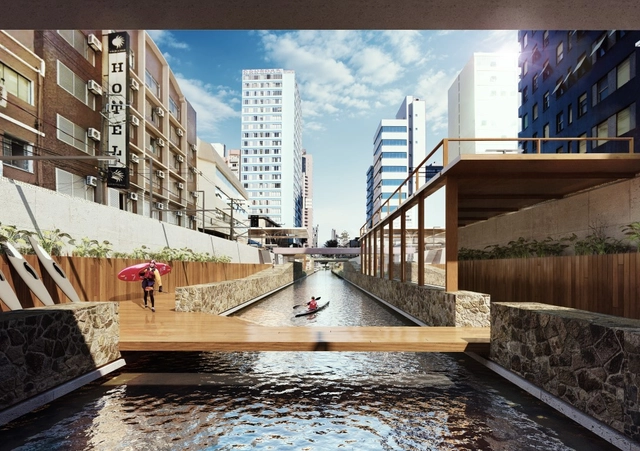
And now the Architectural Office in Curitiba Solo Arquitetos suggests that Curitiba join the movement, reopening channeled stretches of the Belem and Ivo rivers, in the center of the city. The project was envisioned for the 2017 Architecture Exhibition for Curitiba, which brings together various proposals to rethink the city.