How can we foster data-driven discussions during elections and ensure urban mobility indicators are integrated into planning agendas to be implemented once elected officials take office? With this question in mind, the team at the Institute for Transportation and Development Policy (ITDP Brasil), in partnership with Purpose Climate Lab, has been working to influence campaigns in the cities of São Paulo, Rio de Janeiro, and Recife.
The strategy is to foster collaboration among local organizations and social movements active in mobility and sustainability agendas. Equipped with indicators compiled and made available on the MobiliDADOS platform, these organizations gain critical resources to influence the electoral debate. The tool presents illustrated, contextualized data on transportation realities across various cities and metropolitan areas, offering the necessary insights to challenge proposals from executive and legislative candidates.
https://www.archdaily.com/1114335/mobilidados-urban-mobility-policies-in-the-2018-electionsITDP Brasil
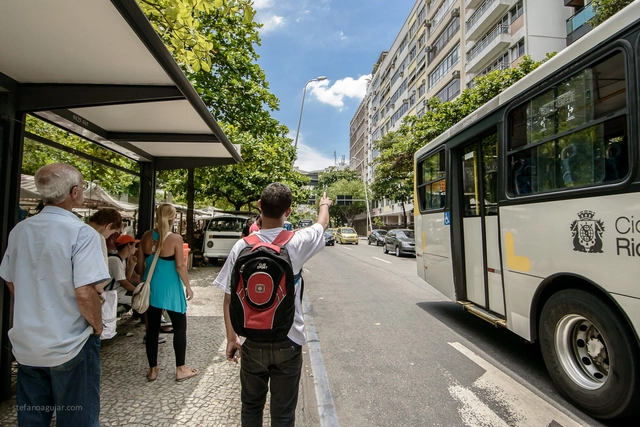
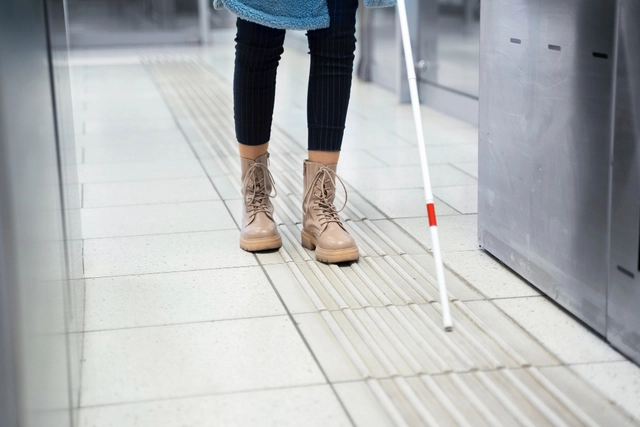
Although people with disabilities represent nearly 15% of the global population, and more than half of them live in urban areas, our cities rarely meet their needs. Most are designed from the perspective of non-disabled people traveling by private transport (such as cars and motorcycles), rather than those who walk, cycle, or use public transportation.
https://www.archdaily.com/1078840/how-to-ensure-access-to-the-city-for-people-with-disabilitiesITDP Brasil
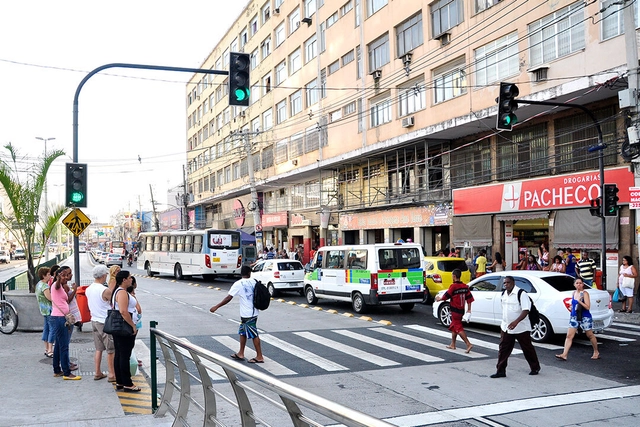
On the 6th, Rio de Janeiro Mayor Eduardo Paes requested CET-Rio, the municipal traffic management agency in the capital, to adjust the speed limits along the waterfront roads. This measure is of paramount importance given that, according to City Hall, more than 600 people lost their lives in traffic crashes in Rio last year, with over 60% resulting from pedestrians being struck by vehicles.
https://www.archdaily.com/1136075/understand-why-rio-de-janeiro-needs-safer-streetsITDP Brasil
Discouraging the use of private cars is a crucial step in addressing climate change, improving air quality, and reducing traffic collisions. Cities must find ways to curb traffic and prioritize human well-being, while also considering the environmental and social impacts of automobile use by offering transportation options that generate lower carbon emissions.
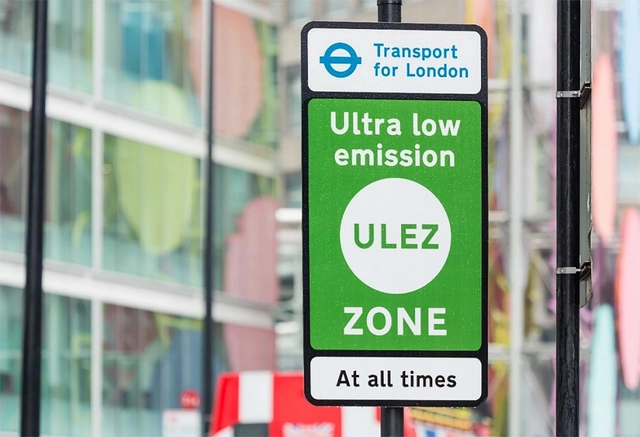
Recently, low-emission zones (LEZs) have become a popular strategy in several cities worldwide. The measures implemented in these areas effectively reduce car dependency by offering cleaner, more affordable, and accessible transportation alternatives.
https://www.archdaily.com/1136277/what-is-a-low-emission-zoneITDP Brasil
More than one billion babies and children live in urban environments. However, the way cities are planned fails to consider their needs, or those of the people responsible for their care. To support decision-makers, urban planners, and transportation professionals in improving access to urban opportunities for thousands of Brazilian children, ITDP Brasil has launched Access for Babies, Toddlers, and Caregivers, developed in partnership with the Bernard van Leer Foundation.
https://www.archdaily.com/1136398/are-our-cities-meeting-the-demands-of-babies-and-childrenITDP Brasil
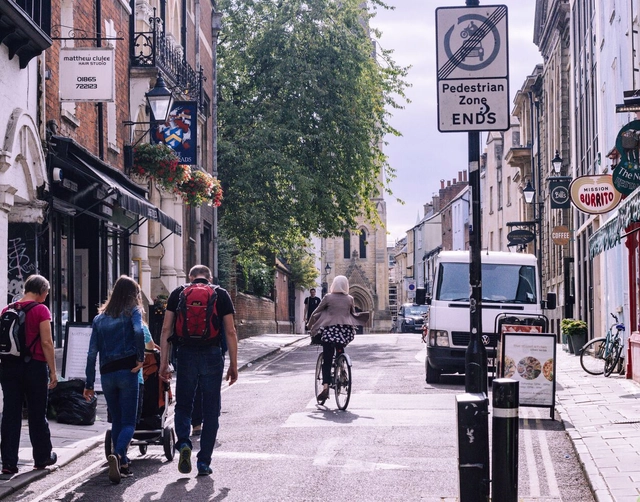
Oxford plans to transform its entire city center into a Zero Emission Zone. Photo by Suad Kamardeen, via Unsplash
The need to reduce greenhouse gas (GHG) emissions in the transportation sector is urgent, and implementing measures to this end represents both a challenge and an opportunity for local governments. This is the case with Zero-Emission Areas (ZEAs), urban sectors where pollutant emissions are neutralized. This measure primarily benefits those who will enjoy healthier urban spaces and more vibrant commercial activities. However, ensuring its success—or at least mitigating public backlash—requires deep social engagement and effective communication with the population.
https://www.archdaily.com/1136419/everything-you-need-to-know-about-zero-emission-zonesITDP Brasil
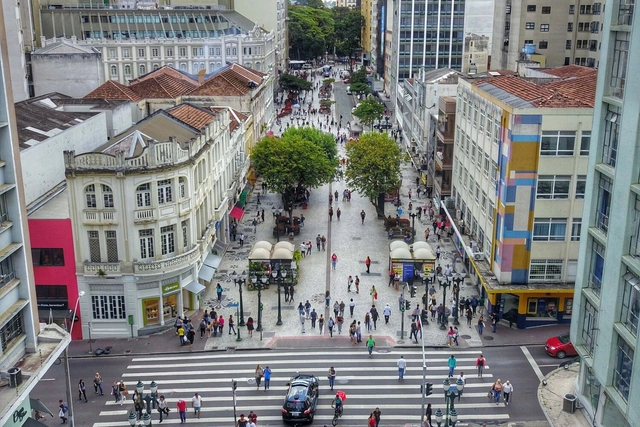
XV de Novembro Street in Curitiba, Brazil, became a social gathering point after being closed to cars in 1972. Via: CBN Curitiba
The urgent need to reduce greenhouse gas (GHG) emissions in the transportation sector presents both a challenge and an opportunity for local governments. This is particularly true for Zero Emission Areas (ZEAs)—urban zones where pollutant emissions are neutralized. This measure primarily benefits citizens, who enjoy healthier urban spaces and more vibrant commercial activity. However, ensuring success—or at least mitigating public backlash—requires deep social engagement and effective communication with the population.
https://www.archdaily.com/1132084/what-are-zero-emission-zonesITDP Brasil
Various studies have indicated that, to prevent temperatures from rising more than 1.5°C, there must be a major drop in greenhouse gas (GHG) emissions. To achieve this, it is necessary to developcompact cities designed for pedestrians, cyclists, and transit users, as well as rapidly and strategically adopting electric vehicles, with a focus on public transportation.
https://www.archdaily.com/1132312/compact-and-electrified-cities-to-curb-climate-changeITDP Brasil
The lack of a consistent or coherent parking policy creates car-dominated environments that harm everyone. Image: Rodrigo Capote/WRI Brasil
In recent years, several extreme weather events around the world have devastated cities, including those in Brazil. In 2022, heavy rains battered the mountainous region of Rio de Janeiro, especially the city of Petrópolis, which recorded 250 landslides in a single day.
A similar situation occurred in Pernambuco, where above-average rainfall triggered landslides. In late 2021, in the state of Bahia, severe storms pushed at least 72 municipalities into a state of emergency. As in previous cases, these disasters caused casualties and left numerous families displaced. Globally, the situation is no different, even if the specific hazards vary.
https://www.archdaily.com/1132284/equity-on-the-streets-begins-with-parking-reformITDP Brasil
Approximately half of the children and young people between five and 14 years old killed in traffic worldwide are pedestrians, and nearly one-third are passengers in motorized vehicles. In Brazil, traffic is the leading cause of unnatural death for children in this age group. According to data from the Brazilian Association of Traffic Medicine, between January and August 2021 alone, the Unified Health System (SUS) recorded more than 6,000 children and youth hospitalized in serious condition due to being struck by vehicles in the country.
Reversing this scenario requires making our streets safer and more comfortable for walking, focusing primarily on the needs of children. A city that works for children is a more prosperous and pleasant city for its entire population.
Photo: Daniël Bleumink/Flickr. Courtesy of Caos Planejado
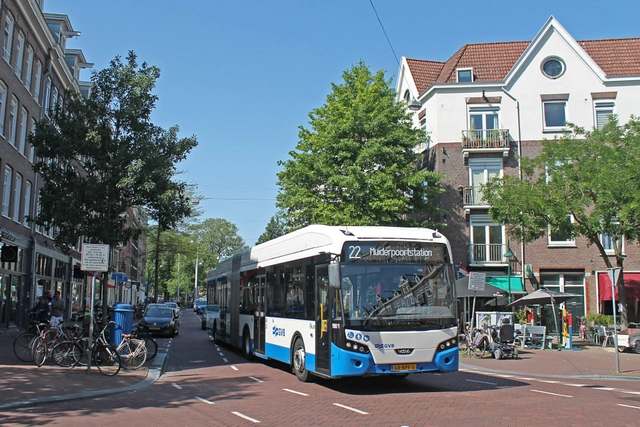
Over the last few decades, discussions on addressing climate challenges have unfolded even as we experience their effects. Although cars and motorcycles are the primary emitters of pollutants, buses also play a significant role in greenhouse gas emissions and the rise of illnesses related to air pollution. In this regard, adopting new technologies, such as electric buses and alternative fuels, is essential to reducing their impact on public health and the environment.
https://www.archdaily.com/1132188/electric-buses-can-make-our-cities-more-sustainableITDP Brasil
The choice to use private cars is understandable, extending far beyond the so-called "car culture." The convenience of point-to-point transit, flexible scheduling, and a sense of personal security justifies its use, especially where sustainable transportation networks do not adequately serve the entire population. But do drivers actually pay for the impacts they generate?
https://www.archdaily.com/1132385/understand-why-you-pay-for-cars-even-if-you-dont-use-themITDP Brasil
Parking lot in the city of Rio de Janeiro. Image: ITDP
Over the decades, the evolution of urban mobility has directly impacted not only the quality of travel but also the quality of life of everyone living in urban areas—especially those who are socioeconomically vulnerable. In the search for alternatives that can make travel more comfortable, safe, and efficient, managing automobile use combined with improving access to public transit, walking, and cycling is essential. But how does the supply of car parking spaces negatively affect mobility?
https://www.archdaily.com/1131990/how-parking-affects-urban-mobilityITDP Brasil
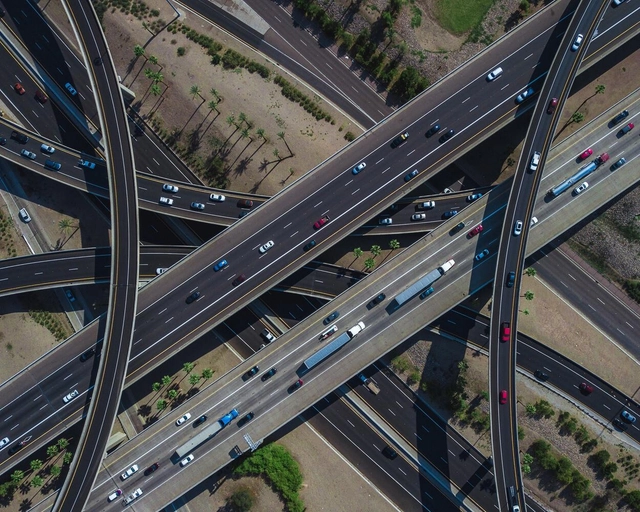
Expressways are limited-access highways in populated areas, designed to allow high-speed motorized traffic over long distances. Some run through city centers, while others encircle the urban core.
Once considered the pinnacle of transportation design in the 1950s, these projects are now as obsolete as floppy disks. Walking, cycling, and public transit are more sustainable, safe, healthy, efficient, and productive. To address this issue, the Institute for Transportation and Development Policy (ITDP) produced the infographic Expressways vs. Complete Streets, aimed at comparing both in terms of health, efficiency, housing, environmental quality, and quality of life.
https://www.archdaily.com/1127696/leaving-the-expressways-behindITDP Brasil
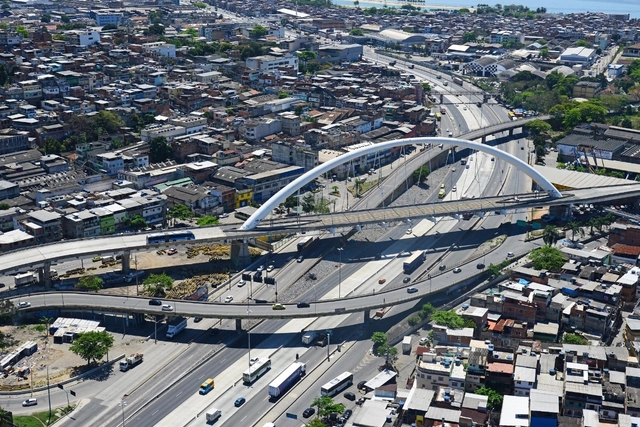
Under construction since 2014 and scheduled for completion in 2022, the TransBrasil BRT has the potential to become one of the highest-capacity BRT corridors in the world. The corridor could redefine the land use and occupation of Avenida Brasil, one of Rio de Janeiro's main thoroughfares, which last year led the ranking of traffic collisions involving casualties. The avenue cuts through and divides several predominantly low-income neighborhoods, segregating them and hindering access between both sides of the roadway. Completing the TransBrasil corridor is an opportunity for the urban restructuring of these neighborhoods and the improvement of public spaces for residents, workers, and visitors in the region.
https://www.archdaily.com/1128520/black-population-would-benefit-the-most-from-the-transbrasil-brt-in-rio-de-janeiroITDP Brasil
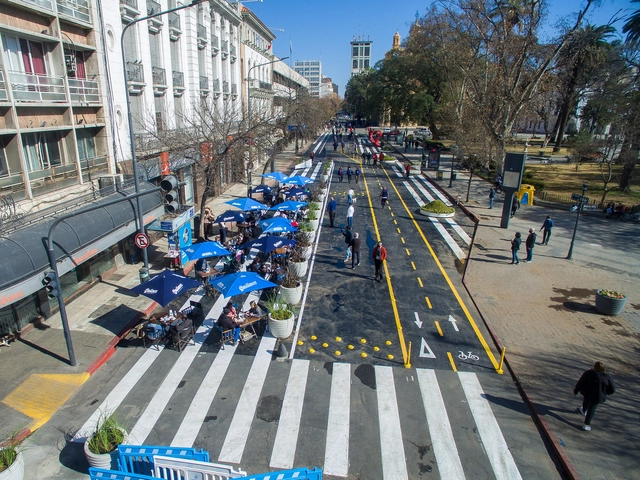
Redistribution of street space as a response to Covid-19 in Córdoba, Argentina. New areas were created for cyclists, pedestrians, and patrons of bars and restaurants. Photo: Municipalidad de Córdoba
As the venues of social life, public spaces are key elements of individual and collective well-being. They comprise a network of open areas such as streets, plazas, and parks, as well as sheltered spaces like public libraries and museums. This network serves multiple roles in cities, including recreation, social interaction, environmental conservation, circulation, and economic exchange. Despite their vital role in urban life, public spaces in Brazilian cities are, as a rule, poorly maintained, featuring insufficient lighting, broken sidewalks, and deteriorated street furniture—conditions that actively discourage use and result in social and economic losses that are commonly underestimated by both public authorities and the population itself.
In high school math, we learn that average speed is calculated as the ratio of distance traveled to time elapsed. For decades, the thinking behind transportation policies was anchored in this equation: it was believed that the goal was to increase system efficiency, which simply required reducing travel times by increasing average speed. Consequently, the distance variable was deemed less important, since building unimpeded transit systems—such as subway lines, BRT corridors, or expressways—could maintain or reduce travel times over increasingly longer distances.
https://www.archdaily.com/1123867/what-is-accessibility-in-mobility-and-urban-transportationITDP Brasil
Closed playground in Vancouver, Canada. Photo: Rod Raglin / Creative Commons / Flickr
At the time of writing, it is still difficult to envision the post-pandemic world of COVID-19, which spread across the globe in just three months after the first cases were detected in Wuhan, China, in December 2019. Dystopian scenarios of human and economic devastation managed by totalitarian regimes still run parallel to visions of societies successfully returning to the streets with more sustainable and secure patterns for their habits, modes of production, consumption, and social organization. Regardless, there is a lingering sense that the world will never be the same and that we will have to reorganize a significant portion of our collective and individual lives. The global suspension of activities triggered by COVID-19 could point to solutions—not only for the pandemic but also for other pressing crises that have been knocking on our door for some time, notably climate change and persistent, brutal social inequality.
https://www.archdaily.com/1124181/mobility-and-the-pandemic-what-can-we-expect-for-the-future-of-life-in-citiesITDP Brasil





.jpg?1607603966 "Unit of the Centro Aberto (Open Downtown) Program implemented in Largo de São Francisco, downtown São Paulo. Photo: SP Urbanismo")
.jpg?1607603889 "Scenic lighting of historic buildings shapes the public space in downtown Mexico City. Photo: Danielle Hoppe / ITDP Brasil")
.jpg?1607603882 "In Fortaleza, since 2018 all revenue from paid on-street parking has been directed toward cycling infrastructure policies. Photo: ITDP HQ")

.jpg?1593640188&format=webp&width=640&height=580)
.jpg?1593640151 "BRT corridor in Guangzhou, China. Public transit priority measures can increase accessibility in cities. Image © Thiago Benicchio")
.jpg?1593640230 "The city of Amsterdam (Netherlands) has a good population density, a robust public transit network, mixed land use, and a good distribution of opportunities. Image © Thiago Benicchio")
.jpg?1593640172 "São Paulo (Brazil), a sprawling city with long travel distances and low accessibility rates. Image © Thiago Benicchio")
.jpg?1593640210 "Bicycle boulevard in Amsterdam (Netherlands). Cities with high accessibility rates ensure proximity between origins and destinations, facilitating active transportation options like cycling and walking. Image © Thiago Benicchio")
.jpg?1593640188)
