ITDP Brasil

BROWSE ALL FROM THIS AUTHOR HERE

Paulista Aberta: The Impacts on Visitors and Residents After Four Years of the Program

Subscriber Access | 

For the past four years, Avenida Paulista has come alive with color, dance, music, and a vibrant flow of pedestrians and cyclists on Sundays and holidays. This is the result of mobilization by civil society organizations and the public, which in 2015 led the São Paulo Municipal Government to establish the Paulista Aberta Program as part of the city's Ruas Abertas (Open Streets) initiative. Since then, one of the state capital's busiest avenues has served as a stage for economic, cultural, and leisure activities, while providing a vast, free space for physical exercise.

Tactical urbanism: paint, cones, and the transformation of cities

Subscriber Access | 

In September of this year, the streets surrounding the Anne Frank School in the Confisco neighborhood of Belo Horizonte received new ground markings, featuring pedestrian crosswalks and lane boundaries to organize vehicle circulation. In addition, planters made from recycled tires, traffic cones, and street furniture for resting were installed. The following weekend, from September 20 to 22, coinciding with World Car-Free Day, motorized traffic was temporarily closed, transforming the space into an Open Street with concerts, cultural activities, and gathering spaces for local residents. The following month, in October, students aged 8 to 10 from the Anne Frank School participated in a workshop to assemble traffic signs, writing messages that would become part of the neighborhood's official street signage.

Mobility and the pandemic: what can we expect for the future of life in cities?

Subscriber Access | 

At the time of writing, it is still difficult to envision the post-pandemic world of COVID-19, which spread across the globe in just three months after the first cases were detected in Wuhan, China, in December 2019. Dystopian scenarios of human and economic devastation managed by totalitarian regimes still run parallel to visions of societies successfully returning to the streets with more sustainable and secure patterns for their habits, modes of production, consumption, and social organization. Regardless, there is a lingering sense that the world will never be the same and that we will have to reorganize a significant portion of our collective and individual lives. The global suspension of activities triggered by COVID-19 could point to solutions—not only for the pandemic but also for other pressing crises that have been knocking on our door for some time, notably climate change and persistent, brutal social inequality.

Women and urban mobility: indicators for the formulation of gender-sensitive urban policies

Subscriber Access | 

Numerous studies have examined the relationship between gender and urban mobility, concluding that women face greater challenges in exercising their right to the city and accessing urban opportunities. The unequal division of domestic labor places a heavier burden on women, who shoulder tasks such as school drop-offs and pick-ups, caring for elderly or sick relatives, and grocery shopping. Consequently, this largely shapes a travel pattern characterized by trip-chaining—making multiple, sequential stops—and relying heavily on walking and public transit.

Women and urban mobility: indicators for the formulation of gender-sensitive urban policies - 7 的图像 4

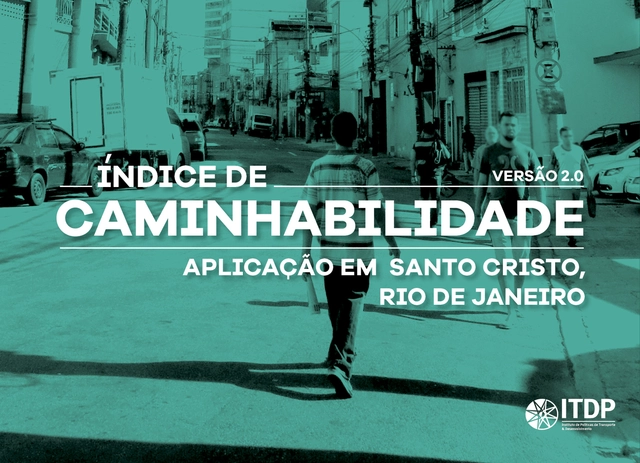
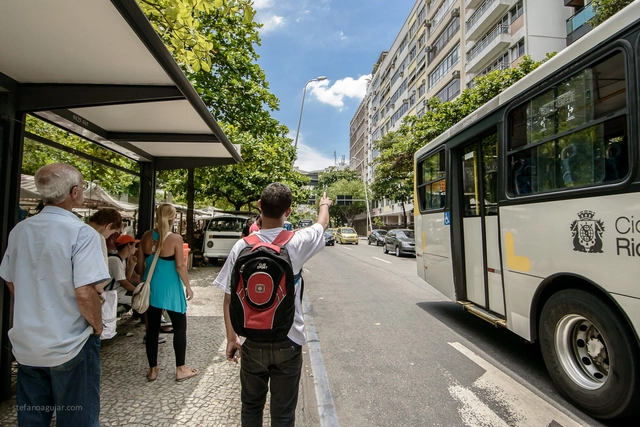
Walkable Cities: How to Enhance the Urban Attributes That Affect Pedestrians at the Neighborhood Scale

Subscriber Access | 

Walking is the most common form of transportation in the world and a basic human right. It connects us directly with our surroundings, does not pollute the city, and offers numerous health benefits, such as reducing chronic diseases, obesity, and diabetes. This is the message that the ITDP and Streetfilms convey in the film The Right to Walk, released this year.

If walking is so beneficial, why is it so difficult to do in urban environments? Rapid urban growth and car-centric planning have increasingly restricted space and respect for pedestrians. Every year, 1.3 million people are killed in traffic, half of whom are pedestrians, cyclists, or motorcyclists. Furthermore, traffic accidents result in 20 to 50 million hospitalizations annually, making them the leading cause of physical disability worldwide. More than 90% of traffic fatalities occur in low- and middle-income countries like Brazil, which has the highest number of traffic deaths per capita in South America.

Walkable Cities: How to Enhance the Urban Attributes That Affect Pedestrians at the Neighborhood Scale - Image 3 of 4

MobiliDADOS: Urban Mobility Policies in the 2018 Elections

Subscriber Access | 

How can we foster data-driven discussions during elections and ensure urban mobility indicators are integrated into planning agendas to be implemented once elected officials take office? With this question in mind, the team at the Institute for Transportation and Development Policy (ITDP Brasil), in partnership with Purpose Climate Lab, has been working to influence campaigns in the cities of São Paulo, Rio de Janeiro, and Recife.

The strategy is to foster collaboration among local organizations and social movements active in mobility and sustainability agendas. Equipped with indicators compiled and made available on the MobiliDADOS platform, these organizations gain critical resources to influence the electoral debate. The tool presents illustrated, contextualized data on transportation realities across various cities and metropolitan areas, offering the necessary insights to challenge proposals from executive and legislative candidates.

MobiliDADOS: Urban Mobility Policies in the 2018 Elections - Imagen 1 de 4