

Fernanda Escárcega

BROWSE ALL FROM THIS AUTHOR HERE

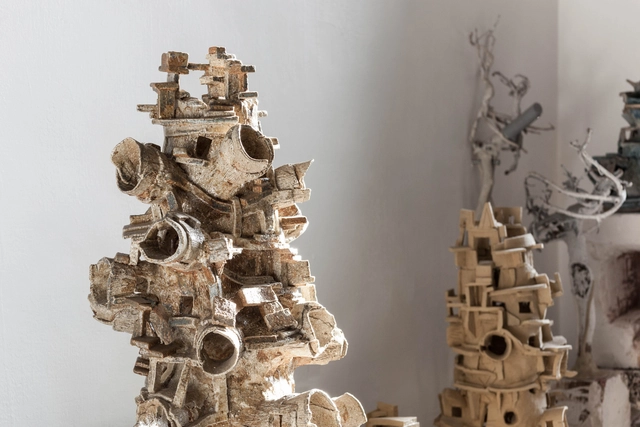
Discover Ivan Kurov's sculptures that explore the nature and transformation of space

Subscriber Access | 

Discover Ivan Kurov's sculptures that explore the nature and transformation of space - Image 1 of 4Discover Ivan Kurov's sculptures that explore the nature and transformation of space - Image 2 of 4Discover Ivan Kurov's sculptures that explore the nature and transformation of space - Image 3 of 4Discover Ivan Kurov's sculptures that explore the nature and transformation of space - Image 4 of 4Discover Ivan Kurov's sculptures that explore the nature and transformation of space - More Images+ 13

Through sculpture and drawing, Ivan Kurov (Mexico City, 1982) explores nature and transformation in their broadest definitions. While the former allows him to study the chemical properties of materials and the physics of objects, his paintings frame the confrontation between the organic landscape and the intervention of human architecture. For Kurov, art in its fullest sense is achieved outside of discursive intention, occurring when the hand works the material without the mediation of a concept. Consequently, his pieces emerge from the autonomy of processes and from matter in the freedom of its essence. The result is spontaneous and fluid, much like the artist's own conversation.
Can architecture improve economic conditions? Ten years after Alejandro Aravena in Mexico

Subscriber Access | 

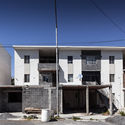
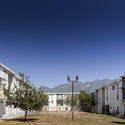
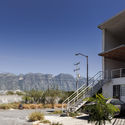
Can architecture improve economic conditions? Ten years after Alejandro Aravena in Mexico - Image 1 of 4Can architecture improve economic conditions? Ten years after Alejandro Aravena in Mexico - Image 2 of 4Can architecture improve economic conditions? Ten years after Alejandro Aravena in Mexico - Image 3 of 4Can architecture improve economic conditions? Ten years after Alejandro Aravena in Mexico - Image 4 of 4Can architecture improve economic conditions? Ten years after Alejandro Aravena in Mexico - More Images+ 16

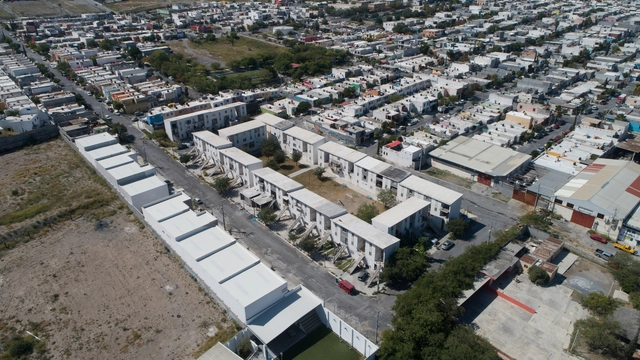
“Where the city ends should not be the question,” Alejandro Aravena has repeatedly stated in various lectures, “where it begins is the question we should try to understand.” In many Latin American countries, the concentration of wealth in urban environments has led to the explosion of cities and “metropolitan areas,” giving rise to complex challenges. 

Servidor Local: A New Platform Emerges in Mexico City

Subscriber Access | 
Servidor Local: A New Platform Emerges in Mexico City - Featured Image
© Zaickz Moz

Servidor Local: A New Platform Emerges in Mexico City - Imagen 1 de 4Servidor Local: A New Platform Emerges in Mexico City - Imagen 2 de 4Servidor Local: A New Platform Emerges in Mexico City - Imagen 3 de 4Servidor Local: A New Platform Emerges in Mexico City - Imagen 4 de 4Servidor Local: A New Platform Emerges in Mexico City - More Images+ 8

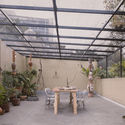
Servidor Local is a connection point, a forum where dialogue takes place; it is, in essence, a sanctuary for ideas, diversity, and exchange. As a platform, it drives cultural, art, and design projects that champion narratives with a social impact, aiming to benefit the immediate environment and spread along the paths of its visitors.

Photographer Documents “Non-Social Interest” Housing in Mexico City’s Peripheries

Photographer Documents “Non-Social Interest” Housing in Mexico City’s Peripheries - Image 5 of 4
© Zaicks Moz

Photographer Documents “Non-Social Interest” Housing in Mexico City’s Peripheries - Image 1 of 4Photographer Documents “Non-Social Interest” Housing in Mexico City’s Peripheries - Image 2 of 4Photographer Documents “Non-Social Interest” Housing in Mexico City’s Peripheries - Image 3 of 4Photographer Documents “Non-Social Interest” Housing in Mexico City’s Peripheries - Image 4 of 4Photographer Documents “Non-Social Interest” Housing in Mexico City’s Peripheries - More Images+ 7

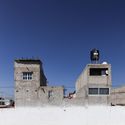
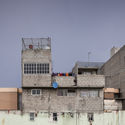
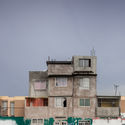
In 2005, as a way to increase its competitiveness, the government of the state that borders Mexico City – named Estado de México– launched a program called “Bicentenary Cities,” a nod to the 200th anniversary of the Mexican Independence.  This program proposed careful land-use planning and the creation of a state structure for key population centers selected based on location, capacity for population increase, potential to host infrastructure and strategic equipment, and the possibility to create adequate communication lines to enable regional, statewide and national integration.