As a tribute to Mexico's rich and diverse chromatic palette, the Museo del Objeto del Objeto (MODO) presents its new temporary exhibition: “Mexico in Color,” curated by Ana Elena Mallet and Mariano Marroquín. The exhibition offers a cultural review of color perception in Mexico and its impact on art and design. One of the first experiences visitors will encounter is the conceptualization of color in folk art to forge identity. Subsequently, this element is adopted as a defining feature in the arts and, ultimately, as a driving force for the country's modernization.
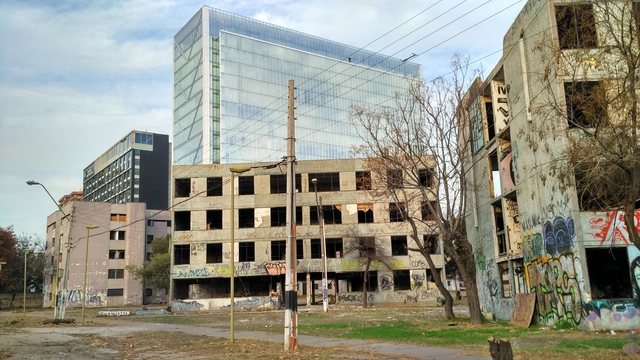
The 12th São Paulo International Architecture Biennial, on view at the Centro Cultural São Paulo until December 8, includes in its program the screening of two documentaries and a performance that reveal the struggle for housing in São Paulo, focusing particularly on the history and tragic fate of the Wilton Paes de Almeida Building, which collapsed after a fire on May 1, 2018.
Starting tomorrow, April 8, the London city government will implement strict emission rules for pollutants and particulate matter in the central area of the city. The goal is to reduce air pollution levels. According to London Mayor Sadiq Khan, the measure could help reduce the incidence of lung disease and premature deaths related to air pollution. Official estimates suggest that around 9,000 people die annually in the city from pollution-related illnesses.
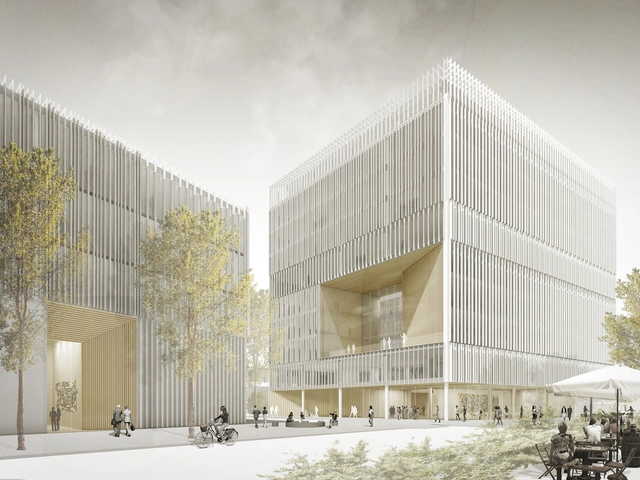
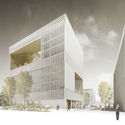
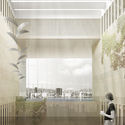
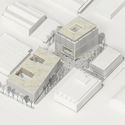
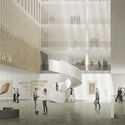
On September 12, the winners of the international urban planning and architectural design competition organized by the Slovenian company Dimnikcobau to design one of the largest business parks in Ljubljana, Slovenia, were announced. Of the eight firms invited to participate, the winning project selected was by BAX studio, a Barcelona-based firm led by Boris Bezan and Mónica Juvera.
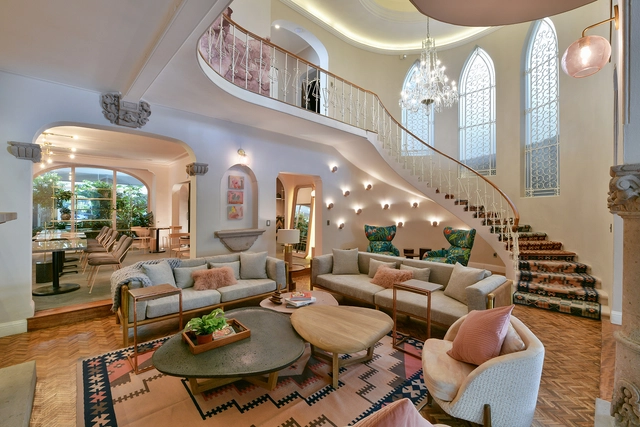
Residencia WW is a project in Mexico born from the idea of fostering community among women. Located in a 1920s house at 102 Edgar Allan Poe Street in Polanco, Mexico City, the space functions as a social and business club designed to build and support this community's growth.
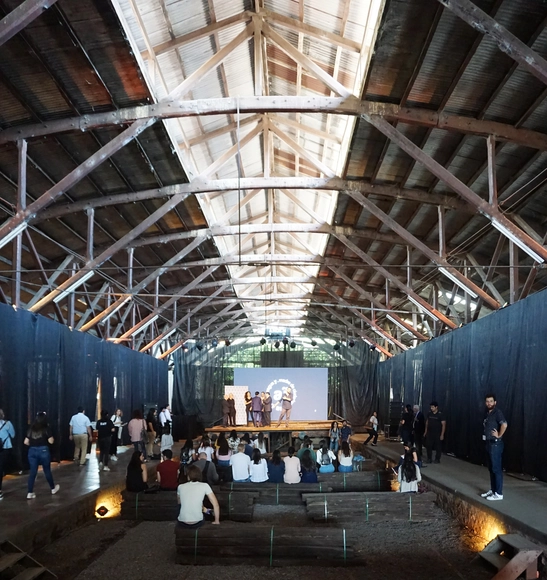
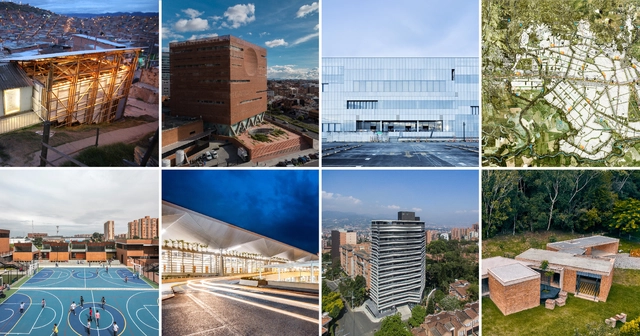
Today marks the opening of the XI BIAU in Asunción, Paraguay, along with the presentation of the 17 winners of the Panorama Obras Award—a recognition that explores architecture and urbanism projects built in Ibero-America.
ALCUADRADO Arquitectos + Habitar Colectivo won first place in the national public competition for the environmental, landscape, and urban design of the Cali River urban environmental corridor in Colombia. The competition aimed to explore how to integrate the city with the river, seeking to coordinate the main and complementary ecological structures through the integration of pre-existing elements. Read on to discover the winning project in the words of its designers.
Almost exactly one year after being declared a historic monument, the historic Villa San Luis in Santiago, Chile, is back in the public eye. According to digital news outlet El Mostrador, Chile's National Monuments Council (CMN) overturned the designation on June 26, authorizing the demolition of the two remaining blocks, which survived the progressive dismantling of the housing complex since the 1990s.
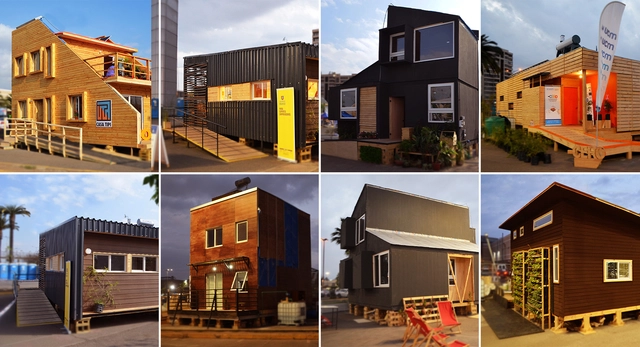
Las siete viviendas participantes de Construye Solar 2019. Image Cortesía de Construye Solar
A sustainable social housing unit featuring productive and commercial spaces is the winner of the third edition of the Chilean competition Construye Solar. The project, known as Casa Mercado, was developed by a team of students from Universidad Mayor.
https://www.archdaily.com/1121119/mercado-house-winner-of-construye-solar-2019ArchDaily Team
The XI Ibero-American Biennial of Architecture and Urbanism (XI BIAU) recently announced the 210 projects selected for its upcoming edition, which will be held for the first time in Asunción this October.
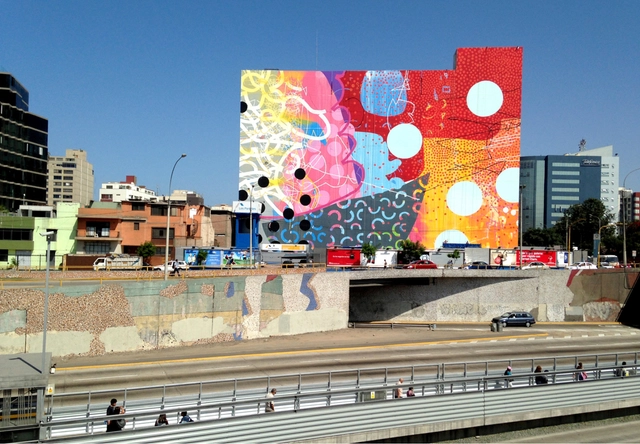
Blind walls that speak: a highly impactful intervention is underway, notable for its history, scale, and relevance.
The Paseo de la República Vía Expresa was inaugurated in 1967, more than 50 years ago. Coincidentally, its route aligns with one of the main branches of the Qhapaq Ñan (Inca Trail) that once crossed the Rímac Valley. As one of Lima's most vital thoroughfares, it spans 66 blocks, cutting through the city from north to south across the districts of Lima Centro, Lince, La Victoria, San Isidro, Surquillo, Miraflores, and Barranco. It is popularly known as the zanjón ("the ditch") because of its sunken, multi-lane design. While critics initially argued that low traffic volumes did not justify its construction, today the highway is heavily congested. In addition to hosting the Metropolitano bus rapid transit system along its entire length, bumper-to-bumper traffic jams are a daily reality during rush hour.
Today, the zanjón has a distinctly gray appearance, serving as a prominent showcase of concrete in Lima. Although it was once a canvas for mosaic murals—some fragments of which survive to this day—the walls now appear neglected amid spontaneous graffiti. Notable artists such as Fernando de Szyszlo, José Carlos Ramos, Bárbara Kukier, and Enrique Bustamante participated in these original mosaic murals along the Vía Expresa. During the 1980s, the mayor of Lima at the time, Eduardo Orrego, supported the creation of the "world's largest mural," which was intended to span Paseo de la República from Plaza Grau to the exit in Barranco. Although ambitious for its time, the project was left unfinished and remains pending.
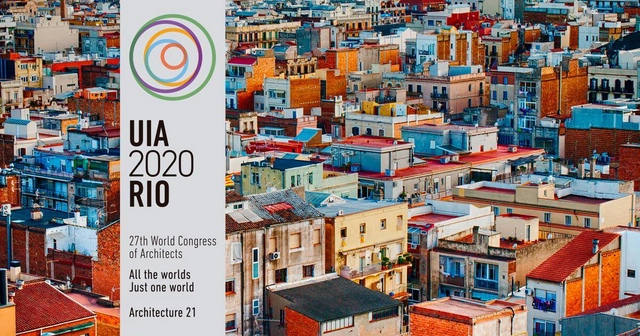
Architecture and Urbanism students and faculty from across the country will have a unique opportunity to present their work to professionals from around the world during the 27th World Congress of Architects, UIA2020RIO, which takes place in Rio de Janeiro from July 19 to 23 next year. This opportunity is part of the National Exhibition and Award “All the worlds. Just one world. Architecture 21”, whose open call is now available.
The Rio de Janeiro Department of the Institute of Architects of Brazil (IAB-RJ) announced on December 14 the winners of the 56th Annual Awards and the 35th Architect of Tomorrow Award. The announcement took place at the Casa do Arquiteto Oscar Niemeyer, IAB-RJ's headquarters in Flamengo, accompanied by an exhibition of all competing entries. The jury unanimously decided to award the 2018 IAB/RJ Grand Prize to the Aruá Building, by FGMF Arquitetos.
Aiming to value the practice and intellectual production of architects and urban planners, as well as academic work produced in architecture courses, the 35th Architect of Tomorrow Award was open to recent graduates and students enrolled from the 5th semester onward. Interested students could submit proposals produced as mandatory coursework during the second academic semester of 2017 and the first academic semester of 2018, either individually or in teams, with up to one submission per category across the nine categories established by IAB-RJ. In the 2018 edition, nine categories were available: building architecture; cultural facility architecture; cultural heritage, restoration, and adaptive reuse; technology and innovation in architecture; theoretical production; urbanism and landscaping; social housing; and metropolitan impact.
Below is the list of winners and honorable mentions for both awards.
One of the greatest constraints in construction is the budget; great ideas and innovative proposals can easily hit financial barriers and remain there, never actually getting off the drawing board. To help architects, engineers, and builders better organize construction budgets, Antônio Fascio, an information systems graduate, founded OrçaFascio.
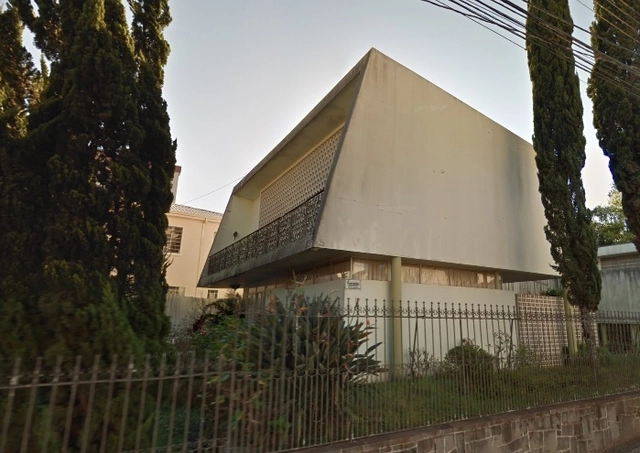
Facade of the Justos Family Residence, in Downtown Ponta Grossa, built in 1950 by Miguel Juliano. Photo: Google Maps/Reproduction
The Municipal Council of Cultural Heritage of Ponta Grossa has denied the heritage-listing request for two of the last preserved modernist houses in the city. The properties are the 1948 Correia de Sá Family Residence, designed by João Vilanova Artigas, and the 1950 Justus Family Residence, designed by Miguel Juliano, an architect from Goiás who gained national prominence for his public works.
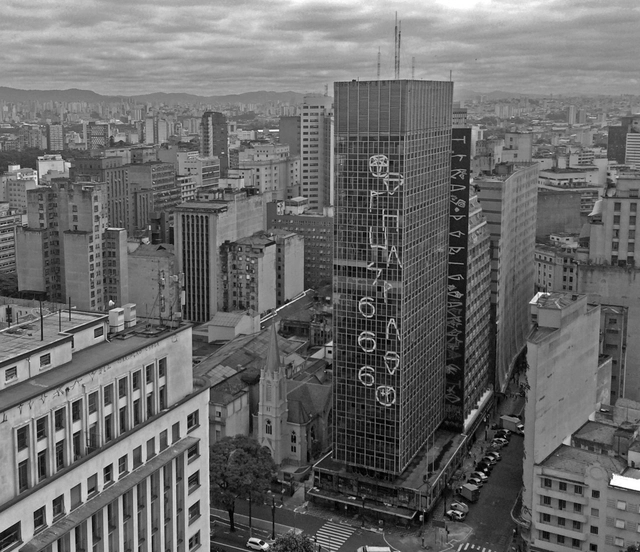
The subject of a fire that led to its collapse, the Wilson Paes de Almeida building, located in downtown São Paulo, is the focus of the documentary Pele de Vidro, directed by Denise Zmekhol, daughter of the architect responsible for the skyscraper's design, Roger Zmekhol.
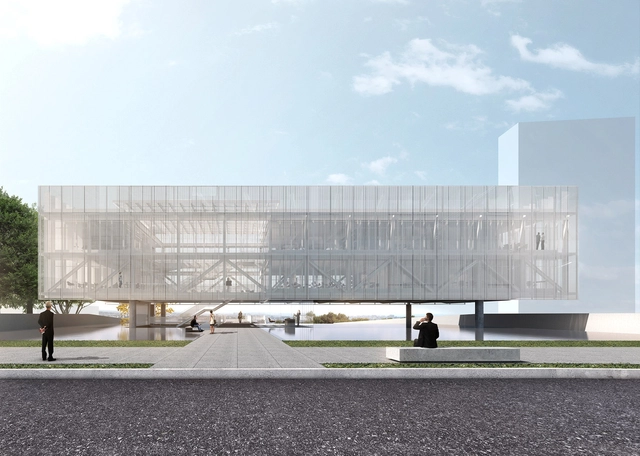
The Federal District government announced mid-last month plans to build the Bible Museum based on Oscar Niemeyer's 1987 sketches. Local architecture and urbanism organizations have expressed concern over the plans, which could significantly affect the preservation of the federal capital's Monumental Axis.
Estúdio Módulo de Arquitetura, a firm led by Marcus Vinicius Damon and Guilherme Bravin, has won the competition for the new headquarters of the Association of Engineers and Architects of Sorocaba (AEAS). Below, see the proposal along with the project description.












.jpg?1554402886)
_sel_-_destaque.jpg?1547123735&format=webp&width=640&height=580)