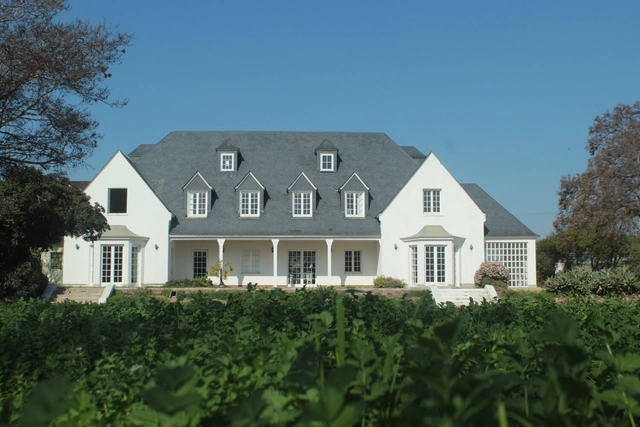
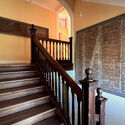
In 2016, in the commune of Limache in Chile's Valparaíso region, tunnels connecting to various parts of the city—including the CCU brewery—were discovered beneath a hatch in the gardens of the landmark Eastman Mansion. Prompted by uncertainty over why they were built, an investigation was launched, with the findings behind the project's origins finally revealed in 2021.
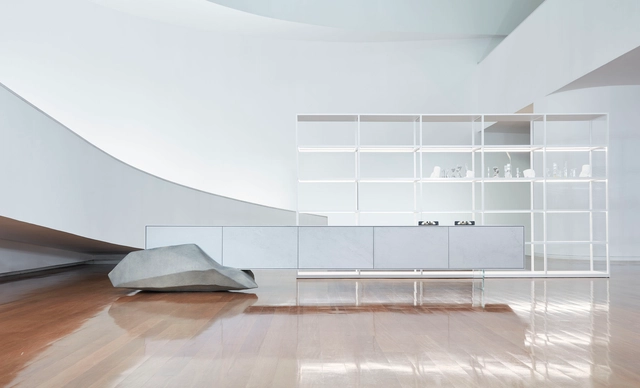
"Light and movement allow us to achieve anything that is recognized as beautiful." This quote by Álvaro Siza Vieira, the universally acclaimed Portuguese architect, captures his philosophy. His work guides the relationship between built space and its surroundings, creating true works of art that prioritize nature. In furniture design, the approach can be similar. The intervention can indulge in the status of art, redefining meaning and joining new dialogues as if framed in a museum setting.
Driven by this provocation, Dell Anno presents an approach for its 2022 campaign that further strengthens its DNA of connecting architecture, art, and fashion. Titled Singular Dell Anno, the campaign draws a parallel with the sublime work of the Portuguese architect, paying tribute to his legacy of simplicity and architectural sophistication, which earned him global recognition and made him a major architectural influence today.
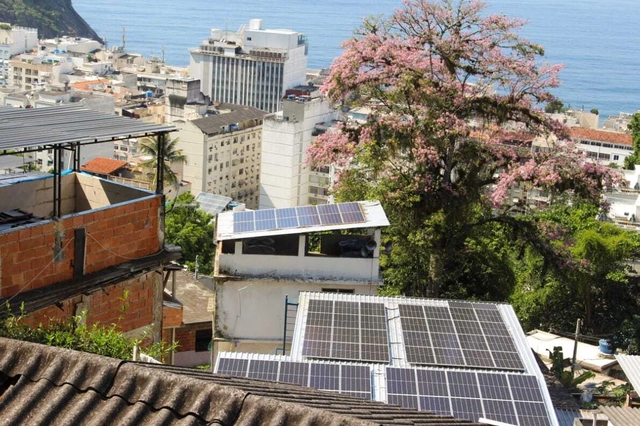
An initiative in the Rocinha community in Rio de Janeiro will provide professional training for residents in the solar energy market and install two photovoltaic plants in the community (at Acadêmicos da Rocinha and Igreja Batista), directly benefiting the NGOs Rocinha Recicla and Pedrinho Social through local energy generation.
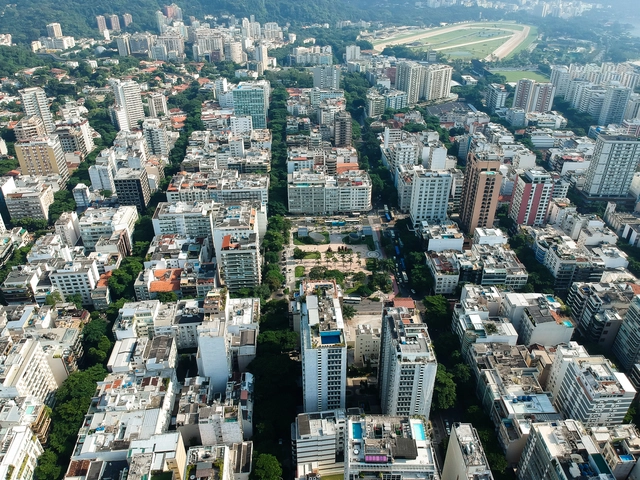
In an effort to improve air quality and the health of Rio's residents, the Rio de Janeiro City Hall is launching the Low Emission District. Measures to reduce greenhouse gas emissions will be implemented across an area of just over two square kilometers in the city center.
The district's implementation will be carried out in phases through 2030. The first phase, which is currently underway, consists of revitalizing 35,000 square meters of public space in the city center and monitoring air quality and GHG emissions. It is expected to be completed in 2024.
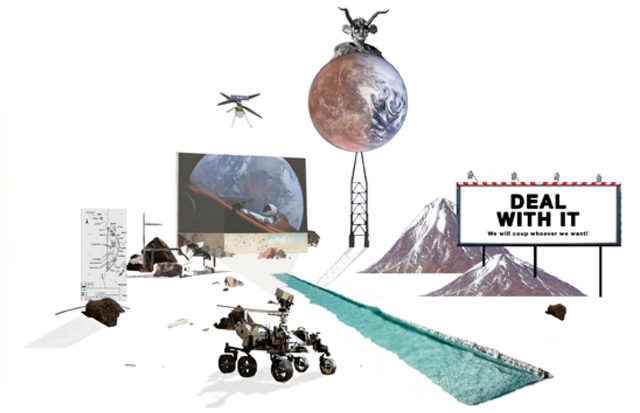
Residencias Remotas is an initiative created by the Architecture program of the Campus Creativo in conjunction with the Community Engagement department of the Universidad Andrés Bello. This interdisciplinary, transdisciplinary, and multidisciplinary project aims to open up a space for reflection on contemporary and pressing issues.
Primer Premio. Image Cortesía de Lesch Alfaro Arquitectos
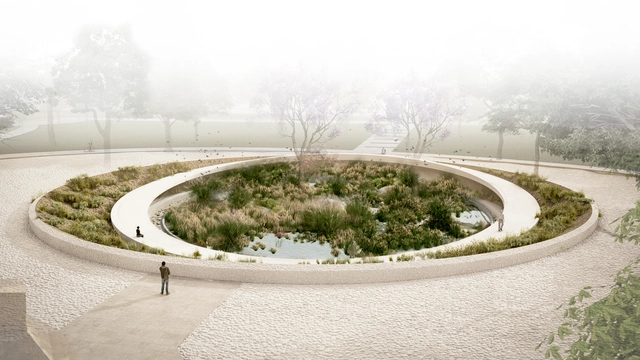
Organized by the Central Society of Architects (SCA) and sponsored by the Argentine Federation of Architectural Entities (FADEA), the Government of the Autonomous City of Buenos Aires (GCBA) commissioned a preliminary design for a “Memorial Space for Covid-19 Victims” to be located in the southeastern area of the City of Buenos Aires, specifically in Florentino Ameghino Park in the Parque Patricios neighborhood.
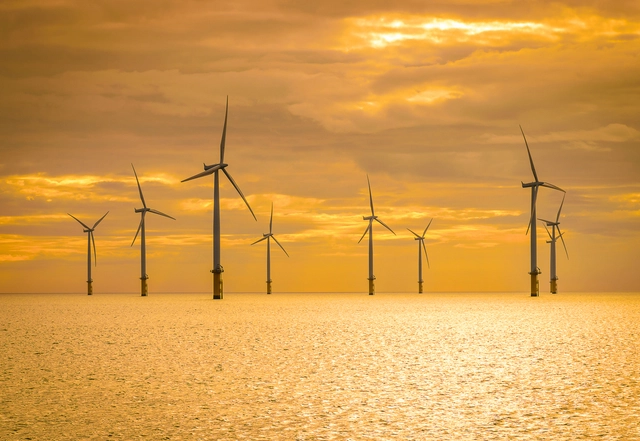
On Wednesday, August 17, the Senate Infrastructure Services Committee approved a bill establishing a regulatory framework for offshore energy generation—including wind, solar, or tidal—in Brazil's open seas, lagoons, and other bodies of water. The Bill (PL) 576/2021 regulates authorizations for harnessing offshore energy potential. Authored by Senator Jean Paul Prates (PT-RN), the bill was approved in a final vote by the committee and will now proceed to the Chamber of Deputies for review.
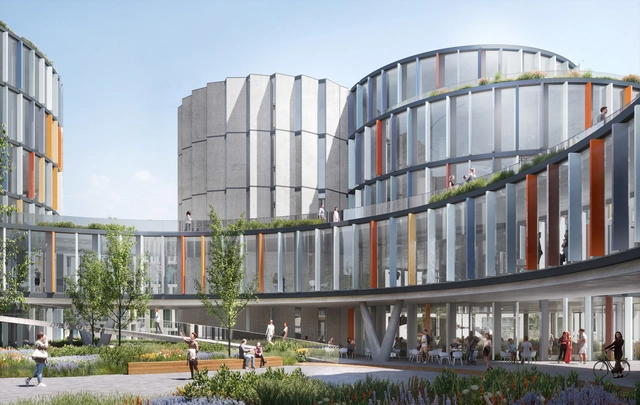
In the northern area of Greater Buenos Aires, Nordelta has been developing a new urban project across its 1,700 hectares for around 30 years. Initially conceived for low-density residential use, it now also includes medium- and high-density housing, educational, recreational, and service facilities, as well as production and supply hubs, among others. Area Beta is located in the southern part of Nordelta, designed to complement this mixed-use and service urban sector.
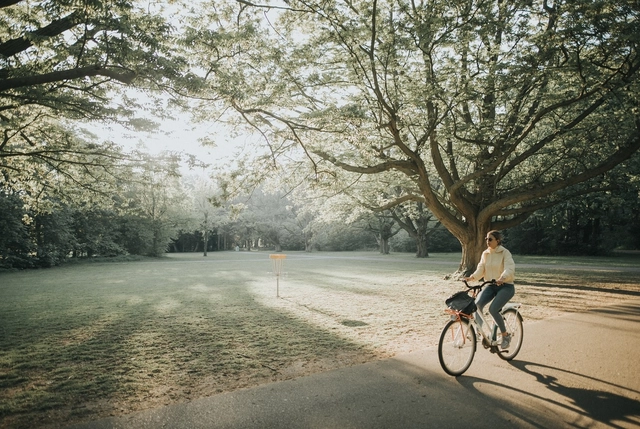
Those interested in purchasing low- or zero-emission transportation options can now access a new line of credit. This month, Banco do Brasil (BB) launched the BB Crédito Mobilidade line, which will finance items such as bicycles, kick scooters, electric or manual scooters, and motorcycles under 125cc, with repayment terms of up to five years.
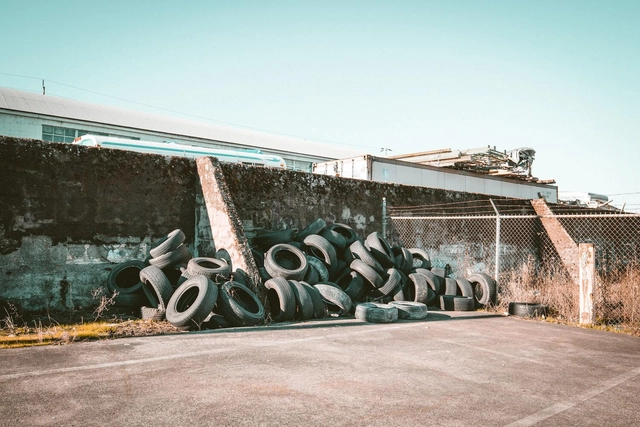
Rubber from discarded tires can replace 100% of conventional aggregates used in manufacturing concrete. This is what engineers at RMIT University in Melbourne, Australia, have discovered. The concrete made with the material meets building codes and promises to boost the circular economy.
This “greener concrete” uses rubber from discarded tires instead of gravel and crushed stone. According to the team that developed the material, the new concrete is lighter and promises to significantly reduce manufacturing and transportation costs.
Cortesía de Santiago Benzano, Mateo Salles, Franco Tomaduz y Juan Manuel Méndez
The Rifa Housing Competition is an annual call that invites successive generations of architecture students from the Universidad de la República to propose new ways of living. The goal is to build a home based on their own design strategies, optimizing resources and construction times. Reflecting on living, architecture, and the pedagogy of the discipline, the competition offers the opportunity to experience a design process that extends far beyond the classroom.
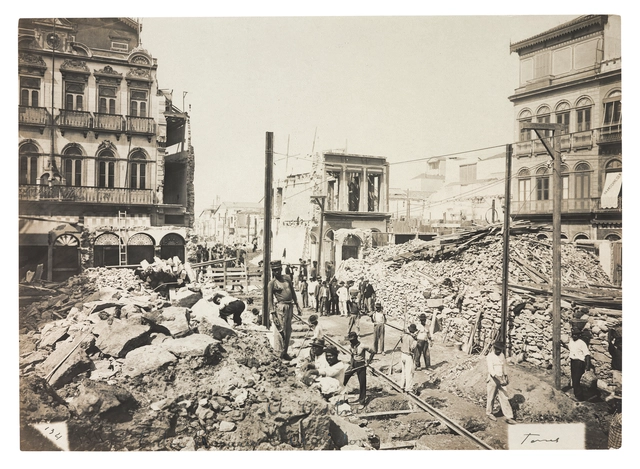
Demolitions between Rosário and Ouvidor streets, Central Avenue, now Rio Branco Avenue, Rio de Janeiro, 1904. Credit: João Martins Torres / Instituto Moreira Salles Collection
On September 13, IMS Paulista opens the exhibition Moderna pelo avesso: fotografia e cidade, Brasil, 1890-1930. With free admission, the exhibition features photography from some of the country's major capitals—Porto Alegre, São Paulo, Rio de Janeiro, Belo Horizonte, Recife, and Belém—during the First Brazilian Republic, from 1889 to 1930. The exhibition documents radical urban reforms that took place during this period, addressing the tensions and contradictions of these processes, which altered landscapes and the ways people lived in and moved through cities.
https://www.archdaily.com/1131846/exhibition-at-ims-paulista-explores-the-relationship-between-photography-and-the-city-in-the-early-decades-of-the-20th-centuryArchDaily Team
As part of the traveling exhibition and book series developed by Saint-Gobain, “El material de lo construido”, Catalan architect Josep Ferrando presented his exhibition "The Infinite Grid," inaugurating the Bisman Ediciones Architecture Gallery and Residency. The space is located in the “Casa de Estudios para Artistas”, one of Argentina's most iconic modern architecture buildings, designed by Antonio Bonet, Horacio Vera Barros, and Abel López Chas around 1938.
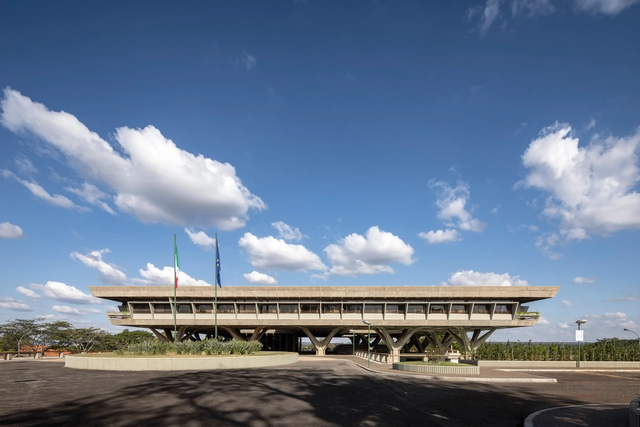
In 1972, the Italian Embassy left the historic mansion it had occupied since 1919 in Rio de Janeiro, at 154 Rua das Laranjeiras, and moved to the new capital, Brasília. Released on August 29, the book and photographic exhibition aim to offer a journey through the headquarters' photographic history, organizing and showcasing an important part of its historical memory to preserve it.
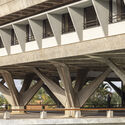
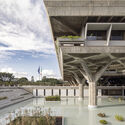
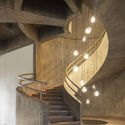
The history of the Embassy is the story of a construction within a construction. Alongside the building of a new city, a visionary and futuristic capital, the headquarters designed by the great engineer Pier Luigi Nervi was also built. A space for work and diplomatic representation, the building encapsulates the best of Italy's celebrated architectural and engineering traditions, fitting harmoniously into Brasília's urban planning and monumental style.
https://www.archdaily.com/1132089/embassy-of-italy-in-brasilia-launches-exhibition-and-free-online-book-on-pier-luigi-nervis-designArchDaily Team
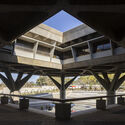
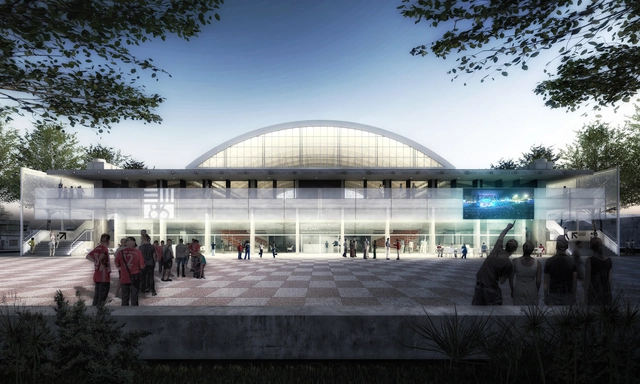
Organized by the Intendencia de Paysandú and sponsored by the Sociedad de Arquitectos del Uruguay, a preliminary design competition was launched for the renovation and general building refurbishment of the June 8 Indoor Stadium in the city of Paysandú, Uruguay.
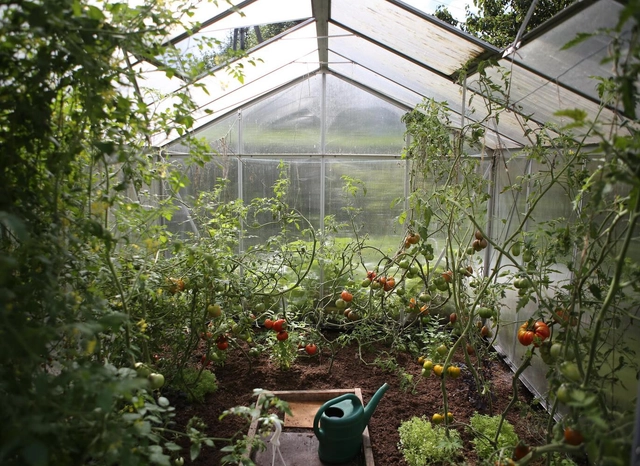
Rio de Janeiro will host the world's largest urban garden, according to the organizers of the Hortas Cariocas program. The municipal government-funded initiative aims to promote "food sovereignty, generating self-sufficiency through organic products, and creating gardens in municipal schools and communities across Rio."
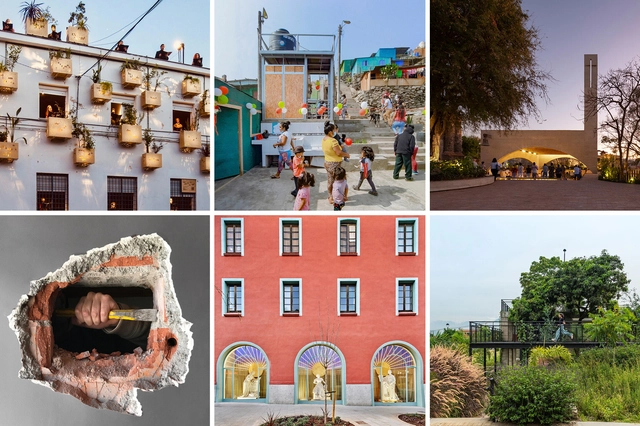
A total of 9 works and 20 projects were named winners in this edition of the BIAU, an event organized by the Government of Spain through the Ministry of Transport, Mobility, and Urban Agenda (MITMA) via the General Directorate of Urban Agenda and Architecture. The biennial will take place within the framework of the MEXTRÓPOLI Architecture and City Festival in Mexico City from September 21 to 25.
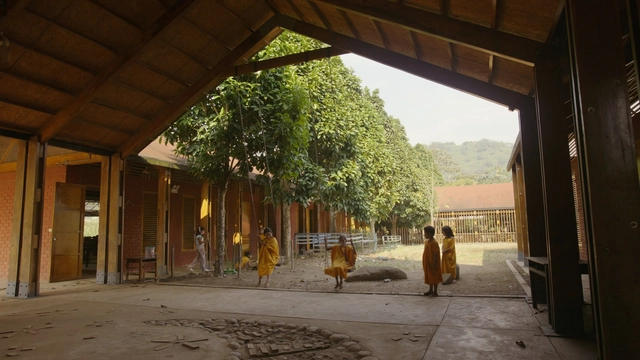
Building Visions is a new architecture series by Chilean director Diego Breit-Lira that, across four episodes, features architects Johannes Tovatt, Marta Maccaglia, Anupama Kundoo, and Florian Boer. What do they have in common? They seek answers to the major questions facing our civilization today: climate change, rapidly growing cities, education, resource consumption, local community participation, and networking.