1. ArchDaily
  2. Architecture News

Architecture News

Architecture and Politics: 1st PUCP Architecture Student Colloquium. Let's participate!

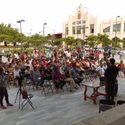
Most committed architecture students will agree that as the years of learning go by, a growing urge arises to speak up, express ourselves, and mobilize in different ways to bring the architecture we study in school to life. This spark is further ignited in a country where development is largely controlled by private interests rather than public ones, and where, above all, deep inequality persists amidst vast potential diversity. Outraged, our voices are increasingly being heard as citizens. We are stepping out of the classroom, seeking dialogue, marching more frequently, and carving out new paths to intervene in and transform our social reality. And we realize, or rather, we return to the natural understanding of our political role within architecture.
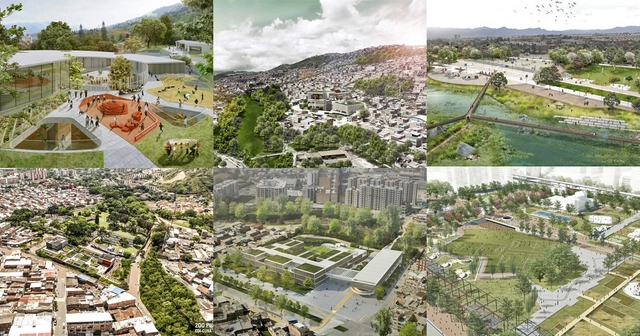
6 Award-Winning Architecture Competition Projects in Colombia You Should Know

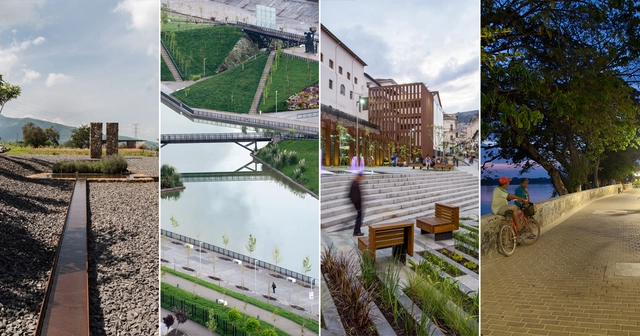
"Architectural competitions represent the combination of the art of choosing and the craft of being chosen," says Roberto Fernández about an area of our discipline that is widely recognized as an excellent platform for firms and independent professionals to present their ideas as true manifestos. Meanwhile, in academic circles, competitions often serve as tools for formal, conceptual, and graphic experimentation.

These types of commissions undoubtedly inspire not only architecture and urban planning professionals but also the public as a key player in their evaluation. Whether or not these proposals are built, they demonstrate that we must constantly champion innovation, recognizing the immense effort behind these results. With this in mind, we have selected six award-winning projects that reflect the value of architectural competitions in Colombia.

Chile and Mexico bring together experiences to publish a Rubble Hospitals Guide

Chile and Mexico bring together experiences to publish a Rubble Hospitals Guide - Image 1 of 4Chile and Mexico bring together experiences to publish a Rubble Hospitals Guide - Image 2 of 4Chile and Mexico bring together experiences to publish a Rubble Hospitals Guide - Image 3 of 4Chile and Mexico bring together experiences to publish a Rubble Hospitals Guide - Image 4 of 4Chile and Mexico bring together experiences to publish a Rubble Hospitals Guide - More Images

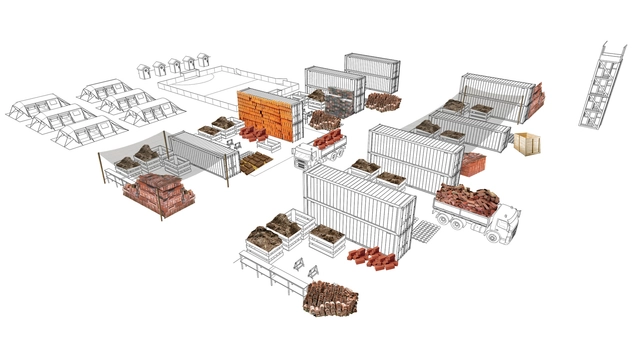
To mark the commemoration of the February 27 earthquake and tsunami, the creation of “Rubble Hospitals” is being promoted, drawing on recent earthquake experiences in Chile and Mexico.

A new guide for creating these spaces was announced in Concepción by Chile's Proyecta Memoria Foundation, coinciding with the anniversary of the February 27 earthquake and tsunami. The guide compiles experiences from earthquakes in Chile and Mexico, while promoting Rubble Hospitals as spaces to safeguard and reuse debris from large-scale seismic events.

The document is the result of three years of work and details memory rescue initiatives during the 2010 and 2015 earthquakes in Chile and the earthquakes in Mexico.

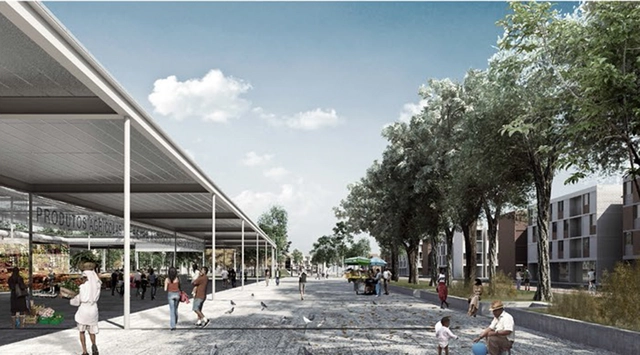
Competition for the Redevelopment of the Monumental Axis of Maringá: See the Results

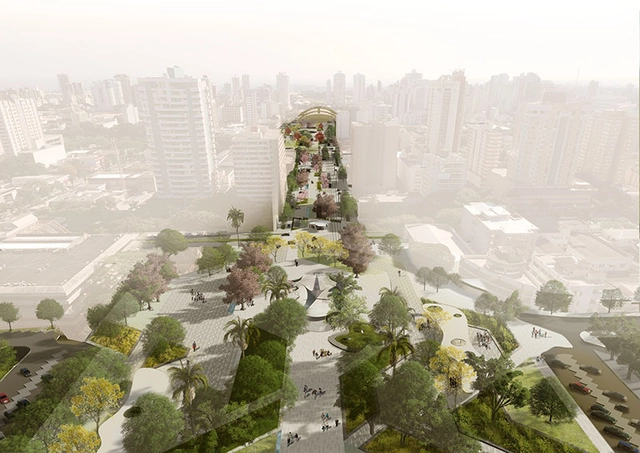
The official results for the National Competition for the Requalification of the Public Space of the Monumental Axis of Maringá have been released. This central urban area lies between Cathedral Square (Praça da Catedral) and the Vila Olímpica sports complex. Totaling approximately 169,000 square meters, the Monumental Axis includes gardens, public spaces, parking areas, and perimeter paving along the building facades. Due to the site's vast scale, proposals had to be presented in seven sectors to facilitate phased bidding and construction. The winning project was designed by a team comprising Pedro Paes Lira, Manoela Muniz Machado, Julia Marini, Laura Figueiredo, and Juliette Tellier from the firm Natureza Urbana, with landscape consulting by Bianca Vasone, Gabriella Ornaghi, and Lilian Dazzi, and engineering consulting by Alexandre Horiye Ferreira and Felipe Macedo Barbosa.

The jury, composed of architects and urban planners Haroldo Pinheiro, José Gilberto Purpur, Mario Figueroa, Orlando Busarello, and Renato Leão Rego, selected the following winners:

Transformation of Plaza de España in Madrid must respect the position of the Cervantes monument

The “Welcome Mother Nature” project, winner of the June 2016 international competition to redesign Madrid's Plaza España, will ultimately not be allowed to alter the position of the Cervantes monument as initially planned.

The Community of Madrid announced at the Local Heritage Commission its intention to fast-track the declaration of the complex as an Asset of Heritage Interest (BIP). Consequently, the project designed by architects Fernando Porras Isla-Fernández, Aranzazu La Casta Muñoa, and Lorenzo Fernández-Ordóñez Hernández will not be allowed to rotate the statue of the Spanish writer to face the Edificio España, as reported by the Spanish newspaper El País.

Discover the new 'Dolmen' furniture collection by Esrawe Estudio

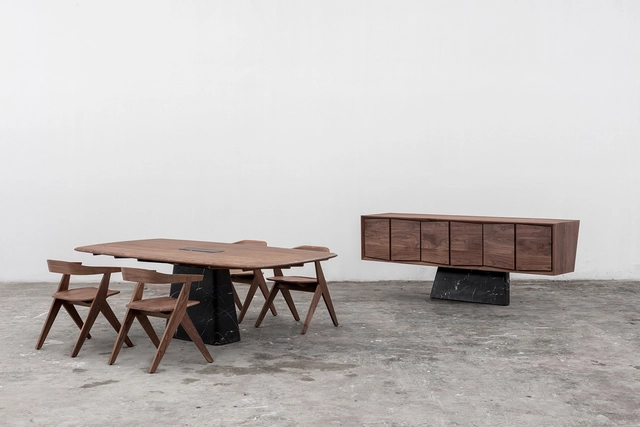
The Dolmen Collection is based on an exploration of balance between elements of different materialities. This exercise highlights the physical properties of stone and wood, creating tension between the suspended and supporting elements. Designed by Héctor Esrawe, Manuel Bañó, Federico Stefanovich, and Alejandro Ramírez, it comprises a dining table with chairs and a cabinet.

The Museum of Modern Art of Bogota is not for rent

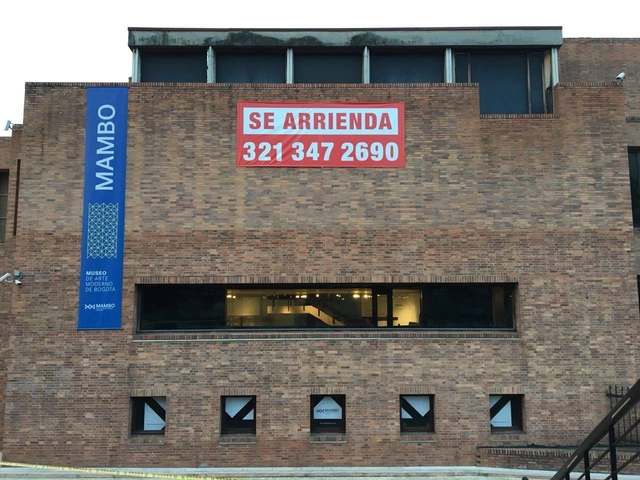
Designed by Rogelio Salmona, the Bogota Museum of Modern Art (MAMBO) appeared on Monday morning with a "For Rent" sign on its facade, drawing the attention of local media outlets like Dinero and La W.

The latter contacted the phone number listed on the sign and spoke with a Carlos Muñoz, an alleged real estate agent who confirmed that "the museum's spaces, totaling 4,200 square meters, have been put up for rent for 120,000,000 pesos a month" (equivalent to approximately 43,200 USD). The alleged agent provided details about the building's program as if marketing any other real estate listing. Furthermore, as the newspaper Dinero confirmed, calls to the MAMBO communications office went to a recorded message confirming that Salmona's building was indeed for rent.

On the Silent Disappearance of the Anti-Seismic House by Architect Juan José Díaz Infante

On the Silent Disappearance of the Anti-Seismic House by Architect Juan José Díaz Infante - 1 的图像 4On the Silent Disappearance of the Anti-Seismic House by Architect Juan José Díaz Infante - 2 的图像 4On the Silent Disappearance of the Anti-Seismic House by Architect Juan José Díaz Infante - 3 的图像 4On the Silent Disappearance of the Anti-Seismic House by Architect Juan José Díaz Infante - 4 的图像 4On the Silent Disappearance of the Anti-Seismic House by Architect Juan José Díaz Infante - More Images

One of the most representative houses by Mexican architect José Díaz Infante that served as an experiment to study urban processes was the 'Earthquake-Resistant House' located at Ámsterdam 270. Also known as 'Kalikosmia,' this house addressed themes that broke with the purist forms common at the time, making it highly controversial. Furthermore, it was the result of an analysis based on the aftermath of the 1985 earthquake in Mexico City.

The Mexican architect defined himself as a "spatial designer," saying, "(...) I am timeless, I am not in history because I am more in science than in style. I do not belong to an era. My work has evolved in accordance with the different structures I have built. I treat each program differently, and in each project, I contribute something that I deny in the next." This was reflected in his career: in addition to being an architect, he collaborated with NASA and studied under Buckminster Fuller. As the designer of major works like the TAPO terminal and the Mexican Stock Exchange, he is today among the forgotten.

Discover 'Arquitecto de la Casa', COAM's New Campaign to Maintain Building Health

Dampness from water ingress, condensation, or leaking and burst pipes; cracks and fissures in partition walls, facades, columns, or beams; corrosion, deformation, and spalling are some of the most common building pathologies that can affect a structure throughout its lifespan. Detecting these issues is essential to address them, keep the building in good condition, and prevent accidents or structural failures.

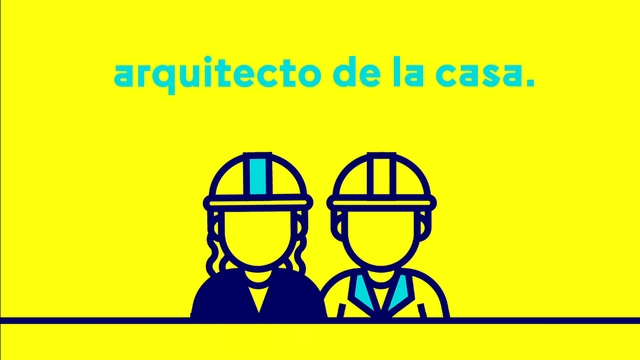
To address this, the Official Association of Architects of Madrid (COAM) has launched its first public awareness campaign, titled ‘Arquitecto de la Casa’ (House Architect). The initiative aims to raise awareness about the necessity and benefits of ongoing building maintenance, highlighting specialized architects as the most qualified professionals for the job.

Chile introduces "public real estate agency" to rent homes to vulnerable families

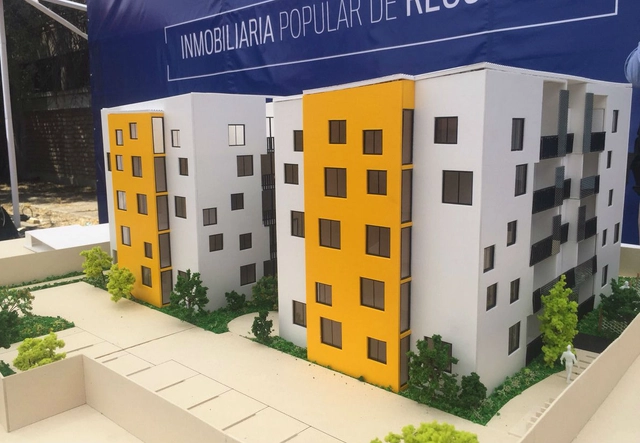
Earlier this week, the mayor of the municipality of Recoleta (Chile), Daniel Jadue, announced the creation of a municipal real estate agency. The initiative, unprecedented in the South American country, consists of the construction of two 5-story buildings with a total of 38 apartments of 55 square meters, available for rent to vulnerable families in the municipality.

According to a report by 24 Horas, the newscast of Chile's state-owned television channel, one out of four families in the municipality shares a home with another household, a common phenomenon in Chile known as allegamiento (cohabitation). At the same time, Recoleta is experiencing rapid residential densification due to saturation and rising costs in neighboring municipalities such as Santiago Centro and Providencia.

The life and work of Athos Bulcão become the subject of a children's book

An inseparable figure from Brasília, Athos Bulcão is responsible for works that bring color and geometric patterns to the purity of the federal capital's architecture. To promote the artist's work, the National Institute of Historic and Artistic Heritage (Iphan) launched the book Athos, Colorindo Brasília, the first volume of the Patrimônio para Jovens collection, an initiative by Iphan's Federal District office and the Federal District Department of Education (SEDF).

Brazil Pavilion in Venice Announces Selected Projects for the "Walls of Air" Exhibition

An unprecedented initiative for Brazil's representations at the International Architecture Exhibition of the Venice Biennale, the Muros de Ar exhibition allocated one month for submissions and evaluations of public projects to be included in the curatorial selection occupying the Brazilian pavilion starting May 26. The open call selected 17 projects in Brazil that use architecture as an instrument to mediate conflicts, transition between public and private domains, and connect distinct urban fabrics.

Collectively curated by architects Gabriel Kozlowski, Laura González Fierro, Marcelo Maia Rosa, and Sol Camacho, who were selected by the Fundação Bienal de São Paulo to organize the exhibition, the open call received 289 projects from more than 60 Brazilian cities.

These are the finalists of the III Latin American Landscape Architecture Biennale (BLAP)

Yesterday, Monday (September 10), the 3rd Latin American Landscape Architecture Biennial announced the finalists for the competition, which will take place in Mexico City on September 26 and 27. Organized since 2014 by the Mexican Society of Landscape Architects (SAPM), the biennial seeks to highlight the role of landscape architecture in shaping the habitat in Latin America, with a particular emphasis on the environmental and social challenges facing the region.

"We seek to encourage participation in landscape construction to showcase the broad and diverse panorama of local interventions that ultimately help define a region sharing common challenges and solutions," the organizers state in the biennial's guidelines.

The 19 built works, unbuilt projects, and research papers meet the biennial's criteria, focusing on projects that respect the landscape and its values, demonstrate a commitment to sustainability, and integrate and address social issues, among other criteria.

Discover the finalists below:

Historic heritage is the theme of the 1st CAU/GO Photography Contest

Registration is now open for the 1st National Public Photography Contest organized by the Council of Architecture and Urbanism of Goiás (CAU/GO), under the theme “Historic Heritage in Architecture and Urbanism.” Submissions will be accepted until 4:00 PM on September 24 at the CAU/GO headquarters.

CODHAB Competition for a Housing Sector in Ceilândia, Federal District: Meet the Winners

The Housing Development Company of the Federal District (CODHAB/DF) continues to release the results of design competitions, establishing itself as a benchmark for institutions across the country by holding competitions to ensure high-quality construction through a clear and democratic selection process for the most qualified technical, scientific, or artistic proposals. This latest edition features the National Public Urban Planning and Architecture Design Competition for the QNR 06 Housing Sector, in the Administrative Region of Ceilândia.

MUBO: The new interactive museum opening its doors at the Mexican Stock Exchange

MUBO: The new interactive museum opening its doors at the Mexican Stock Exchange - Imagem 2 de 4MUBO: The new interactive museum opening its doors at the Mexican Stock Exchange - Imagem 3 de 4MUBO: The new interactive museum opening its doors at the Mexican Stock Exchange - Imagem 4 de 4MUBO: The new interactive museum opening its doors at the Mexican Stock Exchange - Imagem 1 de 4MUBO: The new interactive museum opening its doors at the Mexican Stock Exchange - More Images+ 20

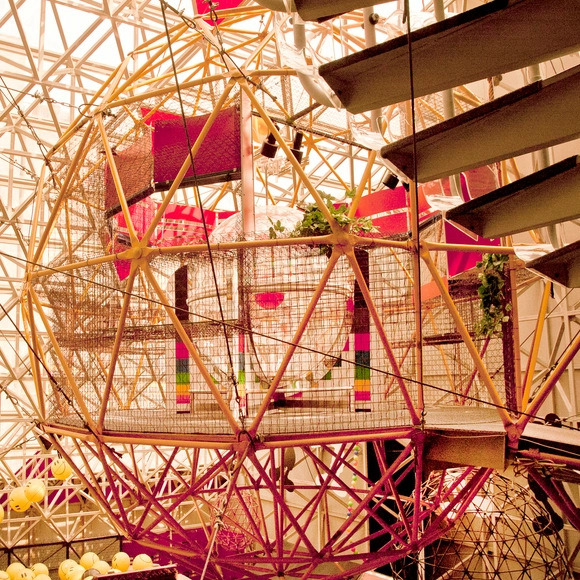
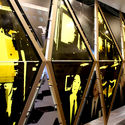
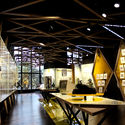
A new interactive museum is opening its doors at the Mexican Stock Exchange. The Mexican Stock Exchange Museum, “MUBO”—inaugurated in May 2018—is a space dedicated to a historical narrative focused on the country's financial market culture, utilizing interactive modules to enhance the understanding of the curatorial script. Through this new space, the Bolsa Mexicana de Valores Group brings together efforts initiated just over a year ago alongside the "Escuela de la Bolsa" to disseminate financial topics and foster an understanding of the country's history and development.

Ten advanced modeling tutorials in SketchUp

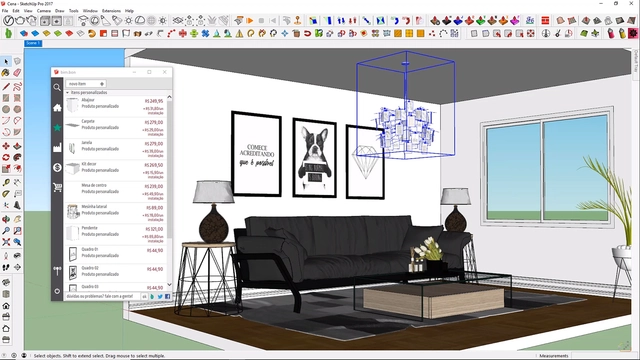
SketchUp is one of the most widely used digital modeling software programs in both professional practice and academia—and undoubtedly the most intuitive. However, the ease of creating orthogonal geometries can quickly turn into a nightmare when the goal is to design curved and organic shapes and objects.

With this in mind, Gabriel Chahoud of Chahoud Cursos released 30 video tutorials for what he called "SketchUp Month," sharing tips on how to model objects that, at first glance, seem complex to create in this software.

Research explores the legacy of nine industrial ruins across Chile

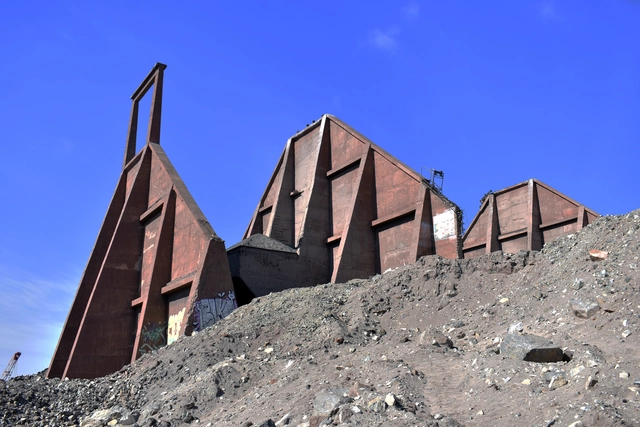
Alongside an archaeologist and a visual artist, the team led by architect and University of Chile academic Claudia Torres has documented a series of industrial ruins in rural areas throughout Chile. These are structures where geography and nature have played a fundamental role, both as a productive resource and as witnesses to their progressive deterioration after being abandoned decades ago.

Titled “From Noise to Silence: Valuing Industrial Ruins in Rural Areas,” this research, funded by Fondart 2017, selected nine cases across Chile: from the historic use of the coastline associated with mining in the northern desert (Caldera) to logging in the Patagonian forests of the far south (Contao). Each site features unprecedented photographic and audiovisual documentation that showcases the rich natural environment where they were built to spark or secure productive processes that have shaped the socioeconomic and cultural history of each region.