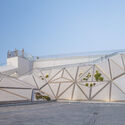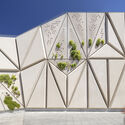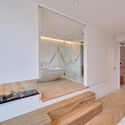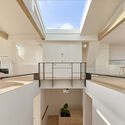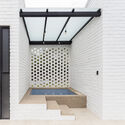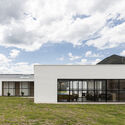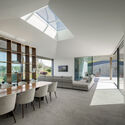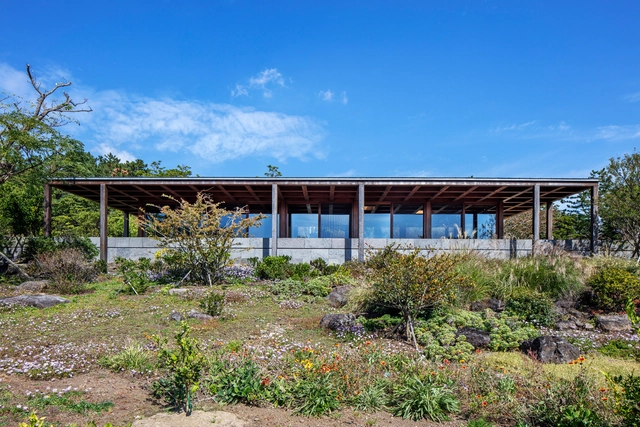


-
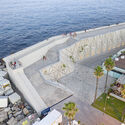
Architects: Carlos Castanheira, Jong Kyu Kim, Álvaro Siza Vieira
- Area: 260 m²
- Year: 2018


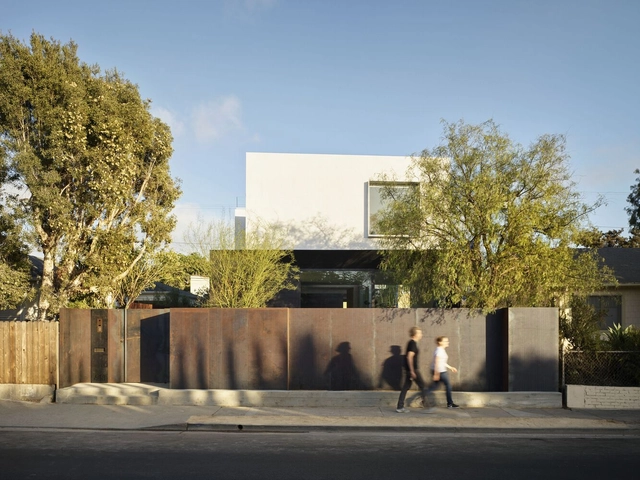

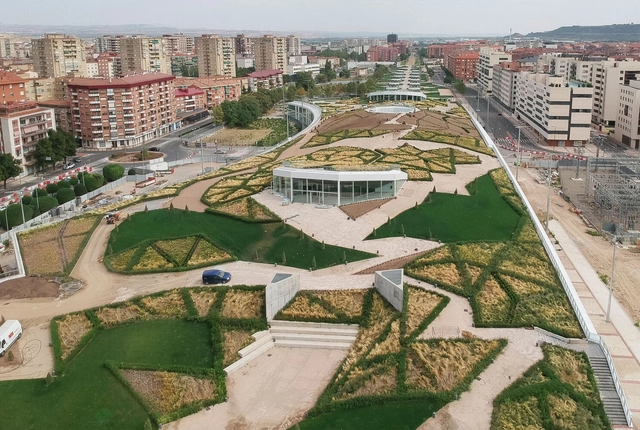


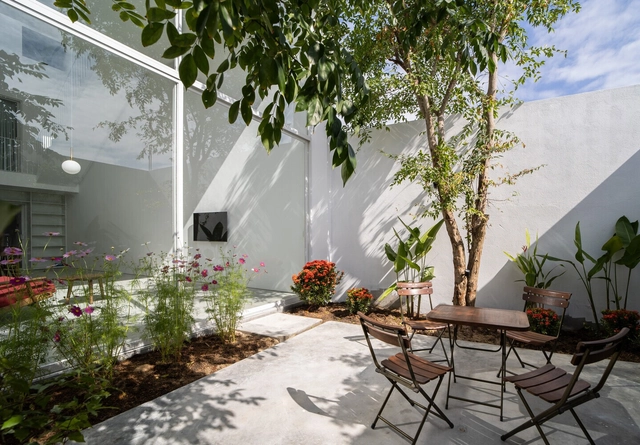
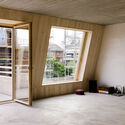
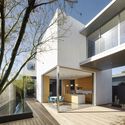
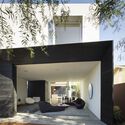
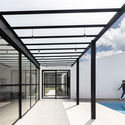
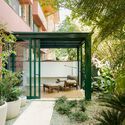
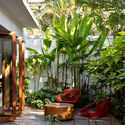
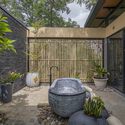
In urban centers, houses rarely have a large backyard to create a leisure or living area, that's why we have gathered some examples that have managed to occupy these areas, improving the connection between interior and exterior and enhancing their users' comfort.
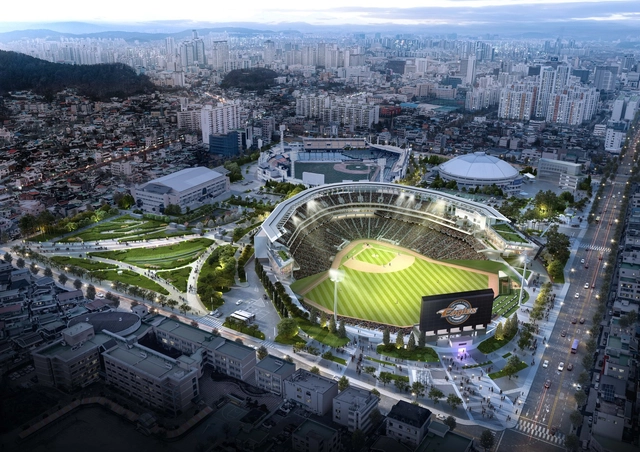
Sport plays an important role in the life of every city, yet the buildings housing these activities pose a particular set of challenges to the architects. Scale and dimensions need to be adapted to allow for unrestricted movement, heights are adjusted to the force of an athlete’s throw, and lighting, surface, and finishes require careful consideration. The matter becomes even more complex if these activities become the center of large-scale events. The flow of people becomes an integral part of the design, as different types of users require separate circulation paths.
This week’s curated selection of Best Unbuilt Architecture highlights the design of sports centers submitted by the ArchDaily community. From a tennis stadium in Italy, to a yoga pavilion on the cliffs of Portugal, this selection features projects centered around movement, practicing, following, and enjoying sports, be it tennis, baseball, yoga or football. The article presents projects from various counties, such as South Korea, Canada, Portugal, and Argentina.
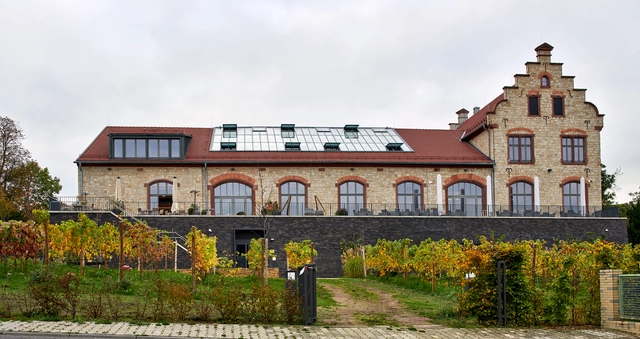
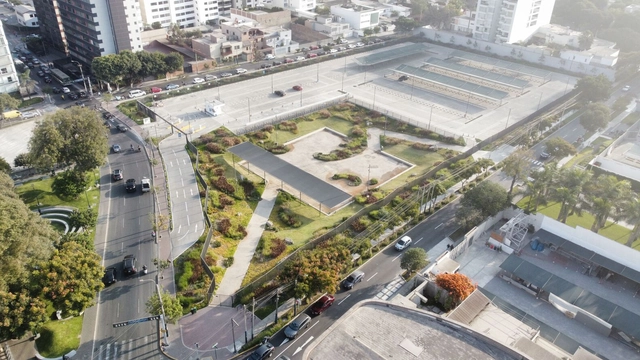

Airbnb has long been a reliable way to find a homestay. Since its inception in 2008, the site has hosted more than 7 million homes around the world where travelers can stay in a room, or rent an entire house out for themselves. Recently, many cities have been cracking down on short-term stays, citing safety issues, false listings, and rising property prices which push people out of their homes when housing becomes used just for Airbnb rentals. What are cities doing about these issues? What is Airbnb doing to help remediate them? And will Airbnb be viable for much longer?