How to visualize architectural concepts in SketchUp using D5 Lite for faster design exploration.
How to visualize architectural concepts in SketchUp using D5 Lite for faster design exploration.
At ArchDaily, we strive to keep our community well-informed on all aspects of architecture. Whether it's breaking news, upcoming events, competitions, built projects, or brand-new materials, our readers receive a selection of curated newsletters tailored to their preferences.
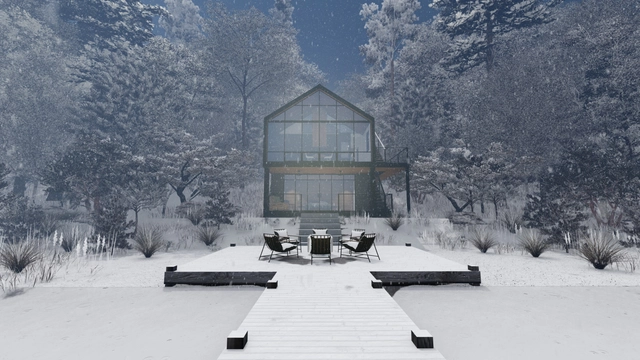
This week’s curated selection of Best Unbuilt Architecture highlights visionary villas submitted by the ArchDaily community. From a modern lake house weekend retreat in New York, a Mediterranean Villa in Portugal that blends outdoor and indoor, and a rammed earth residential complex of five villas that fold into the Balinese landscape, this round-up of unbuilt projects showcases how architects are moving forward from conventional residential architecture, pushing the boundary of luxury.
Each project has a different vision, generated by unique site conditions, and has been designed specifically for the future users of the villa. Moreover, firms like Bittoni Architects, Lipman Architects, RS Mannino Architects have all presented work that plays with materiality, giving the houses unique characteristics.
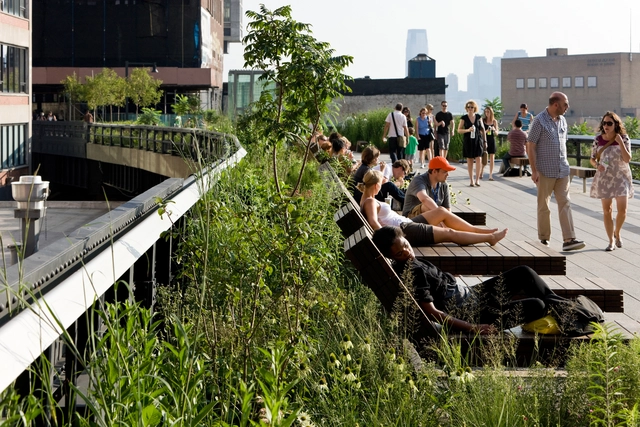
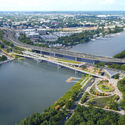
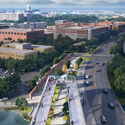
“How do we ensure new parks don’t cause ‘green gentrification,’ which can lead to the exclusion and displacement of underserved communities? How can we ensure we don’t displace the communities that new parks are meant to serve?,” asked Dede Petri, CEO of the Olmsted Network (formerly the National Association of Olmsted Parks), during an Olmsted 200 event.
New parks are meant to be accessible to everyone, but in many urban areas, developer-driven parks mostly attract wealthier Americans. Cities benefit from increased development adjacent to these new parks, bringing in higher tax revenues, but that raises questions about whether these spaces can, in effect, lead to community displacement.


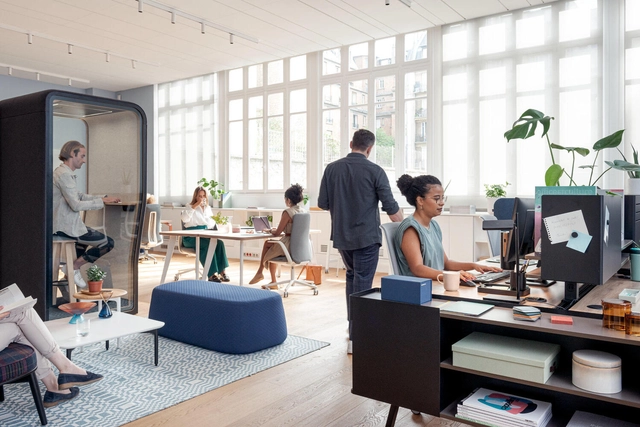

Is it the award-worthy barista skills at the third-floor coffee bar that make your days in the office bearable? Or is it being able to ring-fence a desk and height-adjusted chair and call them your own while the rest of the world hot desks? Perhaps it is knowing that the warming of your hands and toes is at someone else’s expense or that in this space you are you and not mum, dad, daughter, or husband. Or you might put it simply down to the camaraderie of the team and the common sense of purpose. One thing that is not in question, however, is that since the recent shake-up of our working practices, it matters now more than ever that productivity and wellbeing are in balance in the office, and contentment and comfort are key to both.
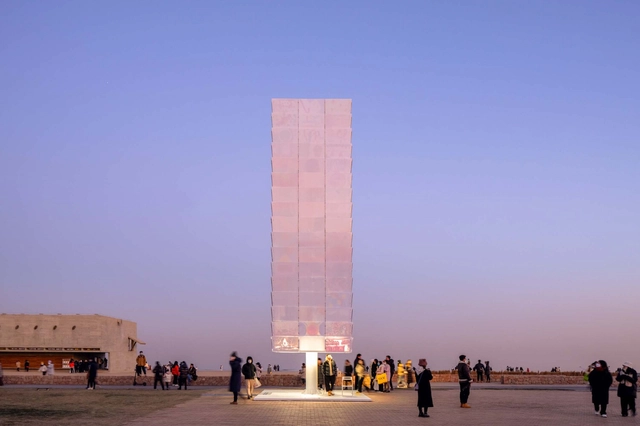
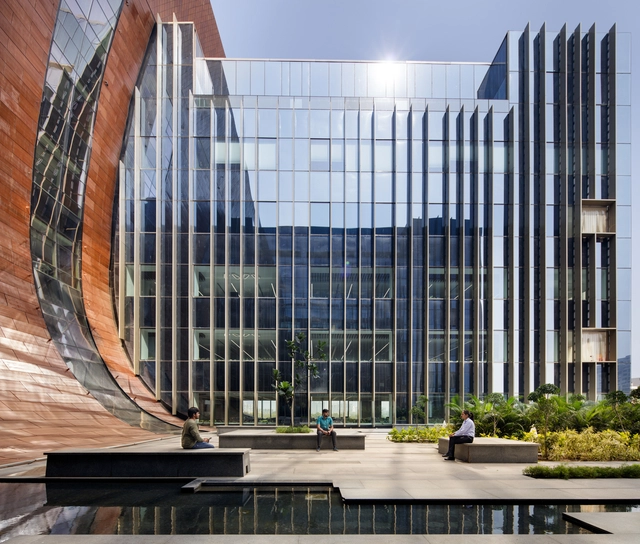


The exhibition Souto de Moura – Memory, Projects, Works will open on March 22 at the Paço Imperial in Rio de Janeiro. It is a selection from the 2019 exhibition held at the Casa da Arquitectura in Matosinhos, Portugal, dedicated to architect Eduardo Souto de Moura. A 2011 Pritzker Architecture Prize laureate and recipient of the Golden Lion at the 2018 Venice Architecture Biennale, Souto de Moura is one of the most significant Portuguese architects working today.


The Irmãos da Terra group, composed of residents from rural communities in Southwest São Paulo and technical teams from Escola da Cidade and Cânions Paulistas, invites you to a series of lecture-meetings on rural living and methods that respect and value local culture, identity, nature, water, energy, and food. The sessions will present best practices and references to support participatory plans within the involved communities.


IAAC Lecture Series – Mireia Luzárraga