How to visualize architectural concepts in SketchUp using D5 Lite for faster design exploration.
How to visualize architectural concepts in SketchUp using D5 Lite for faster design exploration.


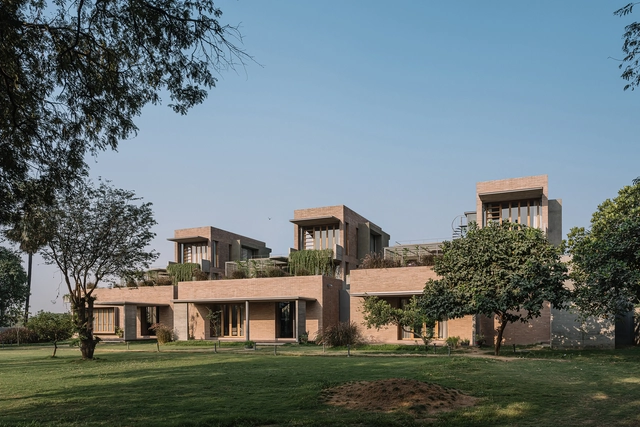
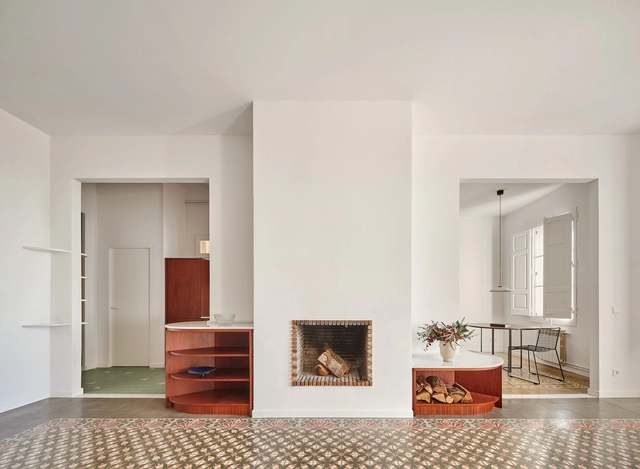
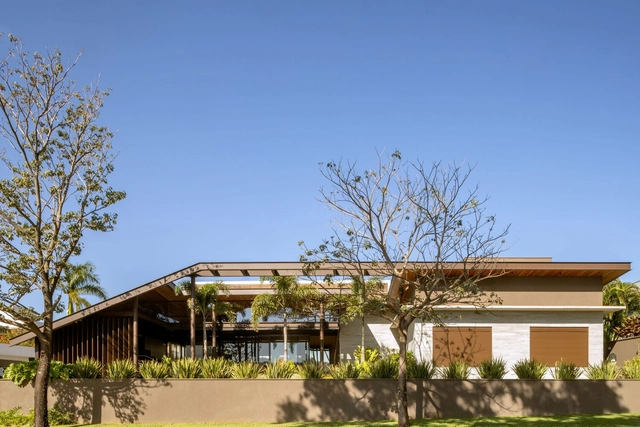
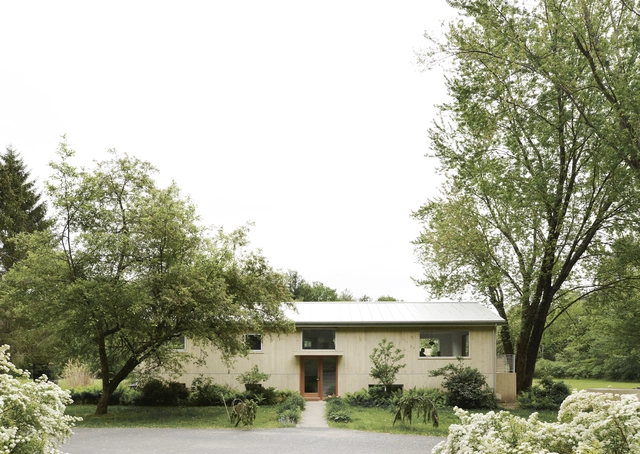


Barcelona offers a prime example of the co-housing model as an asset prized for its use value as opposed to investment. This book is a compilation of cooperative housing projects in Barcelona, both complete and under construction. It explains how the co-housing process is managed in terms of architecture, urban planning, financing, legality, and taxation, and delves into the experience of living in a community fueled by a cooperative spirit.
The content of the book presents designs for cooperative housing, accompanied by a critical vision of the model’s implications in terms of the transfer of use or co-living. Finished and inhabited projects are compiled along with ongoing projects, to offer a general view of this way of living in Barcelona. The case studies are explained by members of cooperatives, experts and designers who look at aspects of design, sustainability, construction and urban life. This book is a tool for understanding the design and construction of co-housing and the community life that goes on there.

Mobility questions our ways of inhabiting the city. They are attached to multiple social approaches, constrained by the geography of the city and linked to the available energies. However, their deployments and their effects in the urban space remain little studied as an everyday experience. The frequentation of the city is mainly observed as a saturation or an animation and in an abstract and numerical way. But what is the nature of the movements in the cities, the daily life of more than half of the inhabitants of the planet? Resulting from a crossroads, the city has grown so much that we no longer look at how people meet in the central squares. What are the speeds, rhythms, interactions, trajectories, specificities in an urban square?
Many data relate to flows, but most often with a finality on the speed of movement. GPS navigators are first made to connect a point A to B with a minimum time, and not for the study of the dynamics and the diversity of movements. Each moving element draws paths with its own rhythms which are factors of animation and encounter. We propose this exploration on a human scale on 8 cases around the world.

What ideas are currently energizing your architectural work and explorations? Why did these ideas become impactful while others did not? What role did mentors and peers play in the development of these ideas? What were your breakthrough insights or aha moments? What is next for you, the practice, and discourse of architecture?
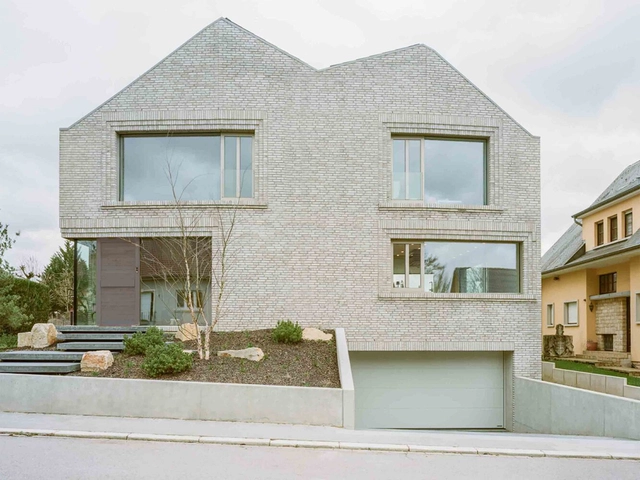
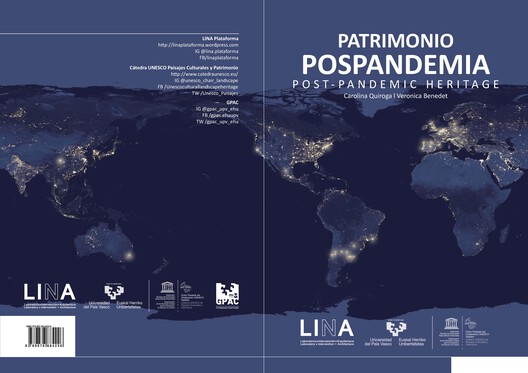
The book POST-PANDEMIC HERITAGE presents the experience of the joint project between LINA Platform and the UNESCO Chair on Cultural Landscapes and Heritage of the University of the Basque Country. Its main goal was to record and reflect on the social, physical and economic impact that the coronavirus pandemic has had on cultural heritage. The book was coordinated by Carolina Quiroga, Veronica Benedet, Juan Manuel Alonso and Eliana Zamalloa.
At Outsider (leading Slovene language magazine on architecture and space), we are dedicated to the promotion and research of earth/loam construction, which we perceive as the building material of the future. We have published extensively on the topic and organised festivals, workshops and an international architectural competition dedicated to building with earth. This year, we are expanding our activities even further: with the support of the Creative Impact Research Centre Europe (CIRCE), we have started developing a modular formwork system, aimed at simplifying rammed earth construction and encouraging new, innovative ways of using this material.

Matsue City is steeped in history, from carefully preserved samurai residences and tea houses to the majestic fortress of Matsue Castle. Completed in 1611, Matsue Castle is one of only a few castles in Japan to retain its original castle keep and is designated a national treasure. At this talk, Matsue Mayor Akihito Uesada illuminates the city’s fascinating samurai history, rich cultural heritage and culinary treasures. The program includes an exclusive viewing of a historical reenactment video of the construction and establishment of Matsue Castle. Previously only available on-site at the Matsue City Museum, this video is being shown for the first time outside Japan—at Japan Society. Attendees will also discover Matsue’s culture first-hand through special on-stage demonstrations by some of the city’s highly skilled craftspeople.

Since the launch of the Norman Foster Foundation, its mission has been to promote interdisciplinary thinking and research to help new generations to anticipate the future. In order to respond to the growing importance of urbanization and its challenges, the Foundation is now embarking on a new initiative addressed to those who wish to improve the quality of life in cities worldwide, the Norman Foster Institute.
Its first program, On Sustainable Cities, will combine practical on-site experience with academic input from the foundation’s network of international experts, using the most up-to-date digital tools. Each year, scholars will visit three pilot cities to engage directly with their planners and managers.