How to visualize architectural concepts in SketchUp using D5 Lite for faster design exploration.
How to visualize architectural concepts in SketchUp using D5 Lite for faster design exploration.
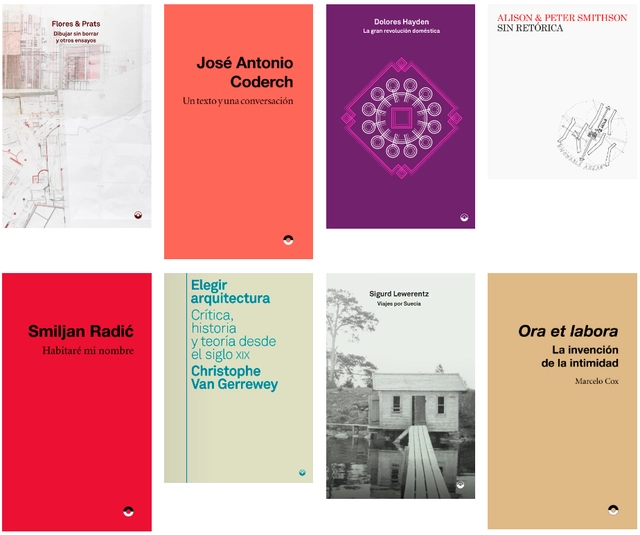
Based in Barcelona, Puente Editores is an independent architecture and art publisher directed by Moisés Puente that seeks to serve as a platform for independent projects.
From Dibujar sin borrar by Flores & Prats to Elegir arquitectura by Christophe van Gerreway, we present a selection of their latest titles below.

Is waiting part of mobility? What happens when we cycle or run through the city? What is digital mobile work? Are food items a component of human mobility? These are some of the questions addressed in the book "New Key Terms for Mobility Studies in Latin America," edited by Paola Jirón, Dhan Zunino, and Guillermo Giucci, and published by Teseo Editorial.
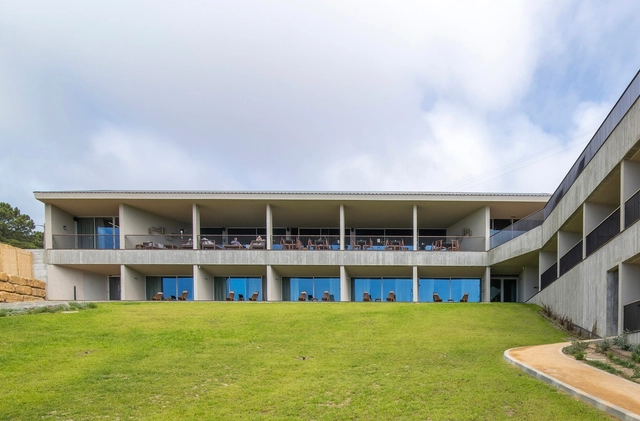


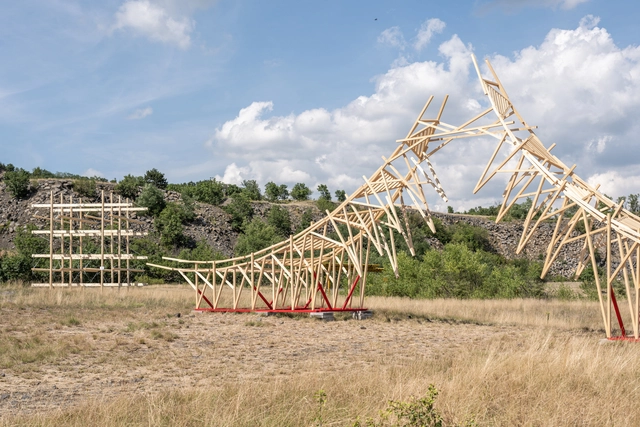
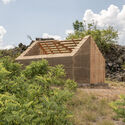
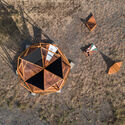
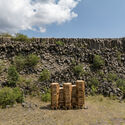
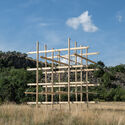
After a three-year break, Hello Wood’s builder festival returns to welcome students, architects, and young professionals from all across the world to join the 10-day builder camp to test their wooden construction abilities, learn to collaborate, and participate actively in on-site design and construction. For the first time in Hello Wood’s 13-year history, this year’s workshop takes place at a new location, in the crater of an abandoned basalt quarry on Haláp Mountain in Hungary. The workshop also aligns with and supports Veszprém’s title of 2023 European Capital of Culture, which also includes over a hundred other villages and towns across the Bakony-Balaton region. The event took place between July 6 and 15, ending in a two-day music festival open to all.
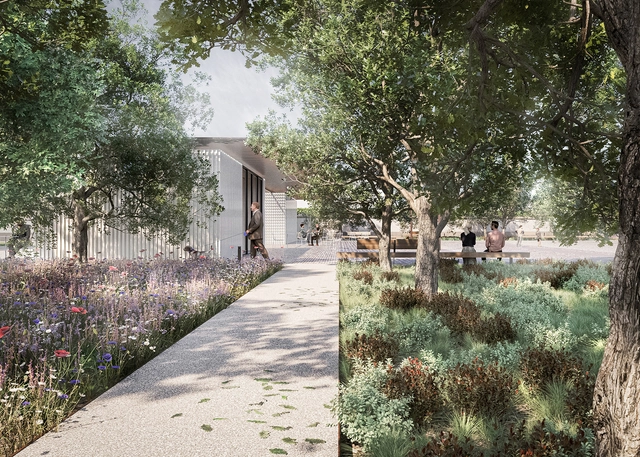
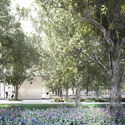
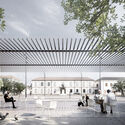
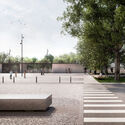
Ghisellini Architects, in collaboration with Lucrezia Alemanno and Paolo Beniamino De Vizzi has unveiled the redevelopment and complete redesign project for the new Piazza Francesca Cabrini in Livraga, Italy. Located about 45 kilometers southeast of Milan, the municipality of Livraga set out to transform the currently degraded public space and transform it into an attractive gathering place with site-specific environmental and landscaping features. Construction is expected to begin in August 2023 and is scheduled for competition in 2024.
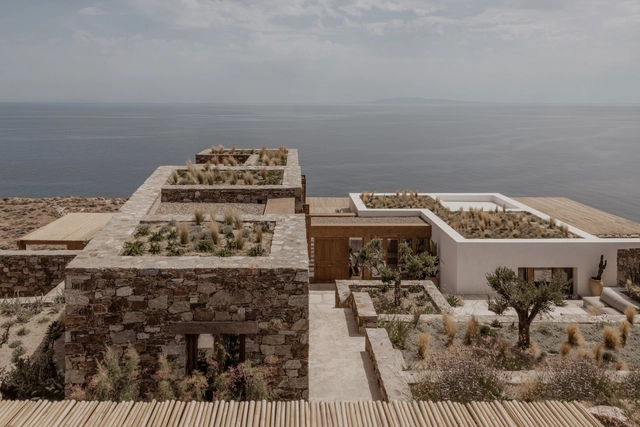
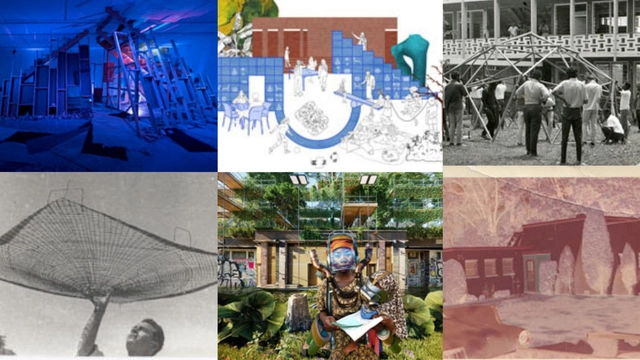
The Graham Foundation announced awards to organizations worldwide, supporting 38 different projects. The projects range from exhibitions, publications, and other activations serving the public through arts and culture. Together, these projects examine various topics, platforms, and issues in contemporary architecture discourse and showcase the work of architects, artists, curators, designers, educators, and other professionals working with organizations around the world in places like Chicago, Los Angeles, Tijuana, and Beirut.

By Rogelio Salmona
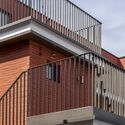
The construction of Torres del Parque began in 1968 and was completed in 1970. Between 1964 and the start of the project, there was a period of uncertainty, doubts, and successive trials to find the right form for the project, not only from an architectural perspective but also from urban and landscape points of view.
The site, characterized by its overwhelming topography, the Plaza de Toros, the abandoned Parque de la Independencia (for over 15 years), and the magnificent panoramic view of the foothills, still untouched by the multitude of towers and dense buildings, invasions, and senseless occupations of the area, should not only be taken into account in the development of the project but, above all, be exalted through architecture that is implemented in such a correct and sensitive manner that it transforms and shapes the city. It should be the heartbeat of the place and a meeting point between reason, enchantment, and poetry. Between clarity and magic, an architecture that can be discovered, that doesn't impose itself, as it is more beautiful when discovered with surprise, like discovering nature. Ultimately, an architecture that integrates with the existing Plaza de Toros and allows transparency between the city and its foothills, reclaiming the steep street adjacent to Parque de la Independencia and transforming it into a pedestrian garden formed by stairways and ramps connected to the residential complex and the park.
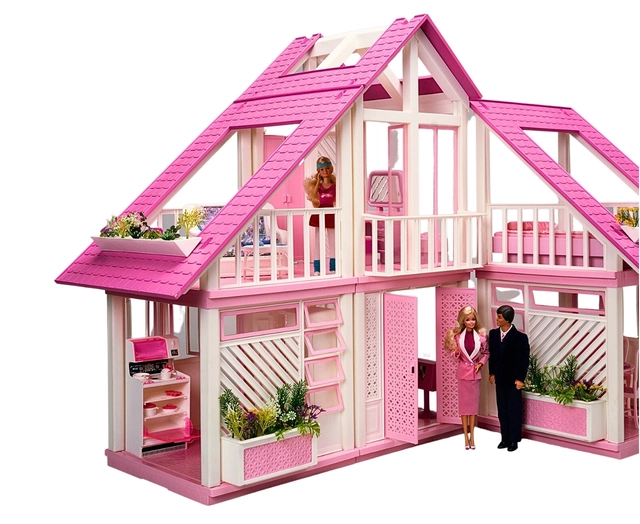
In her 1959 debut by Mattel, Barbie became a doll that transformed the toy industry and has been a popular culture icon ever since. 3 years later, the first accompanying Barbie Dollhouse was created, a home for Barbie representing her domestic, habitual, and day-to-day life. Over the past 60 years, Barbie Dreamhouses have changed and evolved, each iteration adopting the architectural and design fads of the eras in which they were produced. In fact, each dollhouse is an artifact of the unique blend of history, politics, popular culture, trends, and design styles that define architecture as we know it.