There is a growing public perception that the number of people experiencing homelessness has been rising in Brazil. To better understand this issue, the Brazilian Observatory of Public Policies on the Homeless Population, established under the Polos de Cidadania Program at the Federal University of Minas Gerais, compiled data from thousands of municipalities in a historical series spanning from 2012 to 2021. Unfortunately, the data indicates that this crisis is indeed worsening across the country.
https://www.archdaily.com/1136354/what-does-the-data-say-about-the-homeless-population-in-brazilAndré Sette e Anthony Ling
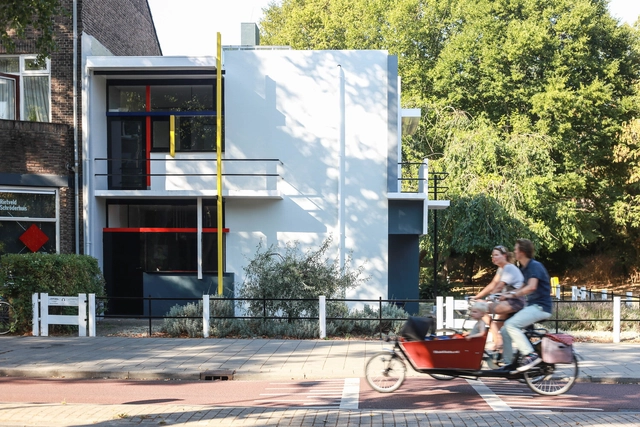
Given that the architects of modernity were in search of purity of form, it stands to reason that the image of this modern architecture is almost inevitably rendered in white in the collective imagination. Relieved of superfluous decorations, modern architecture became associated with the predominant use of white surfaces to highlight the volumetric composition. Combined with the concept of “material truth” first articulated by Victorian critic John Ruskin, white-colored architecture is often understood as straightforward, clear, and sincere.
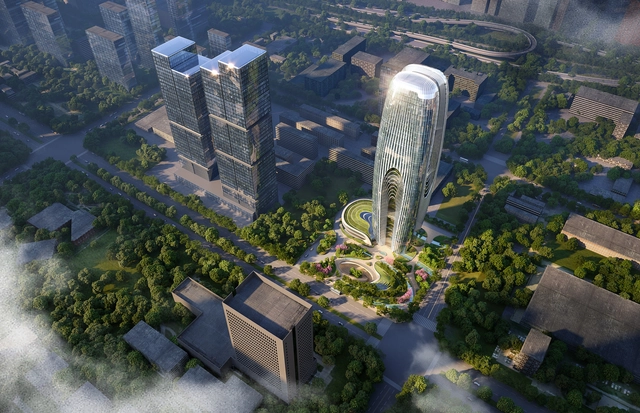
Zaha Hadid Architects has revealed the design of the Daxia Tower, to be built in the High-Tech Economic and Technological Development Zone of Xi’an, one of China’s largest inland cities with a population nearing nine million people. The tower will mark the center of Xi’an’s business district and will include offices, retail, and ancillary facilities, all designed with data analytics and behavior modeling to ensure a balanced disposition of spaces.
In its infancy, architecture relied exclusively on orientation, sunlight, and the natural elements influencing it. At the time, manipulating physical phenomena like electricity was not even considered. Over time, scientific advancements—such as the discovery of electrical energy and its future applications in buildings—became integrated into our way of life and the way we inhabit and experience space. Today, it is impossible to conceive of architecture without systems for ventilation, heating, or simply power. However, with the rapid growth of cities in recent years, rising demand for electricity, and the increasing sophistication of electrical systems, power surges (sudden increases in voltage) have emerged as a modern challenge we must address.
Many of these surges are transient, representing one of the primary threats to the integrity of electrical/electronic devices and overall electrical continuity in buildings. As electronic equipment becomes increasingly sensitive, the residential, commercial, and industrial sectors rely more heavily on control and communication systems, making them more susceptible to transient surges. In response to these events, ABB has developed a wide range of surge protective devices (SPDs).
https://www.archdaily.com/1136425/how-to-protect-buildings-against-power-surgesEnrique Tovar
In the face of a climate emergency, various fields are under pressure to reformulate their operations and actions, and architecture is no exception. After all, the built environment and the construction industry are responsible for a considerable percentage of carbon gas emissions into the atmosphere. Rethinking and restructuring the construction chain - from design to execution - is the order of the day for construction professionals.
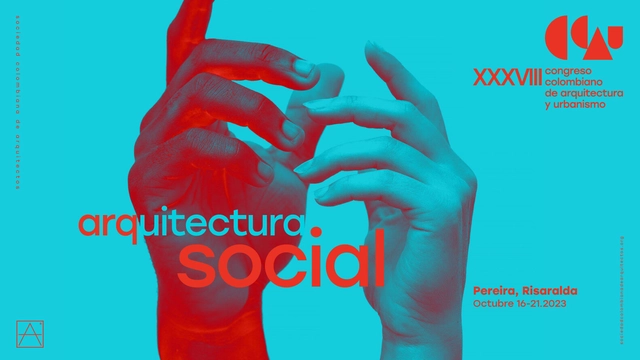
At the SCA, we seek to champion the contribution of architecture to social well-being and quality of life, celebrating the efforts made through best practices to understand the needs and desires of local communities and to design spaces that foster inclusion, equality, and social justice.