How to visualize architectural concepts in SketchUp using D5 Lite for faster design exploration.
How to visualize architectural concepts in SketchUp using D5 Lite for faster design exploration.

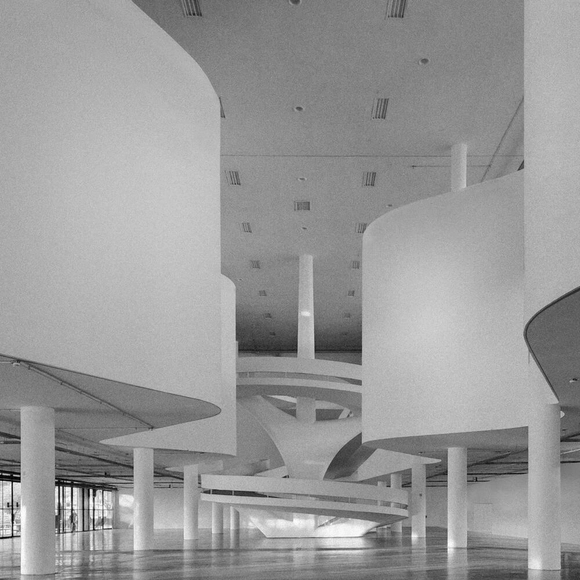
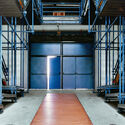
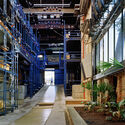
To transcend the idea of progressive, linear, Western time. To create strategies for bypassing, crossing boundaries, and escaping the impossibilities imposed by the world. Attentive to the "politics of movement and political movements intertwined in artistic expressions," the 35th Bienal de São Paulo - choreographies of the impossible presents, through spatial intervention and its list of participants, ways of relating that expand the cultural and social aspects defining the seemingly insurmountable crisis we face as a society.
To delve deeper into how spatial, territorial, and architectural issues unfold in this upcoming edition of one of the world's largest and most important art exhibitions, we spoke with the curatorial collective* comprising Diane Lima, Grada Kilomba, Hélio Menezes, and Manuel Borja-Villel.
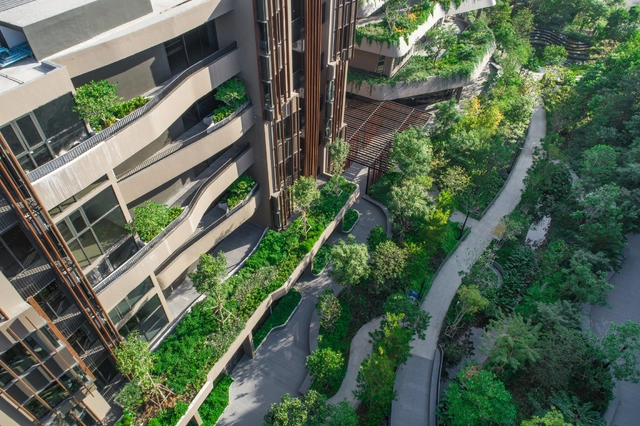
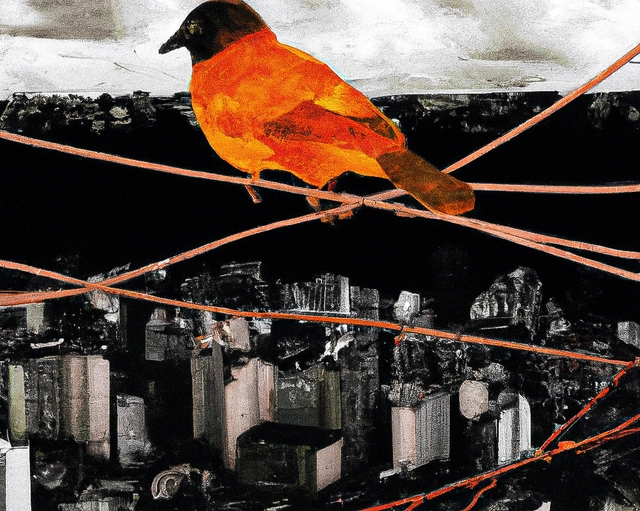
What is the city? It is the opposite of the forest. The opposite of nature. The city is an artificialized, humanized territory. The city is a territory designed exclusively for humans. Humans have excluded all possibilities of other life forms in the city. Any other life that attempts to exist in the city is destroyed. If it does exist, it is thanks to the force of the organic, not because humans want it to.
I was raised in a house with a dirt floor, where I walked barefoot. Chickens and other animals lived with us inside the house. When a chicken left its droppings on the dirt floor, the wet part of the waste was absorbed by the earth. We would pick up the solid part and throw it in the backyard to use as fertilizer. To city people, this is horrifying. Step on chicken droppings? Impossible! There must be perfectly smooth ceramic tile to spot any other life, any other living being that might be there, to disinfect it and kill every microorganism. To kill even what cannot be seen. To walk barefoot, the floor must be disinfected: ceramic tiles were created because humans cannot step on the earth. Shoes were created because humans cannot step on the earth. Because the earth is the original yearning.
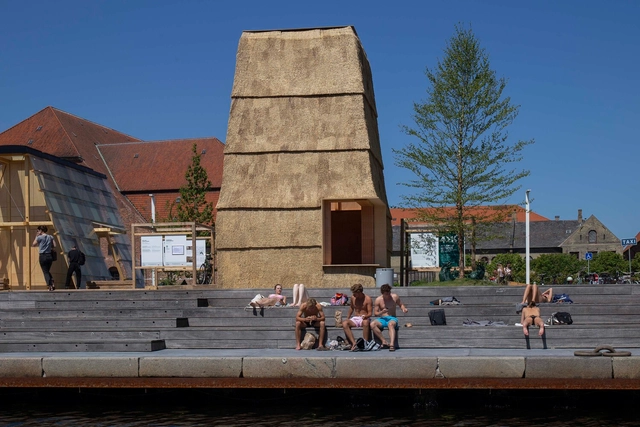
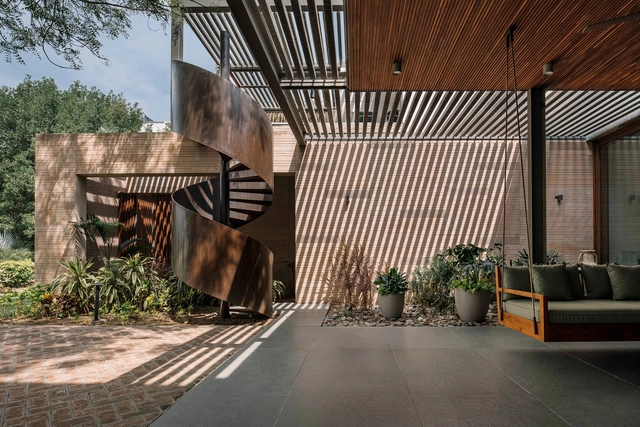
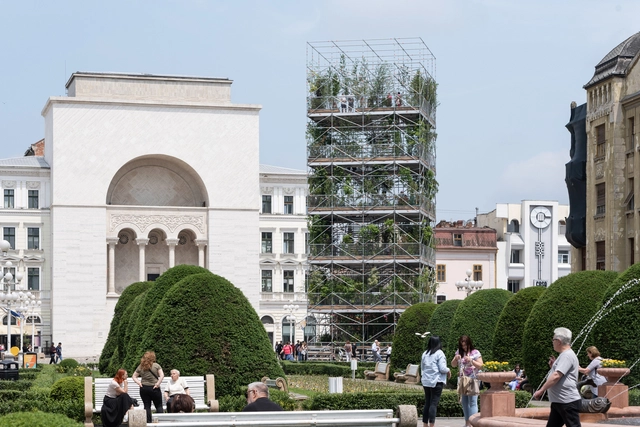
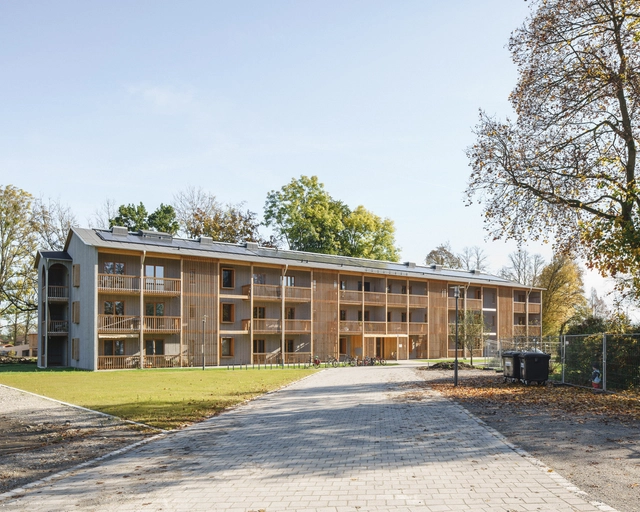
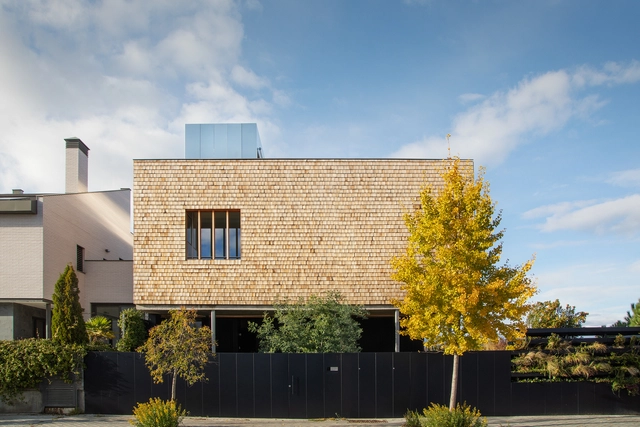
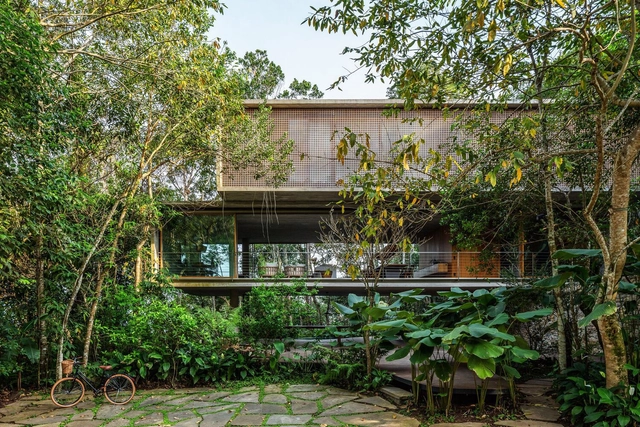
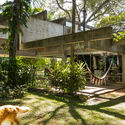
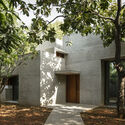
There is something very attractive about the combination of lush vegetation and exposed concrete roughness. This is what the book Concrete Jungle: Tropical Architecture and Its Surprising Origins, published by Gestalten, proposes to investigate. The publication offers a reading on modern "tropical architecture", presenting houses located between the Tropics of Cancer and Capricorn and their relationships with their cultural, constructive, and environmental origins. It features several projects and architects, from the 1950s to the present day, tracing a multifaceted panorama that includes residential buildings located in regions as distinct as Brazil, Mexico, India, and Kenya.
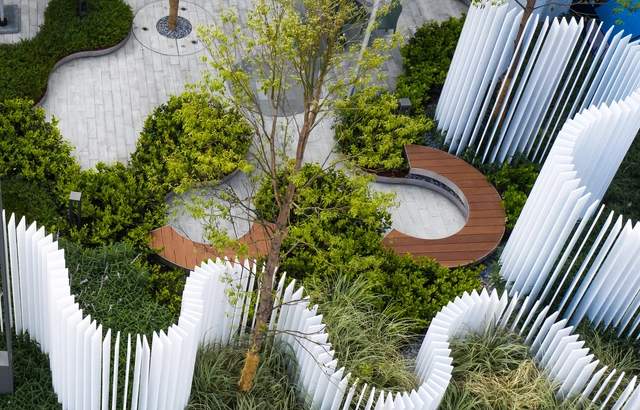
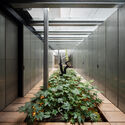
Far beyond its decorative features, landscaping brings with it biological and cultural issues that need to be addressed in projects. However, what can be seen in most public, residential, condominium, commercial and business gardens is a series of approaches that distance landscaping from all its attributes, reducing it to a decorative layer in the construction. Next, we have put together strategies to avoid the main problems of landscape design, joining aesthetics with its environmental and cultural possibilities.


The year was 1969. Lina Bo Bardi wandered through the São Paulo neighborhood of Bixiga, which at the time resembled a war zone. The clearings and piles of rubble were the result of a violent urbanization cutting through the region in the shape of São Paulo's East-West expressway complex.
Against this backdrop, Lina collected personal objects found in the debris, picking up "the most sordid items," as Zé Celso, director and creator of Teatro Oficina, stated in an interview. There was a clear reason for this undertaking: to compose the set for the play In the Jungle of Cities (Na selva das cidades), designed by the architect herself. In it, a stage shaped like a boxing ring was fashioned from the rubble of the demolitions taking place around the theater. The play was divided into 11 rounds, in each of which an institution is destroyed until the ring itself is demolished. At the end, the actors remove even the theater floor to reach the bare earth.