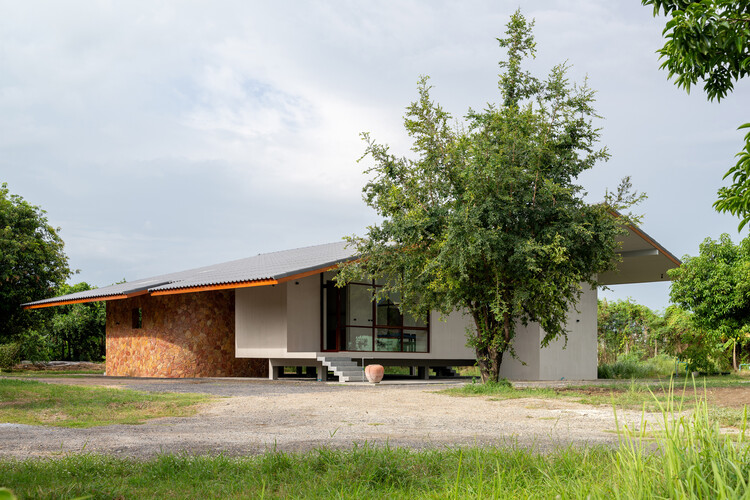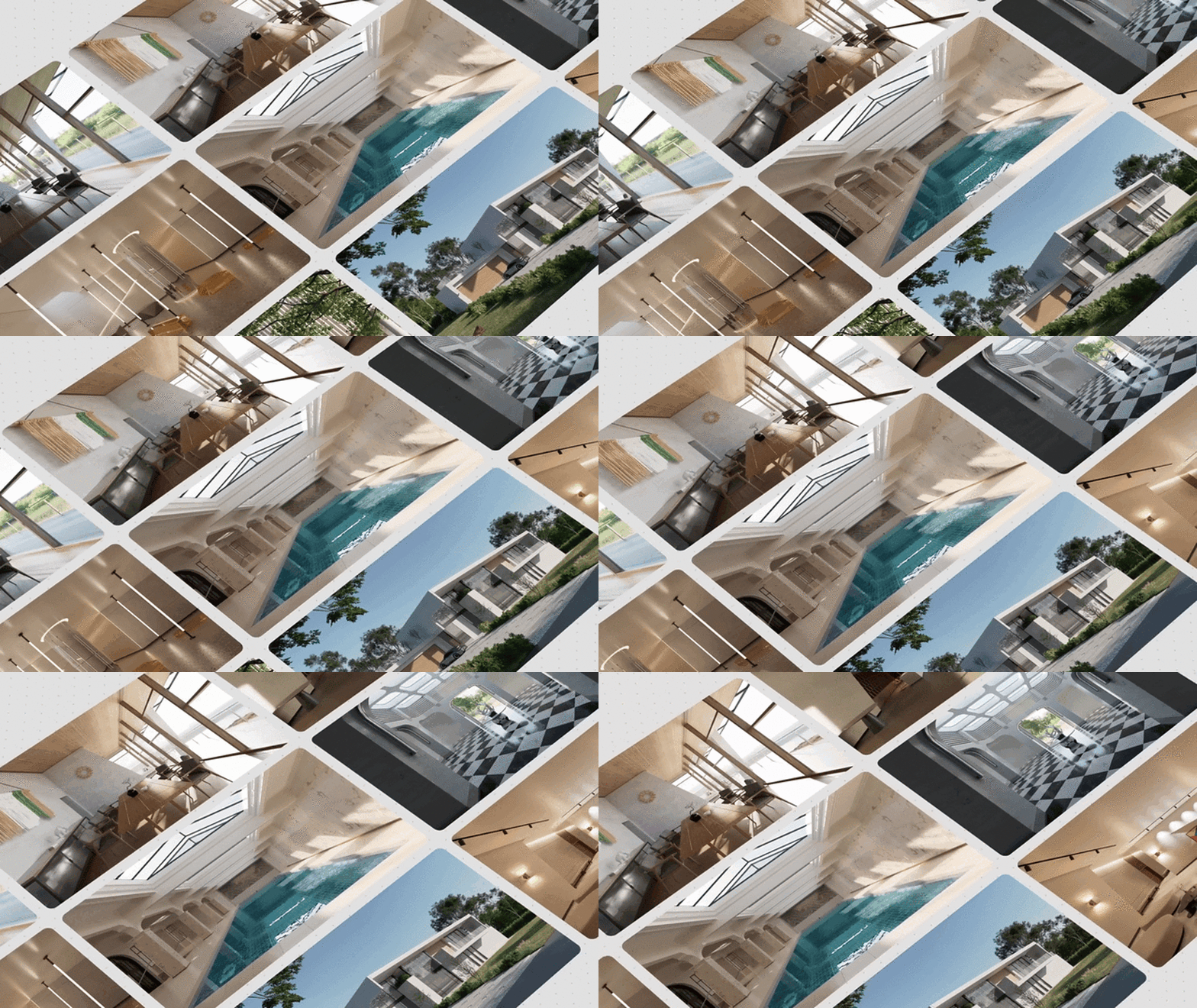
How to visualize architectural concepts in SketchUp using D5 Lite for faster design exploration.
How to visualize architectural concepts in SketchUp using D5 Lite for faster design exploration.




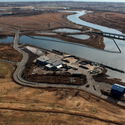
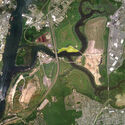
In 1948, Robert Moses established the Fresh Kills Landfill on the western shore of Staten Island. The site, chosen for its remote marshland and cheap land value, was meant to be temporary, but by 1955 it was the largest landfill in the world, receiving up to 29,000 tons of refuse per day at its 1991 peak. By 2001, after more than fifty years of continuous operation, Fresh Kills covered 2,200 acres, roughly three times the area of Central Park, and was, unspectacularly, visible from space. When it started, Moses didn't expect to design a dump but, without calling it that, a new landform with four artificial hills rising up to sixty meters above sea level built entirely from the accumulated residue of eight million daily lives.
That landform is now, slowly, becoming a park. James Corner Field Operations won the international design competition launched by the city in 2001, producing a master plan called Lifescape that will take thirty years to complete. The landfill's four mounds are being capped, planted, and gradually opened to the public. Methane from decomposing waste is captured and fed into an energy system as the wetlands are being restored around the engineered hills. Evidence of New York's consumption transformed into a feat of ecological engineering and an act of institutional memory management (a way of making a city's most embarrassing landscape slowly look like something it was always meant to be).

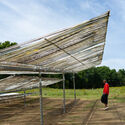
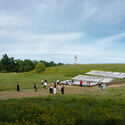
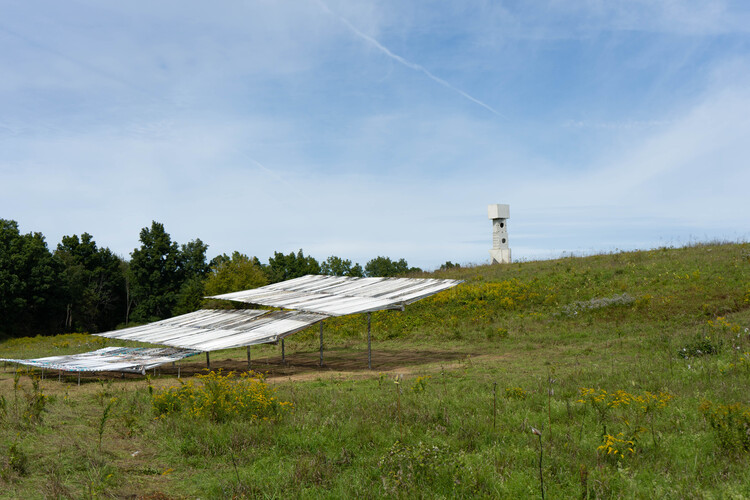
Art Omi and Limbo Museum have presented Limbo Engawa, a two-part site-specific installation by TAELON7, led by architect Juergen Benson-Strohmayer. First presented at Limbo Museum in Accra, Ghana, on March 12, 2026, the project was reconfigured for Art Omi's Sculpture & Architecture Park in Ghent, New York, where it opened on September 19, 2026. Developed as a joint commission between the two institutions, the project uses a modular architectural system to explore how spaces for gathering and exchange can respond to different landscapes, climates, and cultural contexts.


The International Union of Architects designates the first Monday of October as World Architecture Day each year, aligning it with the United Nations' World Habitat Day. This year, both occasions are drawing attention to the global housing crisis as a fundamental element of human dignity, inclusion, and well-being. The UIA's motto reads: "Housing is a Human Right. Build It." The organization calls on architects to contribute to advancing equitable access to housing through design, research, and advocacy. From a holistic perspective, the crisis consists not only of a shortage of residential buildings, but of multiple, interconnected barriers to accessing an adequate place to live. The challenge calls on the dual nature of the architect's work: the capacity for abstract design thinking, and the practical knowledge to transform material reality. For architecture to make the right to housing a reality, both capacities must be put into practice: building new governance structures, different models of shared ownership, designs for alternative forms of cohabitation, and new, environmentally sustainable construction systems.

The 13th edition of La Feria De Diseño Medellín, powered by idd cologne, highlighted an evolution extending far beyond scale: over three days, Plaza Mayor brought together design, architecture, interior design, business, and knowledge on an increasingly international platform. Welcoming over 18,500 visitors and more than 22,000 participants across the city's broader ecosystem, the fair connected professionals, brands, and buyers around new ways of designing, specifying, and inhabiting spaces.