How to visualize architectural concepts in SketchUp using D5 Lite for faster design exploration.
How to visualize architectural concepts in SketchUp using D5 Lite for faster design exploration.
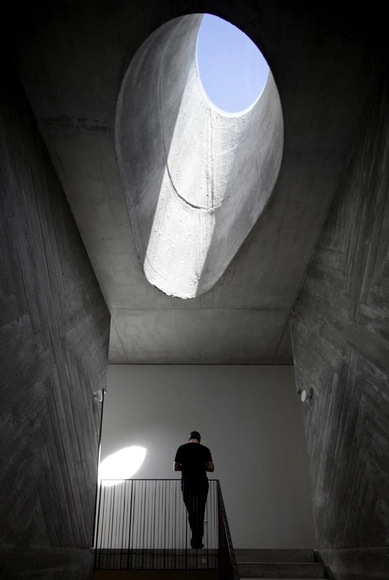
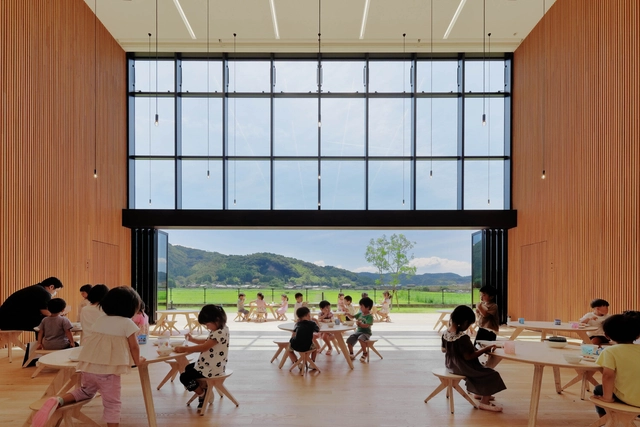
For most people, modern living requires spending most of the day in interior spaces - in fact, according to a report by the Environmental Protection Agency, the average person spends around 90% of their life indoors. As a result, this implies missing out on health benefits associated with sunlight exposure, such as vitamin D absorption, regulation of circadian rhythms, higher energy levels and even improved mood. Thus, one option is to increase the amount of time we spend outdoors. But because most daily functions are carried out inside buildings, it is crucial to incorporate and prioritize natural lighting in interiors.

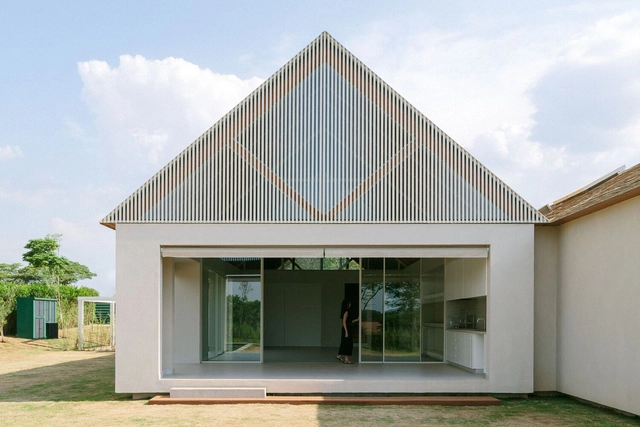
Centered on the development of architectural projects in favelas and peripheries, the work of Coletivo LEVANTE showcases a deep sensitivity to the unique characteristics and nuances of these environments. According to the group, "the recognition of what already exists and is attributed with values lived and earned by the favela residents — landscapes, constructions, identities, and relationships" is what they seek as the raw material for their projects. This approach is evident in projects such as Centro Cultural Lá da Favelinha and House in Pomar do Cafezal, winner of the 2023 Building of the Year Award by ArchDaily.
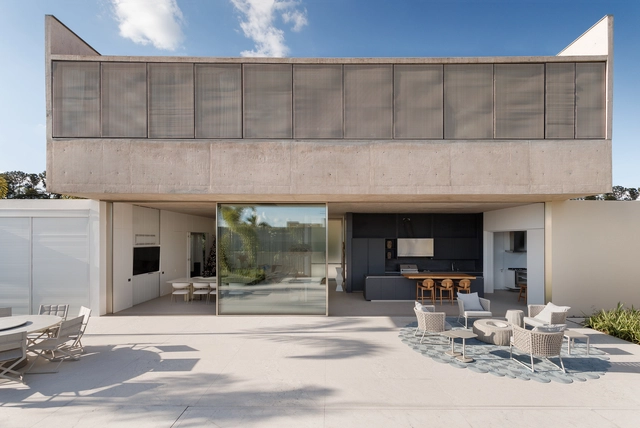
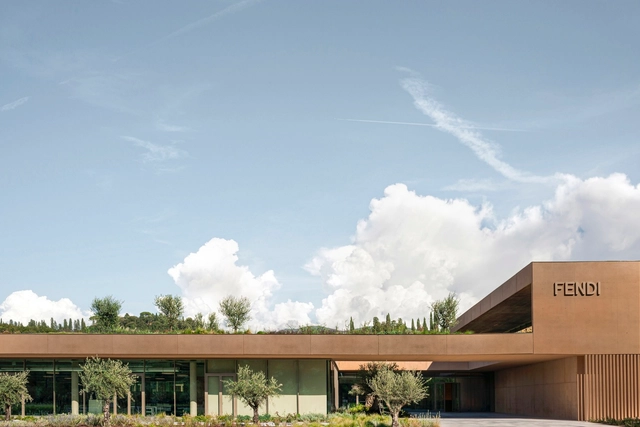
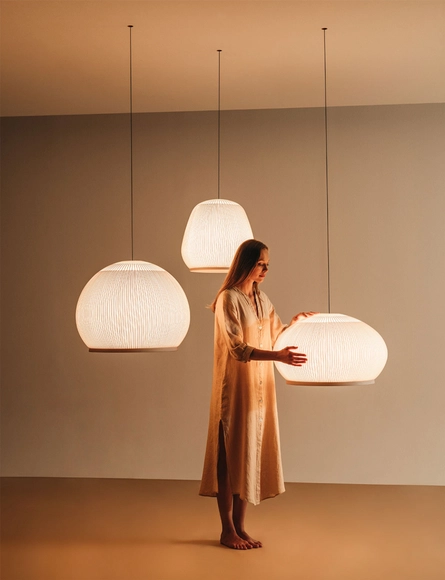
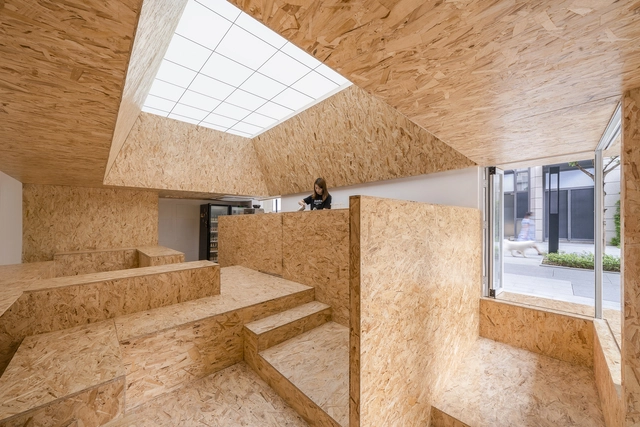
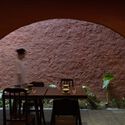
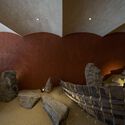
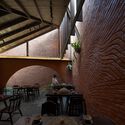
Flat and polished surfaces tend to evoke feelings of coldness and sterility, while raw, natural materials can create a sense of warmth and connection. Textures can trigger memories and emotions, connecting us to past experiences and the sense of touch. In the seminal book "The Eyes of the Skin", Juhani Pallasmaa emphasizes the importance of sensory perception in architecture and objects beyond sight, particularly the role of touch and texture in shaping our experience. According to Pallasmaa, contemporary culture, influenced by technology and visual media, has overemphasized the visual aspect of spaces, neglecting other senses, especially touch, which is vital for understanding and appreciating the surrounding environment.