



-
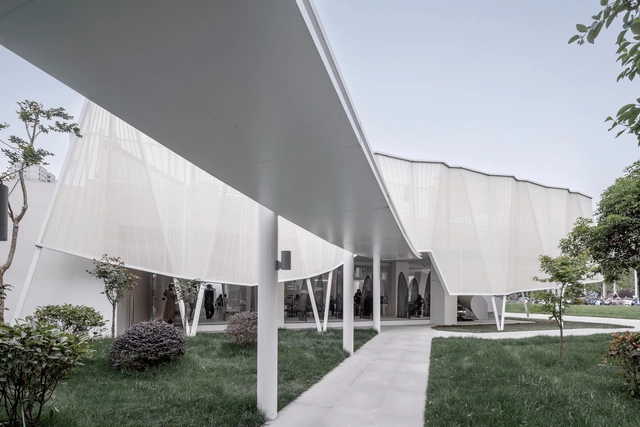
Architects: Mur Mur Lab
- Area: 1050 m²
- Year: 2021
-
Professionals: Shanghai Liyang Curtain Wall Design, KXL Viable Light Design
.jpg?1622826011&format=webp&width=640&height=580)
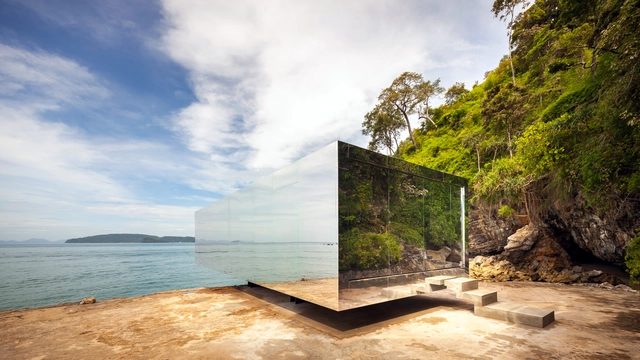


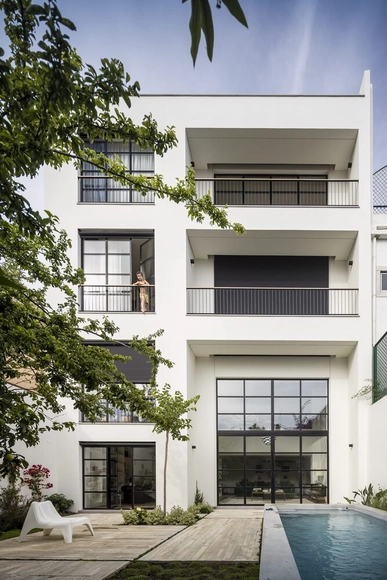
Beyond viewing the home as mere shelter and protection, there is now a much greater complexity of functions integrated into the elementary programs of dwelling. We no longer think only of spaces for sleeping, cooking, and bathing, but rather of a series of new programs that demand new spaces and configurations. Among these, leisure emerges as an activity integrated into living, in the form of backyards, swimming pools, and TV rooms.


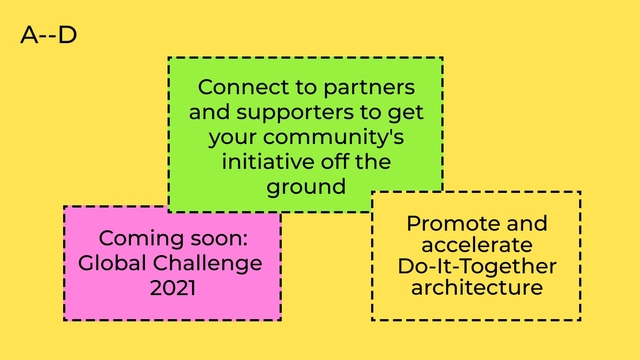
Architecture-in-Development (A--D) is launching the Global Challenge 2021, the 2nd edition, following the great success of the 2016 pilot. The Global Challenge 2021 calls for community-driven architectural initiatives that have radical potential to improve the lives of both rural and urban communities.
Enter the Global Challenge, connect to partners and supporters to get your community's initiative off the ground! The submission will be open from June 6 until July 25, 2021.
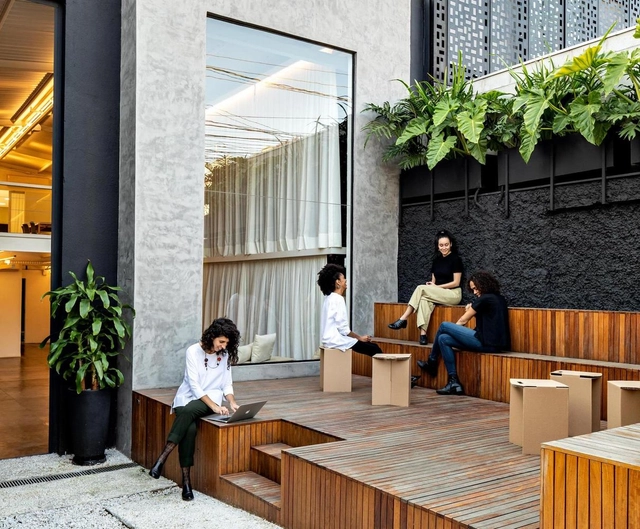
The Coronavirus pandemic demanded new needs and significant changes in our lives: in relationships, at work, in consumption habits, in increasing inequality. Indeed, the theme of workspaces came up in a historical moment when people saw their own freedoms limited for the first time in the postmodern era.
Most people were forced to work from home, and since the beginning of quarantine, reflection on the future of workspaces has become inevitable. Some interesting data show that the Coronavirus only boosted a practice that had been consolidating for years in some countries. According to the Global Workplace Analytics e FlexJobs, between 2005 and 2015, the number of professionals in the United States who do at least 50% of their work from home or elsewhere outside their offices grew by 115%, and today that number reaches 4.7 million, 3.4% of the strength of the job.


Are there more homes without people than people without homes? This recurring claim had already been described as a “myth” by urban planner Nabil Bonduki in 2018, but the persistent suggestion of a simplistic formula for solving the housing crisis deserves to be addressed once again. Recently, an article in Folha de São Paulo by urban planner Alexandre Benoit suggested that the approximately 300,000 vacant properties in São Paulo could be designated to “eradicate the city’s housing deficit.”

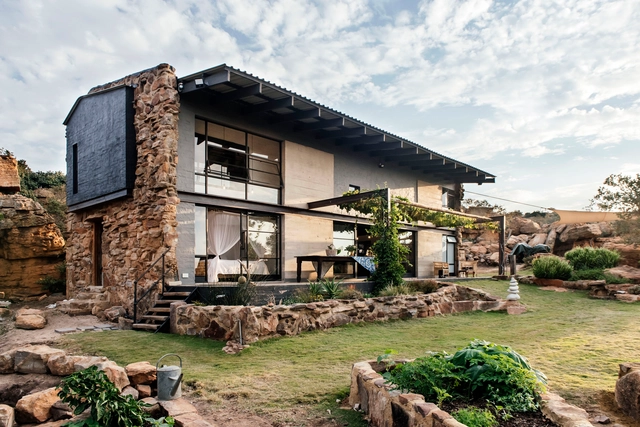


Marcelo Ferraz, founding partner—alongside Francisco Fanucci—of Brasil Arquitetura, an office that has garnered numerous national and international awards in recognition of projects that are deeply sensitive to their site, yet essentially contemporary, is this week's guest on Arquicast.


.jpg?1622826011)