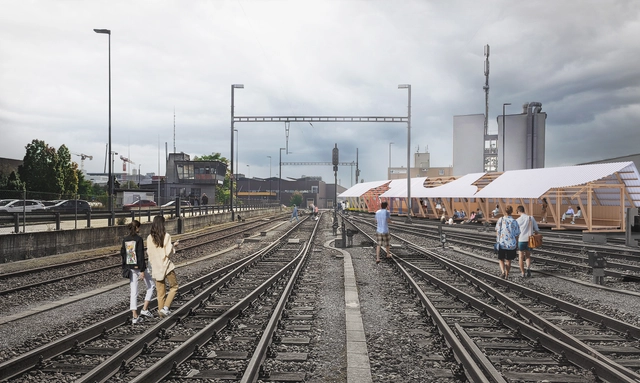
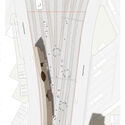
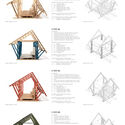
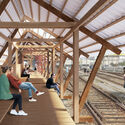
The new biennial event Architekturwoche Basel (AWB) will debut this May as a platform for discussing architecture and urban development through the lens of sustainable construction and the circular economy. The inaugural edition also marks the launch of the first Basel Pavilion, a temporary structure meant to showcase new possibilities for environmentally-friendly building practices. The winning design, “Loggia Basileana”, created by architecture practice isla, is made of reused building components and features a series of modules that form a continuous pedestrian passageway along the train tracks on the Dreispitz site.
Architecture, to materialize as a constructed and functional building, requires the collaboration of a series of disciplines. During the design stages, these complementary areas are added to the architectural design, attaching systems that help in the construction's functionality, known as complementary projects.
Pablo van der Lugt is an architect, author and speaker. His research focuses on the potential of materials such as bamboo and mass timber for the construction sector, and their positive impacts on the world. “Throughout my professional career both in university (including my PhD research on the carbon footprint of engineered bamboo and wood) and industry the past 15 years I have found there are many misconceptions about these materials which hamper their large scale adoption. For this reason I ‘translated’ my research findings into two contemporary books for designers and architects about the potential of bamboo: Booming Bamboo, and engineered timber: Tomorrow’s Timber. They aim to dispel these myths and show the incredible potential of the latest generation of biobased building materials in the required transition to a carbon neutral, healthy and circular built environment.” We recently had the opportunity to talk with him about these topics. Read more below.
Recent years have seen an increased acknowledgement of the collective endeavour that is architecture and a better valuing of the different professions that participate in the design process. Within every extraordinary building, structural engineering plays an essential role in delivering the architectural vision. The article highlights the past and present contributions of engineering to the built environment, personalities that have stood in the shadow of architects delivering their design intent, and the collaboration between engineers and architects today.
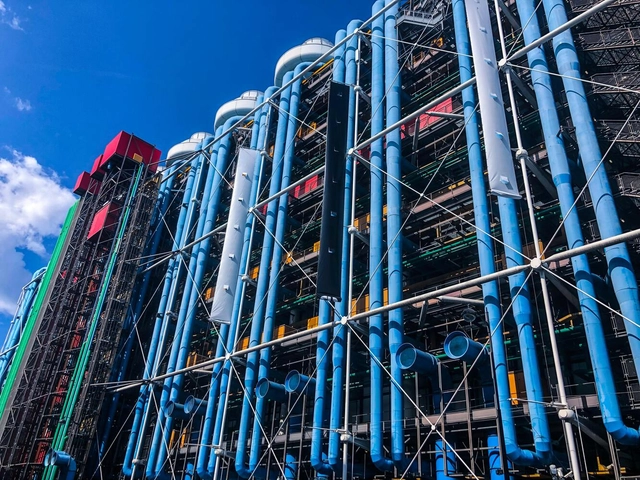
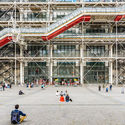
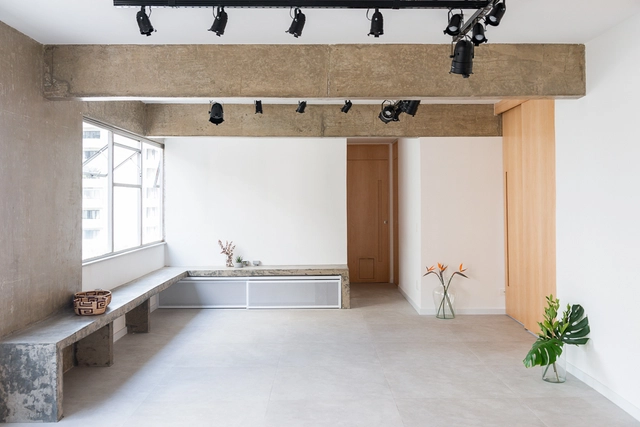
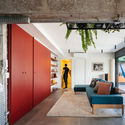
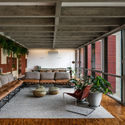
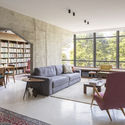
Many architects tend to prefer using materials and architectural elements in their natural or raw state. It is common to remove ceilings and finishings, especially in renovation projects, to expose a building's structure. This process of reclaiming the natural materials of construction - without incorporating elements to cover the framework, pipes, tubes, and cables - transforms these spaces into places that have nothing to hide.
Sustainable design is more than water, energy and carbon. For architecture, it is deeply rooted in an understanding of life cycles and systemic cultural change. Over the last thirty years, the word "sustainability" began to lose its weight as it transformed into a loosely defined buzzword. But the ideas behind the umbrella term have grown and expanded, and in turn, iconic new buildings are being designed to rethink what the future holds.
Stone Tower Research Project. Image Courtesy of Groupwork
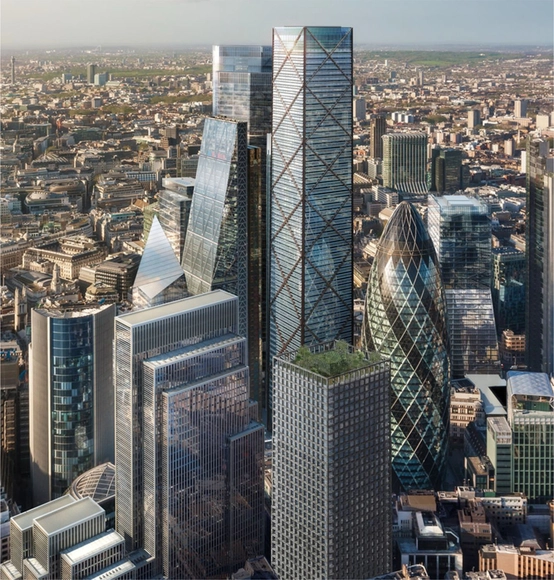
Groupwork, in collaboration with Jackson Coles, Eight Associates, Webb Yates, The Stonemasonry Company and Polycor, is investigating the possibilities to build large commercial buildings in stone, through the Stone Tower Research project and The New Stone Age exhibition.
Metsä Wood’s Hybrid City initiative is searching for ways to make construction more sustainable while maintaining efficiency using current building methods. Improving sustainability is imperative: construction alone uses 50% of the world’s resources. However, the transition will only happen if construction companies can maintain efficiency. The world needs a Plan B.
Conventionally used materials such as concrete and steel dominate the construction industry, and construction alone uses half the world’s resources and causes 30% of all CO2 emissions. Responsible construction companies are feeling the pressure to meet the growing demand for more sustainable building. The answer to this need, without compromising
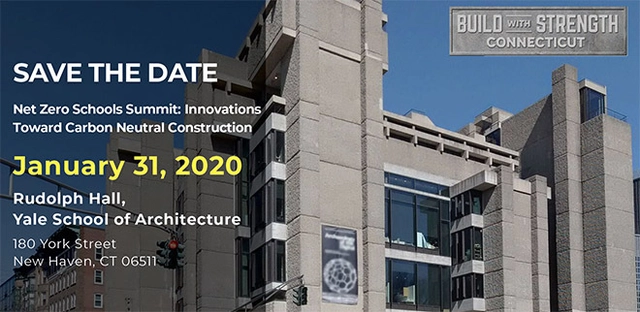
Net Zero Schools Summit, Rudolph Hall, Yale University
AIA Connecticut, in collaboration with the CT Green Building Council and the National Ready Mixed Concrete Association (NRMCA) is hosting their very first Net Zero Schools Summit at the Yale School of Architecture. A group of thought leaders and experts from across the country will discuss the issues of sustainability, carbon sequestration in construction, and construction methods to achieve Net Zero schools and move the design and construction industries toward a carbon positive future.
The Summit’s goal is to host a candid discussion of sustainability, planning & designing, and construction of Net Zero schools with a goal of providing
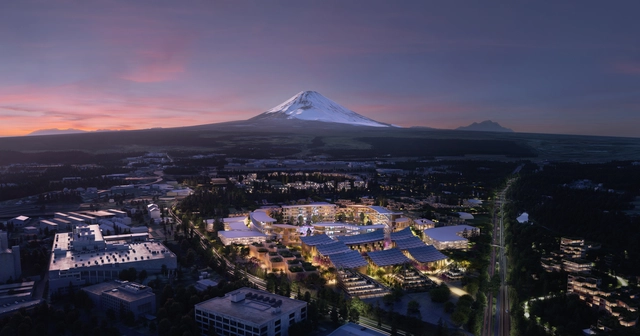
BIG unveiled its latest intervention, the Toyota Woven City, the company's first venture in Japan. Nestled at the foothills of Mt. Fuji, the project, in collaboration with Toyota Motor Corporation, is the world’s first urban incubator pushing forward the development and progress of mobility.
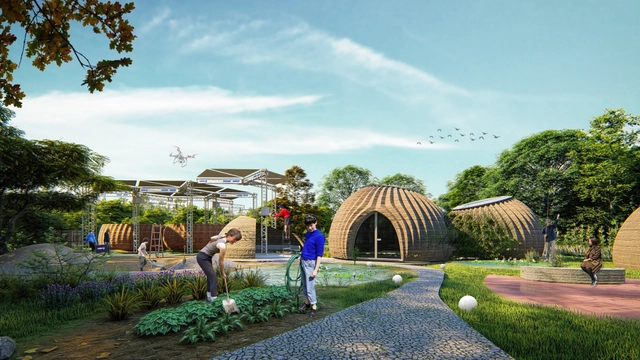
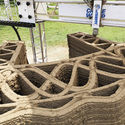
TECLA3DHouse daytime summer. Image Courtesy of Mario Cucinella Architects
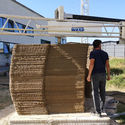
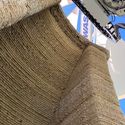
Designed by MCA - Mario Cucinella Architects, engineered and built by WASP, TECLA is a prototype of an on-site 3D printed habitat, launched near Bologna, Italy. The innovative model creates future housing solutions and re-questions the idea of living in the city. It provides a shelter for everyone, through a sustainable, low-cost and efficient method.
The independent juries will evaluate entries in the 6th International LafargeHolcim Awards for Sustainable Construction in five regions of the world. Each jury consists of nine experts in sustainable design and construction. The Awards seek real projects as well as bold ideas that combine sustainable construction solutions with architectural excellence. The competition offers a total of USD 2 million in prize money and is open for entries until February 25, 2020.
Emaar Development is hosting an International Open Design competition for the Design of The Landmark at the heart of the ambitious new world-class mixed-use waterfront development Dubai Creek Harbour. The Development is a 5.6 Million sqm site and is expected to have 48,500 residential units with a population of 175,000 residents, when completed.
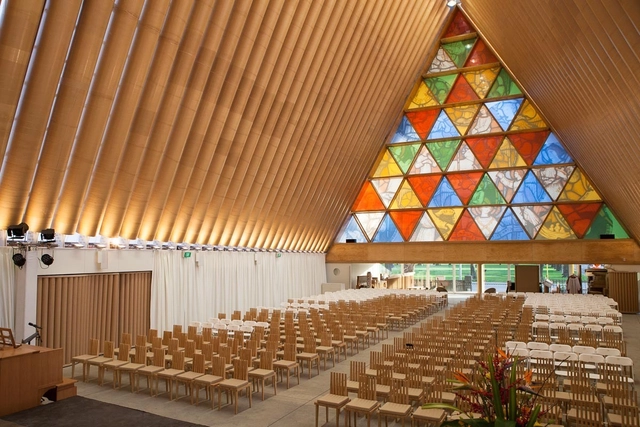
Cardboard tubes are so commonplace that we may no longer even notice them. Yet they are everywhere: in a roll of toilet paper, in the packaging of the college diploma, in fireworks, and in the tissue and paper industries. And now, more and more, they can be found in unusual places, such as on the walls of houses and buildings. The material is part of modern life and is being produced for a multitude of industrial applications and consumer products. The vast majority are used as structural cores in winding operations. Immediately after manufacturing, paper, film or textiles are rolled directly onto cardboard tubes resulting in a stable roll that is easily stored and transported.
Great school design is more than just a good piece of architecture. Particularly in vulnerable areas with poor public infrastructure, schools symbolize the role of the state and education as a transforming agent for social improvement. They can also become areas for community life, sports, courses, among other uses. Unfortunately, these projects do not always receive the attention they deserve.
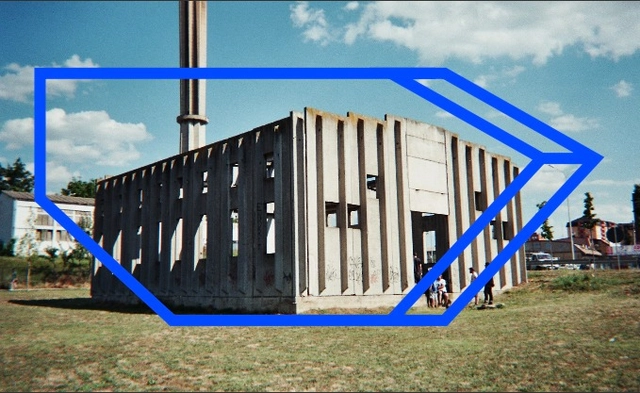
Schools require diverse and complex programs and flows, therefore, developing an educational project is one of the greatest challenges for architects. Due to the economy, rationalization, and speed of work, Brazil's largest portion of school projects are designed from prefabricated concrete elements with rigid modulations and, in rare cases, steel. But what may seem to limit at first, can actually become an exercise in structural creativity.
In an attempt to elucidate the systems used to materialize these projects, we've selected a compilation of seven prefabricated schools in plan and section to create incredible spaces for learning.




















.jpg?1583753140&format=webp&width=640&height=580)