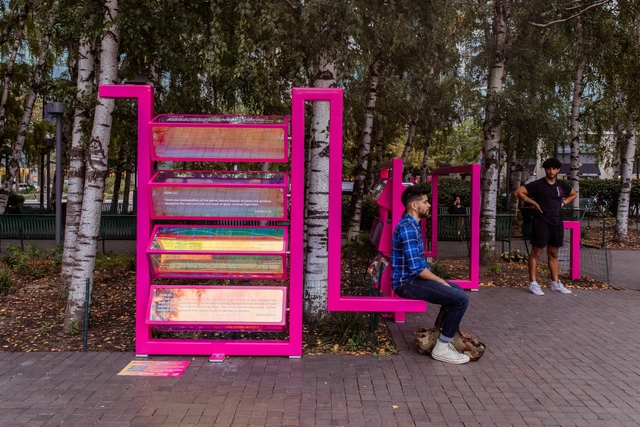
The Urban Conga has collaborated with HIVE Public Space and Long Island City Partnership on a new urban intervention titled "Ribbon", a vibrant and interactive installation for people to connect, share, and learn about each other's experiences in Long Island City, New York. Each unit includes kinetic pieces that rotate, reflecting the surrounding context and revealing different love notes written by locals to the city.
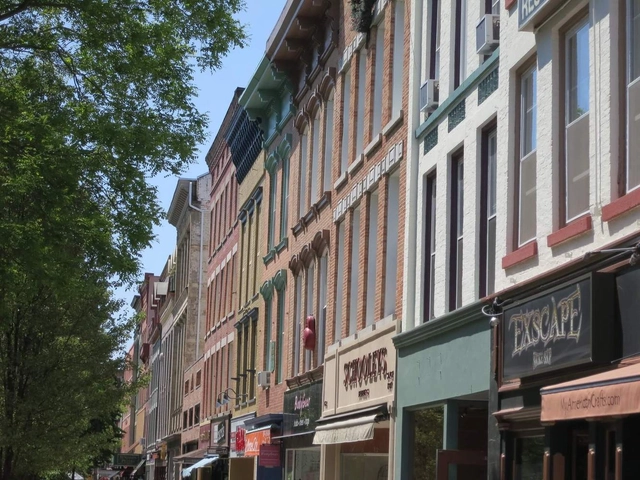
The Ithaca Commons, a downtown pedestrian mall, pictured in 2012.. Image via Paul Sableman/Flickr/CC BY 2.0
Last week, the Common Council of Ithaca, New York, voted to approve a first-in-the-nation decarbonization plan in which the roughly 6,000 homes and buildings located within the notably “enlightened” lakeside college town will be electrified to meet goals established by the city’s impressively aggressive Green New Deal (GND) plan. That carbon-neutral-by-2030 GND plan was adopted unanimously by the Common Council in June 2019 to “address climate change, economic inequality, and racial injustice,” per the city.
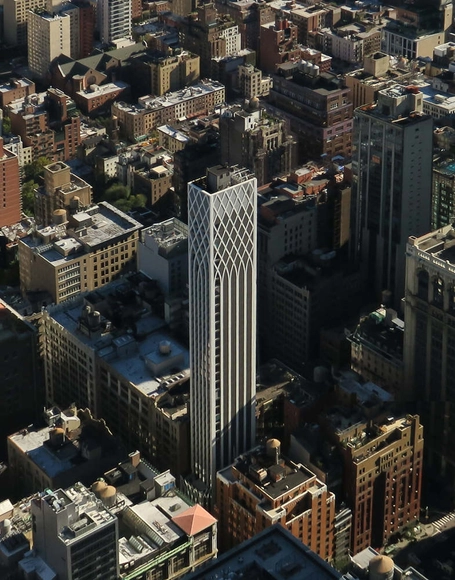
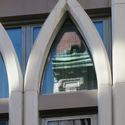
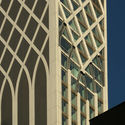
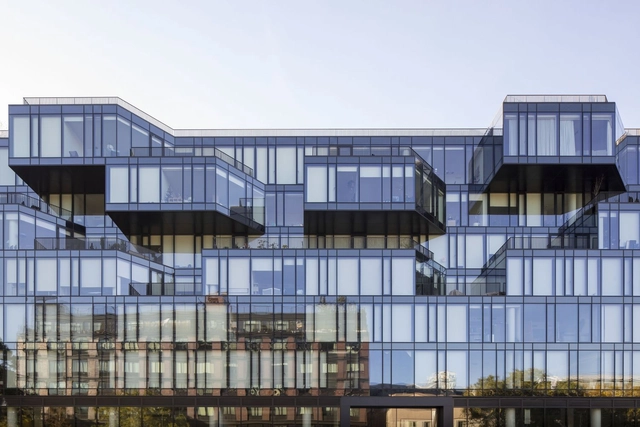
Architectural photographer Paul Clemence has released a new photoseries of 30 E 31, a luxury apartment tower in Midtown Manhattan designed by Morris Adjmi Architects. Inspired by classic New York skyscrapers of the 1920s, the architects reimagined NoMad’s Neo-Gothic and Art Deco architecture and designed a structure with a "distinctive lattice crown" that blends two architectural eras with the city’s iconic skyline.
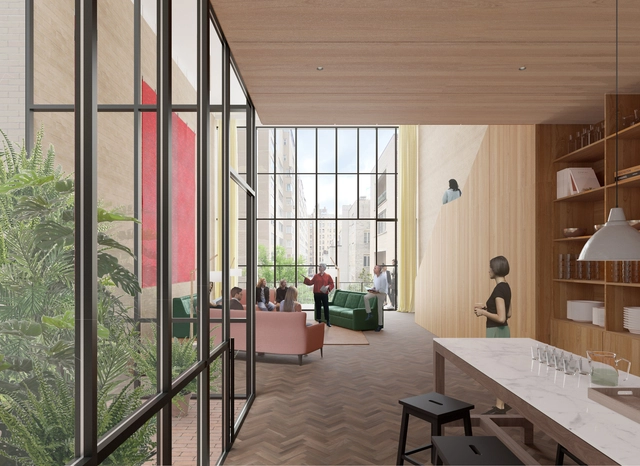
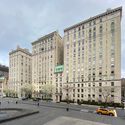
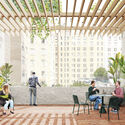
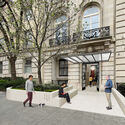
David Chipperfield Architects won the competition to redesign 1014 Fifth Avenue, a historic 1907 townhouse owned by the German government and used for cultural programming, into a space for meeting and dialogue. The project, titled "An Open House" and developed together with New York-based practices KARO Architects and Patarus Group, reorganizes the interior and creates the framework for cultural exchange while honouring the history of the building. Inspired by the interplay of public and private space within an ambassador's house, the project draws inspiration from the building's history as the home of the German Ambassador, with a design that balances public and private functions in establishing a new cultural institution.
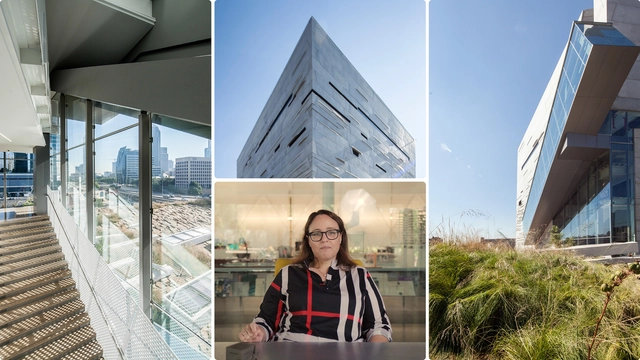
Morphosis has joined DesignClass, a growing collection of online classes featuring innovators from architecture, design, and creative leadership. Each class aims to build "curious and creative confidence" in future generations of creative professionals. Delving into design process, logic, and architecture, the new class focuses on how to translate ideas into dynamic architecture with one of the leading practices today.
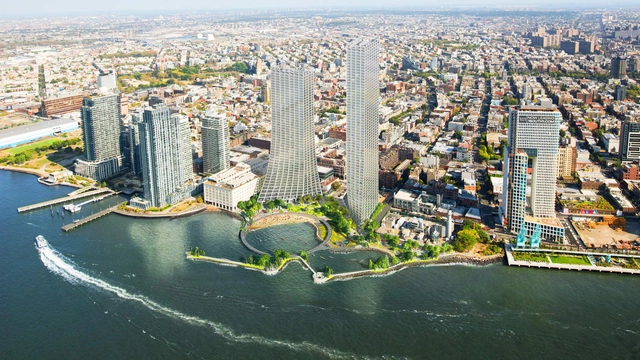
In this week's reprint from the Architect's Newspaper, author Patrick Sisson tackles the implication and participation of communities in New York in shaping their built environment, especially their waterfront. He also asks about the roles of representation and if "the city’s community boards and Uniform Land Use Review Procedure act more like gatekeepers than catalysts for equitable development?" especially that a lot of new developments are labeled as housing projects.
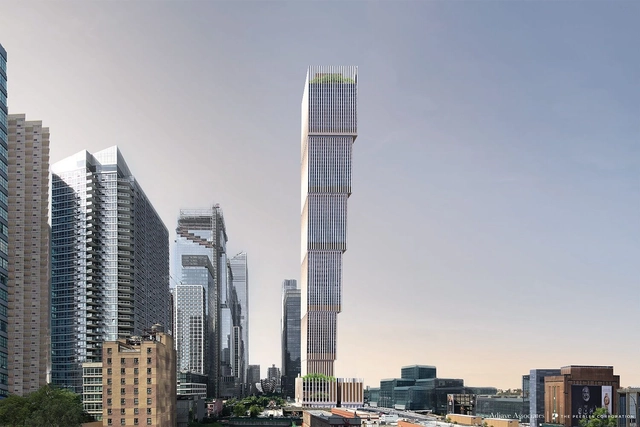
Courtesy of Adjaye Associates/The Peebles Corporation
A team competing to fill Site K, a vacant full-block plot of land directly across from the Jacob K. Javits Center in Manhattan between West 35th and West 36th Streets, has unveiled a scheme for a tower that, if built, would be Adjaye Associates’ tallest to date.
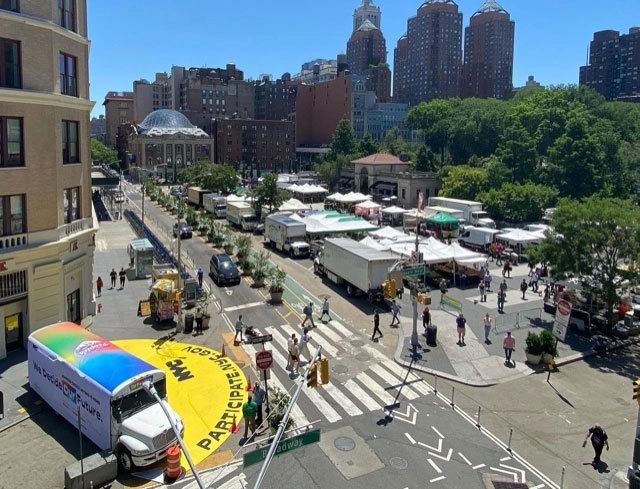
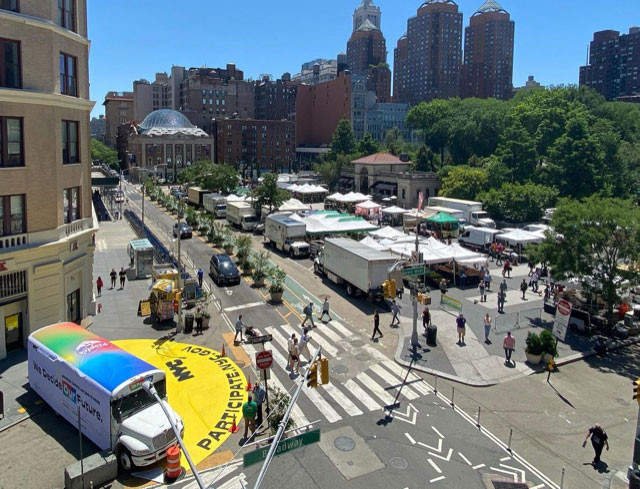
The NYC Civic Engagement Commission (CEC), Department of Cultural Affairs (DCLA), the Mayor’s Fund to Advance New York City and Public Artist in Residence (PAIR) Yazmany Arboleda officially kicked off The People’s Festival. This five borough series of outdoor events featured live performances, interactive workshops, and community information and resources. The festival was anchored by The People’s Bus, a retired city bus formerly used to transport people detained on Rikers Island.
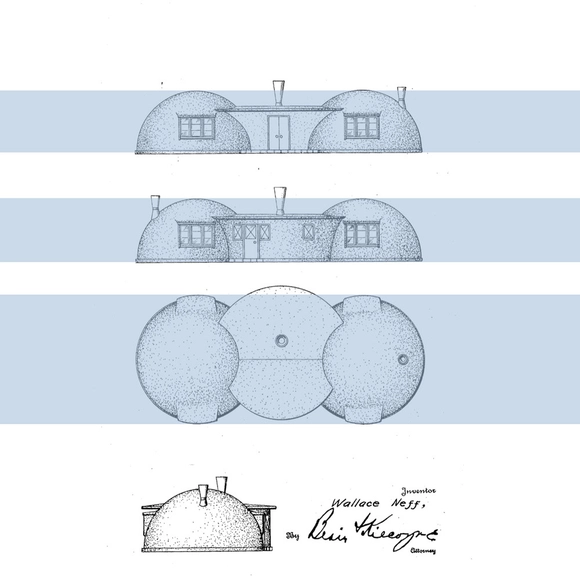
Following the Second World War, United States veterans and citizens were seeking a fresh start, a rightful place to live out their modern American dream. With a significant housing shortage looming around and fast-growing families, solutions had to be found to provide equitable living means for all. The development of new construction techniques and propagation of easy building materials promised an age of prosperity.
https://www.archdaily.com/969231/the-evolution-of-the-house-plan-in-the-united-states-post-war-eraAgustina Coulleri, Hana Abdel & Clara Ott
Skidmore, Owings & Merrill (SOM) and Brookfield Properties' Manhattan West, a six-building project, has opened to the public. Nestled in the heart of New York City’s Far West Side, the mixed-use development aims to link several New York neighborhoods and transform unutilized spaces above rail lines into new dynamic destinations.
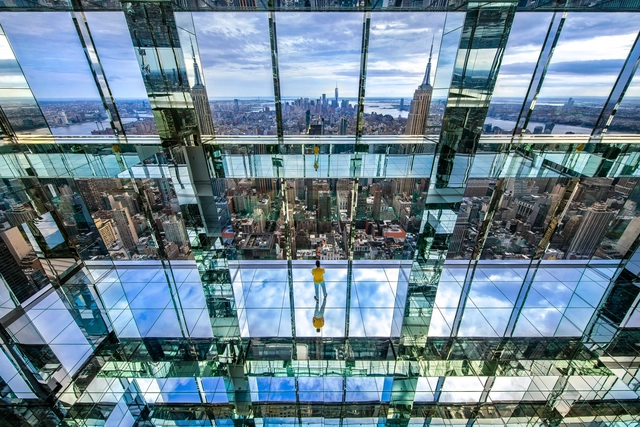
SUMMIT One Vanderbilt is New York’s latest observation viewpoint, soon opening to the public on top of the KPF-designed tower. Featuring an observation deck, skyboxes, an all-glass elevator, complemented by a walk-through art installation, the entertainment space designed by Snøhetta provides visitors with a multisensory experience.
Time magazine has released the World’s Greatest Places Of 2021, selecting 100 destinations from around the globe. With revitalized riverfronts, affordable artistic incubators, and superlative city-states, the list is a tribute to the built and natural environment that found a way “to adapt, build and innovate”, amidst the challenges of the past year.
Encompassing the world’s longest pedestrian suspension bridge, London’s Design District, new repurposed spaces in Helsinki, Historic gems in South Korea, and Hanoi’s renewed life in the old quarter, the World’s Greatest Places Of 2021 has a considerable selection of architectural destinations.
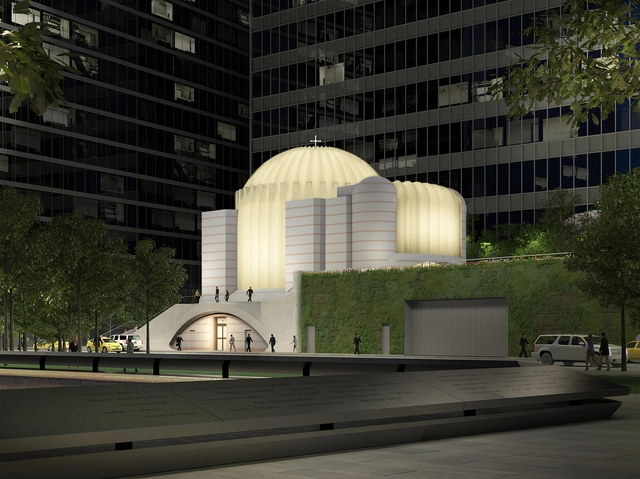
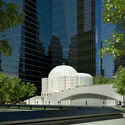
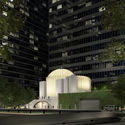
Spanish architect and engineer Santiago Calatrava is rebuilding World Trade Center’s St. Nicholas Greek Orthodox Church and National Shrine in New York City. The church, which was destroyed during the 9/11 attacks, began its reconstruction process in 2015, and is finally reaching completion in 2022. The new structure's design is inspired by a mosaic of Istanbul's Hagia Sophia Grand Mosque, formerly the Church of Hagia Sophia, which was one of the fundamental factors in defining the original architecture of the St. Nicholas Greek Orthodox Church.
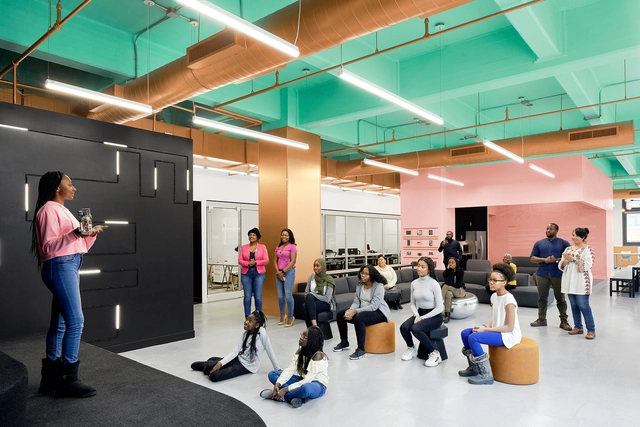
Last year, architect Danish Kurani completed a new tech lab in New York City in partnership with Black Girls Code. As a place where young women from all over New York can come together to learn about technology, the revamp project includes 3,900 square feet of space at Google’s New York offices that were turned into a tech exploration lab.
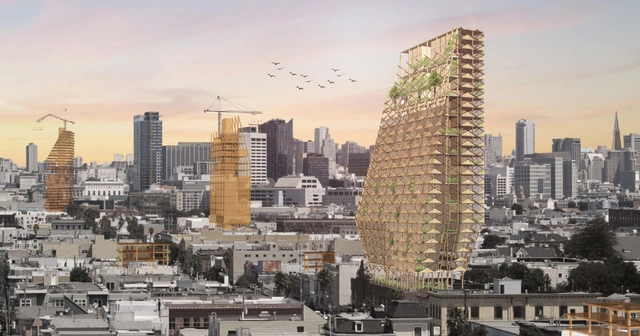
The potential for mass timber to become the dominant material of future sustainable cities has also gained traction in the United States throughout 2018. Evolving codes and the increasing availability of mass timber is inspiring firms, universities, and state legislators to research and invest in ambitious projects across the country.
https://www.archdaily.com/905601/4-projects-that-show-mass-timber-is-the-future-of-american-citiesNiall Patrick Walsh
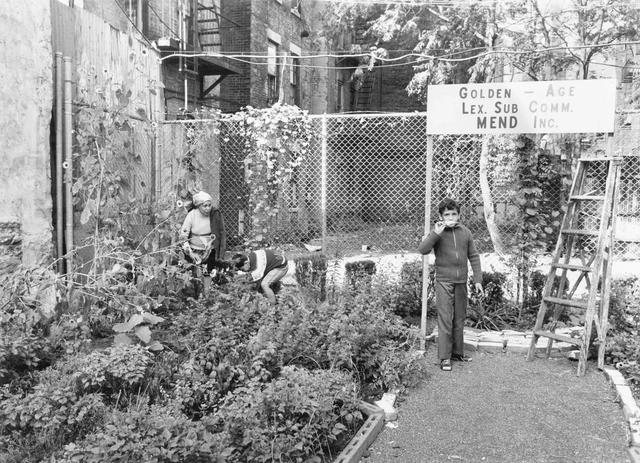
Mogilevich’s study of how the Lindsay administration leveraged political and on-the-ground will to build pocket parks, stump for closing streets and introducing outdoor dining, and reducing racial economic inequality could point the way forward for modern architects and planners. Image Courtesy of Minnesota Press
In this week's reprint from the Architect's Newspaper, author Karen Kubey, an urbanist specializing in housing and health questions if the invention of Public Space is "Invented Or Agreed Upon?" Basing her ideas on a book by Mariana Mogilevich, The Invention of Public Space, the article asks if public spaces are a product of negotiation in the city.

















.jpg?1632905825&format=webp&width=640&height=580)
.jpg?1632905809 "© Jakob Dahlin")
.jpg?1632905848 "© Lucas Blair Simpson © SOM")
.jpg?1632905796 "© Fadi Asmar © SOM")
.jpg?1632905825)