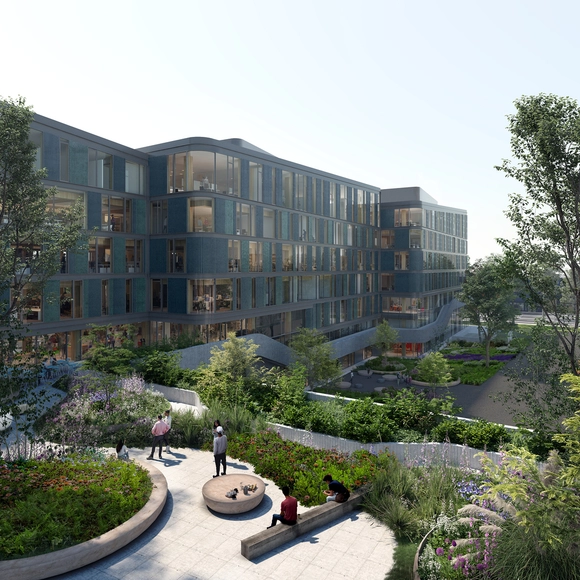
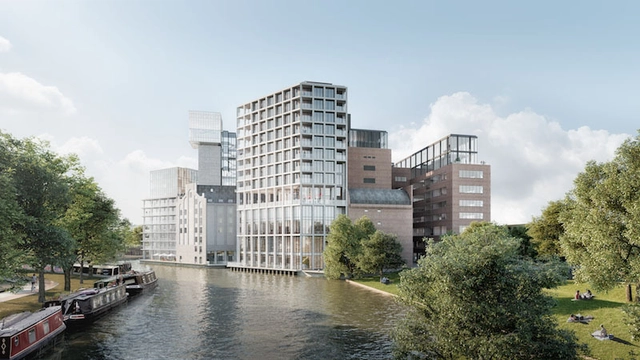
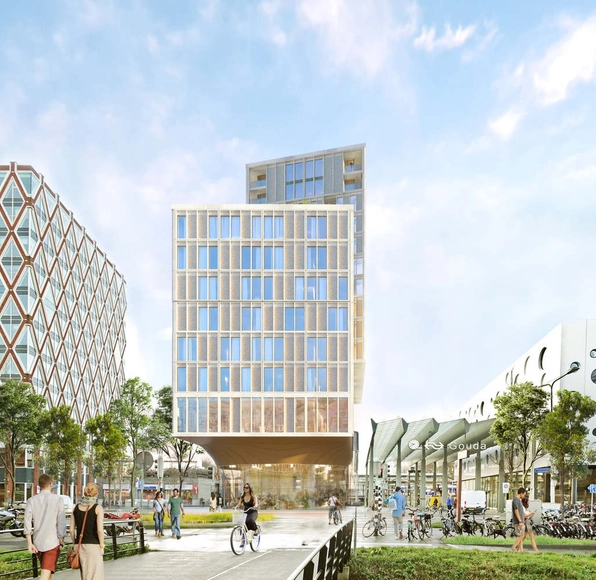
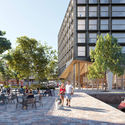
KCAP Architects & Planners have designed a new mixed-use building at the rail station of Gouda. The design takes the form of a public plinth with a program of hotel, apartments and amenities. Created for ABC Vastgoed, the project aims to enhance the areas surrounding the existing rail stop and its overall quality as the final piece in a larger redevelopment of the station's northern area.
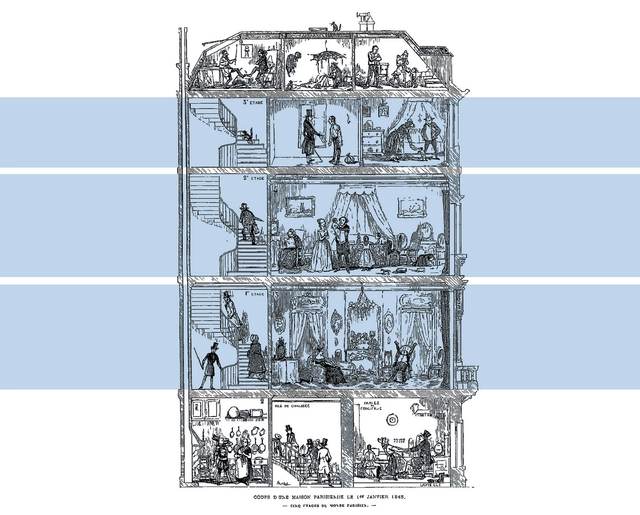
The introduction of new techniques and materials, along with innovations in indoor plumbing systems, resulting from the industrial revolution, paved the way for vertical living. Investigating specifically a period of time where a flux of population was driven to cities, and social class divisions were being questioned, this article looks back at the evolution of the house plan in Europe between 1760 and 1939.
Tackling the transformation of the housing unit during the industrial revolution all the way to the interwar period, this feature highlights four prominent examples that rethought traditional layouts and responded to the challenges of their time. Still influential today, the mentioned models, restored for use, happen to be part of the 21st-century urban fabric. Located in London, Paris, Amsterdam, and Moscow, the plans showcase the ever-changing interior wellbeing standards, directly linked to a broader metamorphosis, equalizing and providing for growing urban populations. Discover the evolution of living units from the Back to Back Houses to the Garden Cities of England; the Haussmannien Block, a Vertical Living for a Modern Bourgeoisie; the Extension of Amsterdam, from Alcove Housing to Social Housing Blocks; and the Transition Type House in Russia.
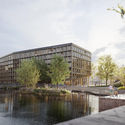
Landscape and architecture studios Felixx and Orange Architects have designed a new housing development in the heart of IJburg, Amsterdam. Rising atop an artificial island, the project is organized around the surrounding marina to provide family housing. The new residential building will include commercial and social programming, as well as new areas for the public realm.
Architecture and urban design practice SeARCH has unveiled a design for a new timber housing project on Amsterdam's Haveneiland, IJburg. The team is working with care institution Amstelring, sustainability specialist DGMR and healthcare real estate investor Apollo Zorgvastgoedfonds on the sustainable development. The energy-neutral residential building, entitled Eyckstaete, will be the first timber residential building to offer sustainable housing for the elderly on IJburg.
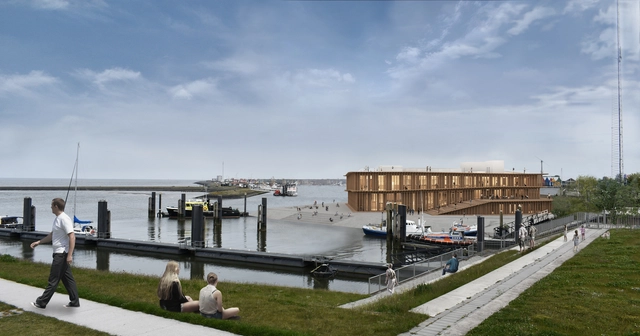
After the Wadden Sea Center in Denmark and the Trilateral Wadden Sea World Heritage Partnership Center in Germany, the Wadden Sea World Heritage Center marks Dorte Mandrup’s third project in this unique environment. Created as a spiraling movement upwards and around, rising from the harbor, the Wadden Sea World Heritage Center is a “working field station that wants to engage visitors and aims at making them active participants”.
A new masterplan and building scheme has been designed for the Codrico Factory and Rijnhaven in Rotterdam. With the overall plan created by Powerhouse Company in collaboration with developer RED Company, the proposal includes a series of buildings by Mecanoo, SHoP Architects, Office Winhov and Crimson Architectural Historians. Called the "Codrico Terrain", the project aims to celebrate local industrial heritage and embrace change for the future.
Four emerging architecture studio profiles from Belgium, Spain, Netherlands, Switzerland, Denmark, and Poland were chosen by New Generations, a platform that analyses the most innovative emerging practices at the European level, providing a new space for the exchange of knowledge and confrontation, theory, and production. Since 2013, New Generations has involved more than 300 practices in a diverse program of cultural activities, such as festivals, exhibitions, open calls, video-interviews, workshops, and experimental formats.
Team V Architectuur, an architecture office based in Amsterdam, is designing the new Dutch timber hybrid head office for DPG Media at the Amstel Business Park in the Netherlands. In collaboration with DELVA Landscape Architecture/ Urbanism for the landscape and outdoor space, the project will generate a 46.000 square meter of healthy and sustainable working environment.
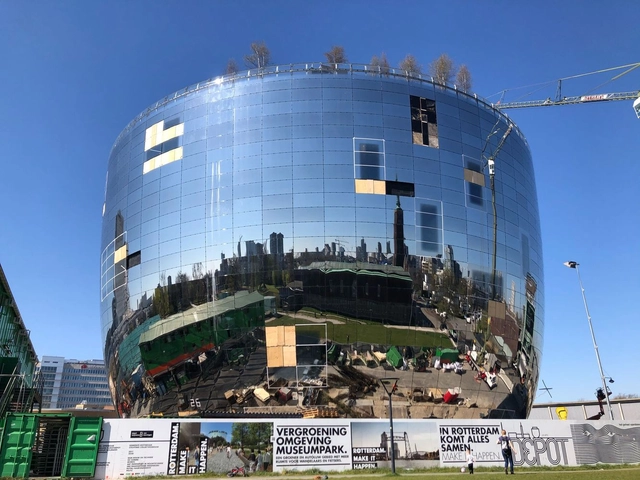
The public art depot for the Museum Boijmans van Beuningen, designed by MVRDV is nearing completion in Rotterdam. Scheduled for opening in September 2021, recent images showcase the installation of the first of 75 trees on the roof garden.
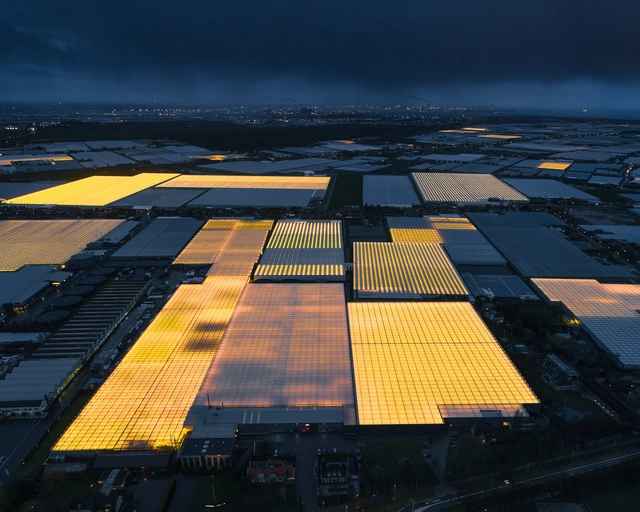
The Netherlands is the world’s second-biggest exporter of agricultural products. This is remarkable when one considers that the only country which tops the Netherlands, the United States, is 237 times bigger in land area. Nevertheless, the Netherlands exported almost $100 billion in agricultural goods in 2017 alone, as well as $10 billion in agriculture-related products. The secret to the Netherlands’ success lies in the use of architectural innovation to reimagine what an agricultural landscape can look like.
Part of a bigger vision and a master plan by Peter Zumthor, Studio Akkerhuis’ new 55.000 square meter project in Leiden’s 19th-century flour mill complex is under construction. With a landscape by Piet Oudolf and Lola, the development that recently won the "Future Project - Commercial Mixed Use” at WAF, will include shops, galleries, apartments, workspaces, a hotel, and a spa.
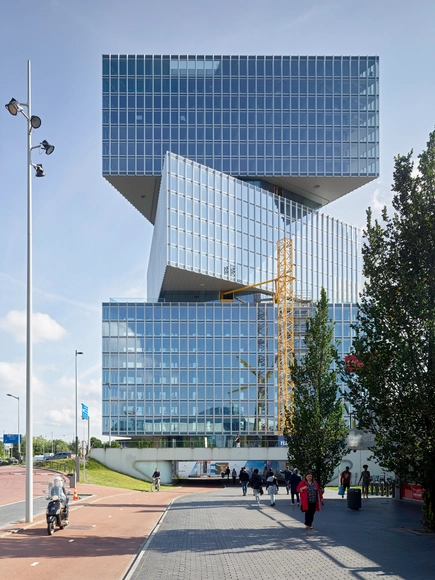
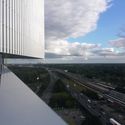
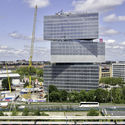
OMA have completed their construction works on their latest addition to the Dutch Skyline. The building composed of stacked three shifted triangular volumes will host the Nhow Amsterdam RAI Hotel, expected to become the largest hotel of the Benelux union once inaugurated.
In collaboration with Being development, OMA has won a competition to redevelop Van der Meulen-Ansemsterrein (VDMA) in central Eindhoven, in the Netherlands. The central site will be rehabilitated into “a vibrant urban hub with housing, offices, and public spaces.”
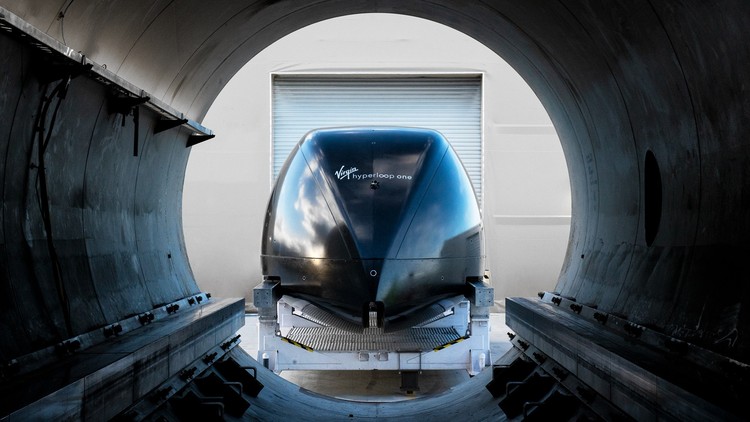
Between advances in autonomous technology and urban population growth, transit is being reimagined on the street and in the air. From public transit transforming to more user-centric mobility services, to rethinking regulatory and organizational status quos, advances in technology are expanding transit opportunities in cities around the world.
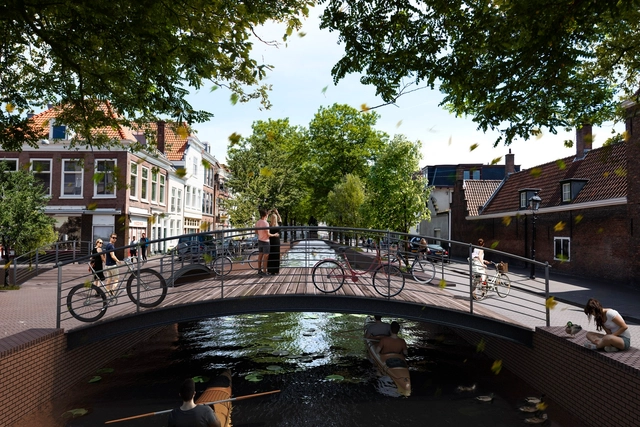
MVRDV has designed with local neighborhood organizations, a proposal to regenerate the canals of the city of The Hague, in the Netherlands. Filled-in during the 20th century, the canals will be reopened in order to revive the historic center and improve the city on the sustainable, economical and infrastructural levels.
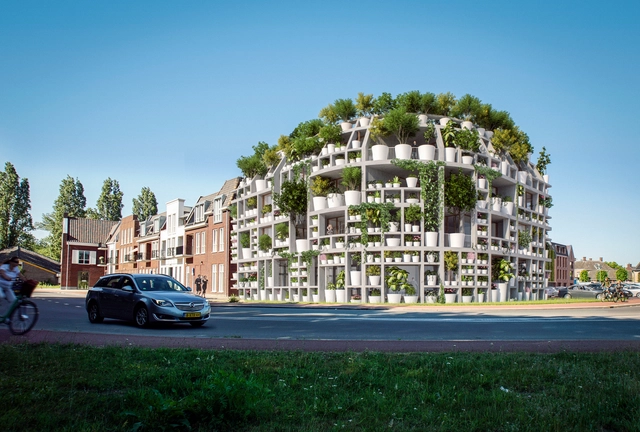
MVRDV has designed an office and residential building on a corner lot next to the Dommel river in the Dutch village of Sint-Michielsgestel. Made with a facade that takes the form of potted plants, the project uses a gridded “rack” system to cover the building’s entire exterior in a variety of plants. Designed with MVRDV’s co-architect, Van Boven Architecten, the team wanted to create a landmark project for the village while also being socially conscious and environmentally progressive.
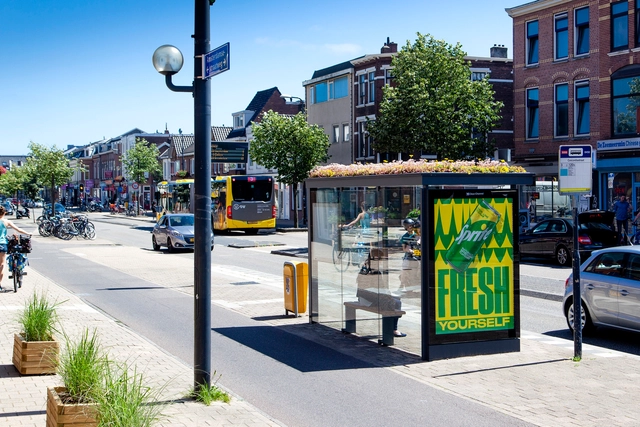
The City of Utrecht Council, in collaboration with advertising agency Clear Channel, has transformed 316 bus stops across the city into “bee stops.” The adaption involved installing green roofs onto the bus stops, creating bee-friendly spaces for the endangered species.


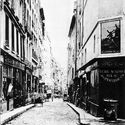
.jpg "Residential houses \"Eigen Haard\", Spaarndammerplantsoen, Amsterdam, Original state, 1915. Image Courtesy of Wikimedia")

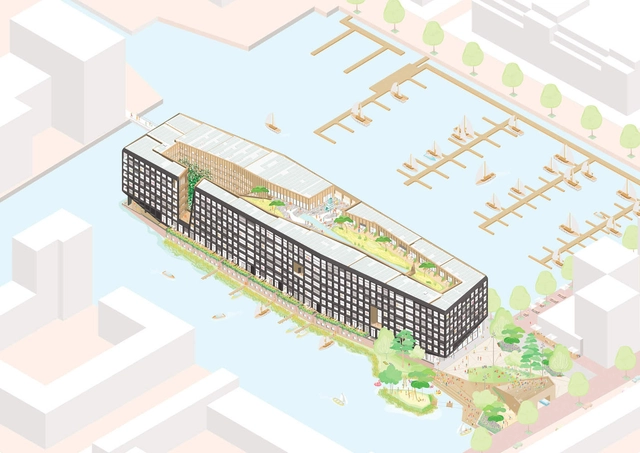
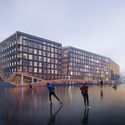
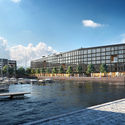

.jpg?1614899251 "Courtesy of Charlie Hui, Viswerk. 2020.")
.jpg?1614898654 "© Juju Berzô")