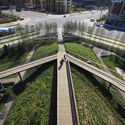
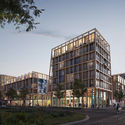
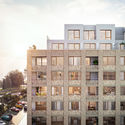
Designed for an insurance company, The Centraal Beheer building by Herman Hertzberger in Apeldoorn, Netherlands, is widely recognized as one of the high points of the structuralist movement. MVRDV, in consultation with Herman Hertzberger’s office AHH, is transforming the celebrated building, making it the centerpiece of a new sustainable residential neighborhood while preserving its structure and core principles. The project is part of a larger area of development, a three-hectare site near the city’s train station. MVRDV’s design proposal introduces approximately 650-800 homes while keeping the focus on preservation, greening, and innovation.
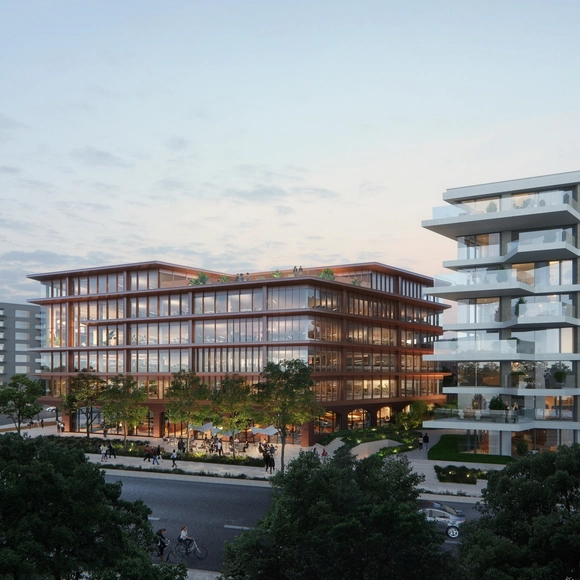
Powerhouse Company has revealed a new design for THIS., a new mixed-use development in Amsterdam’s North District. Overlooking the waterfront of the IJ river, the complex offers the necessary amenities for both working and living in an area close to the city center. The ensemble includes a new office building, two waterfront private sector residential buildings, and two social housing blocks containing a total of 2017 homes. A Hidden Garden, designed by Delva Landscape Architecture and Urbanism, connects the residential and office buildings, creating a space for leisure and social activities.
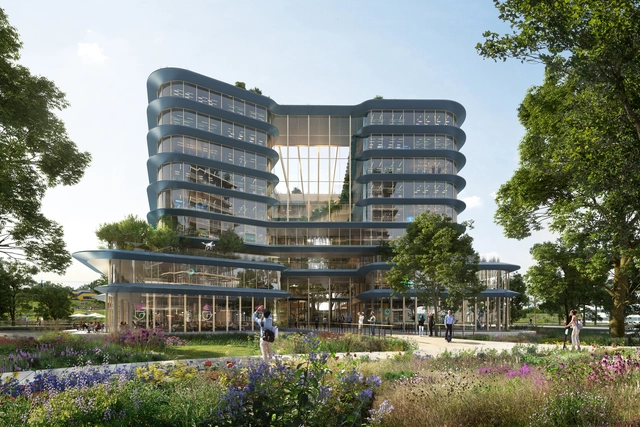
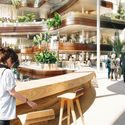
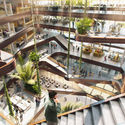
Powerhouse Company has revealed the design of the new IBMHeadquarters in Amsterdam, Netherlands. The architects drew inspiration from the client’s ethos to create a building that functions as a vertical city, with a large atrium conceived as the central social space and multi-tenant offices as neighborhood units. The 35,000 square meter building will house startups and scaleups in addition to the various amenities like fitness areas, restaurants, and lecture halls.
Amsterdam is one of the most beautiful cities in Europe. Its origins lie in the 12th century when fishermen living along the banks of the River Amstel built a bridge across the waterway near the IJ, then a large saltwater inlet. Most of the city’s territory is below sea level and therefore it lies on land that has been reclaimed from the water.
Amsterdam is all about practical urban planning, amazing cycling infrastructure, tulip-lined canal bridges, and old merchant houses that tilt at impossible angles. I visited Amsterdam again last year and discovered some new places.
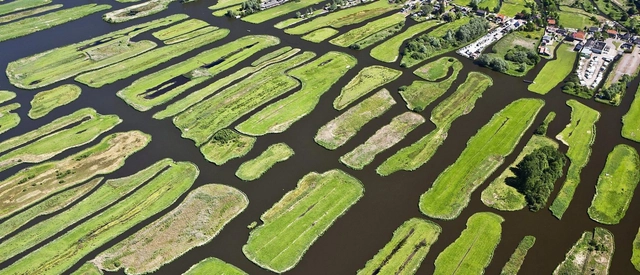
In April 1782, just six years after the Declaration of Independence was signed, John Adams arrived in Amsterdam as the first U.S. Ambassador to The Netherlands. Three months later, a consortium of Dutch bankers provided a 5 million guilder loan (equivalent to $150 billion today) to the new republic, a clear sign of my country’s confidence in the U.S. While I can’t provide a loan, as a Dutch water engineer I can offer something else to Americans: my country’s five centuries of experience living, working, and thriving below sea level. This is surely knowledge and knowhow that the U.S. will desperately need as water levels continue to rise and countless coastal communities are threatened.
https://www.archdaily.com/977124/sea-level-rise-could-the-netherlands-polder-system-work-in-theJan H. de Jager
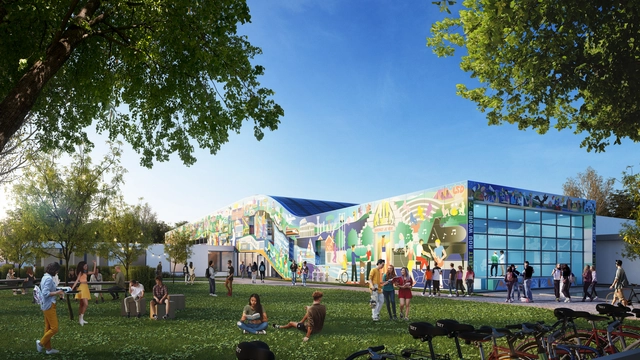
MVRDV founding partner Winy Maas and Theobert van Boven of Van Boven Architecten, two alumni of Gymnasium Beekvliet, are leading the transformation of their former highschool in the Dutch village of Sint-Michielsgestel. In addition to the renovation of the existing building, the design features a flowing, colourful extension accommodating a new auditorium, as well as art and culture facilities providing students with an engaging learning environment. The new structure features a printed façade showcasing artwork by Canadian visual artist Ian Kirkpatrick that provides a record of the school's 200 years of history while creating a new focal point for the school and region.
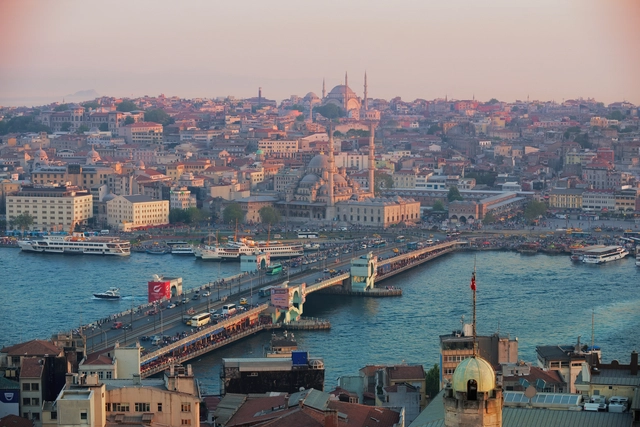
Istanbul, Turkey. Image via Shutterstock by kukuruxa
Bloomberg Philanthropies has announced the 15 winning innovations of its 2021-2022 Global Mayors Challenge. Hailing from six continents, the chosen projects "seek improvements in the areas of economic recovery and inclusive growth, health and well-being, climate and environment, and gender and equality". The winning cities include Istanbul, Rotterdam, Butuan, and Wellington, and will all receive $1 million and external support to develop their programs.
Powerhouse Company revealed its design for the new Tilburg University Lecture Hall, which upon completion, will be the Netherlands’ first academic building made of cross-laminated timber. Set within a wooded landscape, the lecture hall is a nod to the 1960s grade-listed Modernist architecture of the campus, echoing its monastic atmosphere through the rhythm of the windows and the limestone façades.
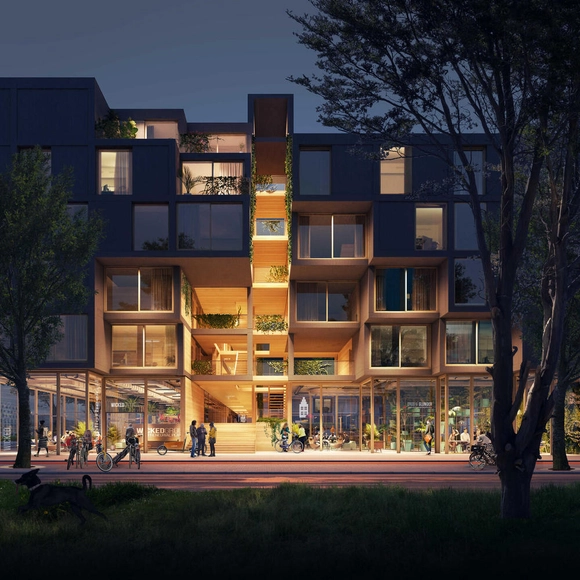
The first wooden housing modules of Juf Nienke, a new circular prefabricated timber housing project by SeARCH, RAU, and DS landscape architects, has been installed in Amsterdam. The project will feature 61 rental homes made entirely of wood, and will sit at the entrance of Centrumeiland, a newly raised piece of land on Lake IJmeer that features 1500 housing units. It is set to be one of the most sustainable apartment buildings in the Netherlands, incorporating an innovative cross-laminated timber construction and utilizing recycled materials.
MVRDV and Hyde Park BV have unveiled their design proposal of Hoofddorp's Station Quarter, a project that aims to transform the area around the existing station into an ecofriendly and affordable urban district. The masterplan will offer 8,500 housing units and renovated train, bus, and metro stations, providing a solution to the housing shortage and access to public transportation without compromising the quality of living.
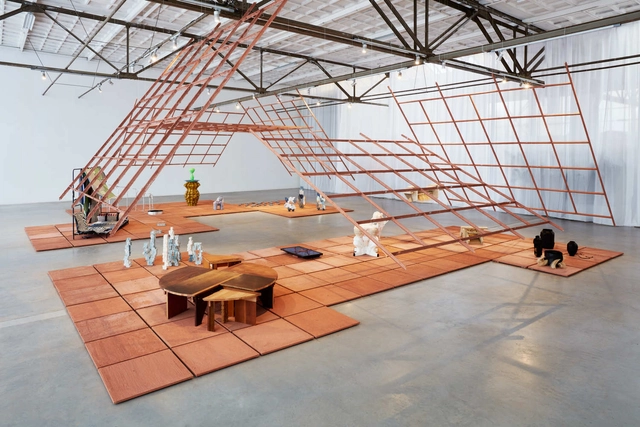
Under the theme of 'The Greater Number', the Dutch Design Week (DDW) returns with a physical edition from the 16 until the 24th of October 2021 in Eindhoven, the Netherlands. The largest design event in Northern Europe has decided for its comeback to tackle the notion of less consumption, less production, and less waste. Knowing that this is not always possible, the design happening also calls for more sustainable products with more value.
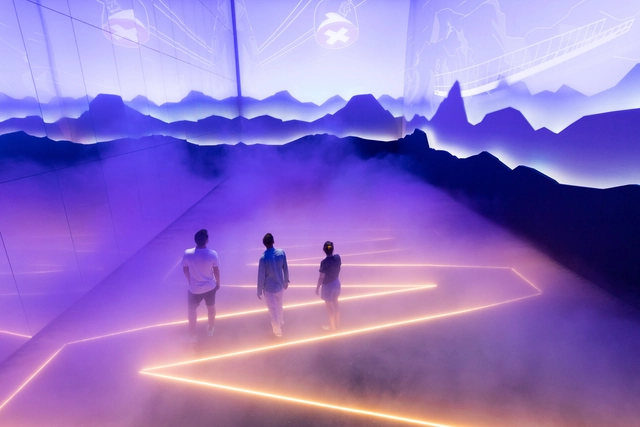
Striving to change the behavior of consumers and manufacturers, Dutch Design Week organized lectures, debates, and exhibitions, from which ArchDaily selected 8 architecturally relevant interventions to underline. Highlighting ideas that can shape a positive future, the list is mostly focused on future cities, while also tackling notions such as adapted realities, connected living, interactive experiences, and designing society.
Designing residential projects has become nothing short of a challenge. Whether it being for the housing crisis and its repercussions, the heightened environmental awareness, or the fact that people are spending more time inside their dwellings, architects are now focused on building projects that look beyond the typical house and that provide answers to questions like: how can architects offer residents privacy and comfort while maintaining a connection with the outdoors? And how can these spaces cater to the spatial and functional needs of all family members, especially when the lines between work, play, and rest are blurred?
From a Matrix-inspired housing compound in Saudi Arabia to the world's first steel 3D printed structure of modular houses in Sardinia, this round up of unbuilt apartments showcases how architects have reimagined the traditional residential typology, and looked into how these structures can cater to their users, the site, and the environment. This round up also includes projects from the Netherlands, Siberia, Sweden, and Italy.
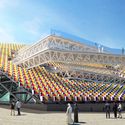
After a year delay due to the worldwide pandemic, October 1st saw the inauguration of one of the most anticipated events of the year; the Expo 2020 in Dubai. The event, which is being held for the first time in the Middle East, focuses on architecture, culture, and innovation, with over 191 national participants. The pavilions on display are divided into three districts: Mobility, Sustainability, and Opportunity, each showcasing how their country has contributed and will contribute to its respective theme. In addition to the national pavilions, each district has its own thematic pavilion: the Sustainability Pavilion “Terra” by Grimshaw, the Mobility Pavilion “Alif” by Foster + Partners, and the Opportunity Pavilion “Mission Possible” by AGi Architects.
Read on to discover 6 must-see national pavilions of each district that explored their designated theme in a unique and captivating way.
Five emerging architecture studio profiles from Switzerland, France, the Netherlands, Austria, the UK, and Slovakia have been chosen by New Generations, a European platform that analyses the most innovative emerging practices at the European level, providing a new space for the exchange of knowledge and confrontation, theory, and production. Since 2013, New Generations has involved more than 300 practices in a diverse program of cultural activities, such as festivals, exhibitions, open calls, video interviews, workshops, and experimental formats.
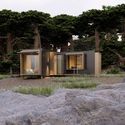
D Residence. Image Courtesy of Jemma Chidiac Achitects _ By JPAG.co
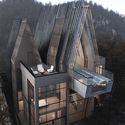
This week’s curated selection of Best Unbuilt Architecture highlights private residential projects submitted by the ArchDaily community. From futuristic private retreats on the coast of Hawaii to a mini-housing concept on the rocky cliffs of Montenegro, this article explores residential architecture and presents projects submitted to us from all over the world.
Featuring a secluded private residence that sits between a Persian mountain and river, an interior renovation of an 80's Mediterranean house, and a minimalist forest retreat, this round-up explores the diversity of private homes and how each design responds to its site's topography, context, and to the occupants spatial needs. The selection also includes villas in Lebanon, Iran, Tanzania, Netherlands, Ivory Coast, Kosovo, and Vietnam.
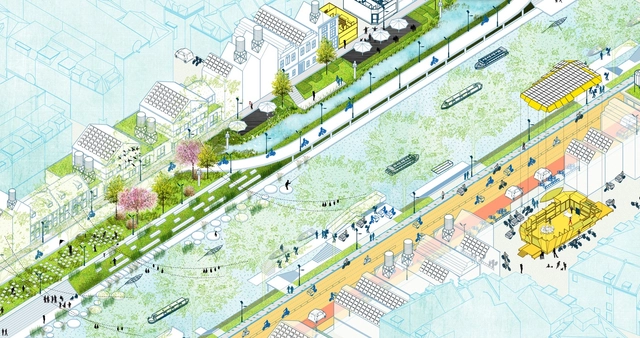
“Atelier Stad Breda”, 2015. In the image a series of design strategies touching upon energy, ecology and economy come together.
By some estimates, cities consume over two-thirds of the world’s energy, and account for more than 70% of global CO2 emissions: a figure sure to increase as the global migration from rural to urban areas continues. In the pursuit of exploring new models for how healthy cities could more effectively sustain these demands, Dutch design and research studio FABRICations has investigated how cities of the Netherlands can reduce carbon emissions through new design-led approaches.
https://www.archdaily.com/918940/6-steps-for-designing-healthy-citiesNiall Patrick Walsh
Recent extreme weather events and the acceleration of climate change, paired with decarbonization efforts that are not on track, make climate-related disruption unavoidable for urban environments, raising the issue of climate-risk adaptation. Moving past what can be done to prevent climate change, there is a strong imperative to develop strategies to prepare urban environments to cope with inevitable challenges such as sea-level rise, floods, water scarcity or extreme heat. The following discusses how cities can build resilience and adapt to undergoing and expected future climate threats.


Certitudo_HR.jpg?1655422317&format=webp&width=640&height=580)


.jpg?1655422503 "Herman Hertzberger - Centraal Beheer offices, Apeldoorn (1968-1972). Image via AHH, used under terms of \"fair use\"")
Certitudo_HR.jpg?1655422317)










.jpg?1643280352 "The World’s First Fully Accessible Art Depot Museum is Opening to the Public. Image © Ossip van Duivenbode / MVRDV")




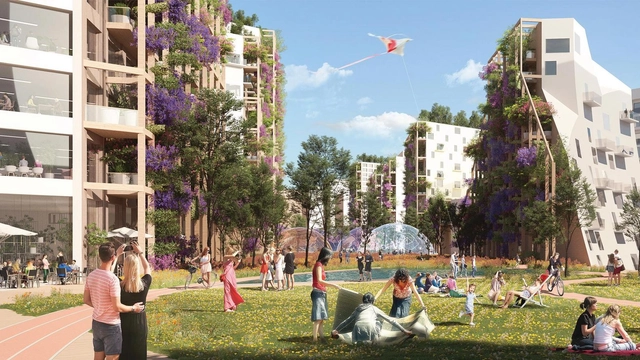

.jpg?1635756192 "Courtesy of MVRDV")
.jpg?1635756150 "Courtesy of MVRDV")







.jpg?1630414739&format=webp&width=640&height=580)

.jpg?1630414689 "D Residence. Image Courtesy of Jemma Chidiac Achitects _ By JPAG.co")
.jpg?1630414739)