1. ArchDaily
  2. NAQI & Partners

NAQI & Partners: The Latest Architecture and News

Green Interiors Trends From Around The World

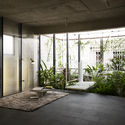
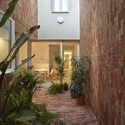
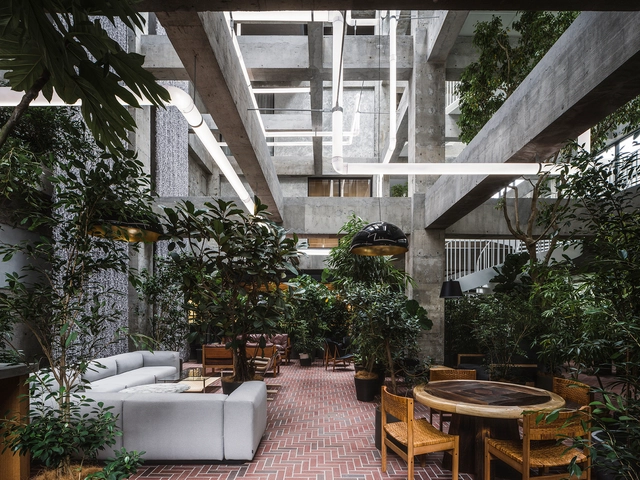
There is not enough that can be said about the benefits of incorporating plants in interiors or Plantscaping. Integrating vegetation indoors serves many purposes, whether practical, aesthetic, or psychological. Although there are basic requirements for incorporating greenery into Homes, well-thought-out plant selections and placements are characteristically different across the world. By going over recent interior works, a few recurrent plantscaping design patterns arose, each reflective of distinctive climates, building styles, and traditional building techniques.

While the type of the chosen plants varies depending on favorable conditions for growth and local availability, the main distinctions are related to the direct environment and display method in which the vegetation is set, as well as its intended purpose. While plants are there to offer mental wellness to some, they are essential for cooling to others, or could even be meant for small-scale farming.
Green Interiors Trends From Around The World - SustainabilityGreen Interiors Trends From Around The World - SustainabilityGreen Interiors Trends From Around The World - SustainabilityGreen Interiors Trends From Around The World - SustainabilityGreen Interiors Trends From Around The World - More Images+ 34

ArchDaily's Best Architectural Projects of 2025

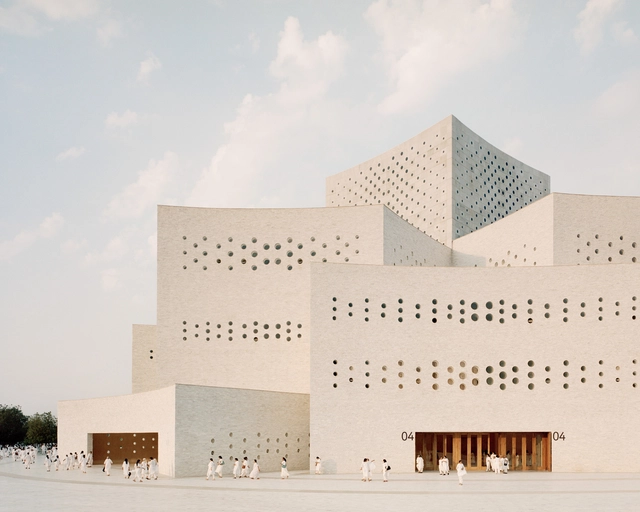
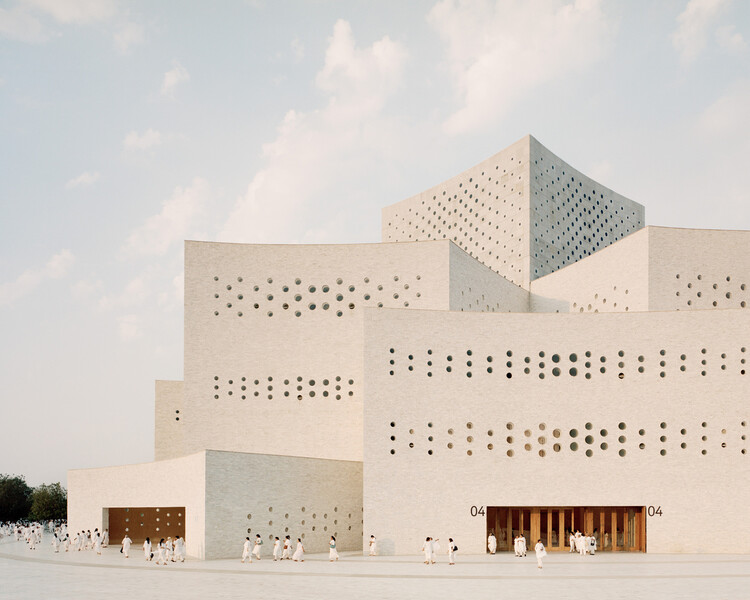
As the year culminates, it's once again time for the ArchDaily team of curators to reflect on the best-performing projects of 2025 and consider what readers were most interested in. Through this diverse overview, we assess the cross-continental similarities and differences in trends and construction development. This year brought us many grand cultural and public spaces by Lina Ghotmeh, BIG, Zaha Hadid Architects, DnA, and Serie Architects, who populated events like Expo Osaka and the Venice Biennale, as well as a surprising number of museums and public or landscape works in China and the rest of the Asian continent. However, while these were sought-after projects, the leading works remained, unsurprisingly, residential projects.

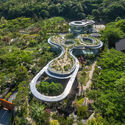
More specifically, the houses that were most viewed on the ArchDaily global site were concrete houses that bore considerable injections of greenery and landscape focus. They propose layouts highlighting voids and double heights, as well as inner courtyards or large openings to the exterior. While some references did suggest traditional or vernacular elements, modernist revivals were still predominant. Material trends are much more tame, with a recurrence of raw concrete use, as wood and stone were common accent elements. Still, the more interesting thing about the works this year is the efforts brought by architects in situating and setting the projects within their surroundings, bringing special attention to landscape and how projects merged with nature.

ArchDaily's Best Architectural Projects of 2025 - SustainabilityArchDaily's Best Architectural Projects of 2025 - SustainabilityArchDaily's Best Architectural Projects of 2025 - SustainabilityArchDaily's Best Architectural Projects of 2025 - SustainabilityArchDaily's Best Architectural Projects of 2025 - More Images+ 96

Vietnam’s Tube Houses: Architectural Strategies Under 100 m²

Subscriber Access | 

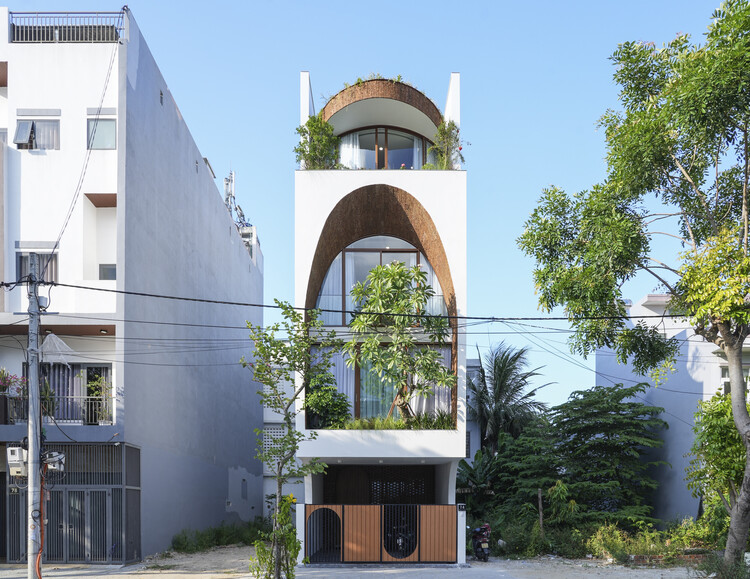
In Vietnam, the tube house has almost become a vernacular form in densely populated cities like Hanoi and Ho Chi Minh City. This typology originated from ancient façade taxes and as a strategic response to urban land scarcity and optimization of street frontage for commerce. Their traditional structure typically relies on the front façade for daylight and ventilation. People living there often face the challenge of designing in a space defined by the deep plots, limited street frontage, and close neighboring buildings, restricting natural light and airflow. To counter this fundamental lack of perimeter exposure, Vietnamese architects usually employ several strategies oriented towards internal environmental manipulation. This curated collection explores tube houses under 100 m2, where their small size increased the need for absolute spatial economy and the verticalization of function, which directly influenced design decisions across all projects.

Vietnam’s Tube Houses: Architectural Strategies Under 100 m² - Image 1 of 4Vietnam’s Tube Houses: Architectural Strategies Under 100 m² - Image 2 of 4Vietnam’s Tube Houses: Architectural Strategies Under 100 m² - Image 3 of 4Vietnam’s Tube Houses: Architectural Strategies Under 100 m² - Image 4 of 4Vietnam’s Tube Houses: Architectural Strategies Under 100 m² - More Images+ 5