Reimagining Office Spaces with Pods as Adaptation Tools

 | Sponsored Content

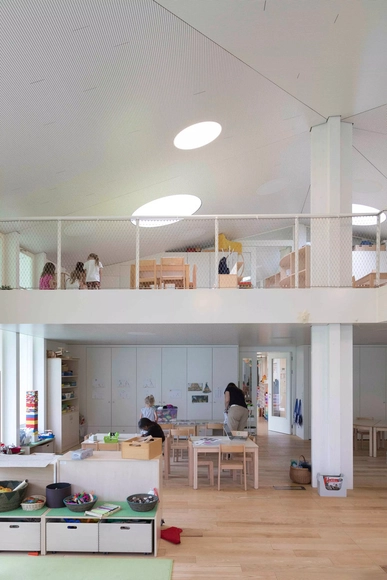
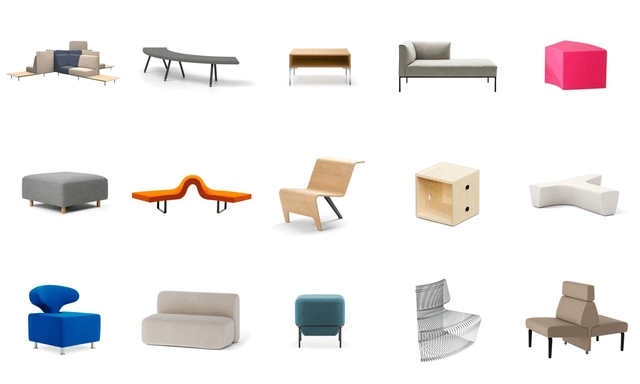
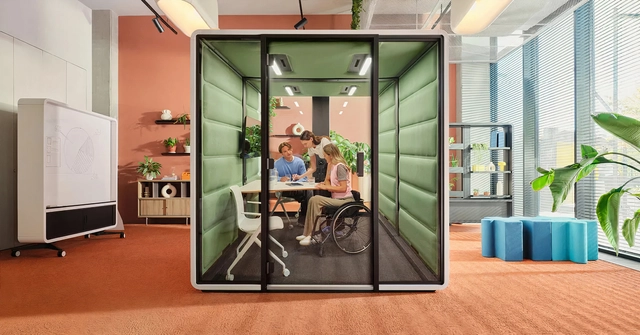
Work always evolved, adapting to the tools, technologies, and social structures of its time. In the earliest human societies, basic survival was the driving force behind labor, with hunter-gatherers dividing essential tasks to meet elementar needs. The Agricultural Revolution marked a turning point, introducing permanent settlements and specialization, which led to the emergence of labor division in ancient civilizations. As time progressed, the Middle Ages saw the rise of the feudal system, while trade and guilds laid the groundwork for a monumental shift: the Industrial Revolution. This era transformed work from artisanal, home-based production to centralized, large-scale factory systems.
Reinventing the Cooking Ritual with AI at the Heart of the Home

 | Sponsored Content

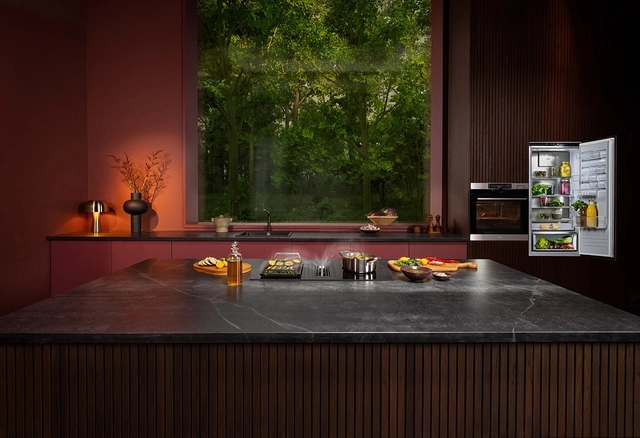
The role of the kitchen has undergone a remarkable transformation—evolving from a purely functional space into the central hub of the home, where creativity thrives and meaningful connections are made. This shift is closely linked to the growing popularity of cooking as a hobby, spurred by a surge in culinary-focused TV shows and dedicated channels. It reflects a broader cultural movement towards authenticity in an increasingly digital world—a counterpoint to the fast-paced nature of modern life that emphasizes a slower, more mindful lifestyle, often referred to as "slow living".

Facade as Identity: Exploring the Influence of Metallic Cladding on Design Expression

 | Sponsored Content

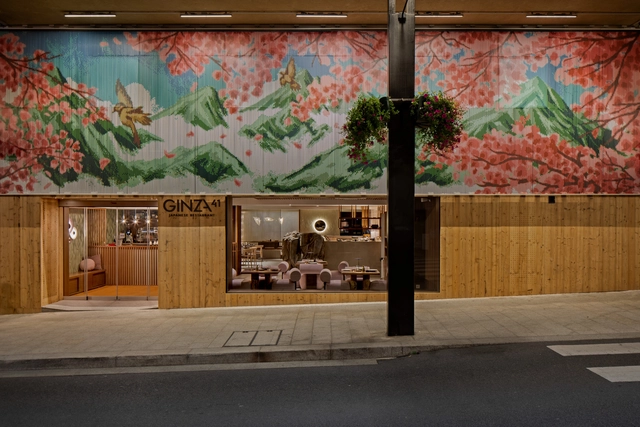
Through the creative manipulation of common construction materials and the exploration of elements such as form, light, texture, and space, architecture transcends mere functionality to become an artistic expression. Whether through the boldness of an innovative design, the harmony of balanced proportions, or the evocative use of materials, a building can transform into a work of art that inspires, intrigues, and evokes emotion. The design of the Ginza 41 sushi restaurant, conceived by architect Àfrica Sabé, exemplifies this approach. Its facade stands out in its surroundings thanks to solutions provided by Kriskadecor, a company specializing in customized metallic cladding. By utilizing a tensioned chain facade system that showcases a unique design, the project redefines the integration between architecture and visual branding.

Revamping Pool Design and Safety with Porcelain Solutions

 | Sponsored Content

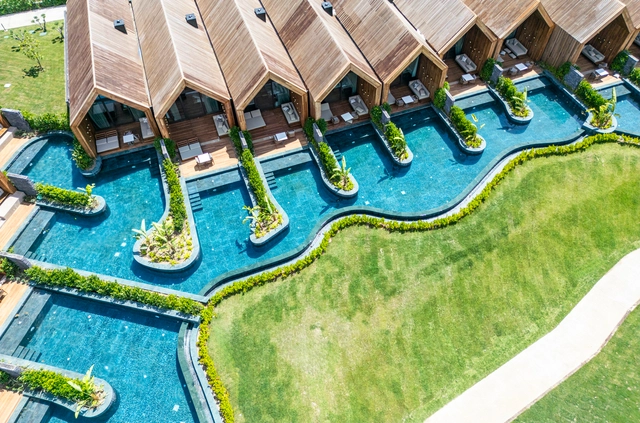
Pools have always symbolized luxury, leisure, and social interaction. Beyond their aesthetic appeal—where water dances across textures, movements, and reflections—they also serve functional purposes, providing relaxation, exercise, and entertainment. Their history dates back over 5,000 years to the Great Bath of Mohenjo-Daro in the Indus Valley (modern-day Pakistan), possibly used for rituals and communal practices. Later, the Greeks and Romans refined the concept, creating elaborate pools for bathing, sports, and social gatherings. The famous Roman baths, often heated and adorned with intricate mosaics, laid the foundation for modern spa and wellness culture, reinforcing the relationship between architecture, water, and quality of life.

Next-Gen Living: Customizable, High-Quality Bathroom Design Within Reach

 | Sponsored Content

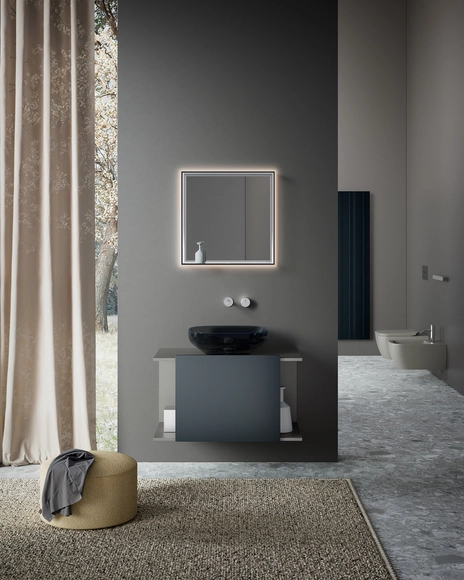
Every detail in the construction of an environment has a significant impact. The layout, composition, furniture, color range, and materials work together to create a cohesive and immersive experience in the perception of space. In bathroom design, this integration extends beyond aesthetics, aiming to ensure that every choice— from materiality to the form of furniture— contributes to economically viable, functional spaces with an aesthetic that doesn't rely on exclusivity. Architects and designers can shape diverse settings without sacrificing quality or visual coherence by focusing on cost-effectiveness and well-resolved solutions. In this sense, a democratic approach to design becomes a tool for creating environments where quality, functionality, and affordability are core principles.

Healing Light: The Impact of "Liter of Light" on Community Well-Being

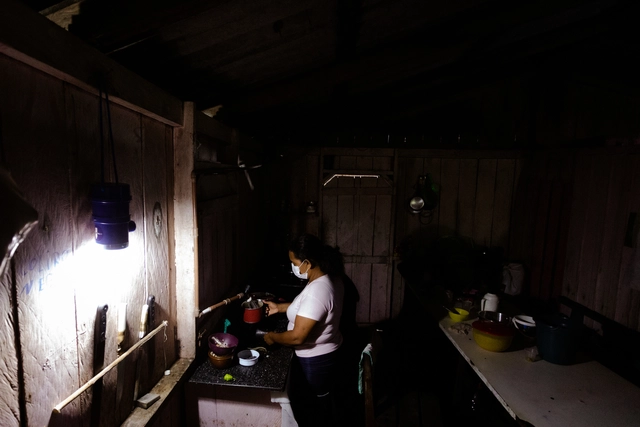
Sometimes, the simplest solutions are the most revolutionary and impactful. During Brazil's energy crisis in 2002, mechanic Alfredo Moser developed an accessible and effective way to illuminate indoor spaces during the day. Using only a PET bottle installed on the roof, filled with water and bleach, he harnessed the refraction of sunlight to bring brightness to spaces previously immersed in darkness. In self-built homes, where successive extensions often compromise natural light and ventilation, this solution makes a significant difference. Named the "Moser lamp," the invention produces illumination equivalent to a 60W bulb and gained worldwide recognition through various reports. Since then, the project has continued to evolve and adapt to the needs of modern communities, transforming lives through a solution that is as simple as it is highly intelligent.

Reimagining Gym Spaces: The Rise of Design-Driven Fitness Experiences

 | Sponsored Content

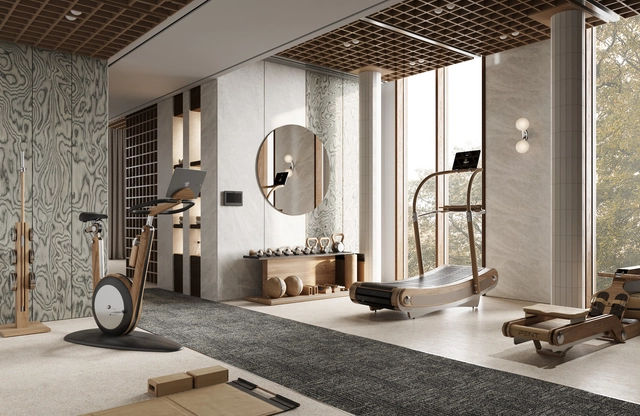
As time progresses, our understanding of the spaces we inhabit evolves in response to changing circumstances. This transformation is natural and essential, as architecture must adapt to the unique demands of each era. Recent global trends, particularly remote work, have highlighted the need for adaptability in design. Coupled with a generational shift that brings fresh perspectives on the built environment, these factors have driven notable changes in interior design, reshaping our understanding of comfort—not just at home but also in gyms, where people now spend more time. This evolution invites a reconsideration of how we engage with our surroundings based on our experiences. As a result, fitness spaces are undergoing an interesting transformation in light of these changing perceptions.

Frameless is More: How Minimalist Windows Shape Architectural Atmospheres

 | Sponsored Content

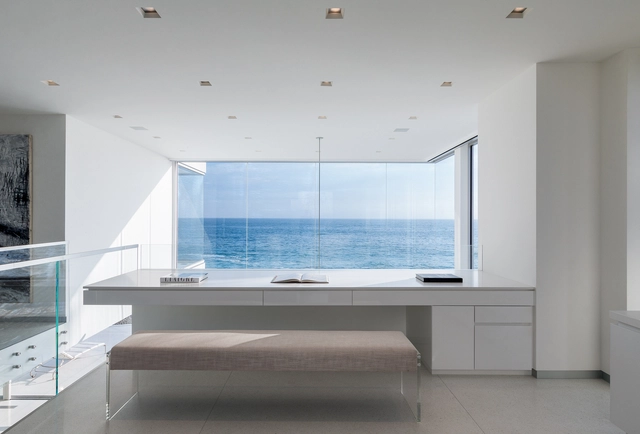
Challenging conventions has been a constant in artistic production throughout history, always seeking to reframe established limits. In the 20th century, societal, historical, and technological changes created the perfect context for profound architectural reconfiguring. In this process, modernism introduced new ideas around functionality, breaking with the ornamentation of the past. However, building on that foundation, minimalism further refined the reduction of form to its essence. Focusing on the relationship between space, restraint, and light, the Minimalist movement transformed contemporary architecture and interior design, turning windows into a fundamental resource for sensory perception and interaction with the atmosphere and space, opening up a realm of introspective, sensitive, and refined exploration.

Power Play: How Large-Scale Complexes are Leading the Charge with Solar Investments

 | Sponsored Content

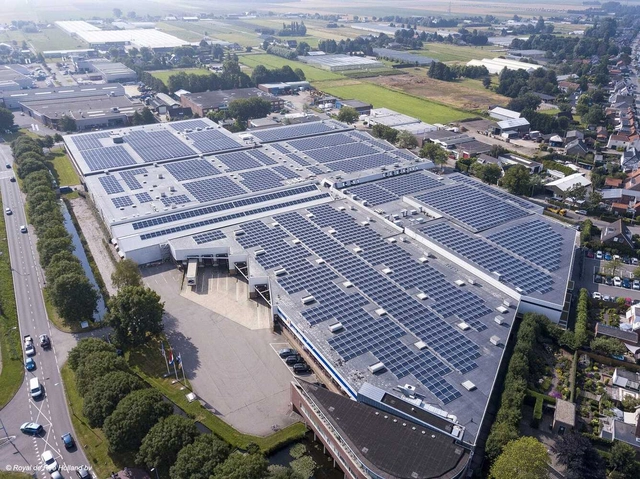
Transforming urban buildings into clean energy plants is a bold and powerful strategy to combat the climate crisis, reduce dependence on centralized grids, and promote more resilient, sustainable cities. Since 2010, cities have been responsible for over 75% of global electricity use, a demand historically met by fossil fuels as urbanization has increased since the Industrial Revolution. By the late 19th century, hydroelectric power began gaining relevance as a renewable alternative. However, with rapid advancements in solar technology, urban buildings now have the unprecedented potential to become self-sufficient power hubs.