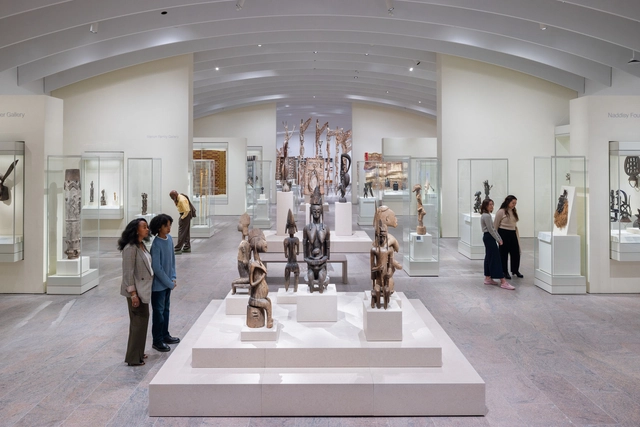
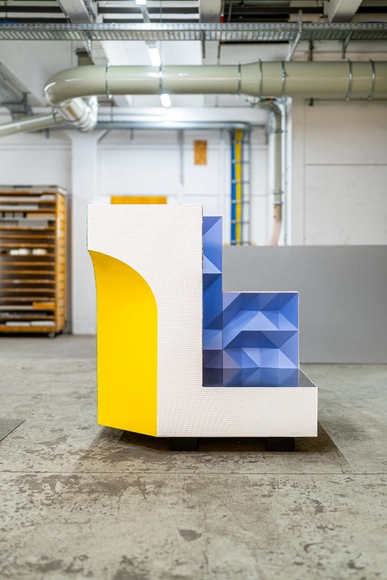
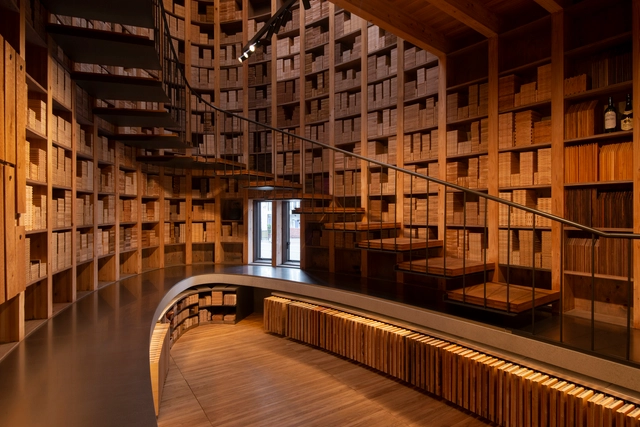
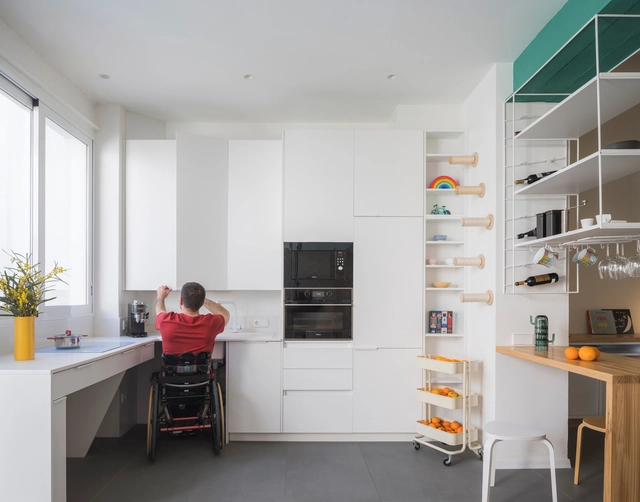
Founded in 1870, The Metropolitan Museum of Art — affectionately known as The Met — is one of the world's most important and visited museums, housing over two million works that span five millennia of human history. Located in the heart of New York City, alongside Central Park, the museum is celebrated for its vast and diverse collections, ranging from ancient Egyptian art to European masters and contemporary works. Paintings, sculptures, documents, historical artifacts, and multimedia pieces make up an ensemble that demands meticulously planned exhibition solutions to ensure both preservation and the effective communication of their historical and artistic value.
Building a monumental dome without the use of external iron chains or traditional centering was the enormous challenge faced by Filippo Brunelleschi at the Cathedral of Santa Maria del Fiore in Florence. To demonstrate the feasibility of his proposal and to guide the construction, he relied on a large-scale wooden model that played a fundamental role in studying proportions, the interlocking of ribs, and the innovative arrangement of bricks using the "a spina pesce" (herringbone) system. As an essential technical tool, this model — which is still on display at the Museo dell'Opera del Duomo in Florence — guided the master builders throughout the construction, establishing itself as a seminal example of the value of models in architectural planning, constructive communication, and experimentation.
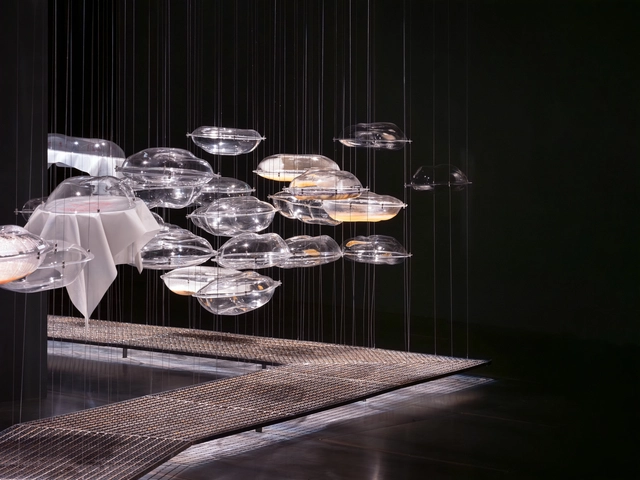
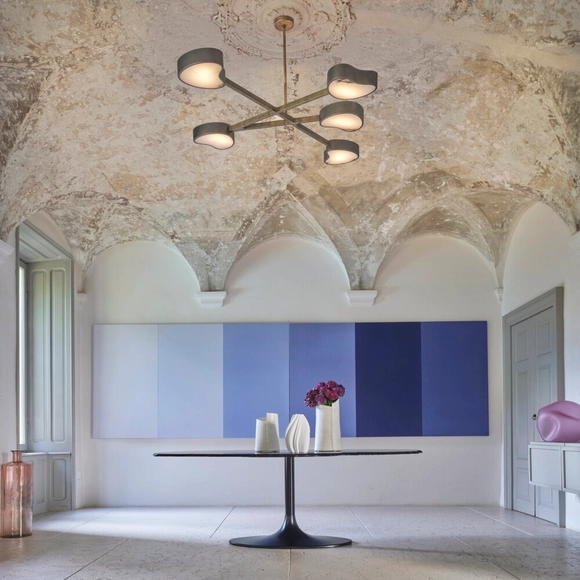
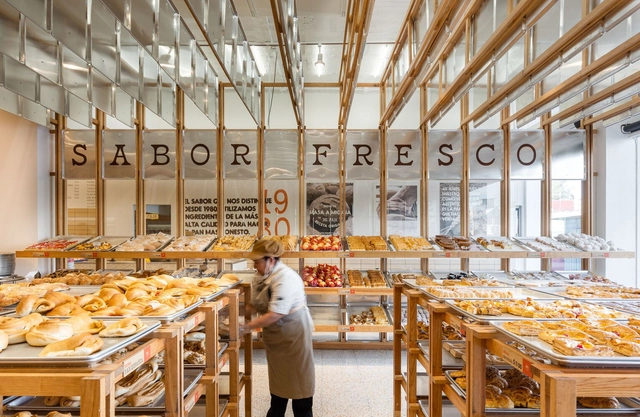
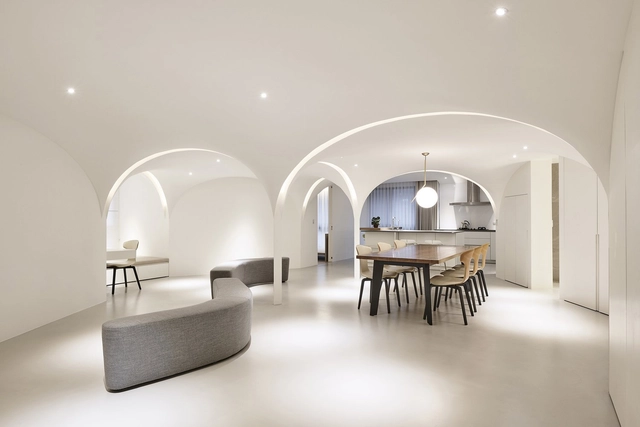
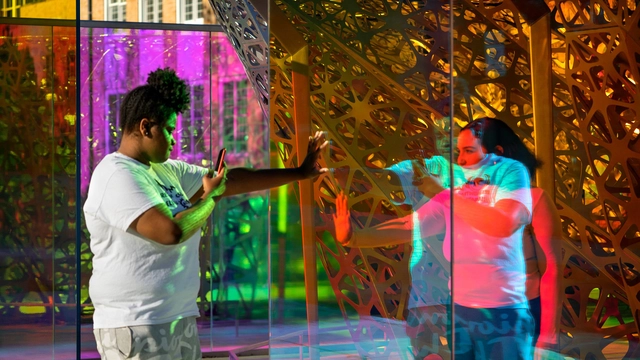
When creating exhibition spaces, the design of the experience, the proposed route, and the transmission of certain perceptions and senses contribute to establishing different bonds and connections between the displayed objects and their visitors. Understanding a showroom as a space designed to creatively and experientially showcase products and services, what design strategies could enhance users’ interior experiences? How does interior design engage in dialogue with exhibition architecture?
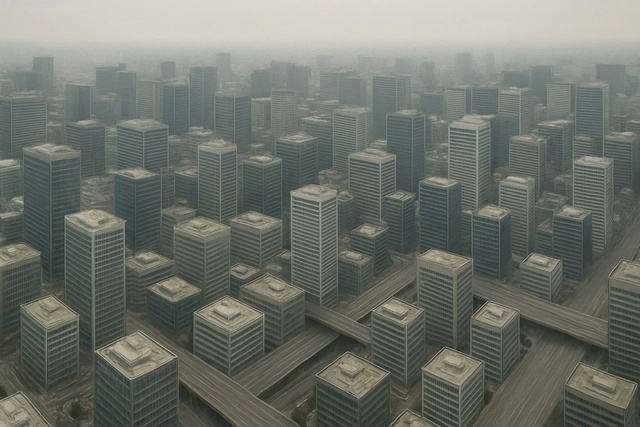
Space has become a luxury in many of the world's most densely populated cities—a growing reality that's hard to ignore. Megacities like Tokyo, Shanghai, Mumbai, Mexico City, and São Paulo already have populations exceeding 20 million, while other urban centers across Asia and Africa continue to expand rapidly. Among these, Delhi stands out: if current trends continue, it is projected to become the most populous city by 2028. As these cities expand, housing—especially new developments—follows a new logic: as square meters shrink, furniture adapts, and daily life learns to fit and thrive in high-density environments. This change isn't just about size; it reflects a new way of living. Where spaciousness once dominated, density now rules. Every corner gains spatial and commercial value, with the kitchen emerging as one of the biggest challenges in housing design today.
https://www.archdaily.com/1030485/the-kitchen-in-the-new-spatial-economy-5-contemporary-design-approachesEnrique Tovar
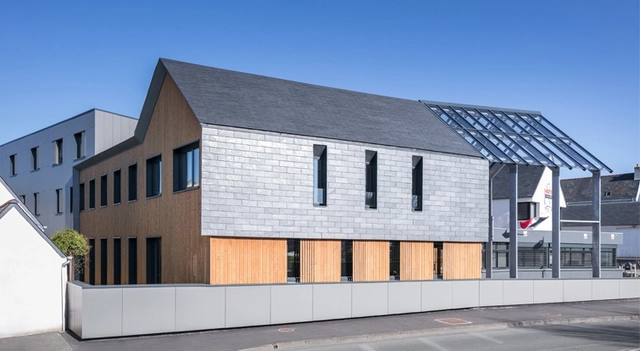
Haut Pays Bigouden / Pierre Brulé. Image Courtesy of Cupa Pizarras
Inspired by experimental solar houses developed after the 1970s oil crisis, the Passive House certification emerged in the late 1980s as a response to growing concerns about energy efficiency and the environmental impact of the construction industry. Its goal is both simple and radical: to reduce heating and cooling demands to an absolute minimum through passive strategies, controlled mechanical ventilation, and an extremely efficient building envelope — eliminating the need for complex or expensive systems.
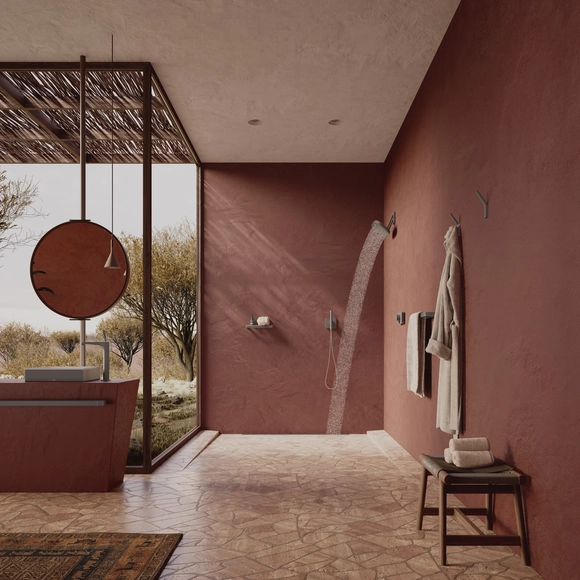
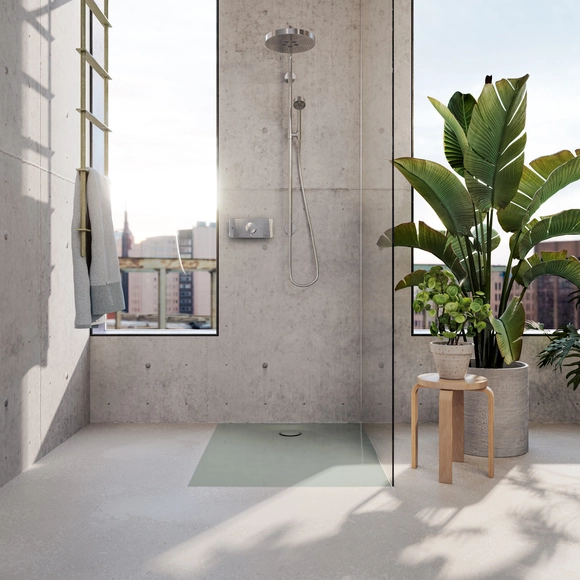
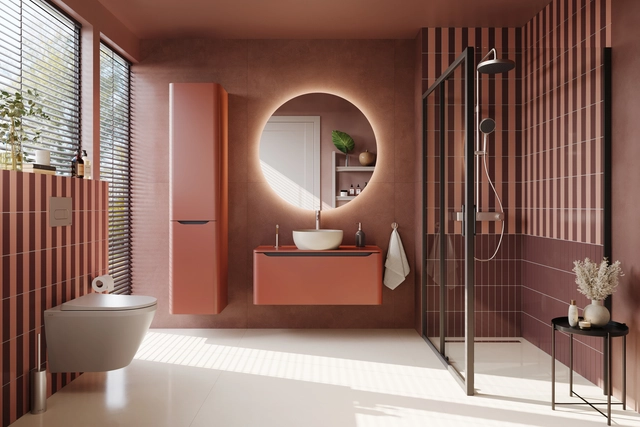
Water is a catalyst for sensory experiences: it manifests through direct contact when touched, through its presence when heard or seen reflected, and through its transformations—whether by temperature, from cold to heat, or by state, from liquid to vapor. It is a key element in designing for the senses, capable of evoking physically and emotionally perceived atmospheres. As Juhani Pallasmaa suggests, architecture does not address the eye alone but involves the whole body and sensory memory. The bathroom, in particular, concentrates much of the physical and emotional experience associated with water, opening up possibilities for creating environments that intensify that sensory connection. Consequently, the question arises: what elements or concepts should shape this space so that the shower experience escapes the ordinary?
https://www.archdaily.com/1030230/the-bathroom-reawakened-contemporary-design-concepts-for-a-sensory-experienceEnrique Tovar
A pavilion in a Biennale serves as a platform for cultural expression, allowing a nation to articulate its architectural identity while responding to global challenges. These national exhibitions reflect how each country interprets the event's central theme through the lens of its own landscapes, histories, and future aspirations, reinforcing architecture's ability to act not only as a built discipline, but also as a catalyst for reflection, transformation, and dialogue. In this context, Montenegro's contribution resonates with particular force. Titled Terram Intelligere: INTERSTITIUM, the pavilion draws on the concept of a newly understood anatomical system of fluid-filled spaces running throughout the human body, facilitating connection and exchange. Once considered dense and inert, the interstitium is now revealed to be a network of dynamic interrelation — a metaphor that the curators use to reframe architecture as an active, living inquiry into natural, artificial, and collective intelligence, in tune with this edition's theme: Natural. Artificial. Collective.
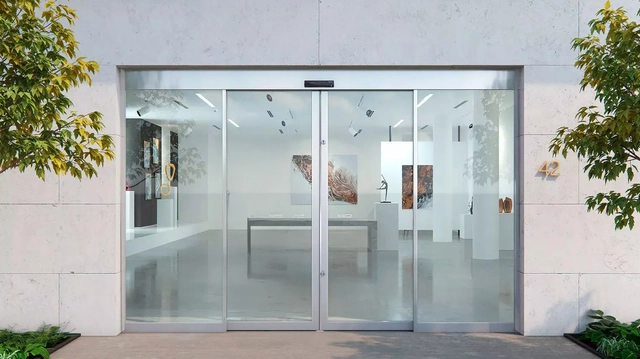
SL500 Sliding Door System. Image Courtesy of ASSA ABLOY
Throughout history, doors—and later automatic doors—have served a far greater purpose than merely marking an entrance or exit. They define thresholds, guide the flow of movement, and subtly shape the way people interact within a space. We can trace their evolution back to the 1st century, when Heron of Alexandria devised a steam-powered door—an early example of technology merging with architecture. Since then, contactless automatic door systems have incorporated technological advancements that enhance operation and redefine their role within buildings. Today, they are integrated across a range of building types and scales, acting as transitional elements that enhance comfort, energy efficiency, and the overall quality of indoor spaces.
https://www.archdaily.com/1029498/the-greener-future-of-automatic-door-systems-a-shift-in-design-and-performanceEnrique Tovar
As artificial intelligence (AI) becomes increasingly embedded in society, it's essential to pause and reflect on the foundations that sustain it—and the dimensions to which it extends. At the heart of AI's learning are datasets, whose structure and content shape how these systems interpret and respond to the world. This reliance creates a deep interdependence—one that not only informs AI's capabilities but also defines its potential blind spots. In light of this, we must ask: What forms of understanding might this process exclude, especially those not easily captured in digital form?
https://www.archdaily.com/1030019/vernacular-building-and-ai-can-data-alone-bridge-the-gapEnrique Tovar
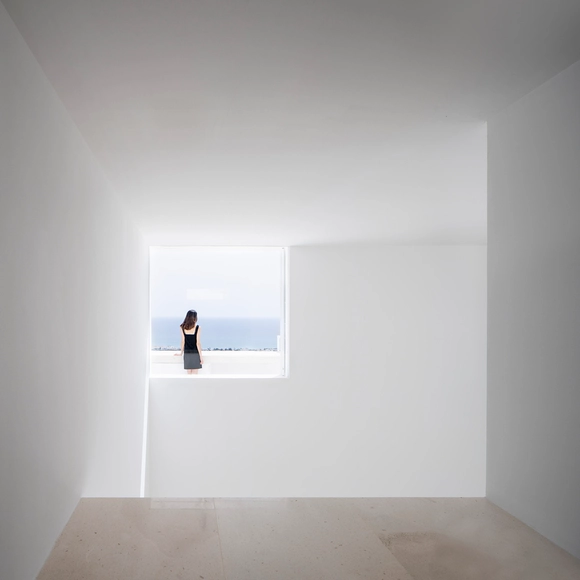
In The Poetics of Space, French philosopher Gaston Bachelard proposes reading architecture as a lived experience, in which each environment carries emotional and symbolic meaning. Reflecting on the house, he places particular importance on thresholds (windows, doors, stairs, attics, basements) as zones of transition and rupture between the intimate and the open, the known and the unknown. For him, the window is not merely a functional opening, but a point of dreaming and contemplation: it is through the window that the inhabitant projects themselves into the world. This perspective inspires a sensitive approach to architectural work, in which boundaries are not limited to separation, but articulate imagination, memory, and desire.
International perspectives are represented through spotlights on countries such as Brazil (top) or Italy (bottom). Photos: Courtesy of Bell'Arte (top) & Gaspare Asaro SRL (bottom)
ICFF returns to New York's Javits Center this May 18–20 with a refreshed sense of purpose and a global perspective. With its 2025 theme, 'Designing in Harmony', the fair sets out to explore how design can bridge divides — between materials and methods, cultures and climates, past and future.
With each of the more than 23,000 breaths we take per day, air travels through the respiratory system into the lungs, where vital gas exchange occurs: oxygen is absorbed, and carbon dioxide is expelled. This involuntary and essential act also triggers another, less visible but deeply impactful process—our perception of smell. As air passes through the nasal cavity, odor molecules come into contact with olfactory receptors located in the olfactory epithelium. These receptors send signals directly to the olfactory bulb, which is part of the limbic system—the area of the brain linked to memory and emotion. Far from being a secondary sense, smell acts as a direct bridge between the environment and our deepest emotional responses. Scents carry a unique power to evoke vivid memories, elicit comfort or immediate aversion, and influence our emotional state almost instantaneously.
Paradoxically, the bathroom is usually both the most compact room in a house and the one with the greatest technical complexity: it's where electricity, cold and hot water networks, sewage, ventilation, and often gas converge. As such, its design must be optimized to accommodate pipes, valves, drains, and connections without compromising aesthetics or functionality. The strategic placement of plumbing points, accessories, cabinets, and lighting should aim to make the space efficient and functional, ideally transforming these typically compact areas into comfortable and visually appealing sanctuaries. Every decision matters — from product selection to the installation height of a shower tray.
What is enough light? The question is difficult enough but when faced with having to calculate how much LED lighting you need to create a well-lit space, it can become a bit more complicated.
https://www.archdaily.com/897277/how-to-determine-how-many-led-lumens-youll-need-to-properly-light-your-spaceDavid Hakimi
For decades, technological evolution was driven by the exponential growth in computer processing power—a trend famously predicted by Moore’s Law. From rudimentary mechanical devices to highly sophisticated microprocessors, this trajectory fueled the miniaturization and popularization of personal computers, laptops, and smartphones. Now, with the advent of quantum computing, a new leap is on the horizon. Unlike classical bits, which represent only one value at a time—either 0 or 1—qubits can simultaneously represent a combination of both states. This means that while a traditional computer tests one possibility at a time, a quantum computer can explore many at once, dramatically accelerating the resolution of complex problems. Molecular simulations, logistical optimizations, and advances in cryptography are just a few of the areas transformed by this new frontier.
In the past, AI-generated images often resembled psychedelic experiences—filled with strange, sometimes unsettling colors and forms. But recent advancements in artificial intelligence have transformed that landscape. Today, we are surrounded by images whose origins are often unknown. From playful mashups to portraits turned into works of art, it's undeniable that Artificial Inteligence has become a lasting part in our visual landscape. As Yuval Noah Harari noted in a 2023 interview with The Economist, "AI has gained some remarkable abilities to manipulate and generate language — whether through words, sounds, or images. It has, in effect, hacked the operating system of our civilization."
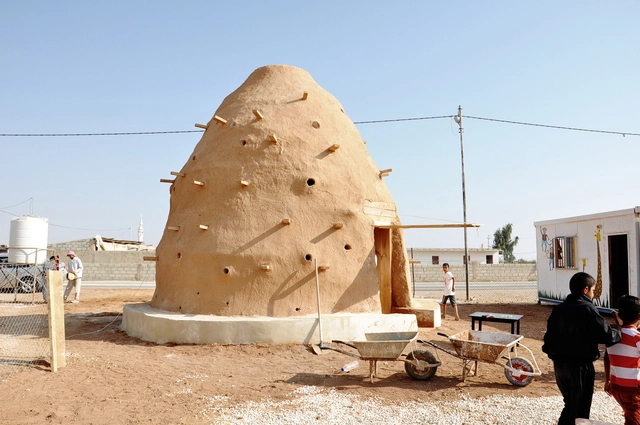
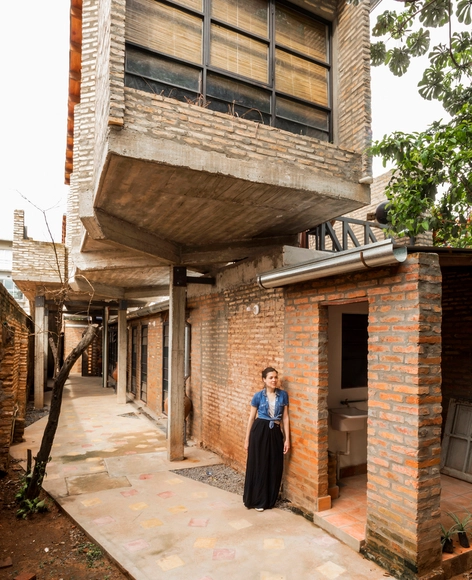
What makes a building architecture? The eternal debate over what distinguishes architecture from mere utilitarian construction has often included affordable and social housing as an influential topic, sparking different points of view. This question is particularly significant in the Latin American context, where unique conditions go beyond cost concerns, whether imposed or unavoidable. Limited access to financing, the prevalence of self-construction, and the spread of informal settlements are interconnected factors shaping the built environment. These dynamics foster an aesthetic that, for some, challenges notions of good architecture, manifesting in urban landscapes where exposed materials become a defining feature.
https://www.archdaily.com/1024259/unpolished-narratives-exposed-materials-in-latin-american-affordable-housingEnrique Tovar & José Tomás Franco
Following a broader trend across architectural spaces, bathrooms have evolved from strictly utilitarian functions into environments integrated with intelligent systems, where physical, cognitive, and sensory parameters are considered in the development of spatial solutions. But, it is always important to remind that cutting-edge technology doesn't always guarantee a better experience. While high-end automation and digital controls offer impressive capabilities, it's often the subtle, user-friendly features—the ones that feel intuitive rather than intrusive—that leave a lasting impression. These are the quiet innovations that elevate daily routines without overcomplicating them. The adoption of user-centered ergonomics—a design approach that takes human needs and limitations as its starting point—has guided the creation of components that respond adaptively to the presence, behavior, and preferences of users. Technologies such as toilets with automated features, proximity-activated faucets, concealed cisterns, and intuitive temperature controls not only enhance comfort and accessibility but also contribute to more efficient management of water and energy resources.