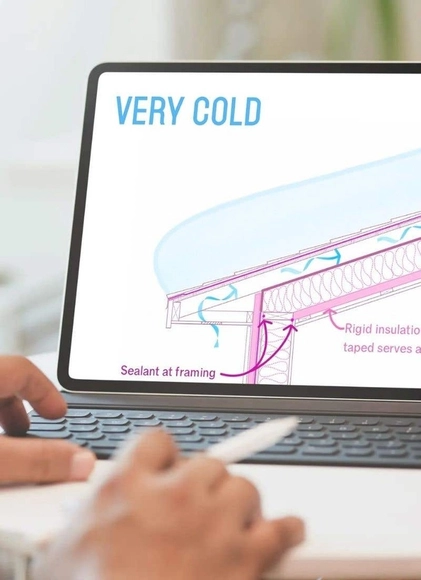
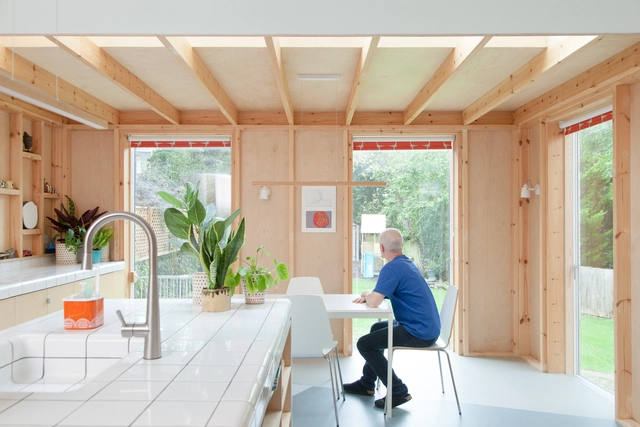
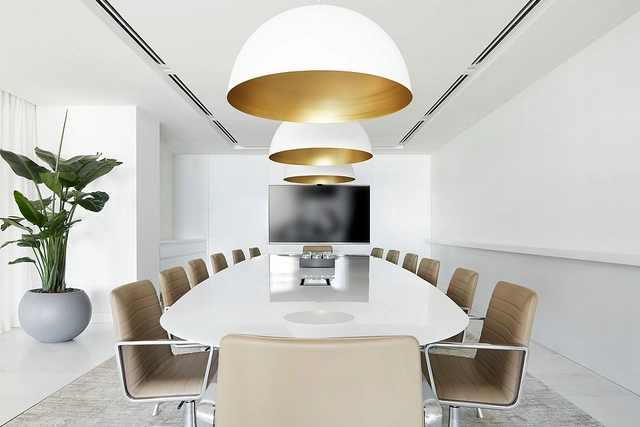
It is difficult to measure, observing a completed building, the amount of work, resources and knowledge that were deposited there. All decisions made influence in some way the performance of the building and its durability. As for the execution details, not all architects allow the dissemination of their constructive solutions. There are professionals, however, who go against the grain and focus on disseminating knowledge, identifying common design decisions that can lead to pathologies (such as leaks, rot, corrosion, mold and odors) and more economical ways to avoid them. This is the idea behind Building Science Fight Club, an Instagram profile whose purpose is to explain some issues and critically analyze certain constructive details and ways of installing materials. We spoke with Christine Williamson, creator of the platform, about her journey. See the full interview below:
In each of our nostrils, two types of nerves play an essential role in our health. The olfactory and trigeminal nerves capture odors and send information to the brain, more specifically to the olfactory bulb, for interpretation. In turn, this communicates with the cortex, responsible for the conscious perception of odors, but also with the limbic system, which controls mood and unconscious emotions. This is the body's defense against bad smells or irritating or strong odors, creating aversion to those that could harm us in some way.
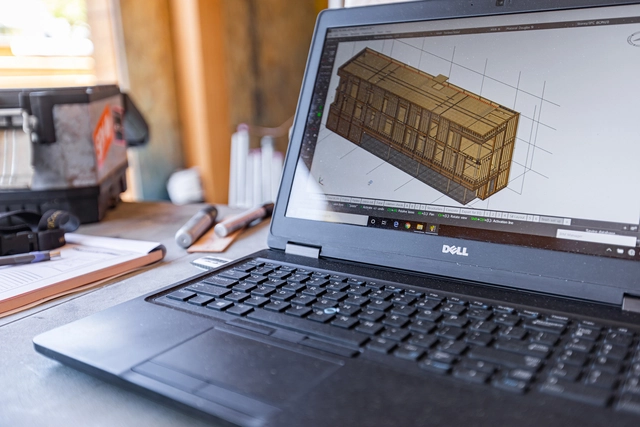
In the original design for the Sydney Opera House, Jørn Utzon envisioned the shells supported by precast concrete ribs under a reinforced concrete structure, which turned out to be prohibitively expensive. As one of the first projects to use computational calculations, the final solution - reached jointly between the architect and the structural engineer - consisted of a precast ribbed system of concrete shells created from sections of a sphere. At the Guggenheim Museum in Bilbao, the project team used CATIA software (typically used by the aerospace industry) to model and materialize the complex curvilinear shapes of the titanium-coated volume designed by Frank Gehry. Challenging projects tend to spark the creativity of those involved to make them possible, but there are constructive systems that interact well with existing technologies. This is the case, for example, with engineered wood and the BIM system. When used simultaneously, they usually achieve highly efficient and sustainable projects.
Interior Furniture in Coromandel Offices | Andreu World. Image Courtesy of Andreu World
Having a physical location as a workspace has many inherent benefits, such as bringing employees together in a collaborative environment and giving companies the opportunity to create culture and identity. But when hybrid and remote work began to rise in the early stages of the pandemic, many wondered it this meant the end of the physical office. However, now that two years have passed, the pattern has been clear: instead of being completely replaced by remote methods, many companies have adapted to new employee needs and conditions by opting for team-based, comfortable and flexible spaces that foster creativity, collaboration, and productivity.
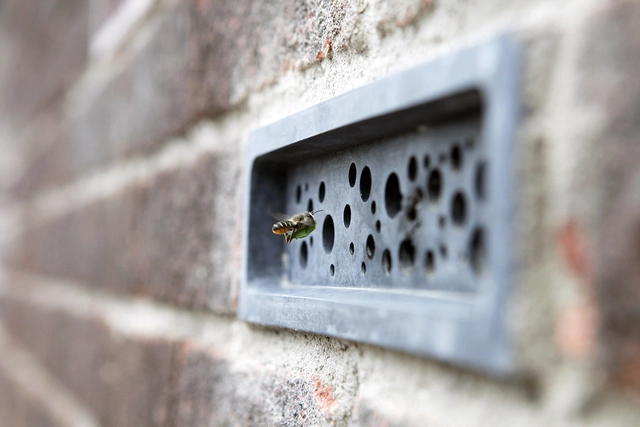
Humanity's relationship with insects is ancient and complex. While they can spread disease and wipe out crops, they are also vital to our survival on Planet Earth, as pollinators and recyclers. Edward Osborne Wilson, a leading American biologist, stated in one of his articles that “If insects were to vanish, so would nearly all flowering plants and the food webs they support. This loss, in turn, would cause the extinction of reptiles, amphibians, birds and mammals: in effect, nearly all terrestrial animal life. The disappearance of insects would also end rapid decomposition of organic matter and thus shut down nutrient cycling. Humans would be unable to survive.”
When talking about energy efficiency in buildings, it is inevitable to mention thermal insulation. We rarely see it in a finished building and, even in the technical drawings, the insulating layer appears as a thin hatch. But this is an element that is of vital importance, as it acts as a barrier to the flow of heat, hindering the exchange of energy between the interior and the exterior, reducing the amount of heat that escapes in winter and the thermal energy that enters in the summer. In a building with good thermal insulation, there is less need for heating to keep the house at a pleasant temperature, also reducing its carbon footprint. Currently, there are many countries that require a minimum level of thermal insulation for buildings, with increasingly strict parameters. But how should this issue be dealt with in the near future, with the worrying climate crisis forecast?
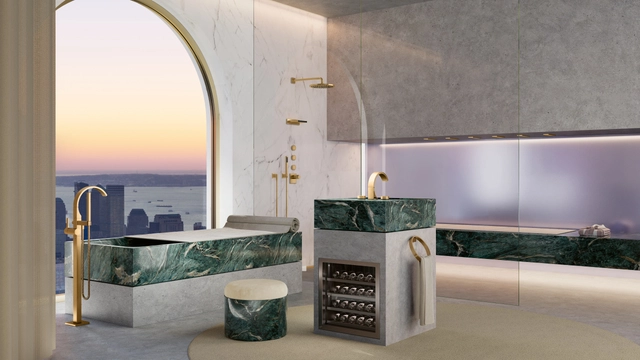
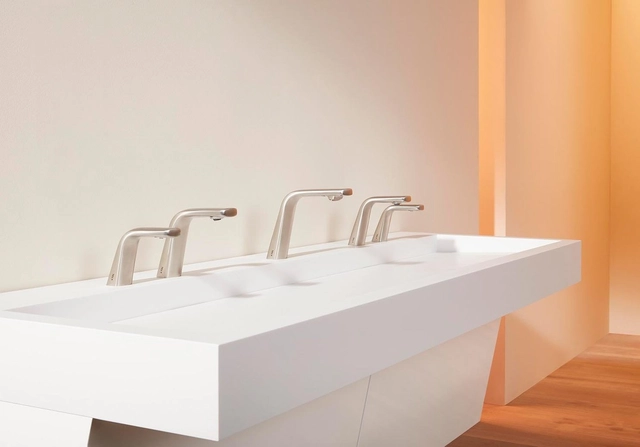
CYO Metropolitan bathroom. Image Courtesy of Dornbracht
As cities become denser and the pandemic continues to shape living and working patterns, people have become well aware that the space they inhabit greatly influences their physical and mental well-being. As a result, the interior design of homes has focused on promoting sensitivity, comfort and calmness as a way of escaping the uncertain outside world. As a safe space where we practically start and end each day, the modern bathroom has also adapted accordingly, taking on a key role as an environment dedicated to relaxation and self-care. Hence, what used to be a purely functional zone is now perceived as an energizing personal retreat and flexible living space that can even adopt other functions – from a gym to a private spa.
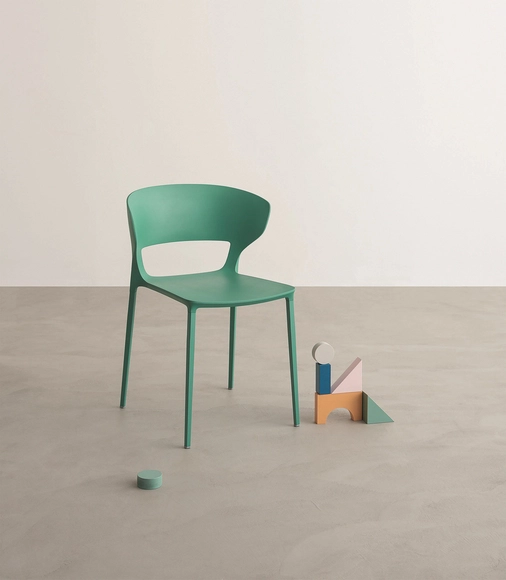
During their university years, architects acquire a wide range of skills apart from learning to design buildings. Some of these include creative problem solving, project management, high attention to detail, coordinating teams and accurately responding to consumer needs. Therefore, a degree often provides the necessary tools to design at any scale – from urban to product design – and to explore other creative fields, such as art, photography, journalism or industrial design. Of the many possibilities that open up, it is especially common for many to make the leap towards furniture design, particularly chair design, instead of following the traditional route.
Many believe that lighting is of little importance beyond its aesthetic function, considering primarily the appearance of light fixtures and ensuring only that they produce at least an adequate amount of light. However, there is a strong consensus among architects that good lighting design can vastly improve the comfort of interior spaces, adding an enormous aesthetic, functional, and environmental value. In addition, the choice of lighting system may contribute to improved efficiency and sustainability within the building as a whole.
Videos
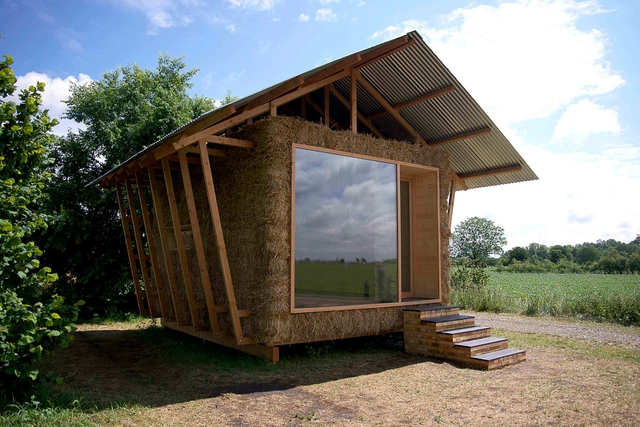
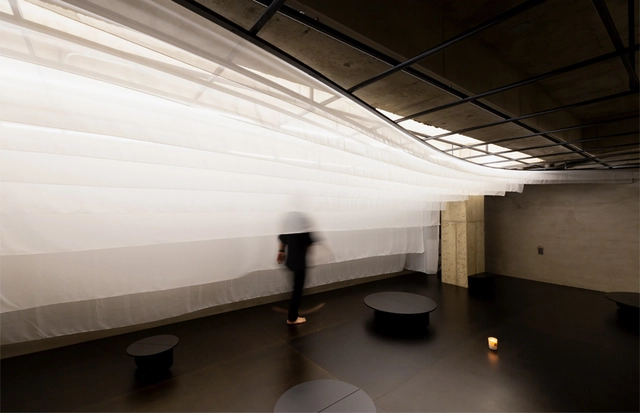
Ecologic Pavilion In Alsace / Studio 1984. Image Cortesia de Studio 1984
The concept of upcycling refers to taking an item that would be considered waste and improving it in order to make it useful again, adding value and new functionality to it. This is a common word in several industries, such as fashion and furniture. In civil construction, this concept can also be incorporated, making the waste generated by the industry itself recirculate or even bringing what would be discarded from other industries to be processed and incorporated into constructions. This is the case of transforming agricultural waste into building materials, bringing a new use to discards, reducing the use of raw materials and creating products with excellent characteristics.
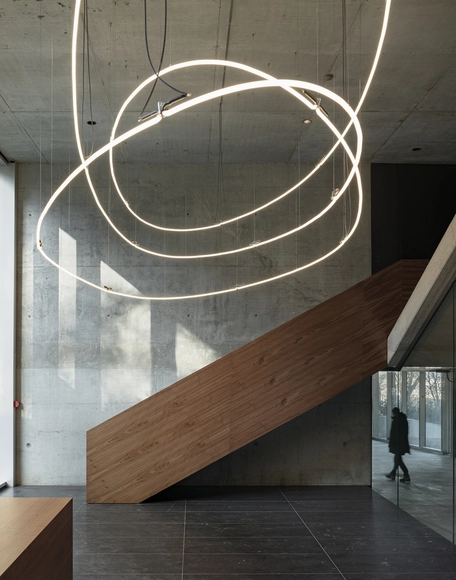
Light serves an essential purpose in architecture: to help us see. Whether it be through natural or artificial methods, rooms must be illuminated accordingly so occupants can safely inhabit them and fulfill their daily functions. When the right system is selected, light can also contribute to energy efficiency and sustainability within the building as a whole. However, apart from its evident functional and environmental value, lighting design can vastly impact the visual comfort and aesthetic tone of interiors by drawing attention to textures, enhancing colors and defining volumes. Therefore, of the many pieces involved in interior design, lighting is certainly one that can enhance or destroy a space and even affect users’ well-being, which is why it should be considered a crucial design element by itself.
As we continue to navigate the ongoing pandemic, the future of offices and workspaces has been widely debated. However, some immediate effects are clear: the rigid, primarily in-office model has been quickly replaced by hybrid work, with adaptability and comfort becoming the top priorities. Therefore, even as long-term consequences might be unclear, businesses will certainly have to strive for the right balance between traditional and remote methods in order to promote efficiency and employee well-being. From a design and architecture perspective, demand will focus on flexible working environments that foster creativity, productivity, and comfort – as well as addressing the associated technological, economic, and sustainability challenges.
Cool lights, wall-to-wall tiles and trivial fixtures. Little by little, public bathrooms have changed this aesthetic and opted for more careful designs. Gone are the days when designs were focused only on functionality, accessibility and ease of maintenance and cleaning. Along with these essential qualities, a good bathroom project can also bring tranquility and show values that the space or the company wants to convey to its users. whether through finishes, lightning, or less material factors such as inclusivity, making users feel good is ultimately the goal of all environments, including bathrooms.
Videos
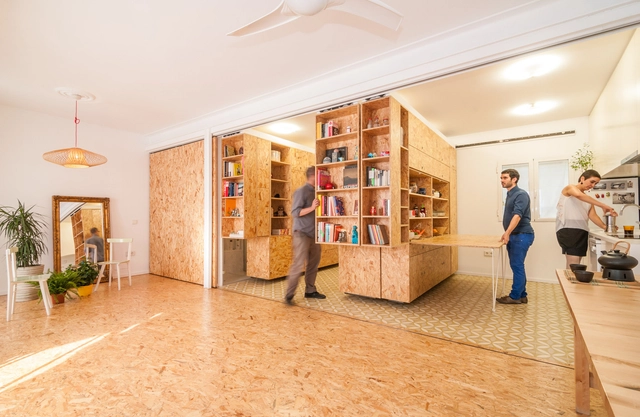
PKMN Architectures Creates Sliding Transformer House in Madrid. Image Cortesia de PKMN Architectures
Although artificial intelligence is showing the potential to carry out successive iterations with good results, designing the layout of spaces takes up large portions of a designer's time. The organization of elements present within a space determines the flow of movement, the points of view and will largely dictate how it will be used. But the idea of stifling the use of the environment may not work for all cases. Due to space restrictions or supplementary uses that a room can have, some architects have developed dynamic layouts that have more than one possible use. Whether through dividing elements or special modules, these projects allow the space to change radically through movement.
Textile forms of habitation are far from new; in fact, humans have been using fabric to create shelter for thousands of years, becoming an archetypal form of building. Today, contemporary architecture has rediscovered the principle of the tent and taken its development further, implementing new technologies to generate more advanced and durable fabrics which allow larger areas to be spanned. Becoming a highly specialized sector within the construction industry, multiple textile forms have become common in a wide range of architectural applications – not just for temporary structures, but also for permanent buildings. Apart from their use in facades, these can be utilized in interiors to create highly functional spaces with unique sensory experiences.
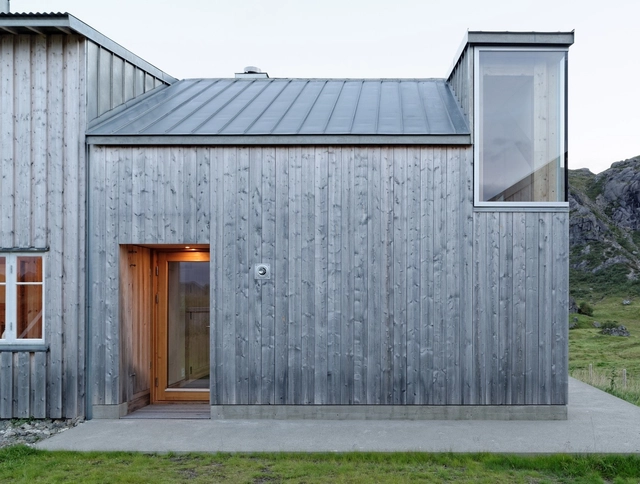
Summer House Gravråk / Carl-Viggo Hølmebakk. Image Cortesia de Carl-Viggo Hølmebakk
The moment a tree is cut down and its biological processes are interrupted, it can be said that the deterioration process of wood also begins. Steps such as the correct cutting of the trunk, drying and storage or the precise specification of the best species for each use will determine its durability. Composed basically of cellulose, hemicellulose and lignin, each wood species has a certain natural durability, also influenced by the environmental conditions of where it is inserted, such as temperature, humidity, oxygen content, and the microorganisms and insects present there. Generally, surface treatments are used to increase the protection of different parts, such as varnishes, oils and other chemical processes. But there are situations in which untreated wood can be used outdoors, achieving a gray and sober aesthetic that blends into the exterior and brings personality to the building.
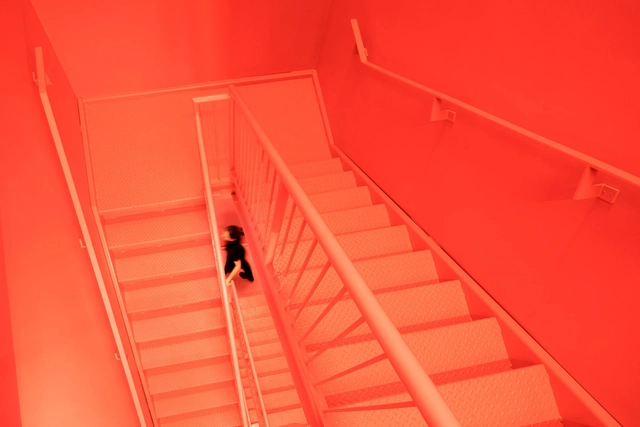
Just as the colors of an abstract painting or photograph can produce a certain mood, so can the colors of a building or room profoundly influence how the people using it feel. Physiologically, study after study has shown that blue light slows the production of melatonin, keeping people more alert or awake even at night. Psychologically, people associate certain colors with certain feelings due to cultural symbols and lived experiences – for example, they might perceive the color red as menacing or frightening because of its connection to blood.
Altogether, the way a room is colored can have complex effects on how its users feel, while a façade can be perceived in dramatically different ways depending on how it is colored. Below, we summarize the emotional associations of every color, assessing their differing effects as each is used in architectural space.
https://www.archdaily.com/930266/how-color-affects-architectureLilly Cao
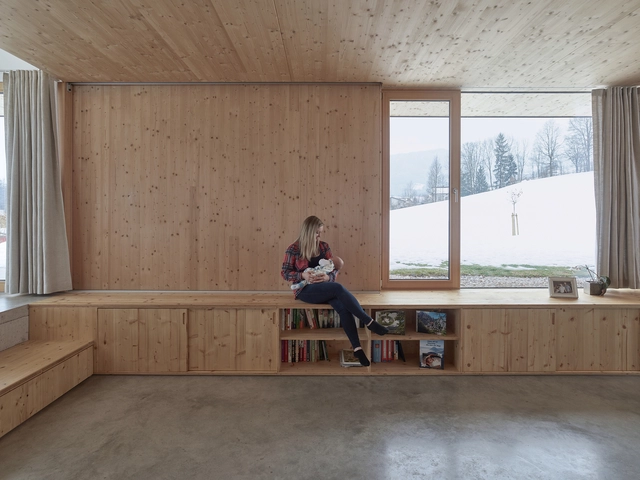
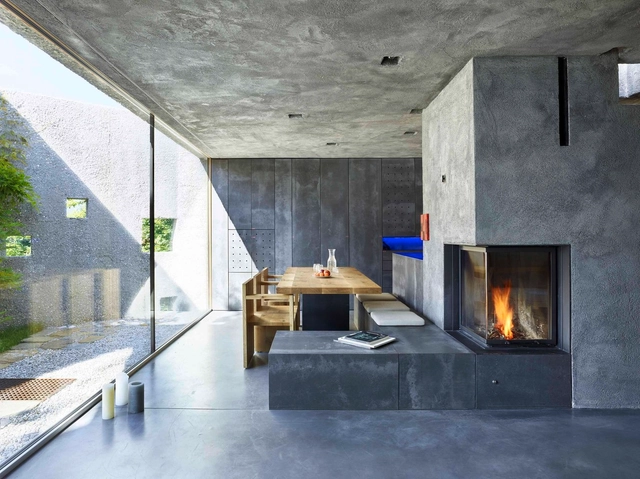
Concrete is not purely a structural element. As we demonstrated in an article about kitchen projects using concrete countertops, the material is gaining significant traction in the world of residential furnishings and fixtures. To further exemplify this, we have curated a list of several projects that use concrete benches to create beautiful moments inside and outside the home.