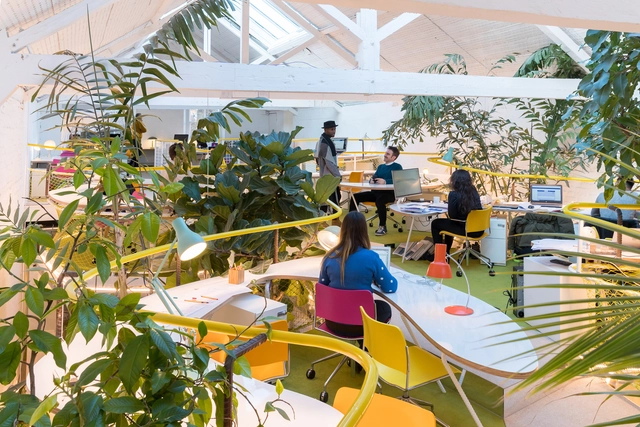
Everything in this building is about scale.
It is small but with a strong personality, like in a circus; every act is as important as the other, no hierarchies, and only working all together do they create something unique.


ArchDaily complete coverage

Everything in this building is about scale.
It is small but with a strong personality, like in a circus; every act is as important as the other, no hierarchies, and only working all together do they create something unique.
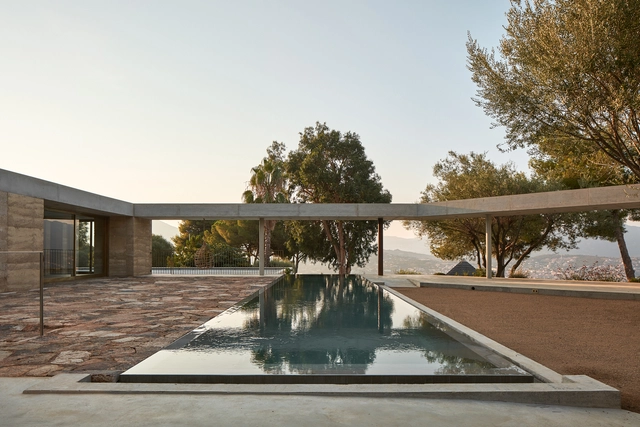
The project is located in Olmeto, in Southern-Corsica. The site is on a hillside, facing the Mediterranean sea and the small town of Propriano, across the Valinco Gulf. Formerly a farming land, vine and olive trees were grown there, and it eventually gave the name to the place “Vigna Maggiore”. The client’s order was quite open, but he wanted to characterise a place within a large piece of land. The project thus was to create an enclave that would seize a fragment of the landscape. The geography became the project. The site has unique qualities, brought into light by centenarian trees, a visual composition upon the sea, but also through the ground, the soil. The terrain is composed of granitic tuff, ochre in colour, which was a huge source of inspiration for us. Eventually, this particular aspect became the main material of the project.
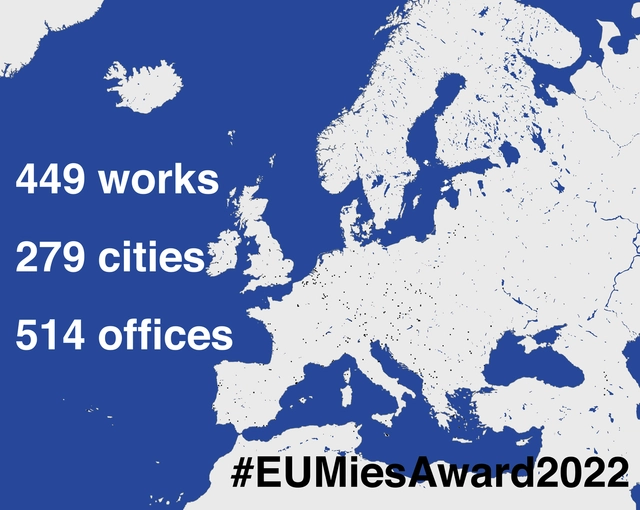
The European Union Prize for Contemporary Architecture, the Mies van der Rohe Award has just announced the first 449 works competing in its 2022 edition. Selected from 279 cities in 41 countries, the projects have been nominated by European independent experts, the national architecture associations, and the Prize Advisory Committee.
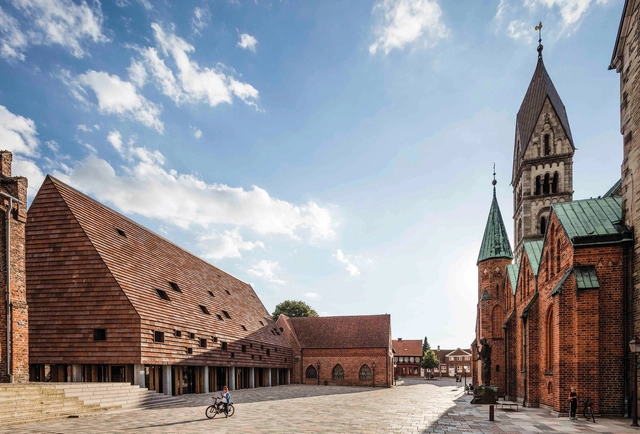
Kannikegården is a new house for Ribe parish’s parochial church council, built on the square in Ribe, just across the cathedral. The building houses functions for the parochial church council and the staff at the church.
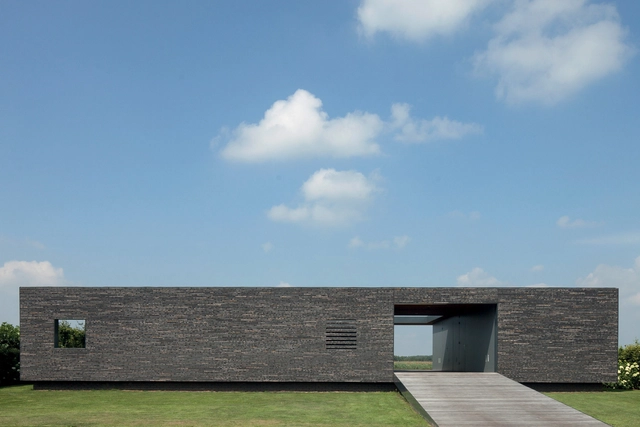
When older houses are preserved, it is often because of their recyclability. They have high ceilings, daylight, large rooms, and wide doors. But there is one more important reason why we don’t demolish them. We love them, because their architecture is good and because they are made of beautiful materials. Preserve your house, or make a new one with a high long term value, and you make your house more environmentally friendly.
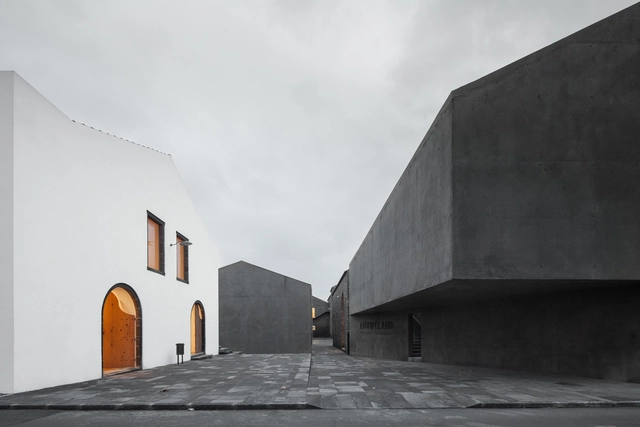
The Arquipélago Contemporary Arts Centre seeks to unite the different scales and times of its parts. It is a transdisciplinary project whose mission is to disseminate, create, and produce emerging culture: a space of exchange and interfaces for people, knowledge, and events.
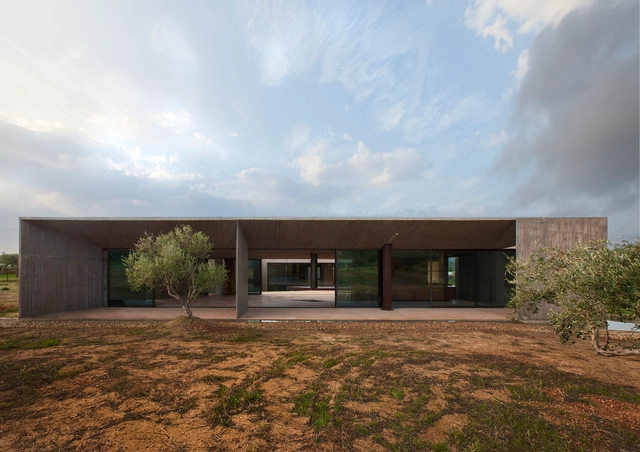
The house is a frugal yet decisive answer to the need for a family shelter in the midst of a rather recluse site. It is articulated through the creation of two interior courtyards, while the interconnection of its open and closed spaces is served by two juxtaposed corridors -a glass-roofed and an open-air one. Its courtyards and living spaces remain inscribed in an austere, yet perforated triangle. Two of its trapezoid, inclined sides retain a deliberate protective massiveness while the third, rectilinear one opens up to the magnetic view of the opposite mountain.
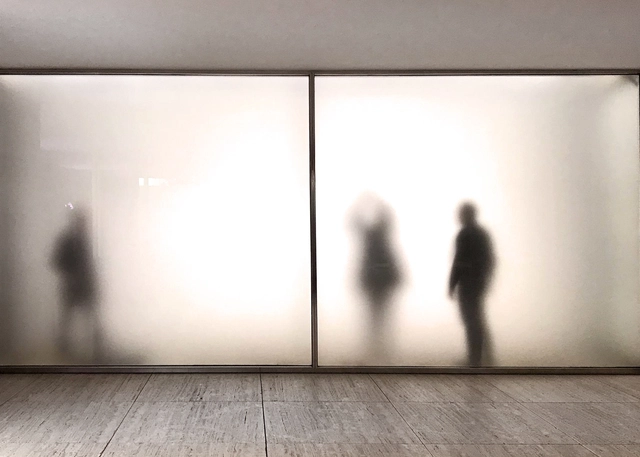
This 2020 the Mies van der Rohe Pavilion is activated more than ever as a public platform to dissolve the boundaries between architectural research and the arts, promoting the dissemination of architecture in collaboration with an extensive and varied network of entities and people.
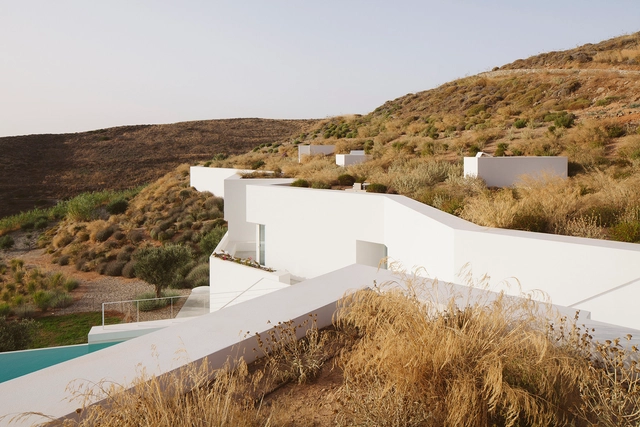
The main idea of the project was based in two elements: the existing walls, at different levels, and the platforms created by those walls. The elevations of the two house levels are broken lines that were created as continuation of the existing site walls. The topography helps to dissimulate the house.
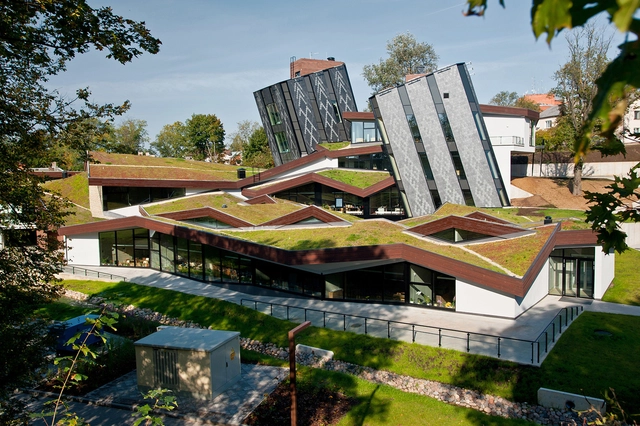
"There is a legend about King’s daughter Roze who still lives underneath the Rezekne castle mound and waits for the one to bring her into the world… Meanwhile a wizard came on the other side and lifted the earth up. A free space was left there for every little kid in Rezekne to grow up tall, wise and special. And the wizard stuck the pencils into the ground. The teenagers came and climbed up there to show themselves and their great works. Let the gentlemen of Riga to admire!"
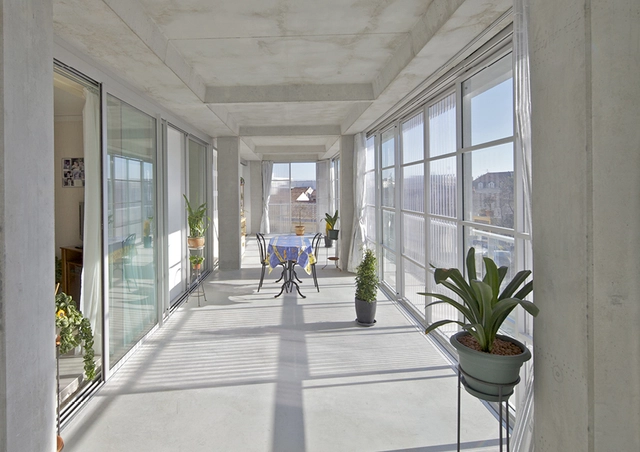
Transformation of 530 Homes – Grand Parc Bordeaux by Lacaton & Vassal architectes, Frédéric Druot Architecture and Christophe Hutin Architecture has been awarded the 2019 European Union Prize for Contemporary Architecture – Mies van der Rohe Award. The innovative renovation of three large blocks of social housing in Bordeaux was praised for “radically improving the space and quality of life of its occupants” and for optimizing their economic and environmental cost of living.
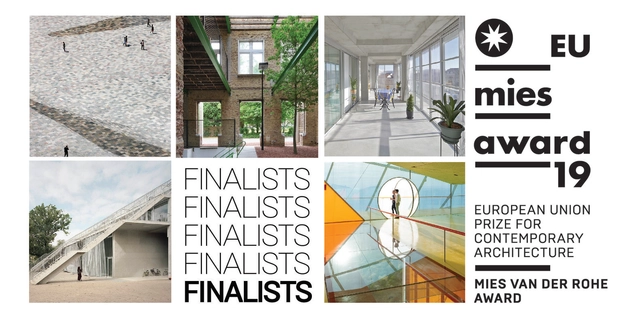
Five finalist projects have been shortlisted for the 2019 European Union Prize for Contemporary Architecture, an award given jointly by the European Commission and the Mies van der Rohe Foundation. The biennial prize, for which ArchDaily is a media partner, recognizes the Europe-located projects that demonstrate excellence in "conceptual, social, cultural, technical, and constructive terms."
.jpg?1549896642&format=webp&width=640&height=580)
2019 is a special year for the Fundació Mies van der Rohe, with three dates coinciding very closely: the 100th anniversary of the Bauhaus, the 50th anniversary of Mies van der Rohe´s death, and the 90th anniversary of the inauguration of the German Pavilion. This year is also the 16th edition of the Prize for Contemporary Architecture of the European Union - Mies van der Rohe Award. Each of these dates will be reflected in this year's program.
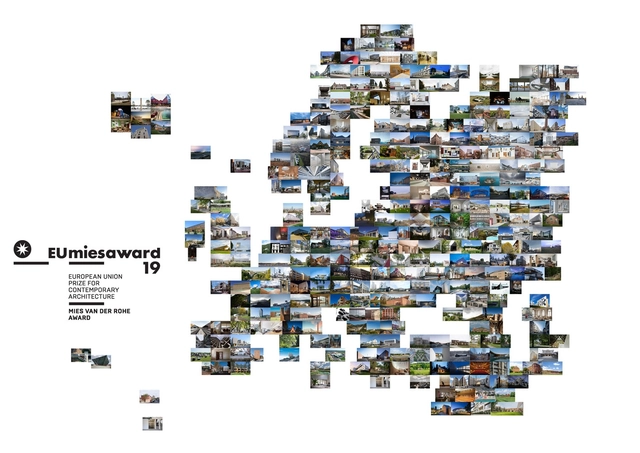
The Fundació Mies van der Rohe and European Commission have revealed the 383 projects nominated for the 2019 European Union Prize for Contemporary Architecture – Mies van der Rohe Award. The projects, which hail from 38 countries across the European Continent represent a wide range of typologies and office types. Of the countries included, the most projects come are located in Spain and Belgium (27 and 21 nominees, respectively.) London, home to 12 nominees, boasts the most nominated projects of any single city followed by Vilnius (9) and Paris (8).
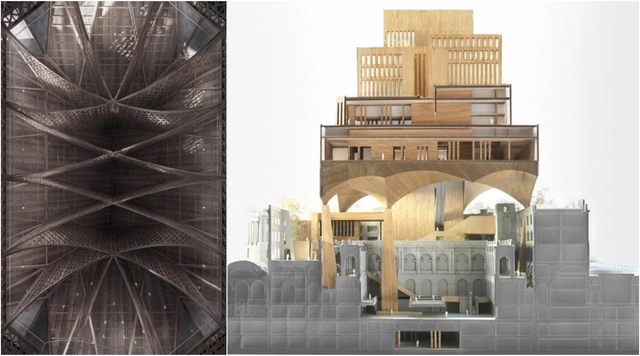
The Fundació Mies van der Rohe has announced a list of 40 projects that will compete for the Young Talent Architecture Award 2018 (YTAA 2018). The award was established in 2016 to “support the talent of recently graduated Architects, Urban Planners and Landscape Architects who will be responsible for transforming our environment in the future,” and joins the Foundation's European Union Prize for Contemporary Architecture – Mies van der Rohe Award “in promoting high-quality work amongst emerging and established architects through the acknowledgment of the value of good buildings.”
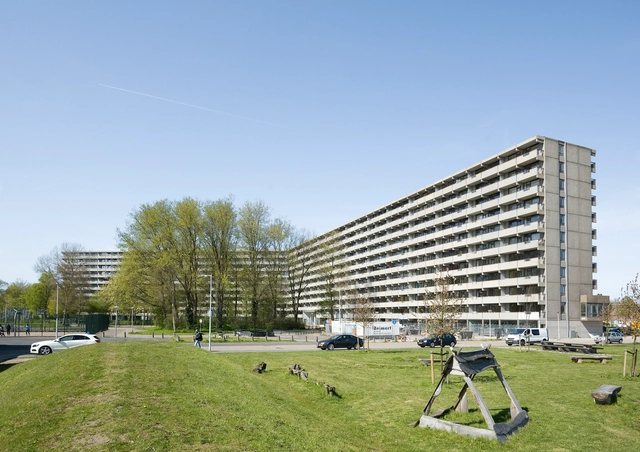
NL Architects + XVW architectuur’s “innovative renovation” of the DeFlat Kleiburg apartment complex in Amsterdam’s Bijlmermeer neighbourhood has been selected as the winner of the 2017 EU Prize for Contemporary Architecture-Mies van der Rohe Award.

We cannot remain detached from the history of Camp Joffre through a discourse that is indifferent to the human drama that unfolded on this very site. The memorial is silent and ponderous. It is there to take the hits instead of others. For absentees. It must be something that embodies the responsibility of the memory.
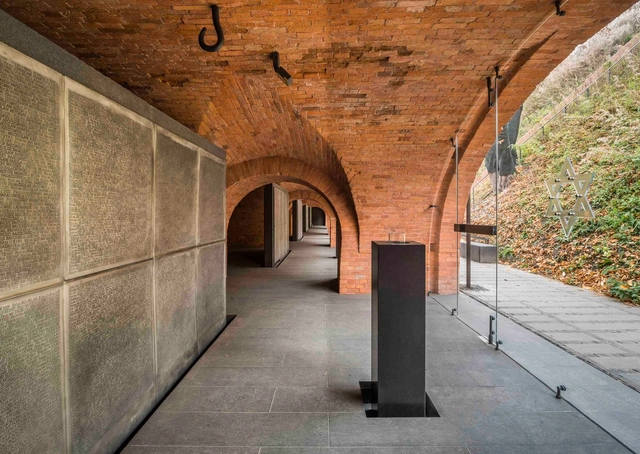
Katyn Museum is there to commemorate a painful episode of Polish history which took place during the World War II when over a twenty thousands of Polish military officers and state officials were brutally murdered by the Soviet Secret Police.