The Architecture of Culture Today

ArchDaily Topic

A curated selection of articles, interviews, and essays exploring how architecture shapes the way culture is produced, consumed, and experienced today.

Louvres Around the World: The Export of Museums and Architecture as a Global Brand
Louvres Around the World: The Export of Museums and Architecture as a Global Brand

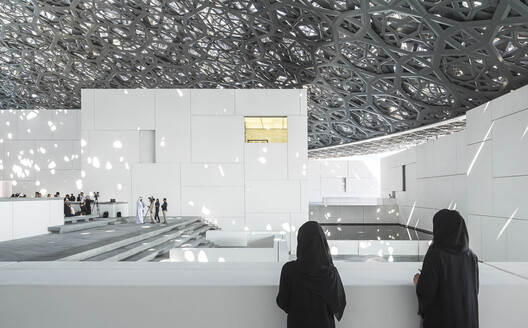
It is undeniable that, at first glance, the idea of a Louvre in Abu Dhabi or a Centre Pompidou in Brazil may seem somewhat disconcerting. The image of these museums, internationally renowned, appears in many ways inseparable from their original cultural contexts. And to some extent, it truly is. The Louvre, deeply rooted in the history of France as a former fortress and later royal residence, embodies a set of invaluable heritage values, further amplified by I. M. Pei’s iconic glass pyramid intervention in 1989. The Pompidou, meanwhile, is remembered as a historic turning point: by redefining the concept of public infrastructure through radically unconventional architecture, it marked the first time culture drew in mass audiences.

Read more »
Building Knowledge, Not Just Structures: Redefining the Architect’s Role in Times of Uncertainty

Building Knowledge, Not Just Structures: Redefining the Architect’s Role in Times of Uncertainty

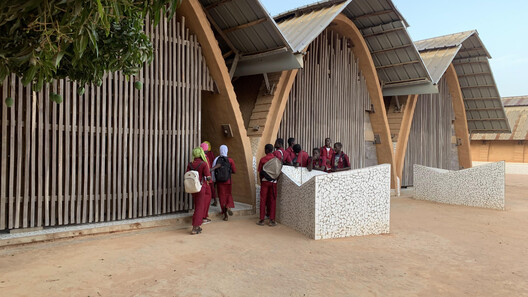
Aristotle is credited with the proverb "One swallow does not make a summer." In nature, the arrival of these migratory birds often announces the change of seasons, a universal symbol of renewal and hope. Yet it is only when many take flight that the true warmth of summer begins. The same can happen in architecture: an isolated project, however exemplary, rarely changes a reality on its own. When, however, a work teaches, inspires, and can be replicated, it becomes the harbinger of something greater.

Read more »

Time-Space to Read, Gather, and Care: 7 Community Libraries in Remote and Peripheral Settings

Time-Space to Read, Gather, and Care: 7 Community Libraries in Remote and Peripheral Settings

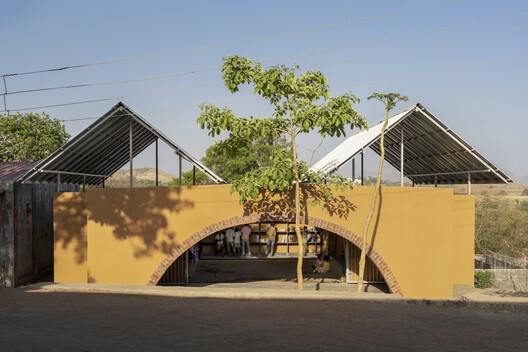
In many parts of the world, remoteness is not only defined by distance. It may describe a mountain settlement far from infrastructure or an urban and suburban neighborhood on the margins of visibility and opportunity. Across these diverse contexts, the library has been one of the most vital typologies—a space where architecture embodies the modes of accessibility, inclusivity, and community care.

Read more »

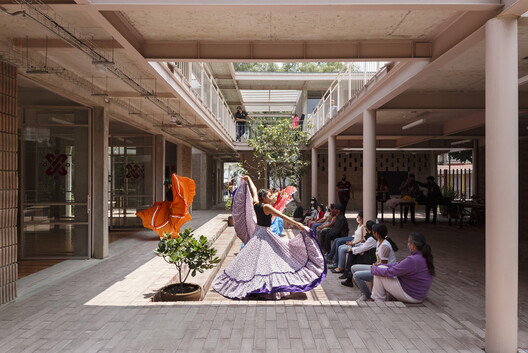
Democratizing Access to Culture: The Past, Present, and Future of Cultural Centers

Democratizing Access to Culture: The Past, Present, and Future of Cultural Centers

The cultural center is an architectural typology that has fascinated architects and urban planners for decades. Whether due to its multifaceted program, its often emblematic scale, or its potential to transform the urban context in which it is inserted, it is a building type that carries strong symbolic and conceptual value. The wide circulation of international references—many designed by renowned architects—reinforces the aura of prestige associated with this program, frequently seen as a privileged ground for formal and conceptual experimentation. Not by chance, cultural center designs are among the most recurring themes in competitions, exhibitions, and academic studios.

Read more »

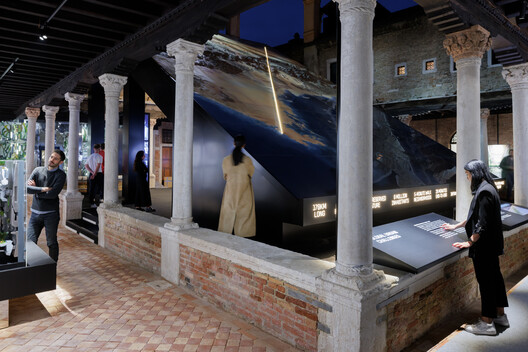
Staging Culture: The Architect as Curator

Staging Culture: The Architect as Curator

Architecture has never been confined to the act of building. It constantly negotiates between material practice and intellectual reflection, yet throughout the twentieth and twenty-first centuries, many architects felt that the built project alone was insufficient to address the full range of questions facing the discipline. Economic pressures, political contexts, and programmatic demands often narrowed the scope of practice.

Read more »

Architecture as Soft Power: Cultural Diplomacy and Its Role in Shaping Architectural Production

Architecture as Soft Power: Cultural Diplomacy and Its Role in Shaping Architectural Production

Cultural diplomacy refers to the use of cultural expression and creative exchange to foster understanding and build relationships between nations. In this context, architecture has long played a distinctive role. Beyond its functional and aesthetic dimensions, it serves as a medium of communication, a language through which countries express identity, values, and ambition on the global stage.

Read more »

From Design Fiction to Design Futures: The Changing Role of Architecture in Cultural Production

From Design Fiction to Design Futures: The Changing Role of Architecture in Cultural Production

When Archigram published their fanatical vision for pneumatic cities and walking megastructures in the 1960s, they seemed to be designing buildings. Beneath the surface, the avant-gardeists were pushing culture through radical alternatives to lifestyles and forms of organizing in the city. Laboratories found themselves between the lines of copy on Domus or Casabella magazines, propositions doubling as blueprints for the civilizations to come. From Gropius's Bauhaus in 1919 to Arcosanti's desert experiments in the 1970s, architecture operated as a form of cultural prophecy. Built form was the argument. The drawing was the vision. Today, we live in a world that remarkably resembles what the starchitects of the 1900s imagined - modular construction, interconnected digital cities, and automated systems. Yet contemporary architecture rarely proposes culture with the same totalizing confidence. 

Read more »

Architectural Rebuilding as Cultural Memory: The Paradox of Ever-Fresh Heritage

Architectural Rebuilding as Cultural Memory: The Paradox of Ever-Fresh Heritage

Architecture—one of the few cultural artifacts made to be publicly lived with, preserved, and often capable of standing for centuries—contributes significantly to the cultural identity of places and people. Historically, buildings have expressed institutional attitudes, influence, and power; they are clear demonstrations of culture. Yet longevity complicates preservation: when a structure is rebuilt, repaired, or entirely reassembled, in what sense is it still the same building?

Read more »

Scroll & Stroll: How Social Media Is Rewriting Architectural Cultural Tourism

Scroll & Stroll: How Social Media Is Rewriting Architectural Cultural Tourism

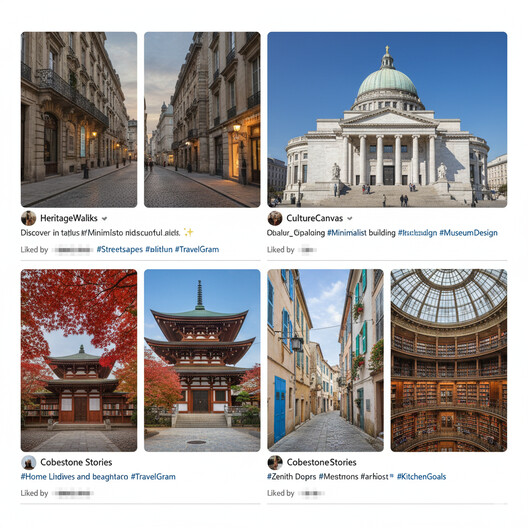
Historically—like other cultural forms—architecture has been documented, shared, and promoted primarily through print. Books, journals, and magazines carried the discipline's arguments and images, and because architectural practice relies so heavily on visual communication, printed journals created a bridge between academic publications and commercial magazines. Through the postwar decades, beautifully produced volumes curated a collective point of view, signaling what the field broadly considered discussion-worthy or exemplary.

Read more »

Beyond Private Dining: Exploring the Communal Table as Public Space Infrastructure

Beyond Private Dining: Exploring the Communal Table as Public Space Infrastructure

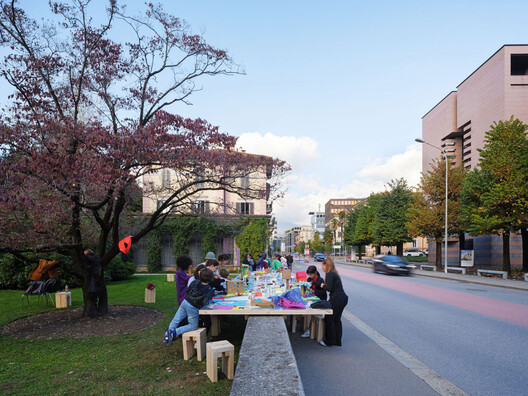
The habit of sitting at the table and sharing a specific moment with other people has been present for centuries in the most diverse cultures. The Greek Symposium, Roman Convivium, Medieval Feasts and Banquets, and Parisian Salons are just a few examples of how this custom was historically built and has been relevant in social and political negotiations, intellectual discussions, and philosophical debates.

Read more »

Reclaiming the Narrative: A New Generation of Museums in West Africa

Reclaiming the Narrative: A New Generation of Museums in West Africa

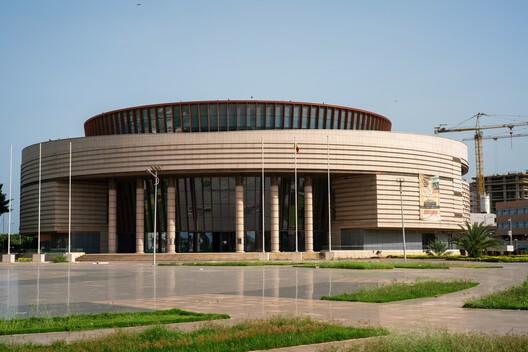
As countries in Africa emerged from colonialism in the mid-twentieth century, many expressed their independent identities through architecture. This process continues several decades later, exemplified by several new museums in West Africa, recently completed or in planning. Although varying in purpose and form, they have some common goals: addressing the need for restitution of many artifacts taken during colonialism and mostly kept in European museums; and defining a museum with local identity as opposed to a non-contextual import.

Read more »

The Industrial Skyline: Transforming China's Decommissioned Factories into Cultural Venues

The Industrial Skyline: Transforming China's Decommissioned Factories into Cultural Venues

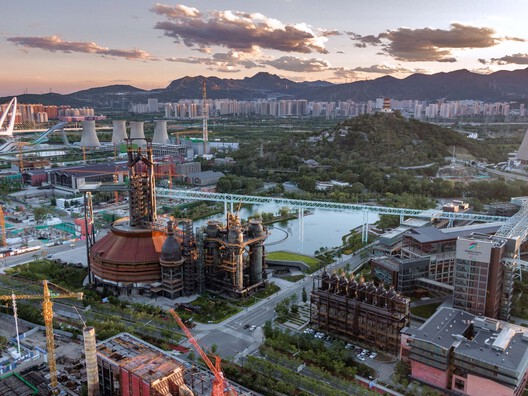
Across China, a legacy of vast industrial structures stands decommissioned, as a direct result of the nation's economic shift to different forms of industry. These buildings are defined by their colossal height and deep structural capacity. Today, they present an architectural challenge for contemporary urban renewal and a new topic for heritage preservation. As they become absorbed by growing urban developments, architects are tasked with translating them into functional, public-facing assets. Thus, recent interventions are capitalizing on defining elements such as furnaces and chimneys to help reposition these massive complexes as critical urban landmarks.

Read more »

The Architecture of Culture Today: ArchDaily’s October Editorial Focus

The Architecture of Culture Today: ArchDaily’s October Editorial Focus

Culture is the set of knowledge and practices people use to express themselves and make sense of the world collectively. As Brazilian philosopher Marilena Chauí reminds us, the word derives from the Latin colere, which means "to take care of." In that sense, agriculture means taking care of the soil, while religious cults are the care of the gods. At its core, culture is the creation of symbolic universes, expressed through different languages, including architecture, that weave connections across time. It safeguards the memories of the past while opening new possibilities for the future.

Read more »