Patrick Ronge Vinther

BROWSE ALL FROM THIS PHOTOGRAPHER HERE
↓

Why Material Lifespan Matters More Than Ever

 | Sponsored Content
Audio available

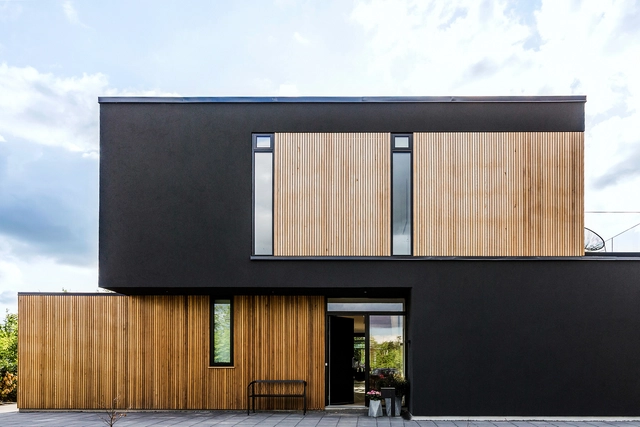
A material's environmental footprint cannot be fully understood without considering its lifespan. A product with relatively low embodied carbon may require frequent replacement, additional installation resources, and repeated disposal over the life of a building. Conversely, a material with a higher initial impact may offer greater long-term value through its durability, reducing the need for future interventions. From this perspective, longevity goes beyond being a technical characteristic; it becomes an essential component of responsible architectural design.
Why Material Lifespan Matters More Than Ever - Image 1 of 4Why Material Lifespan Matters More Than Ever - Image 2 of 4Why Material Lifespan Matters More Than Ever - Image 3 of 4Why Material Lifespan Matters More Than Ever - Image 4 of 4Why Material Lifespan Matters More Than Ever - More Images+ 10

Subscriber Access

10 Types of Roofs and the Possibilities of Slate Tiles

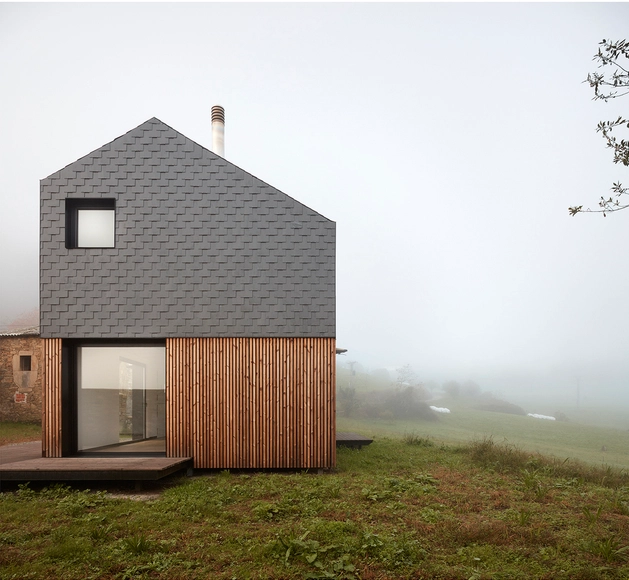
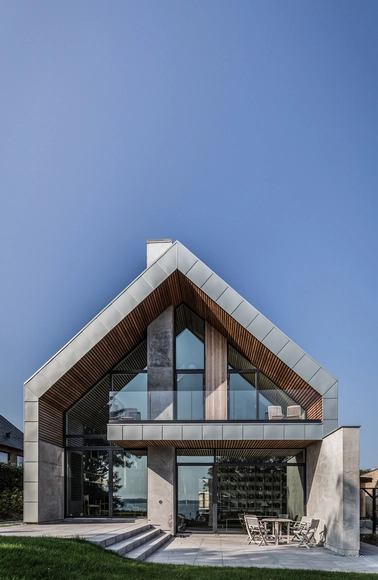
Every child has drawn a house. Perhaps a sunny day with some clouds, a leafy tree, a family with a dog, low wooden fences, or even a car. But in these drawings, they will almost certainly draw a simple rectangle with a gable or hip roof. This archetype of the house appears in virtually all cultures, and even today many architects use it for contemporary projects.

In addition to the primary function of draining rainwater and snow, and thus protecting the building from the weather, roofs can be an important aesthetic device for composing a project. In modern architecture, waterproof roof slabs emerged as a popular alternative, but sloping roofs have continued to captivate both clients and architects. In this article, we will cover the various types of roofs and, more specifically, the manufacturing process and characteristics of natural slate tiles.

Subscriber Access

Stone Facades: 7 Slate Covered Homes

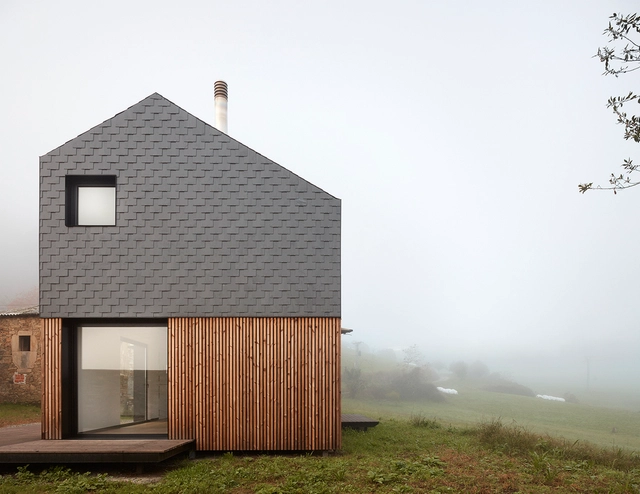
Slate is a mineral product, completely inert and ecological, with a simple and efficient production process. It is one of the most versatile natural products, adapting to any project as a coating material, from roof to floor and façade.

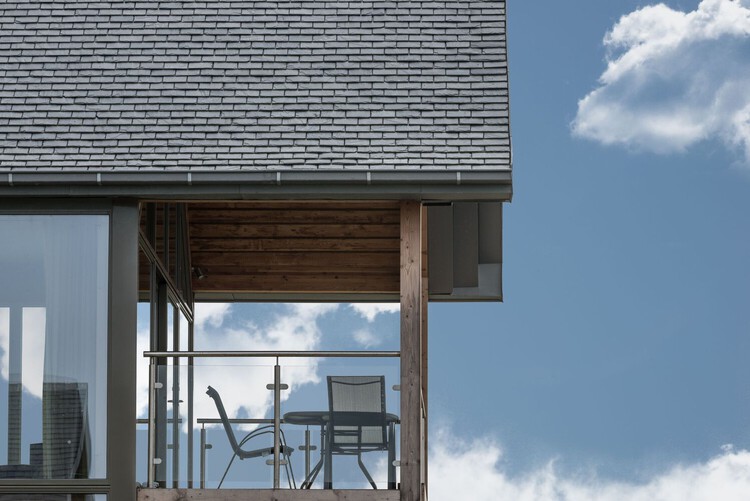
It is resistant to extreme temperatures, with a lifespan of 100 years and a high impermeability, slate guarantees a reliable performance in any climatic condition. Its diversity in shapes, sizes, and textures allow for a multiplicity of combinations inviting architects to awaken their creative side.

We've compiled a list of 7 exemplary homes that have used slate as a wrapping material.

Villa S / N+P Architecture

Villa S / N+P Architecture - More Images+ 10

Villa P / N+P Architecture

Villa P / N+P Architecture - More Images+ 13