Li Hu

BROWSE ALL FROM THIS PHOTOGRAPHER HERE
↓

"The Poetics of Survival": OPEN Architecture Designs Lina Bo Bardi's First Exhibition in China

Audio available

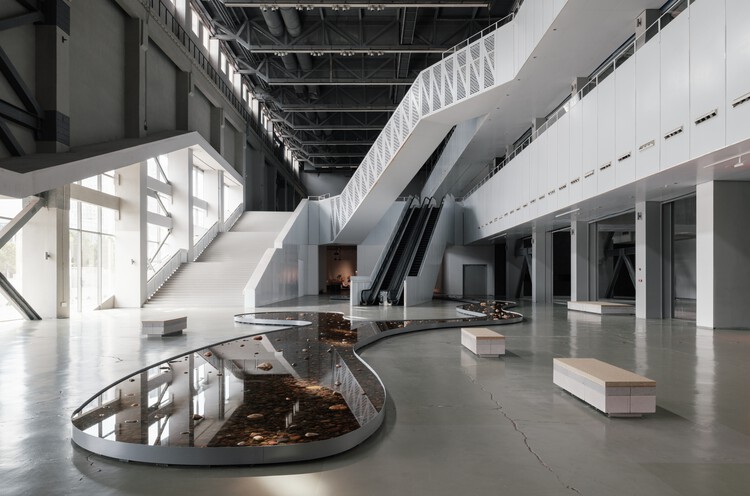
From 25 July to 25 October 2026, Shanghai's Power Station of Art (PSA) will host the first exhibition in China dedicated to the work of Brazilian architect Lina Bo Bardi. Titled "The Poetics of Survival," the exhibition was curated by Renato Anelli, and the display was designed by OPEN Architecture in a 2,300 m² space of the PSA contemporary art museum in Huangpu. The objective was to design "a stage where the audience gets a glimpse of the everyday reality of Brazil in Lina's time" through a journey across the architect's work and layered persona. The exhibition is not described as a retrospective, but as an "encounter with the master's poetics of survival," a late-20th-century concept describing how creative work becomes a tool to endure trauma such as historical oppression or extreme crisis. The concept serves as a common thread linking the reality portrayed and contemporary observers of a body of work "informed by her ingenuity, versatility, and generosity."

The Poetics of Survival: OPEN Architecture Designs Lina Bo Bardi's First Exhibition in China - More Images+ 26

Subscriber Access

Bamboo formwork in exposed concrete projects

Bamboo formwork in exposed concrete projects - Imagem 5 de 4
House for Trees / Vo Trong Nghia Architects. Image

Although concrete is one of the most widely used building materials in the world, thanks to its durability, versatility, and weather resistance, we must not forget that the concrete industry is one of the largest CO2 emitters in the construction sector. Consequently, over the past few years, many architects have begun to experiment with new possibilities to optimize its performance, leveraging its technical advantages while seeking to address some of its environmental drawbacks. As a result, some designers have begun exploring the possibility of replacing traditional wooden formwork with more sustainable materials like bamboo—a plant that grows abundantly across most of the world and offers high-quality textured finishes with a low environmental impact.

Bamboo formwork in exposed concrete projects - More Images+ 16

Subscriber Access

Merging Bamboo & Concrete for the Emerging World

Merging Bamboo & Concrete for the Emerging World - Featured Image
© Hannah Ahlblad

Developed by Hannah Ahlblad, a recent graduate of Wellesley College cross-registered at MIT's School of Architecture + Planning, this article explores the potential of merging bamboo and concrete, harnessing the strengths of both materials to create a sustainable, durable and affordable material for use in developing countries. Hannah’s project was created in conclusion to the semester-long emergent materials elective taught by Professor John E. Fernández, Director of MIT’s Building Technology Program.

In the rapidly developing economies of East Asia and Latin America, urban architecture often seeks to combine the local heritage with the prestige of Western contemporary form and practices. The materials used in urban areas of these growing cities follow the steel, glass, and concrete technology used elsewhere. Usually, emerging materials research looks at the structural properties and applications of materials under scientific development. Less consideration has been given to ancient building materials and their interaction with today’s engineering.

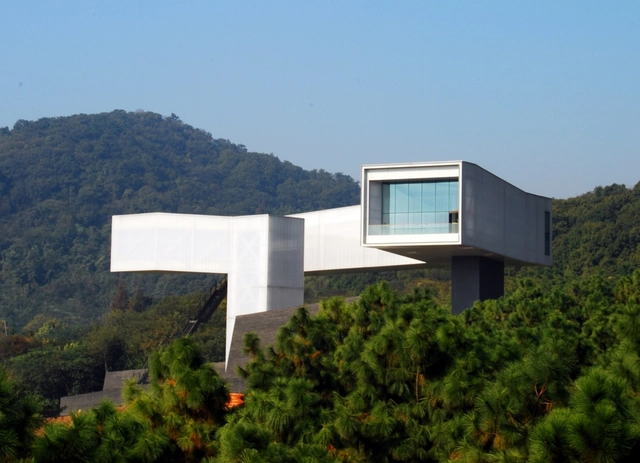
Nanjing Sifang Art Museum / Steven Holl Architects

Nanjing Sifang Art Museum / Steven Holl Architects - More Images+ 71