Out of necessity, buildings change uses over time. Churches become libraries, and abandoned warehouses are transformed into cultural centers. Although much has been written on the subject since N. John Habraken's concept of open building in the 1970s, a fascinating global debate is currently underway. Do we really need so much square footage dedicated to offices when the pandemic proved that much of our work can be done remotely?
Driven by necessity, various building types have changed their use. Churches that are now libraries, abandoned warehouses turned into cultural centers—and while much has been written on the subject, from N. John Habraken's 1970s Open Building concept to Adamo Faiden's contemporary From Mixed-Use to Diff-Use, today we are experiencing, more than ever, a compelling global debate surrounding housing adaptability. Is it necessary to dedicate so much square footage to offices when, during the pandemic, we realized that a large portion of work can be done remotely? This was one of the central questions during the lockdowns of recent years.
Undoubtedly, buildings are on the radar for what we can do with them in the near future—especially as the climate crisis enters the equation. "The greenest building is the one that is already built," says Carl Elefante. Adaptive reuse and adaptability will surely be the defining terms on the lips of architecture professionals worldwide. Thus, it is time to reflect further on how design can address this challenge.
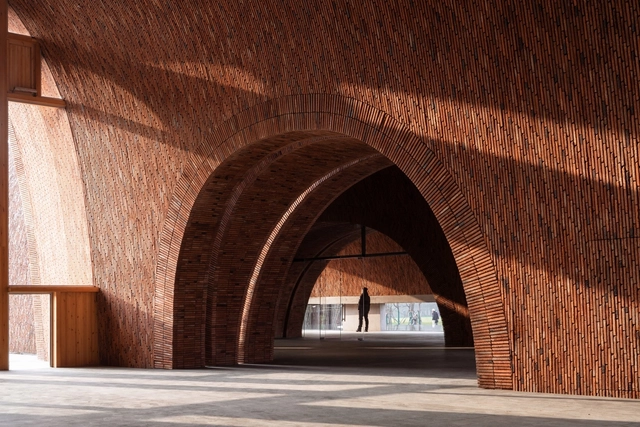
Jingdezhen Imperial Kiln Museum / Studio Zhu-Pei. Image Courtesy of Studio Zhu-Pei
Over the course of the last decade there has been a growing interest in the handcrafted buildings, as well as in the application of local and renewable materials in building construction. Under the concerns about the heavy environmental and economic expenses caused by construction, nowadays urban planners are embracing the concept of sustainability, which refers to “meeting our own needs without compromising the ability of future generations to meet their own needs”.
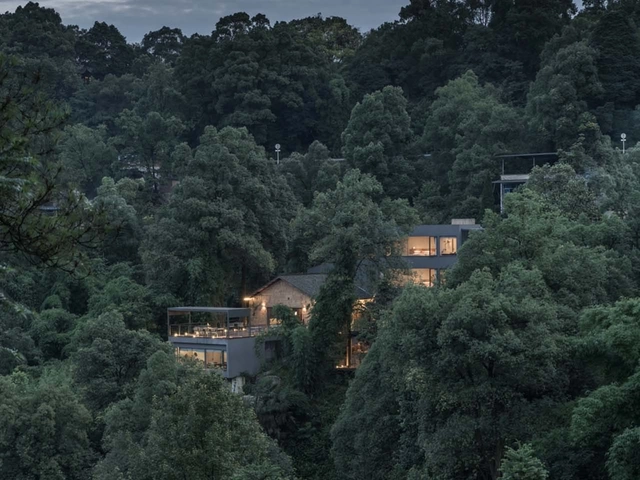
NanShan B&B Hotel / Priestman Architects. Image Courtesy of Luyi Photograph
A border city can be classified as an urban agglomeration close to the boundary of two countries, states, or regions. Nowadays, as our cities are rapidly expanding and our transportation modes continually upgrading, the boundary between cities and rural areas has been constantly pushed and redefined.

.jpg?1575547119&format=webp&width=230&height=230&crop=true)
.jpg?1575551436&format=webp&width=230&height=230&crop=true)
.jpg?1575551299&format=webp&width=230&height=230&crop=true)
.jpg?1575551311&format=webp&width=230&height=230&crop=true)
