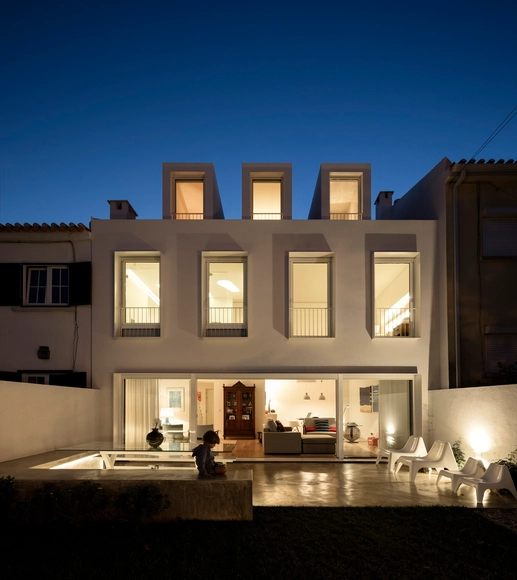


-
Architects: João Tiago Aguiar, Arquitectos
- Area: 225 m²
- Year: 2016
-
Professionals: Oficina dos Sonhos, OMF



You’re a chipper young first-year student, still soft and tender in the early stages of your induction into the cult of architecture. Apart from fiddling with drafting triangles and furiously scribbling down the newfound jargon that is going to forever change how you communicate, you often find yourself planted in a seat, eyes transfixed to a projector screen as your professor-slash-cult-leader flashes images of the architecture world's masterpieces, patron saints, and divine structures.
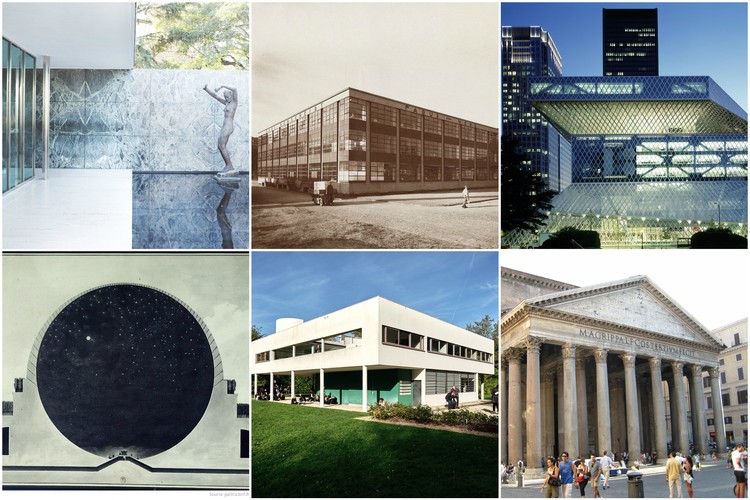
Soon, you develop a Pavlovian response: you instinctively recognize these buildings, can name them at once and recite a number of soundbites about their design that have lodged themselves in your brain. Your professor looks on in approval. Since we here at ArchDaily have also partaken in this rite of passage, here are 15 buildings that we all recognize from the rituals of architecture school.

The following photo set by Fernando Guerra focuses on the Galician Center of Contemporary Art, a project by Portuguese architect Álvaro Siza Vieira.
Located in the Spanish city of Santiago de Compostela, the Galician Center for Contemporary Art was developed in 1993. Its declared horizontality and respect for the surrounding buildings and the urban structure are configured in the most remarkable gestures of this project. The solid and austere volumes form the boundaries of the area to the streets, with subtractions that make it accessible. The center has several permanent and temporary exhibition rooms, auditorium, library, cafeteria and administrative rooms.
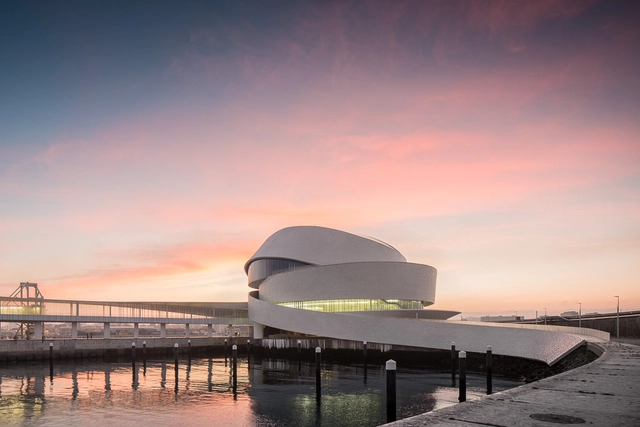
The strategic definition of a new cruise terminal had a double objective: improvement of the commercial efficiency and a better urban integration. In this photoset, Fernando Guerra captures the many sides of the Leixões Cruise Terminal, a project that won the 2017 Building of the Year Awards in the "Public Architecture" category.
Get to know all the facets of this building below.
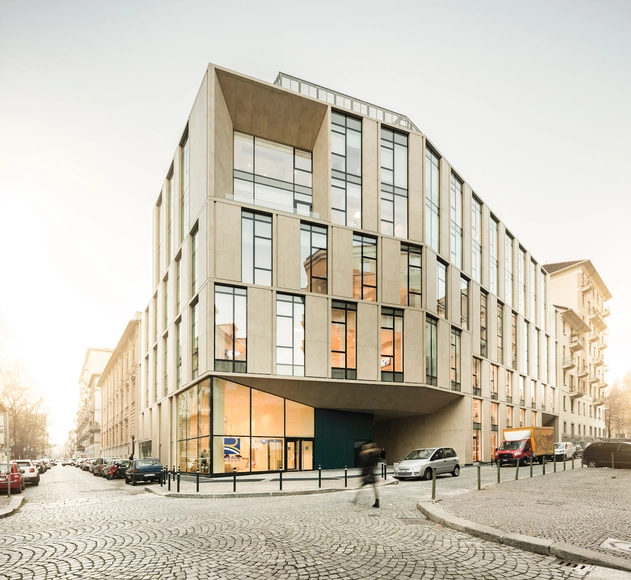
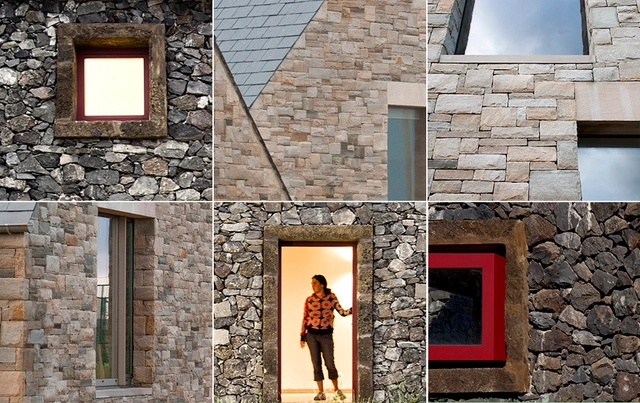
Stone is elemental to our built world. It is one of the oldest (if not the oldest) materials used in man-made habitats. The sense of timelessness in stone is attributed to its long and varied history alongside architecture. From ancient monoliths to cities to houses, the diversity of stone means that it can be used to convey a variety of expressions. Carved, polished, sedimented, stacked, preserved - the list can go on and on. The feeling stone conveys in contemporary projects usually brings with it a sense of place – a raw materiality when paired with timber or other natural materials. With that in mind, check out these 6 details of projects that stand out for their use of stone:
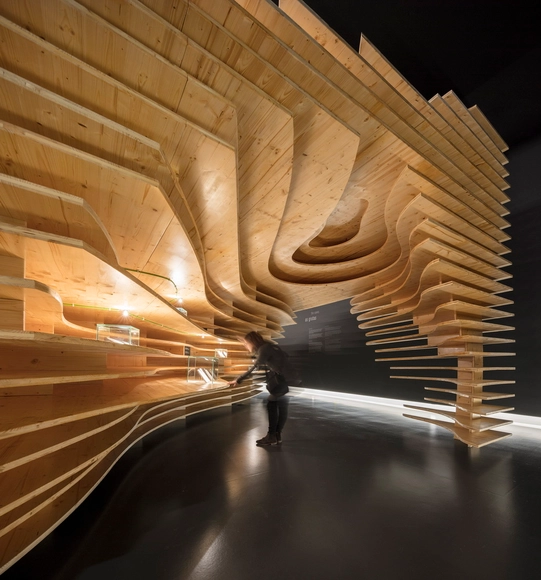

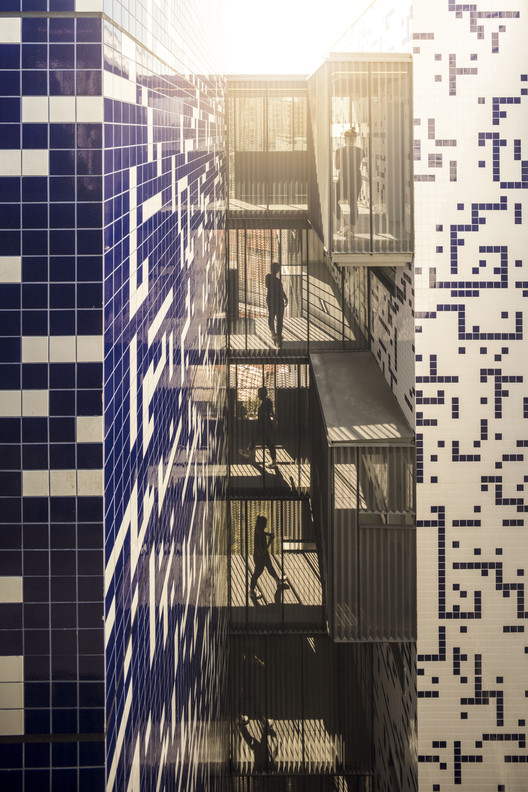


In this photoset by Fernando Guerra, the photographer turns his lenses to a little-known project by Portuguese architect Álvaro Siza Vieira, Meteorology Center in Barcelona.

Designing a museum is always an exciting architectural challenge. Museums often come with their own unique needs and constraints--from the art museum that needs specialist spaces for preserving works, to the huge collection that requires extensive archive space, and even the respected institution whose existing heritage building presents a challenge for any new extension. In honor of International Museum Day, we’ve selected 23 stand-out museums from our database, with each ArchDaily editor explaining what makes these buildings some of the best examples of museum architecture out there.


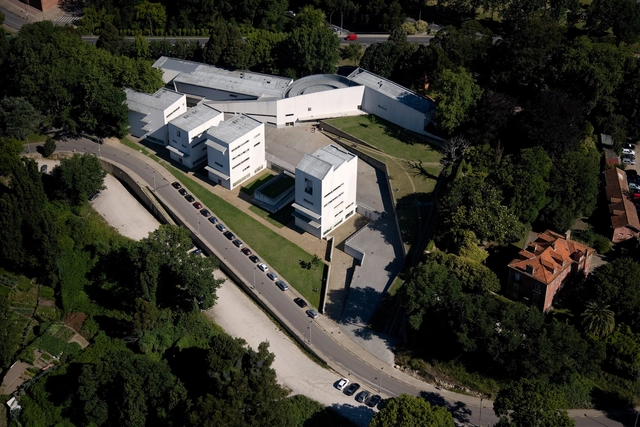
This week we present the Faculty of Architecture of the University of Porto through the lenses of Fernando Guerra. Here we share a complete series from the photographer of this iconic work, along with a brief text on the subject. The University of Porto plays a major role in the world's architectural landscape, always among the highest in rankings and boasting great architects like Eduardo Souto de Moura (Pritzker 2011), Fernando Távora and Álvaro Siza Vieira (Pritzker 1992).
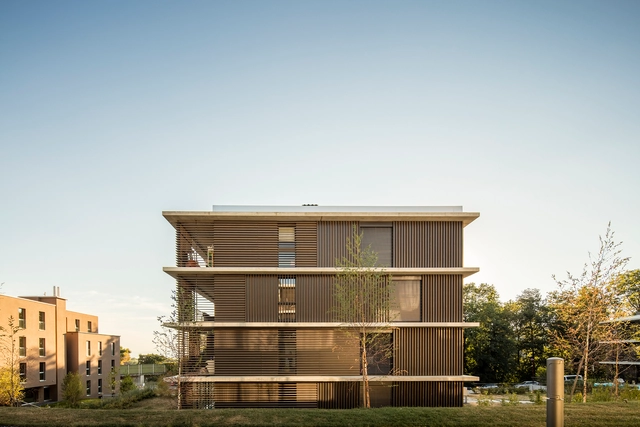
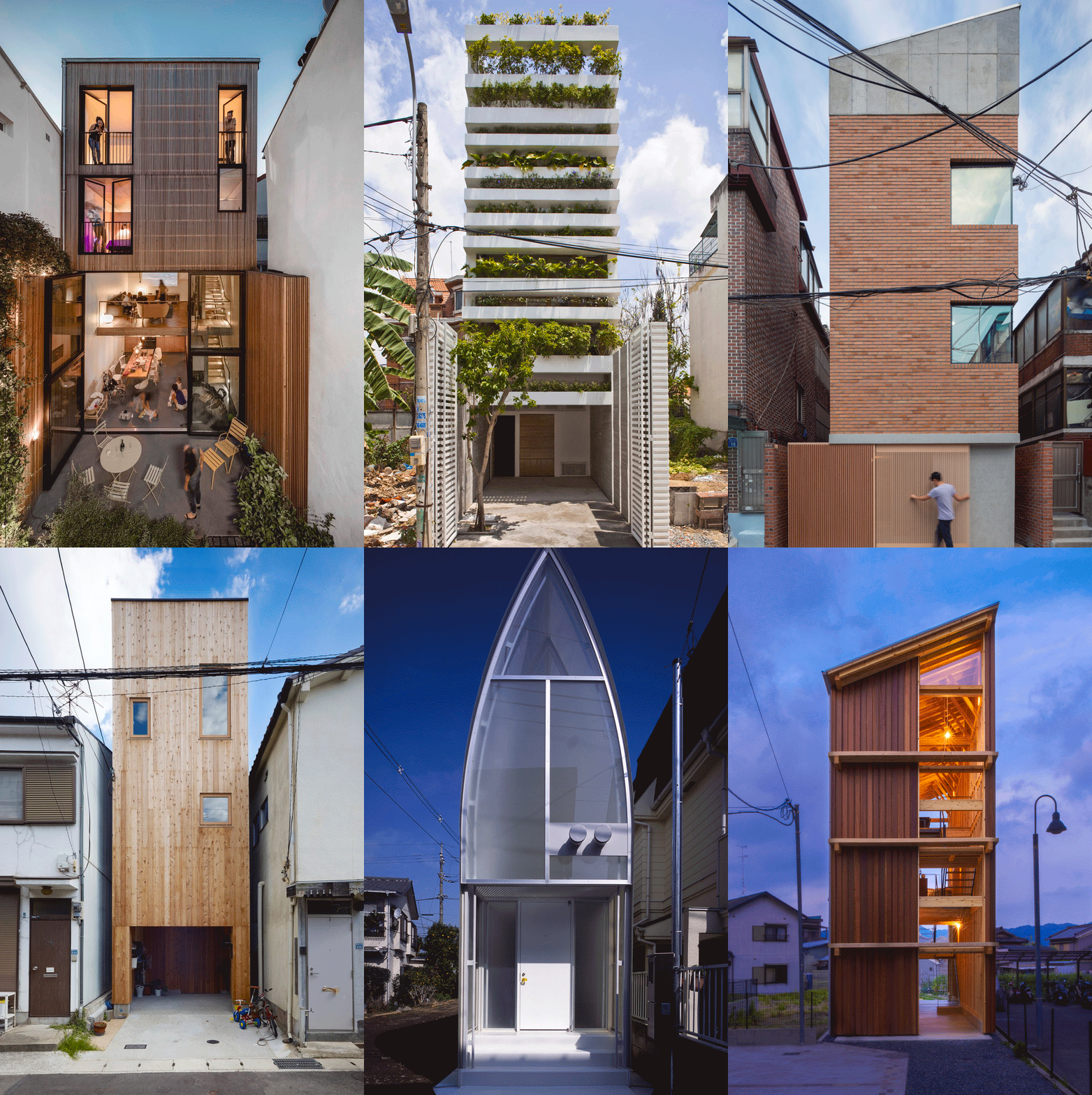
Skinny houses have a wider appeal than their footprint would suggest. With cities becoming denser, and land becoming rare and expensive, architects are increasingly challenged to design in urban infill spaces previously overlooked. Although designing within these unusual parameters can be difficult, they often require an individual, sensitive response, which can often lead to innovative, playful, even inspiring results. With that in mind, here are 22 houses with a narrow footprint, and a broad impact.