Manufacturers: Duravit, Grohe, Saint-Gobain, Chainlight, Chainligt, +6Daikin, J.Dias, Living ceramics, Marmore Extremoz, Sapa Building System International NV, Tribu-6
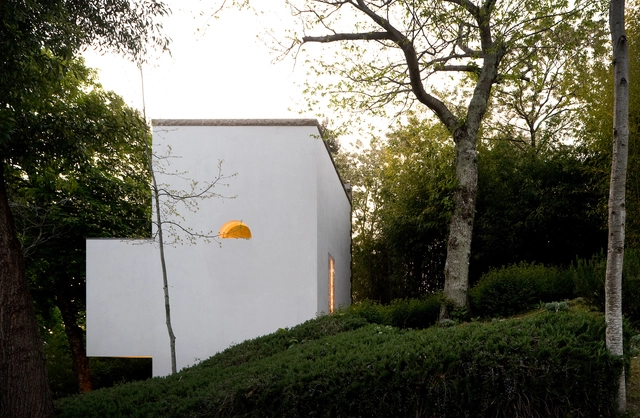
A pure volume, slightly lit, sits in the middle of a garden. It is a private chapel in Quinta de St. Ovídio in Lousada, built between 1989 and 2001 and designed by Álvaro Siza Vieira. The project starts from a path, where you can see the prismatic white volume from afar. As you pass through the building and some steps, you arrive at the entrance square. Here you will notice that Siza differentiated the main facade, in stone, from the other three, in white painted concrete, giving it importance.
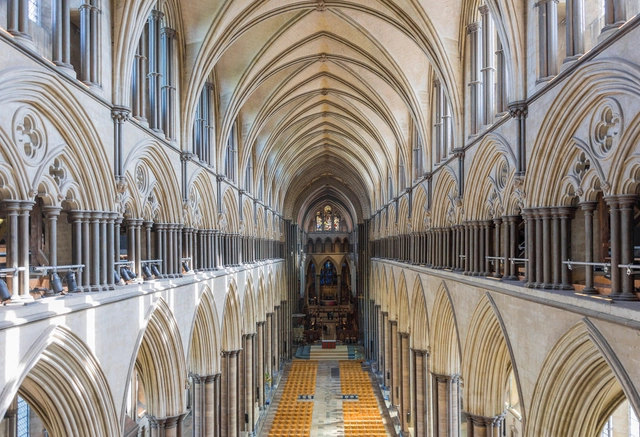
Some of the greatest architectural works throughout history have been the result of religion, driven by the need to construct spaces where humanity could be one step closer to a higher power. With more people choosing a secular lifestyle than ever before, are the effects that these buildings convey—timelessness, awe, silence and devotion, what Louis Kahn called the “immeasurable” and Le Corbusier called the “ineffable”—no longer relevant?
With the Vatican’s proposal for the 2018 Venice Biennale, described as “a sort of pilgrimage that is not only religious but also secular,” it is clear that the role of "religious" spaces is changing from the iconography of organized religion to ambiguous spaces that reflect the idea of "spirituality" as a whole.
So what does this mean? Is there still a key role for spirituality in architecture? Is it possible to create spaces for those of different faiths and those without faith at all? And what makes a space "spiritual" in the first place?
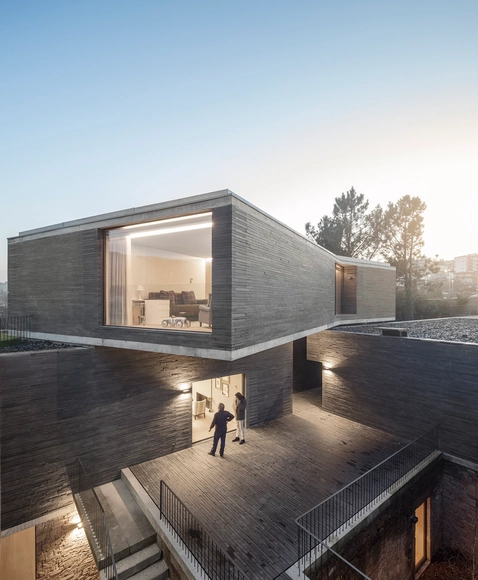
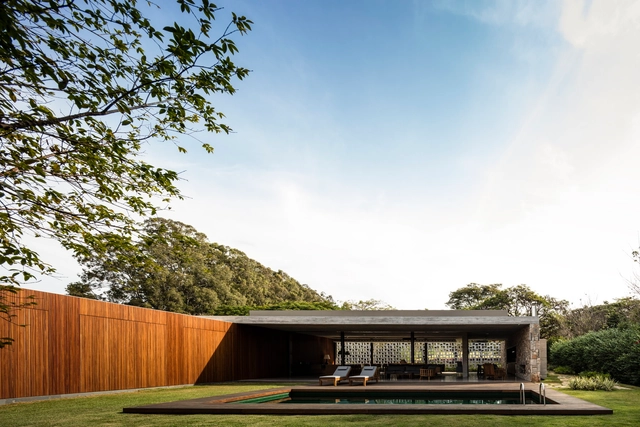
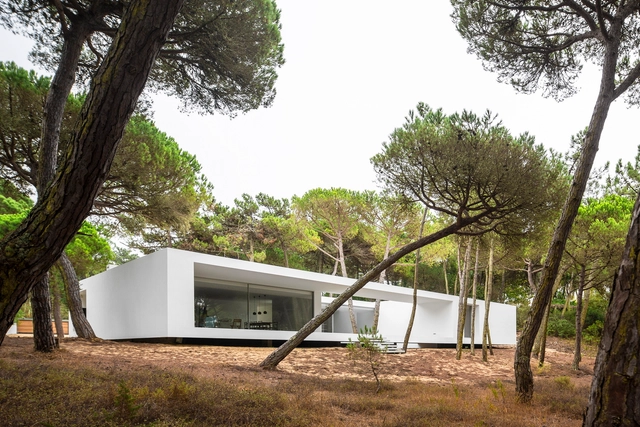
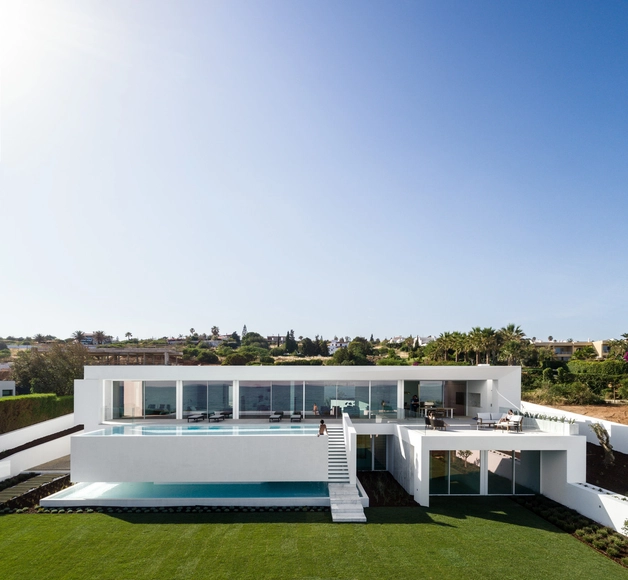
Homes may be the most powerful projection of architectural value. Because shelter is essential for all of us, the home is architecture’s universal function. We’re all experts on what our own home must be, to us.
But architects often have a different view of home. Twenty years ago—during the recession before the last recession—I remember hearing an architect declare that he could earn a living designing houses until “real work came along.” Another architectural meme is the classic first job: designing a house for your parents.
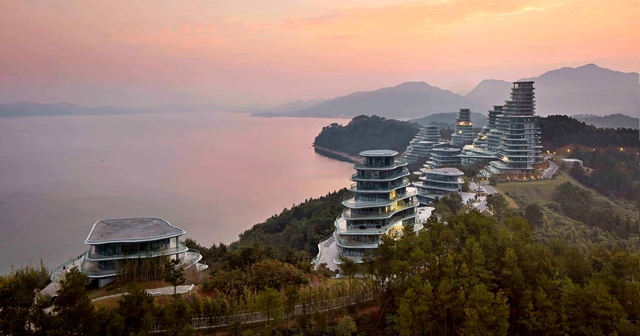
With the unconventional, undulating forms of his buildings—and the fact that his path to architectural success included a stint working for Zaha Hadid—Ma Yansong is often miscategorized as an architect of the latter generation of Deconstructivists, interested only in futuristic forms that push the boundaries of technology for the sake of innovation as an end in itself. But in fact Ma’s designs, especially those in his home country of China, are deeply rooted in nature and tradition, as he explains in the latest interview from Vladimir Belogolovsky’s “City of Ideas” series.
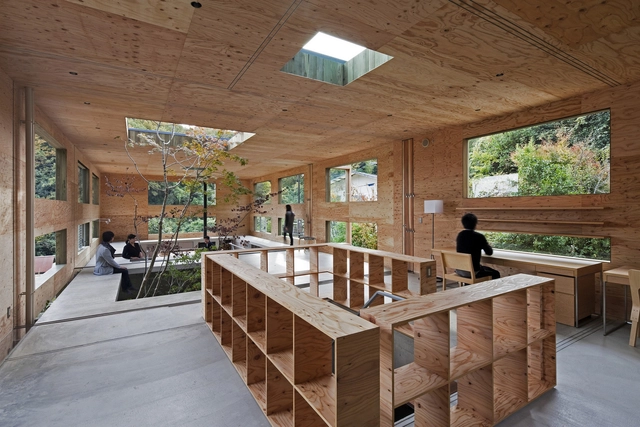
Living rooms are spaces dedicated to sharing time with family, receiving visitors, working, and carrying out a wide range of unpredictable activities. Regardless of their size, the key to an innovative design for this part of a house is in creative spatial organization, in its connection to other parts of the home and, above all, in programmatic flexibility. Here, we present a selection of exceptional living rooms captured by renowned photographers such as Hiroshi Ueda, David Foessel, and Wison Tungthunya.






.jpg?1519828313&format=webp&width=230&height=230&crop=true)
.jpg?1519827102&format=webp&width=230&height=230&crop=true)
.jpg?1519827348&format=webp&width=230&height=230&crop=true)
.jpg?1519827569&format=webp&width=230&height=230&crop=true)


.jpg?1522152936&format=webp&width=230&height=230&crop=true)







.jpg?1522144756&format=webp&width=230&height=230&crop=true)
.jpg?1522146278&format=webp&width=230&height=230&crop=true)
.jpg?1522145121&format=webp&width=230&height=230&crop=true)
.jpg?1522145506&format=webp&width=230&height=230&crop=true)