Delia Esperanza

BROWSE ALL FROM THIS PHOTOGRAPHER HERE

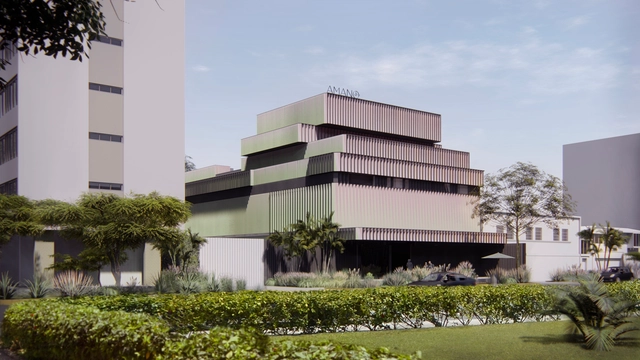
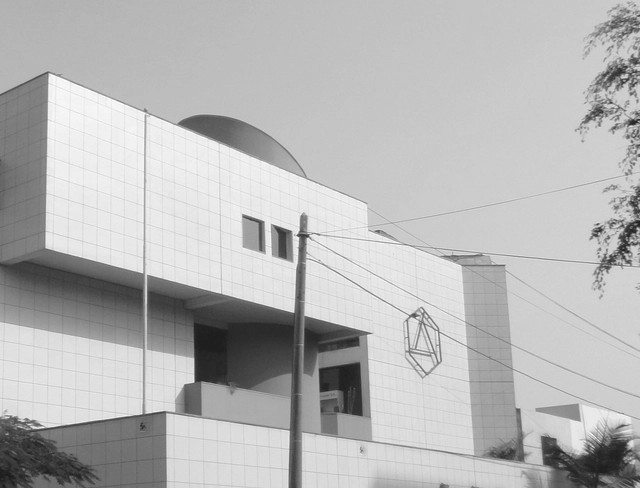
The New Image of the Pre-Columbian Textile Museum in Peru

Subscriber Access | 

“In ancient Peru, textiles reveal the economic, social, political, and religious development of each culture. Their importance lies not only in their use as garments, but goes far beyond. The dimensions of some fabrics suggest they were used as canvases to cover walls—as is the case with painted textiles—or as funerary shroud wrappings,” reads an open book in the museum. This textile history, dating back to around 8000 BCE, is exhaustively preserved and narrated at the Amano Pre-Columbian Textile Museum, whose collection has been declared a national heritage.

Faced with the spatial challenge of housing such a treasure, how should architecture respond? Should museums be iconic infrastructures within the city? What is the best way to arrange spaces for this museological vision?

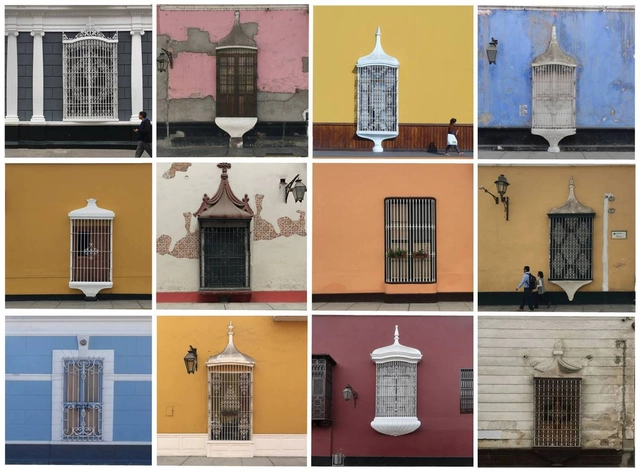
Trujillan Windows: Urban Scale and Interior World

Subscriber Access | 

They represent one of the many treasures of northern Peru: its immense windows. When I learned I was heading pa'l norte to Trujillo, I immediately began to dream of its windows. I had encountered them in an excellent university course, and their dimensions were striking enough to occupy a significant place in my memory—compounded by a natural obsession with windows of any size or shape, their purpose, and what they make possible. Although I had been there years ago as a child, I was now returning with a fresh, more architectural perspective.

This is a photographic journey and compilation of the diverse variations of the Trujillo window. The images are not limited to the well-preserved areas of the city; they also reveal neglect or deterioration. Either way, their beauty shines through.

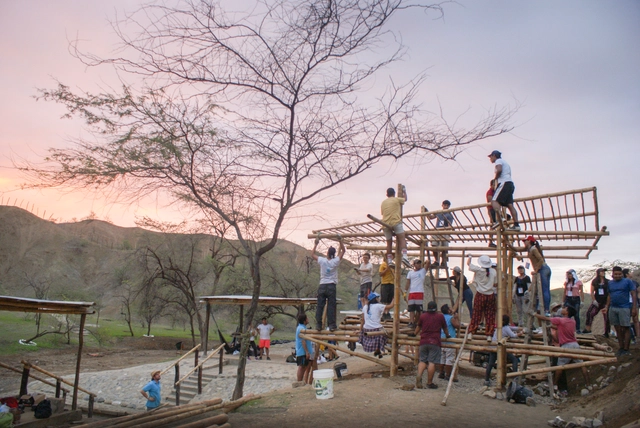
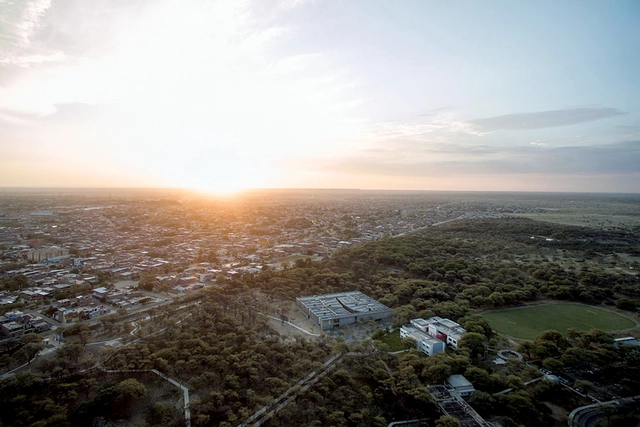
TSI Máncora 2019: Students build in the hidden landscapes of the Peruvian coast

Subscriber Access | 

One could say we have waited for sunset to rekindle the warmth of this experience—and thus blend nostalgia with the newly arrived autumn.

The end of summer has arrived in the southwestern hemisphere, and among the many new lessons each climate leaves behind in these parts, in one of Peru's warmest regions, TSI 2019 left footprints and works that sooner or later we would be ready to reveal. All, or most, of those who participated have already returned to their school or work routines, yet at the end of the season, this remains a place to return to.

Toward a New Peruvian Architecture Biennial

Subscriber Access | 

Architecture biennials showcase professional output on local, regional, and global scales. There are many such events worldwide, allowing us to discover the very best of our architectural work. In Peru, the biennial—sponsored by the College of Architects—is an opportunity to bring together different cohorts and generations, as well as to exchange ideas and experiences.

First and foremost, it must always be a professional Biennial; that is, it should call for works completed by Peruvian architects in their professional practice. That is its core purpose. I have nothing against undergraduate theses or student projects, but I do not believe this is the venue for them. Student biennials can easily be organized during national architecture student congresses. Furthermore, as this is an opportunity to showcase what is new and exceptional, I believe participation should be encouraged by charging an affordable entry fee to all Peruvian architects, whether they work in design or research, in the public or private sector.

How guilty are architects of urban violence?

Subscriber Access | 

The initial question—and with it, the proposed discussion—stems from the original title of the article War-chitecture: How guilty are architects in urban violence? by Tomas Beverina, one of our readers in Argentina, who invites us to reflect on urban violence and prompts an even broader, collective debate.

Winners of the 18th Biennial of Architecture and Reconciliation “Rethinking the Territory” in Peru

To start at the end: last Saturday, September 8, 2018, the award ceremony was held for the XVIII National Biennial of Architecture and Reconciliation “Rethinking the Territory”, an event co-organized by the Architects' Association of Peru - La Libertad Region, and the Architects' Association of Peru. This concluded a three-day series of events designed to foster reflection and showcase the work produced in Peruvian architecture over the last two years. We attended the biennial in the city of Trujillo, where its decentralization, return to long-forgotten values, and rethinking of the territory invite deep reflection—points we will return to later. For now, we focus on presenting the results.

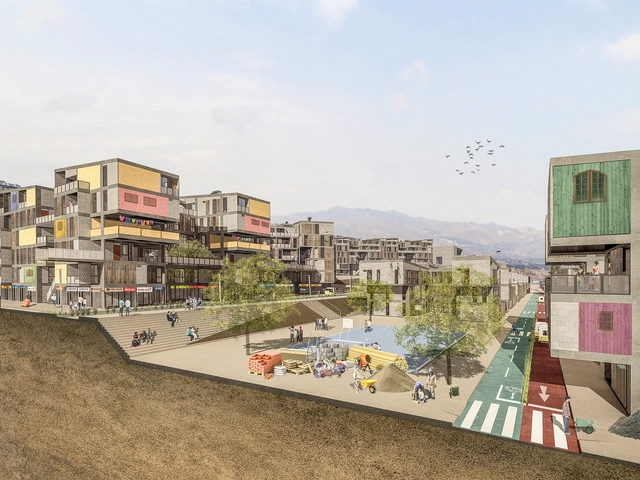
Urban occupation strategies to re-inhabit the hillsides of Lima

Subscriber Access | 

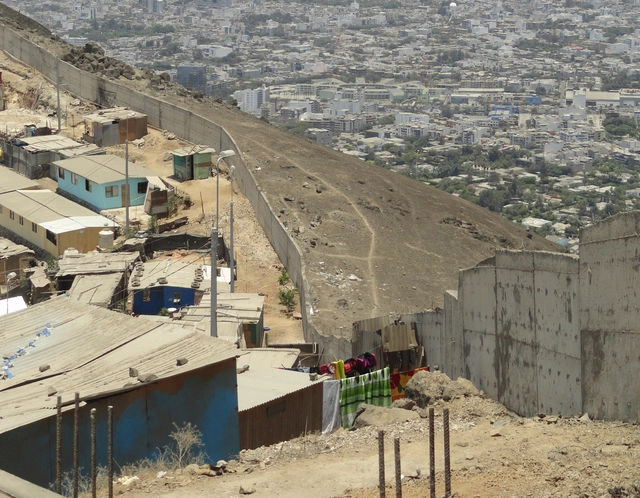
The hillsides are like a shroud surrounding us, yet in a skewed manner. Lima's fog serves as an excuse for this neglect. Speaking of inhabiting the hillsides can still be synonymous with "uninhabitable" due to the precarious conditions of so many vulnerable homes, which make up 70% of the city's self-built housing. Yet, by virtue of their geography, hillsides offer habitable qualities that we must recognize and rethink to position ourselves wisely within the territory, and thereby reinhabit them with a fresh perspective. Not all self-built homes are "devoid of knowledge"; some offer their own lessons. Most, however, do not. The truth is, this is a field that remains to be explored.

For many, this fascinating parallel world occasionally brings forth theses like this one, deeply grounded in reality. Accordingly, “Urban Occupation Strategies to (Re)inhabit Hillsides” has won first prize this year in the undergraduate thesis category of the XVIII Peruvian Biennial of Architecture. While this is the first time the Peruvian Biennial has chosen to recognize recent graduates, the proposal itself offers valuable lessons for professional practice. In justifying its decision, the jury highlighted it as an intriguing and well-crafted solution for hillside development, combining landscape design with renewable technology.

We have forgotten to critique architecture itself

Subscriber Access | 

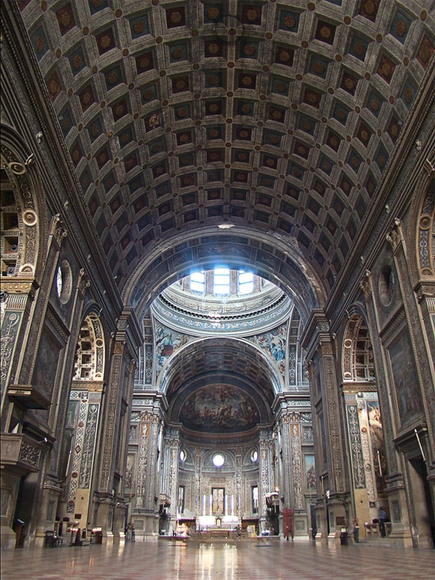
More than a decade ago, I decided to study contemporary architecture while simultaneously teaching history and criticism, with an emphasis on the last century. The thrilling trajectory of architecture during this period is as surprising and prolific as it undoubtedly was during the Renaissance. Names like Gropius, Jeanneret, Mies, Wright, Costa, Niemeyer, Tange, Bonet, Williams, Scharoun, Terragni, or Aalto represent a group of brilliant architects, much like historical figures such as Leonardo, Raphael, Michelangelo, Brunelleschi, Bramante, Tintoretto, Titian, Masaccio, Botticelli, Palladio, Alberti, and Vignola were to their art starting in the fifteenth century. Modernity in architecture and art undoubtedly possesses the character of a revolutionary period, one of monumental contributions and a turning point in history.
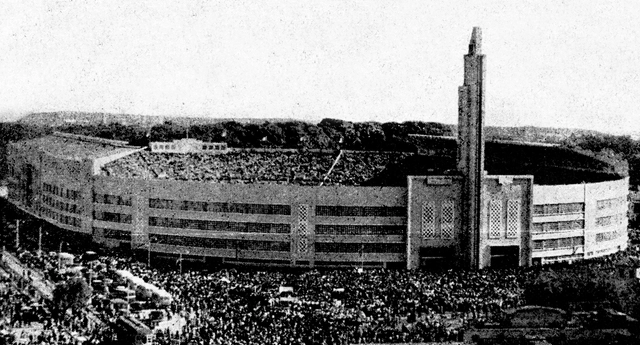
AD Classics: National Stadium of Peru / Alberto Jimeno

A classic of classics, owing to its architectural significance in the Peruvian collective memory, and as a venue for legendary derbies and iconic moments—such as qualifying for the World Cup after so many years—this building is, above all, a classic of Peruvian modern architecture, albeit now dressed in a contemporary mantle. This feature aims to move from the most visible and familiar aspects of today to understand its original structure and design.

AD Classics: National Stadium of Peru / Alberto Jimeno - More Images+ 42