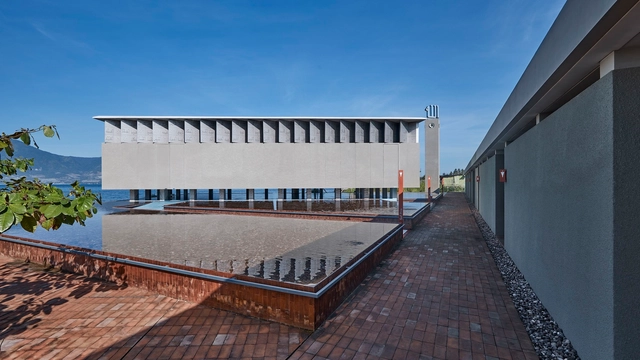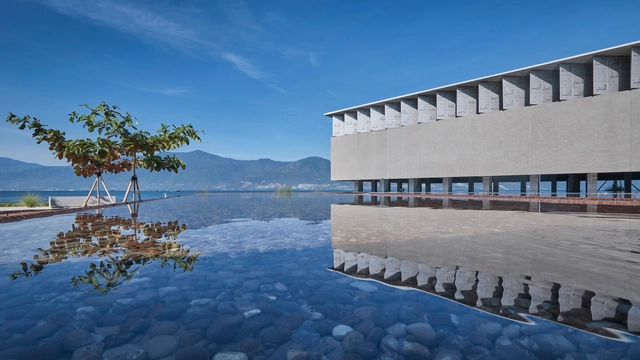
The configuration of the mosque, the worshipping place for Muslims, traces its history to the courtyard of the religion's founder. The first mosques were, therefore, simple open spaces marked for ritual prayer use. Over the years and centuries, they would gain multiple standard, functional features, such as the mihrab, a niche that indicates the direction of prayer, and the minbar, a pulpit for the preacher to give the sermon. Other elements also became common, such as domes and minarets, which were historically used for the call to prayer. These had the additional purpose of signifying the function of the building as a mosque and were used by rulers and benefactors to elevate its grandeur.
In contemporary times, mosques are not immune from architectural debate. Elements that have no religious function are questioned, as is the relationship between a mosque and its context. The discussion is especially stark in parts of the world with relatively new Muslim communities, where some theorists have advocated for the removal of symbolic elements on the basis that they are 'pastiche,' while others are nostalgic about the sentimentality associated with historical forms. Nonetheless, contemporary architects have been successfully elevating mosque architecture, fulfilling its functional requirements creatively, while allowing the building's context to drive the form.