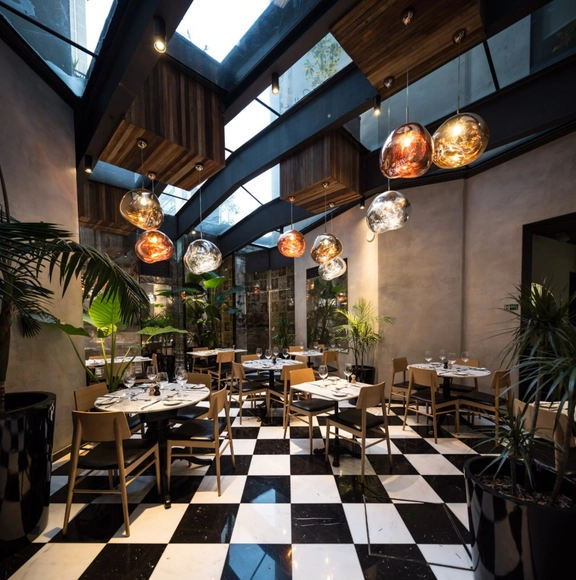
Hotel Magnolia, designed by architect Cazú Zegers and built in 2013 in Santiago, Chile, has been featured for the fourth consecutive year in the Condé Nast Traveler Readers' Choice Awards, ranking among the Top 20 Hotels in South America.
Hotel Magnolia, designed by architect Cazú Zegers and built in 2013 in Santiago, Chile, has been featured for the fourth consecutive year in the Condé Nast Traveler Readers' Choice Awards, ranking among the Top 20 Hotels in South America.
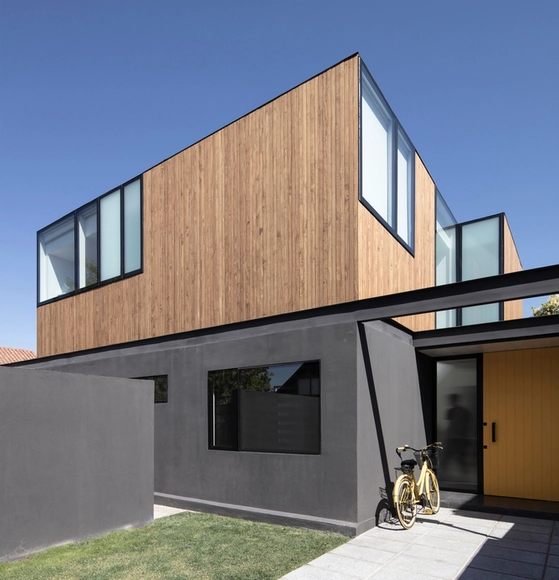
In recent years, wood has gained traction as a renewable, versatile, and aesthetically appealing building material. Its strength, ease of handling, and insulating properties give it advantages that other materials cannot match, making it an increasingly popular choice among designers, architects, and builders. However, while it offers multiple benefits, it is also susceptible to degradation and decay, requiring preservation care to withstand the passage of time and other external threats.
Historically, to address these durability issues, there were two options: applying chemical treatments or using tropical hardwoods. While the former generates harmful toxins, the latter drives deforestation in the context of climate change. Consequently—and driven by an increasing demand for the material—alternative methods have been developed to protect it. One of these is acetylation, a non-toxic process that, in addition to offering high performance, significantly reduces environmental impact.


On Saturday, April 14, the continental award ceremony for the Prix Versailles will be held at Castillo Hidalgo in Santiago, Chile. The awards will honor the architecture and design of 24 completed retail, hotel, and restaurant projects across South America, Central America, the Caribbean, and North America.
Learn more about the event and past winners below.


