



-
Architects: Atelier ArchFAN
- Area: 274 m²
- Year: 2022





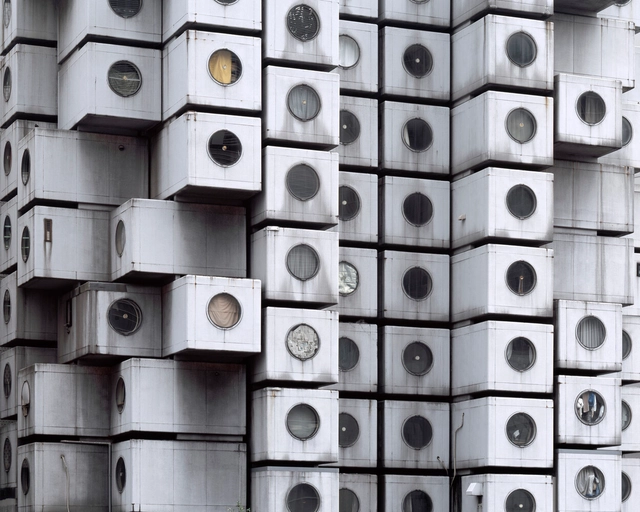
When Kisho Kurokawa designed his now iconic Nakagin Capsule Tower in 1972, the structure was meant to represent the core principles of Metabolism, experimenting with ideas of growth and change borrowed from biological processes. The emerging style in postwar Japan aimed to create buildings and megastructures that emulate living organisms that can evolve, expand, contract, and adapt to their changing conditions. Following this concept, the Nakagin tower was composed of 140 identical cell-like capsule units, each individually bolted to the two central shafts. The capsules were intended to be replaced and upgraded every 25 years, allowing for flexibility and mutation. The innovation proved to be impractical, however. Almost 50 years after its construction, the tower was demolished, but not in its entirety. A total of 23 capsules were saved and removed from the building to be given a new life. Now, the capsules are scattered around the world, continuing to represent Metabolist ideals in unexpected ways.

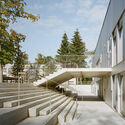
In Nieuw Delft, a newly developed city area next to the historic city center of Delft and in close proximity to the central train station, Common City is developing the winning LeeuwenPart plan in collaboration with Space&Matter. The project includes a residential building located on the edge of the future Van Leeuwenhoek Park. The project is developed as a co-commissioning, a process where the future residents are included in the design process, resulting in a well-adapted building and a close-knit community.


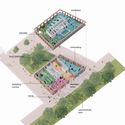



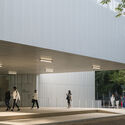
The Center for Arts and Innovation has just selected Pritzker Prize-winning architect Renzo Piano to design its new creative campus. The campus is situated in the heart of downtown Boca Raton in Florida and aims to become a global hub for creative excellence. Ultimately, The Center is on a mission to transform Boca Raton into an internationally recognized destination for culture, arts, innovation, and technology.
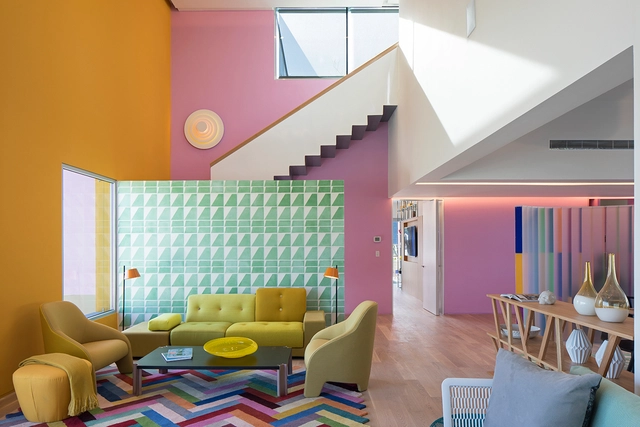
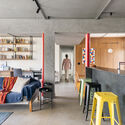
Color plays a significant role in the world. Partly because of the significance attached to each hue, the use of color in architecture – especially in interiors – changes the ambiance of each project. In commercial establishments, color has a considerable influence on highlighting a given brand, and in homes, it can reflect the resident’s personality and complement the language adopted in the project. This exploration can take place directly in the tectonic object (architecture) through the surfaces that constitute the building, or it can take advantage of mobile elements, easily changeable.
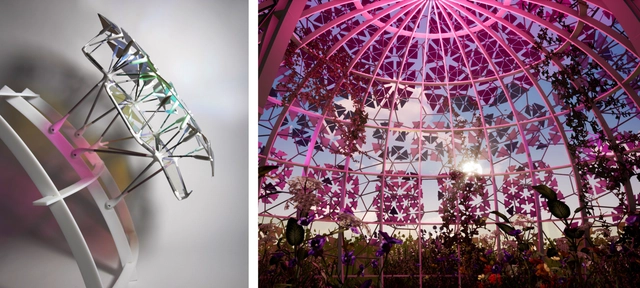
Why research and innovate in architecture? In a conversation with architectural designer Jenny E. Sabin, we delve into the critical link between research and practice in architecture. Seeking the development of a new model, her team incorporates an interdisciplinary approach that introduces connections between these areas, fostering collaboration with both scientists and engineers.
Observing nature’s behavior, the proposed method integrates biological and mathematical discoveries into the design process. After undergoing a systematic testing process, these insights are applied in the project’s generative design phase to create adaptive and responsive material solutions. Analyzing her research and design strategies, we showcase how she translates research into architectural practice.