
-
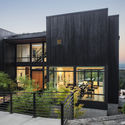
Architects: Scott Edwards Architecture
- Area: 6473 ft²
- Year: 2015
-
Manufacturers: Cascadia, DeaMor, Delta Millworks
-
Professionals: Shapiro Didway, Garrison Hullinger Interior Design, Otis Construction



The halfway point of 2017 has come and gone, and this year is already shaping up to be the biggest and best in ArchDaily history: in six months, we've published more than 2,000 built projects of all different shapes and sizes from locations all over the world.
Of all the project categories we publish, residential projects are without a doubt one of the most popular. Houses are, after all, the most personal building typology – not only for the end user, but for the architect as well. Where the design of public buildings is often massaged by codes and opinions of institutional representatives, designing a house is a chance for an architect to make a personal bond with a client, together envisioning a creative structure that perfectly captures their architectural spirit.
We’ve published more than 700 houses already this year, but the following 50 have been the most popular, connecting with our readers and reaching the widest audience. In the list below, check out the 50 most popular houses of 2017 so far.

Ever wondered what it would be like to wake up within the iconic pink walls at La Muralla Roja? Or, you could finally swim in the rooftop pool atop the Brutalist Torres Blancas in Madrid, or even enjoy the weekend in a house designed by Pritzker laureate Shigeru Ban in Sri Lanka. Thanks to house renting platform AirBnb, that architecture daydream is now a reality. Residential architecture masterpieces can often feature in an architecture lovers bucket list but can be limited to looking at it from the outsides. Now, you can actually experience many famous works for what they are designed to be. This time we have selected 17 homes, rooms, offices and even capsules designed by your favorite architects around the world. Are you ready to book your next vacation?
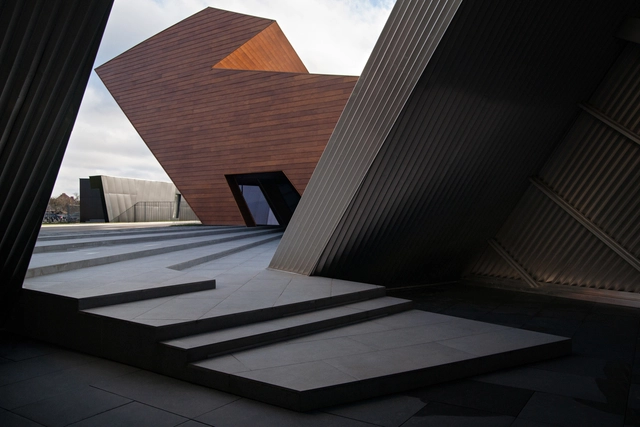
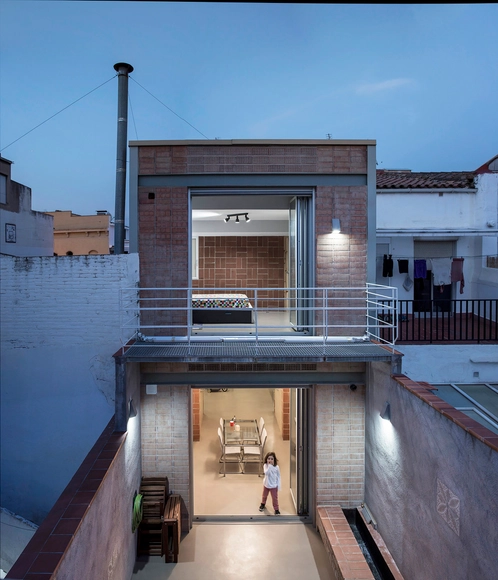
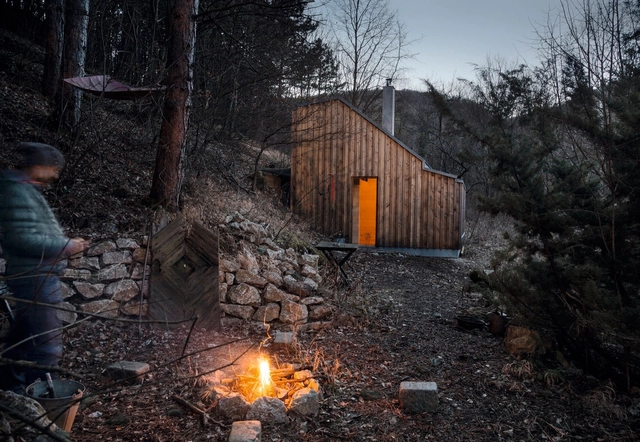
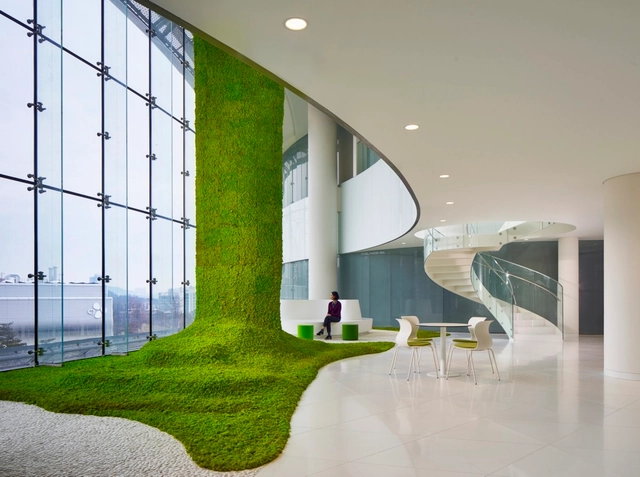
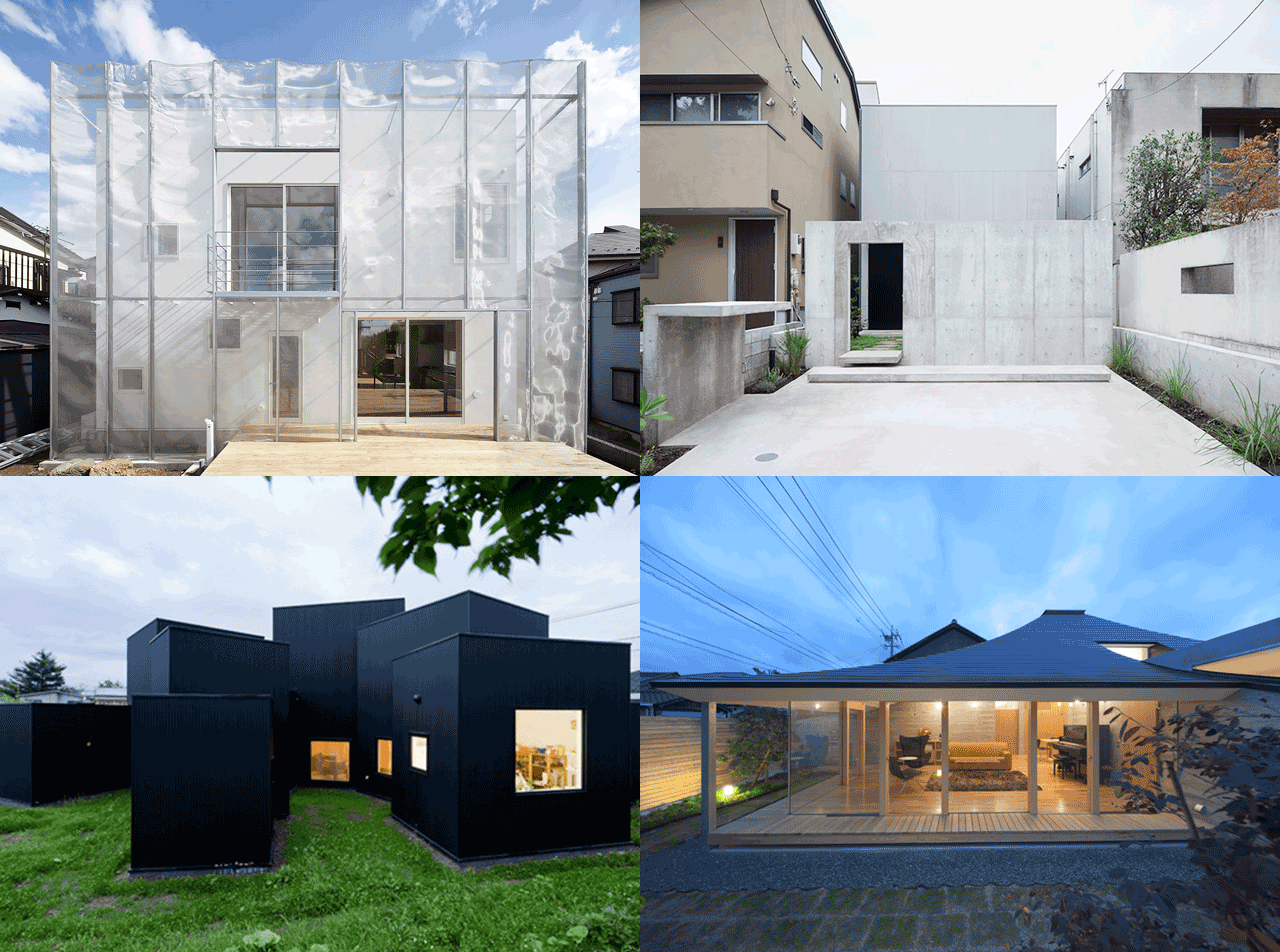
Contemporary Japanese homes are a balance between the country’s traditional values of organizing spaces and architectural innovation that is constantly on the move. They challenge the norms of how to occupy places, pushing the envelope for what it means to have a minimal, “micro-living”. Through experiments small and smaller, residential projects in Japan shed new light on how we go about our daily routines and rituals at home and question urbanites on what we can do with the space we have.
For this reason, we’re inspired to go through our archives and bring out 10 projects that bring out new perspectives on Japanese architecture, be it aesthetic, functional or atmospheric.
Check them out below:

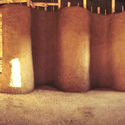
In a 12-day workshop, Building Trust International and Terraepaglia joined the Ciuffelli Agricultural Technical Institute in Todi, Italy, with the aim of exploring a series of construction techniques with raw soil. In addition to producing earth bricks and rammed earth structures -in collaboration with experts such as Eliana Baglioni and Pouya Khazaeli-, a curved wall was erected with a wooden structure and a cane framework, on which a massive layer of earth and straw was spread.
The activity generated a series of internal spaces as a kind of laboratory, to show the construction methods and the materials in situ.

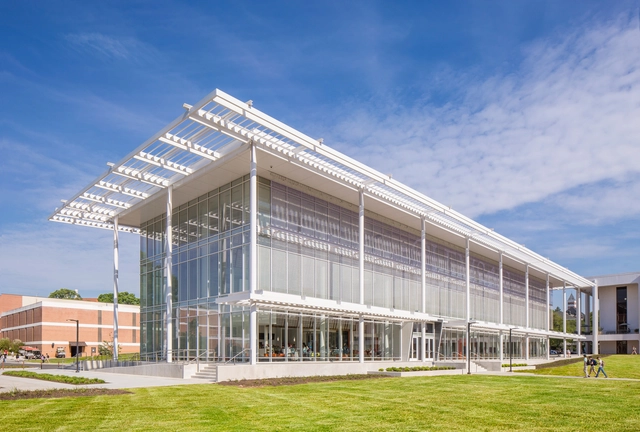
The concept of heritage is often associated with something that has had value in its past and, for that reason, deserves to be preserved. In the case of architecture, we want our built environment to tell our history and to remain untouched in time, often without considering the real use and meaning of the building in the present. We ask ourselves: Does a building still have value if its use is obsolete?
Despite the fascination that we have with ruins, sometimes conversion or rehabilitation is a better, more contemporary alternative to conservation. By doing so, it is possible to introduce new innovative materials, which, rather than take away from the original structure, can actually add even more value to architectural works. It is also possible to convert spaces that were originally designed to accommodate certain functions into spaces that admit new uses relevant to the present.
To conserve a building without updating it or rethinking its functions can lead to wear and tear, freezing it in time and preventing it from adapting to an ever-changing society.
To illustrate this theme, we searched our archives and selected someof the best architectural interventions in historic buildings. Check them out below.
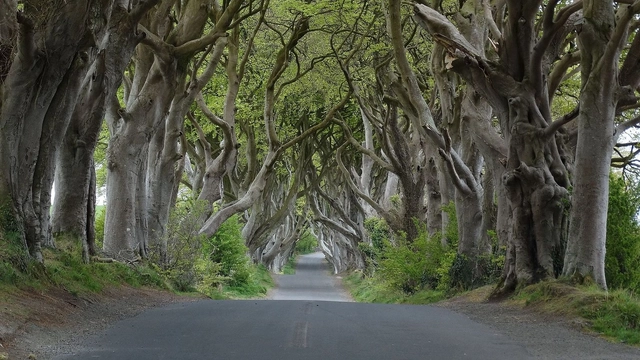
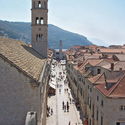
Is your life lacking in dragons? Do you long for the excitement and danger of a constant, treacherous struggle for governing power? If you find yourself simply biding your time waiting for new seasons of Game of Thrones to air (or for George R.R. Martin to finally write another book) one option is to spend some time traveling to the real-life locations used in the filming of the show! From Iceland to Morocco, the show’s creators have traveled all over the world to bring the mythical world Martin describes in his novels to life on screen. While much of the filming is done in a studio, and of course there’s plenty of CGI involved, many of the landscapes and buildings seen throughout the show’s 6 seasons are real places open to the public. We can’t promise you dragons or control of the Iron Throne, but what you will get are some spectacular sights that might just make you feel like a real Westerosi.
In honor of the show’s seventh season beginning later today, here’s a list of 7 Game of Thrones filming locations you can visit! (This list is mostly spoiler-free, but you may want to read with caution if you’re not caught up!)
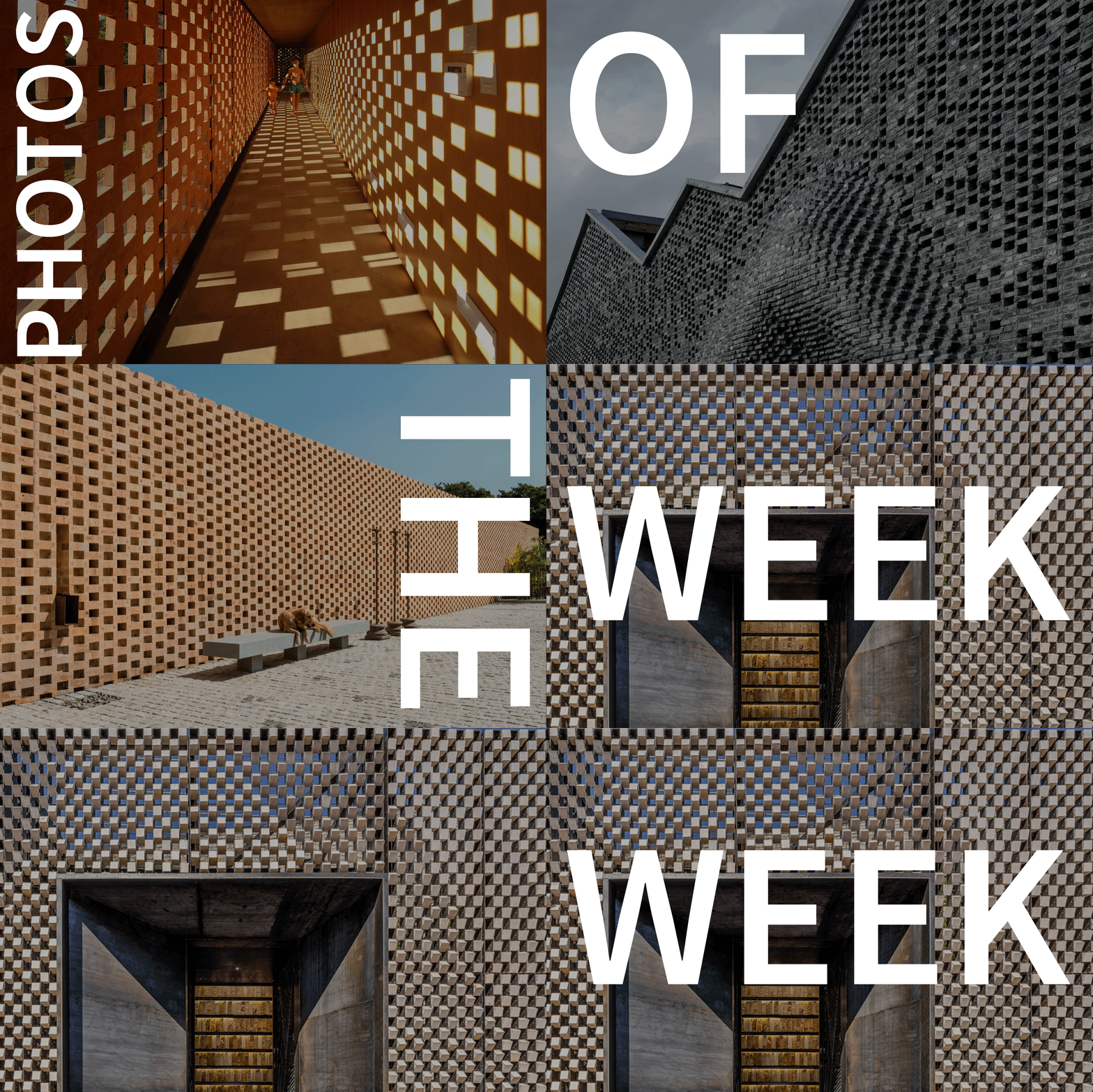
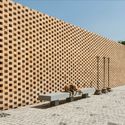
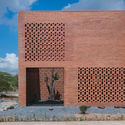
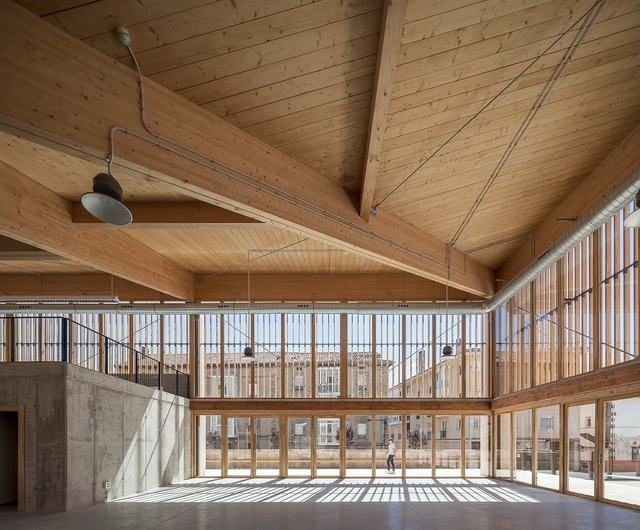
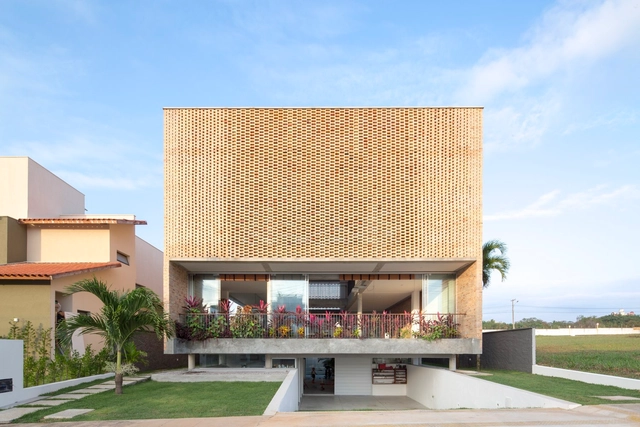
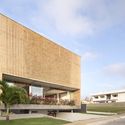
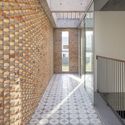
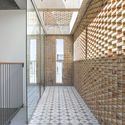
It can't be denied that architects love brick. The material is popular both for its warmth and for the diversity of expressions that can be achieved by applying it in a creative way—depending on the arrangement of individual bricks or the combination of bonds, it’s possible to arrive at a result that is both original and attractive. That ingenuity is what photographers like Hiroyuki Oki, Gustavo Sosa Pinilla, and François Brix, among others, have attempted to capture in their photographs. In these images, light is a key element of good composition, allowing the photographers to control the intensity of color and the contrast of masses and voids, as well as enhancing the incredible textures of the brick we love so much.


















.jpg?1499902448 "Castle Ward: Winterfell. Image © <a href='https://commons.wikimedia.org/wiki/File:Castle_Ward_Castle,_June_2011_(01).JPG'>Wikimedia user Ardfern</a> licensed under <a href='http://https://creativecommons.org/licenses/by-sa/3.0/deed.en'>CC BY-SA 3.0</a>")