

This guide explains how to structure multi-image prompts in the RunDifussion platform. Explore RunDifussion's product catalog.
How to Prompt and Annotate Multiple Images with AI
| Sponsored Content
https://www.archdaily.comhttps://www.archdaily.com/catalog/us/products/38860/how-to-prompt-and-annotate-multiple-images-with-ai-rundiffusion
Dallas City Hall Debate and ZHA’s Symphony Tower in Dubai: This Week’s Review

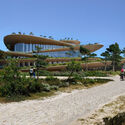
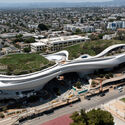
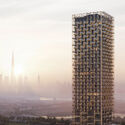
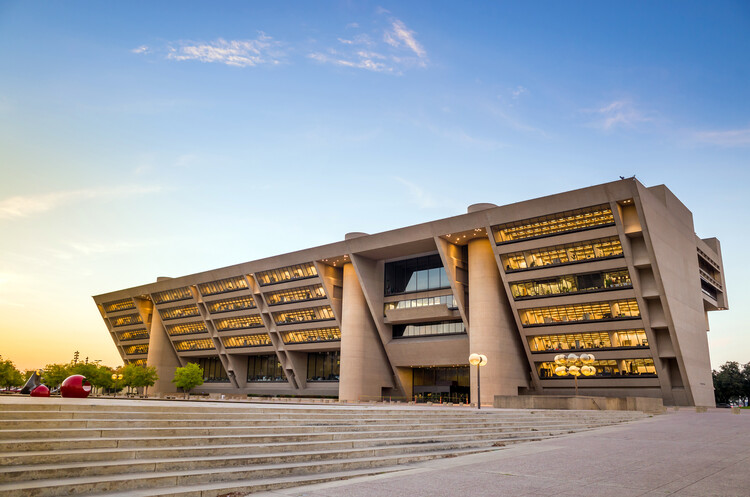
Across cultural districts and civic centers, this week's architectural developments highlight how institutions and city governments are reshaping their futures amid shifting environmental, social, and economic pressures. New museum and opera projects signal ongoing commitments to expanding public cultural infrastructure, while the debate surrounding Dallas' modernist City Hall illustrates the tensions that arise when questions of heritage meet rising maintenance demands and redevelopment pressures. At the same time, municipalities are advancing new regulatory tools to confront climate challenges, from electrification standards in Sydney and Boston to mobility restrictions and emerging forms of urban diplomacy. These developments reflect an increasingly complex landscape in which architectural environments evolve through a combination of cultural ambition, environmental targets, and shifting models of public decision-making.

https://www.archdaily.com/1036221/dallas-city-hall-debate-and-zhas-symphony-tower-in-dubai-this-weeks-reviewReyyan Dogan
Solum Installation / Atelier Faber
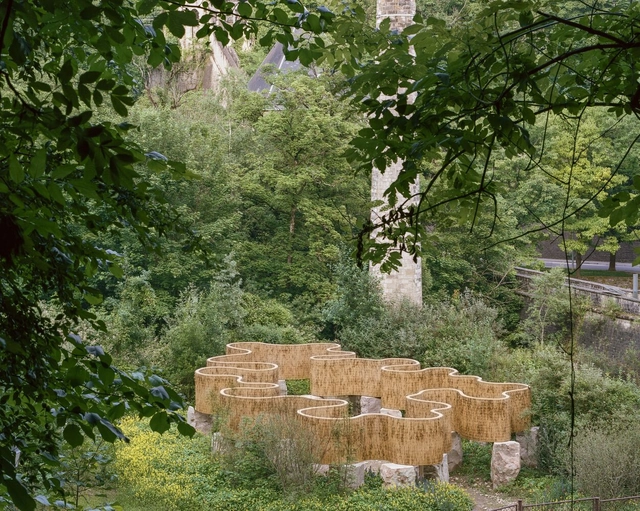

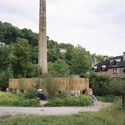
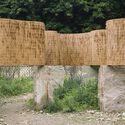
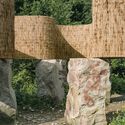
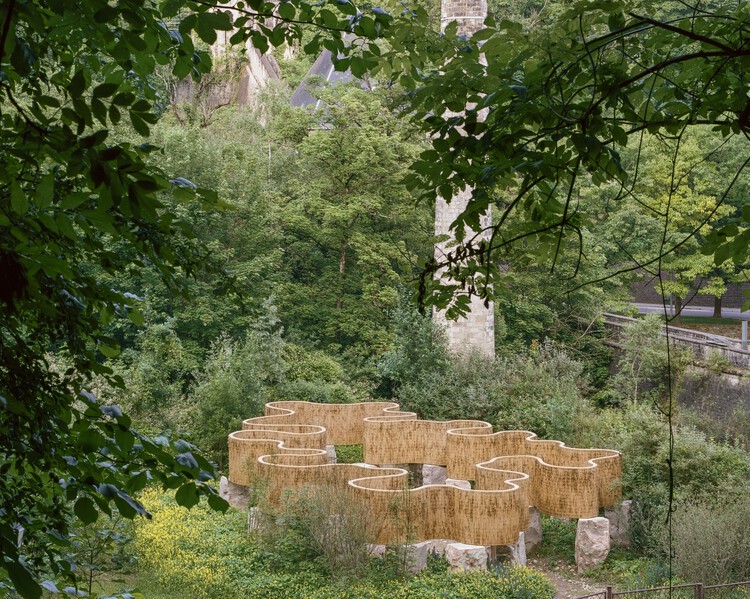
-
Architects: Atelier Faber
- Year: 2025
-
Professionals: Vereal
https://www.archdaily.com/1036149/solum-installation-atelier-faberPilar Caballero
The Japanese Pavilion at the 2025 Venice Biennale Explores Artificial Intelligence in Architectural Processes
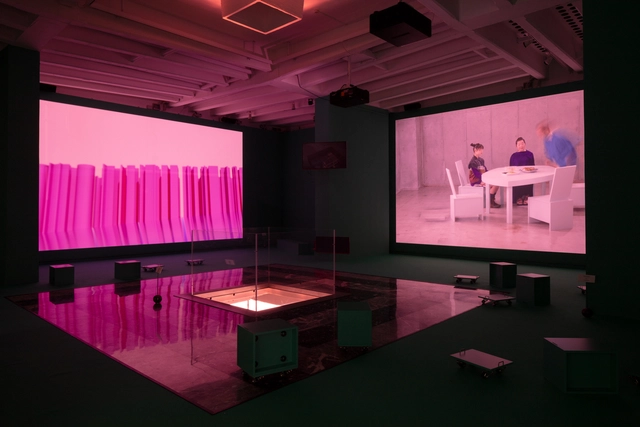
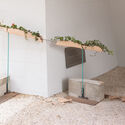
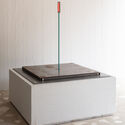
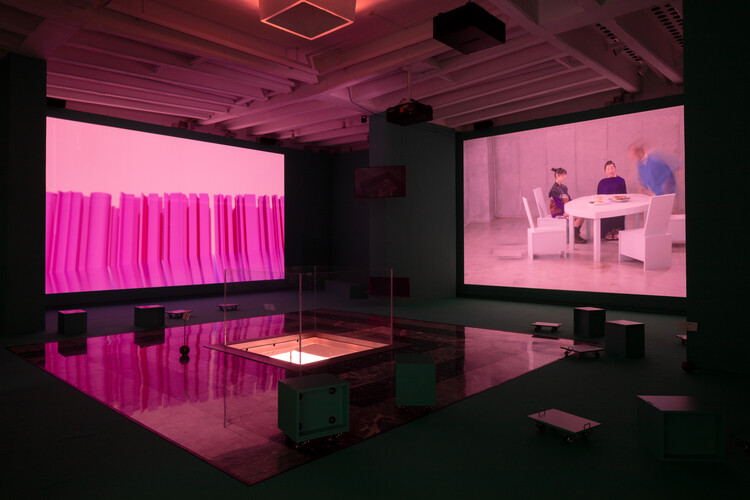
The Japan Pavilion at the 2025 Venice Biennale investigates the evolving role of artificial intelligence (AI) in architecture, focusing on the concept of the "in-between." Curated by Jun Aoki, the exhibition runs from May 10 to November 23, 2025, at the Giardini della Biennale in Venice. The exhibition explores the growing autonomy of AI in architectural design, raising questions about the shifting relationship between human agency and machine intelligence. The showcase aligns with the overarching theme "Intelligens. Natural. Artificial. Collective," curated by Carlo Ratti.
https://www.archdaily.com/1027934/japan-pavilion-at-2025-venice-biennale-explores-architectural-intelligence-in-architectural-processesNour Fakharany
Elemental Shores in the Asia-Pacific: Concrete Recasts the Beach House

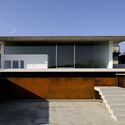
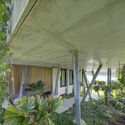
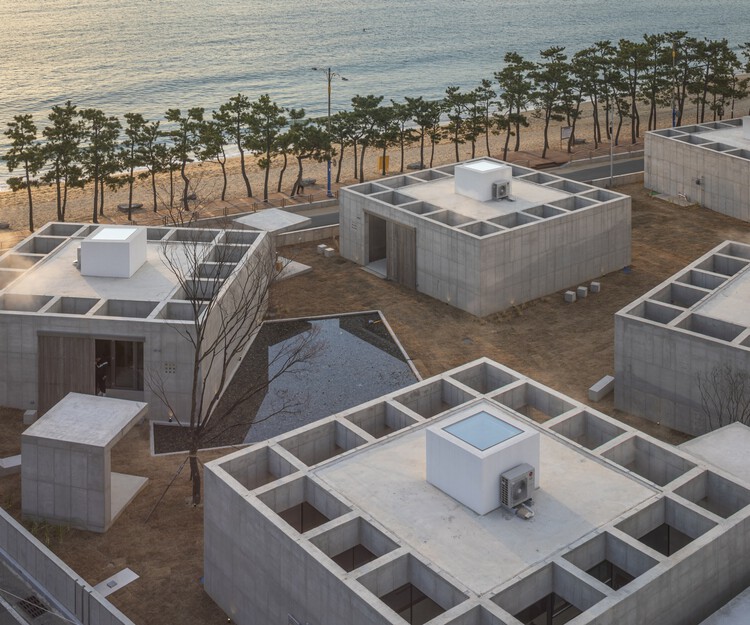
Living by the beach has long been a defining aspiration—drawn by the promise of tempered nature, privacy, and immediate access to the water. Historically, beach houses tended to be rustic and pared back: partly because servicing remote sites and delivering materials was difficult, and partly because their charm lay in being closer to the elements—simpler, rougher, more direct.
Accordingly, many early beach houses were built in timber. Wood offered clear advantages: it was lightweight, adaptable, quick to work with, and could be erected with minimal heavy machinery. While timber weathers and fares poorly in salt-laden humidity, exterior-grade lumber carries a raw, natural character that reinforced the appeal of the beach-house ideal.

https://www.archdaily.com/1036100/elemental-shores-in-the-asia-pacific-concrete-recasts-the-beach-houseJonathan Yeung
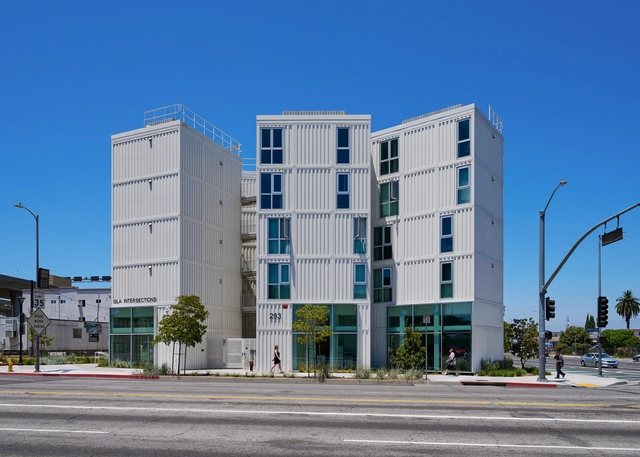
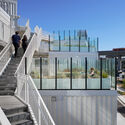
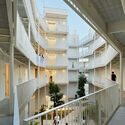
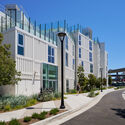
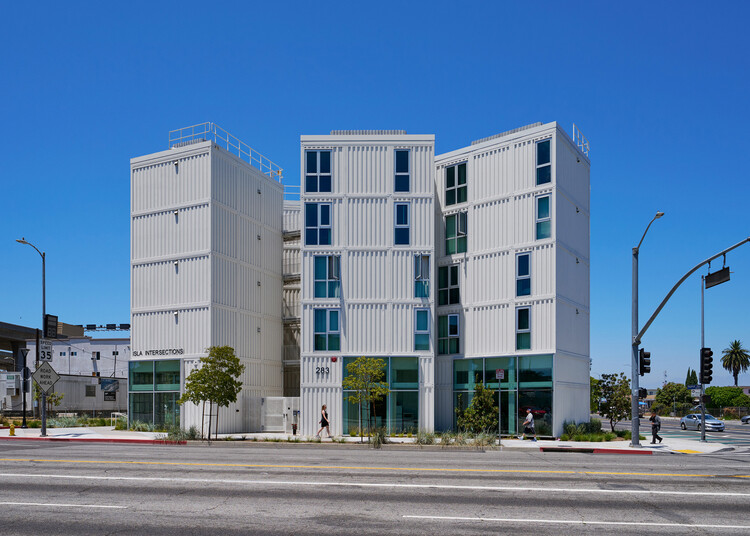
Isla Intersections Supportive Housing and Paseo / Lorcan O’Herlihy Architects

-
Architects: Lorcan O’Herlihy Architects
- Area: 35000 ft²
- Year: 2025
-
Manufacturers: Soleffect, Trex, Collectif Tournesol , Giant Containers, Growing Hope, +2
-
Professionals: Rosini Engineering, Geis, Silman, DK Engineer Corp
https://www.archdaily.com/1036146/isla-intersections-supportive-housing-and-paseo-lorcan-oherlihy-architectsPilar Caballero
MIEL Pavilion / Pezo von Ellrichshausen
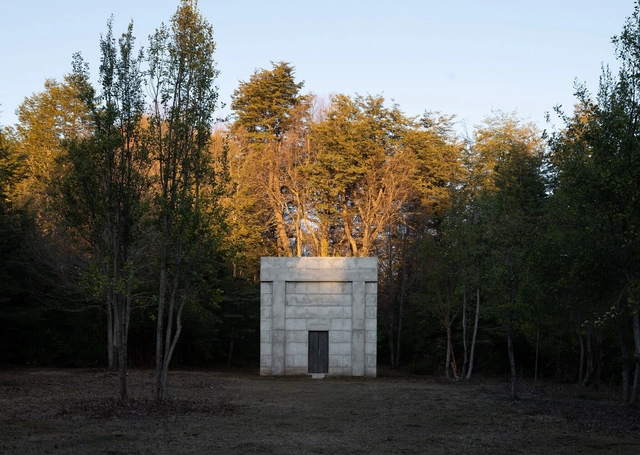


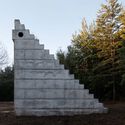
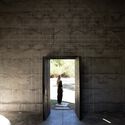
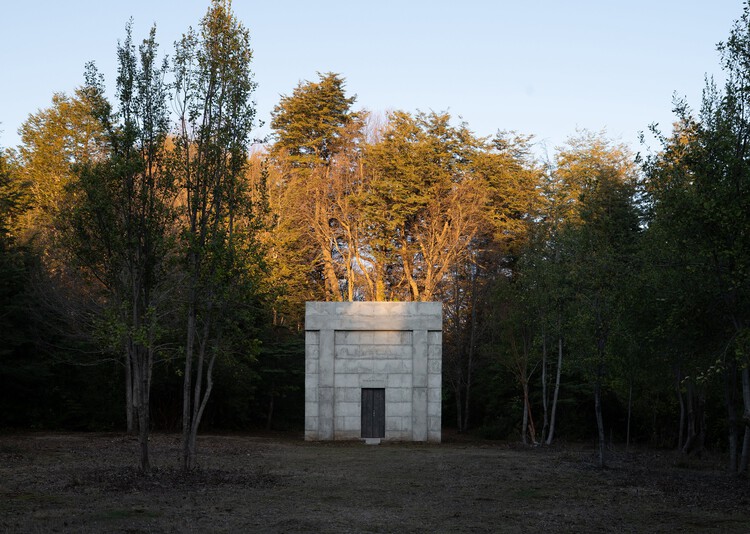
-
Architects: Pezo von Ellrichshausen
- Area: 36 m²
- Year: 2025
https://www.archdaily.com/1035997/miel-pavilion-pezo-von-ellrichshausenValentina Díaz
Xiaye Zhang Residence / Studio MOR
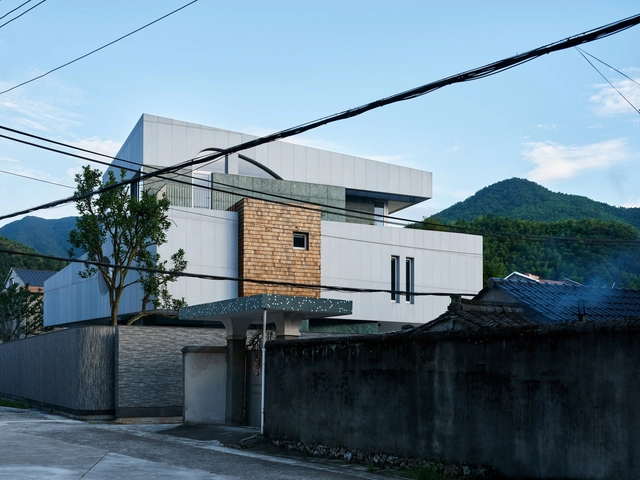


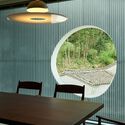
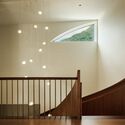
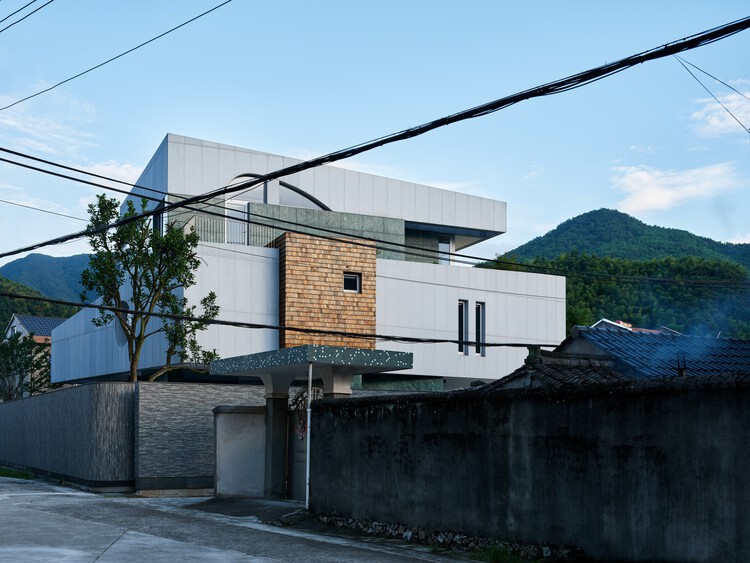
https://www.archdaily.com/1035954/xiaye-zhang-residence-studio-mor韩爽 - HAN Shuang
KLEE Sapanca House / the | work


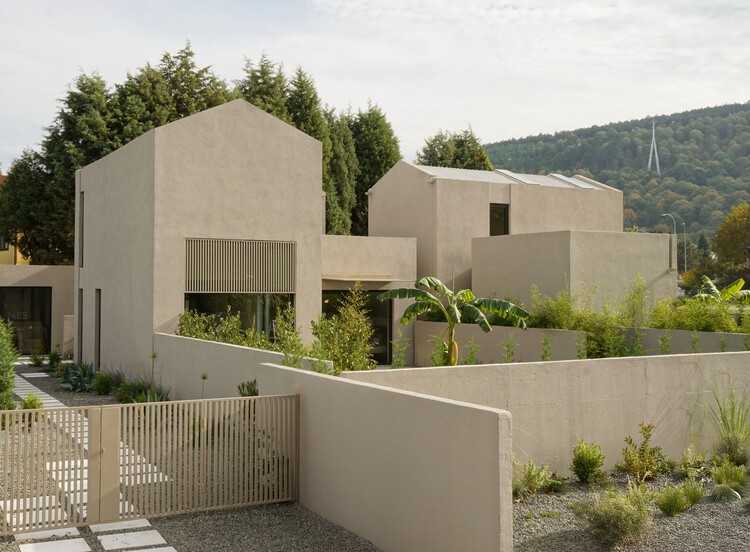
https://www.archdaily.com/1036179/klee-sapanca-house-the-workMiwa Negoro
House Hoinka / Atelier Kaiser Shen
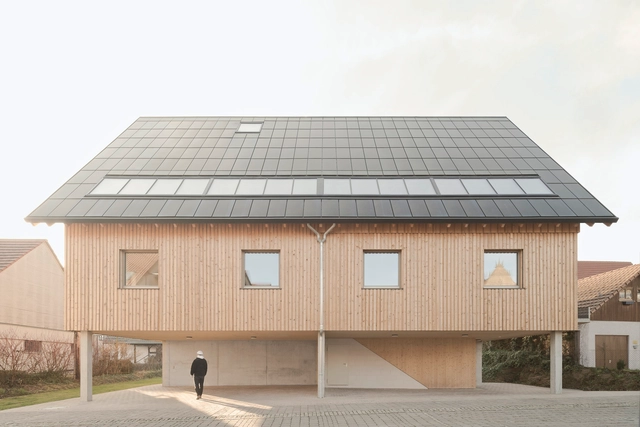

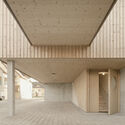
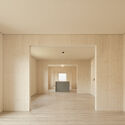


-
Architects: Atelier Kaiser Shen
- Area: 521 m²
- Year: 2023
-
Manufacturers: JUNG, Karcher Design, Villeroy & Boch Tiles, Baier GmbH Slidetec, Carl Hansen, +11
https://www.archdaily.com/998574/house-hoinka-atelier-kaiser-shenAndreas Luco
La Bocatoma Housing Modules / Cubbil studio

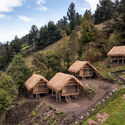
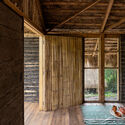
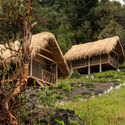
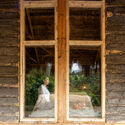
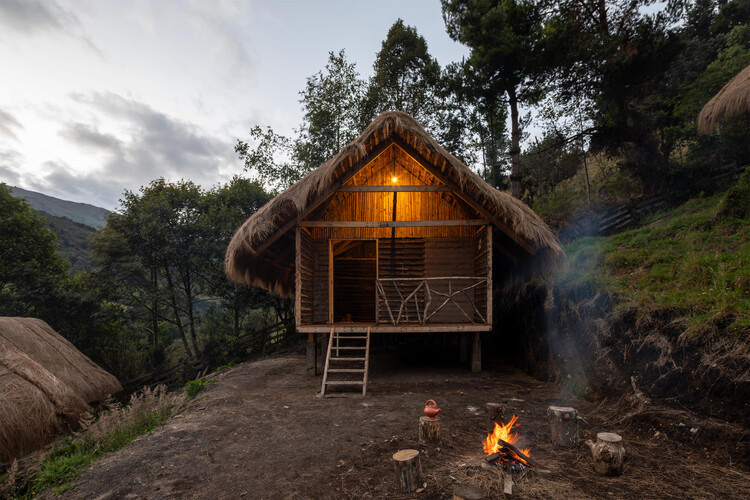
https://www.archdaily.com/1036063/la-bocatoma-housing-modules-cubbil-studioValentina Díaz
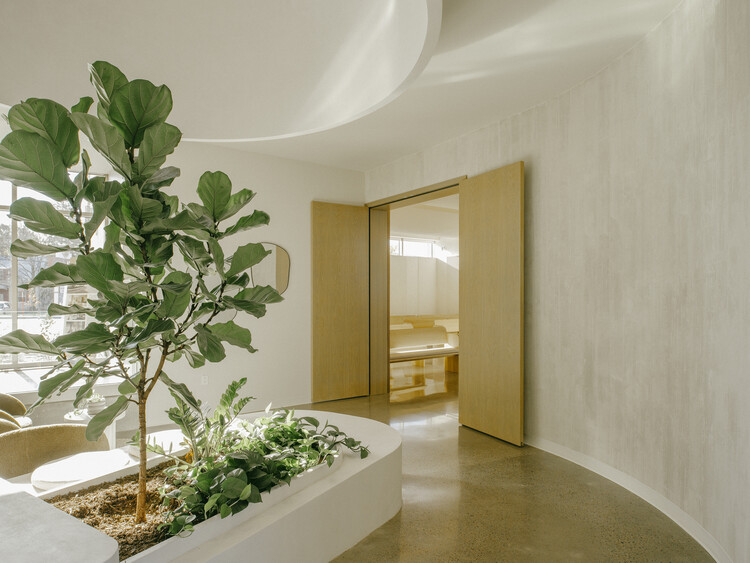
La Seigneurie Funeral Home / ultralocal architectes




-
Architects: ultralocal architectes
- Area: 450 m²
- Year: 2024
-
Manufacturers: Arriscraft, Artbeton, Béton Johnstone, Journault Jourplex , Juste Du Pin
https://www.archdaily.com/1036114/la-seigneurie-funeral-home-ultralocal-architectesHadir Al Koshta
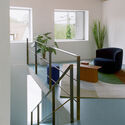
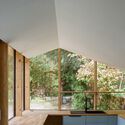
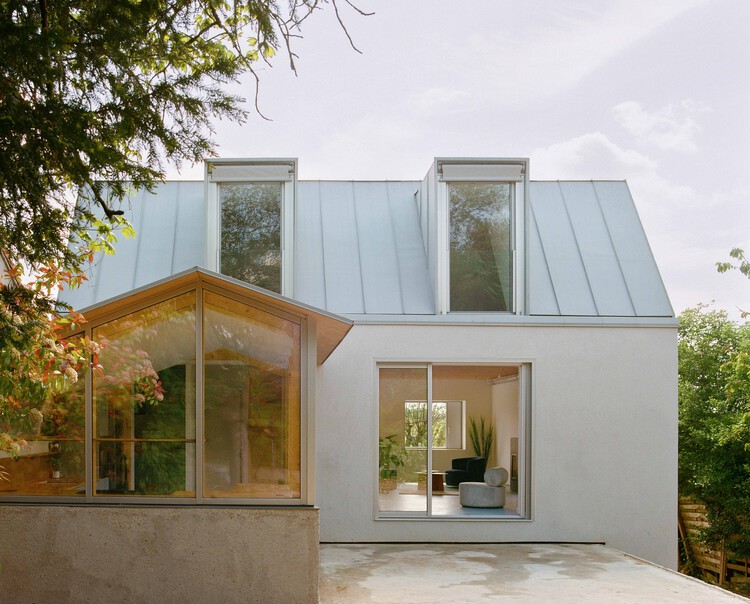
House Z / Benoit Rotteleur Architecte

-
Architects: Benoit Rotteleur Architecte
- Area: 200 m²
- Year: 2023
https://www.archdaily.com/1036130/house-z-benoit-rotteleur-architecteHadir Al Koshta
The Architecture of Restraint: When Choosing Not to Build Becomes Design
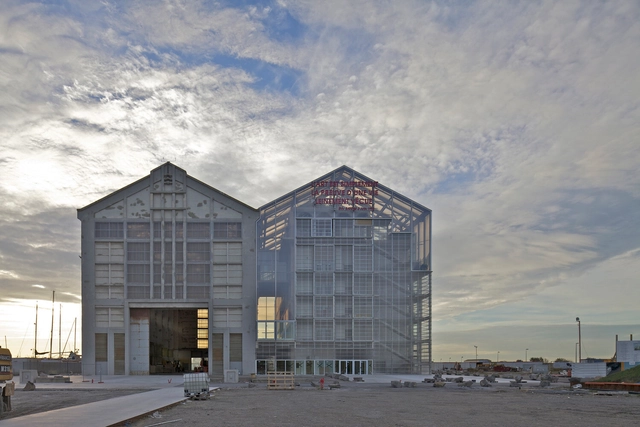
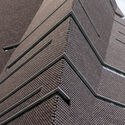
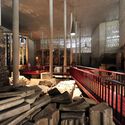
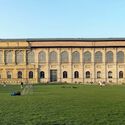
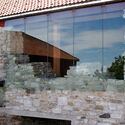
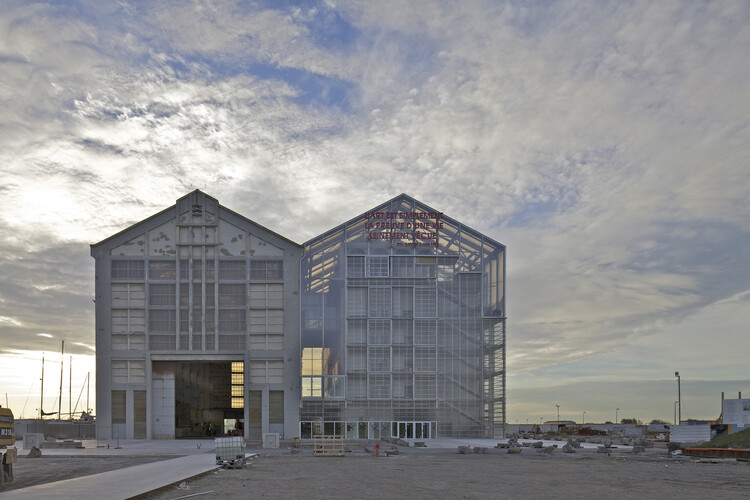
In a world facing ecological exhaustion and spatial saturation, the act of building has come to represent both creation and consumption. For decades, architectural progress was measured by the new: new materials, new technologies, new monuments of ambition. Yet today, the discipline is increasingly shaped by another form of intelligence, one that values what already exists. Architects are learning that doing less can mean designing more, and this shift marks the emergence of what might be called an architecture of restraint: a practice defined by care, maintenance, and the deliberate choice not to build.
The principle recognizes that the most sustainable building is often the one that already stands, and that transformation can occur through preservation, repair, or even absence. Choosing not to build becomes a political and creative act, a response to the material limits of the planet and to the ethical limits of endless growth. That Architecture moves beyond the production of new forms to embrace continuity, extending the life of structures, materials, and memories that already inhabit the world.
https://www.archdaily.com/1035638/the-architecture-of-restraint-when-choosing-not-to-build-becomes-designDiogo Borges Ferreira
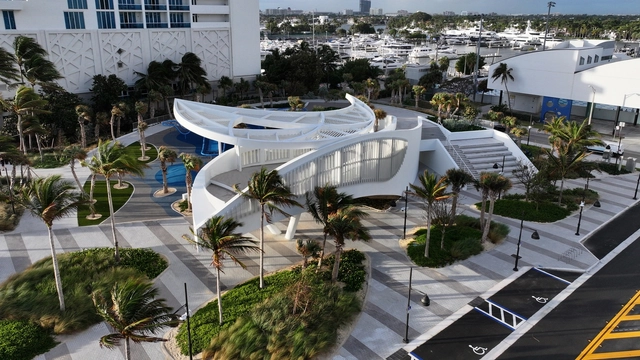
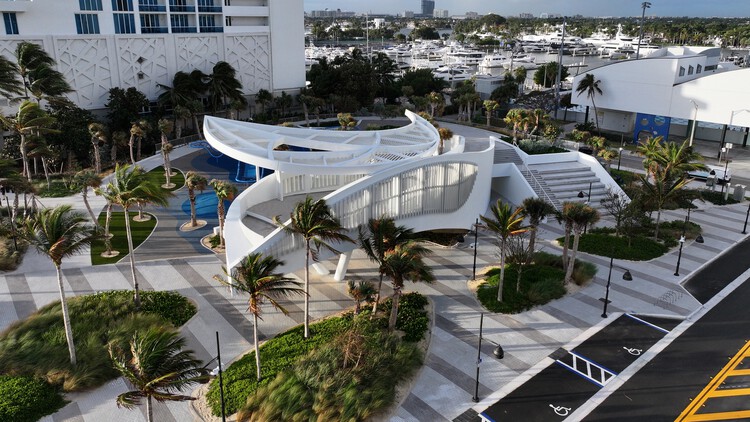
DC Alexander Park / Brooks + Scarpa Architects




-
Architects: Brooks + Scarpa Architects
- Area: 52300 m²
- Year: 2022
-
Professionals: PLAN(t), Keith Engineering, RGD, Sasso, Brooks + Scarpa, +1
https://www.archdaily.com/1036189/dc-alexander-park-brooks-plus-scarpa-architectsPilar Caballero
Snøhetta Reveals New Images of Winning Düsseldorf Opera House Design
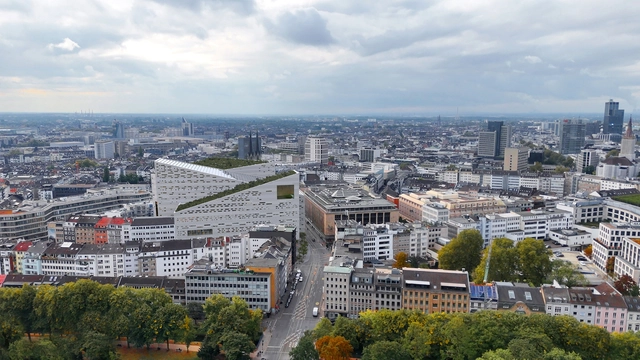
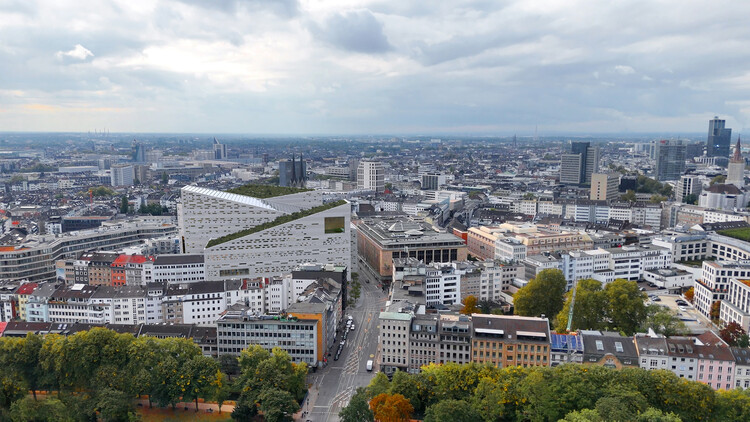
Snøhetta has revealed new images of their winning design for the new Düsseldorf Opera House. First launched in 2017, the "Opera House of the Future" competition experienced several interruptions over the years due to shifts in the planned construction site, extending the decision-making process for this significant cultural project. The new building is set to accommodate the Deutsche Oper am Rhein alongside the City of Düsseldorf's Music Library and the Clara Schumann Music School, forming a consolidated cultural venue. The proposal aims to establish a contemporary opera house that strengthens the city's cultural infrastructure and public life.
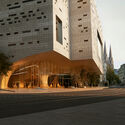
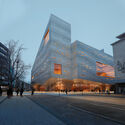
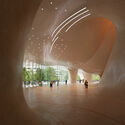
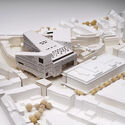
https://www.archdaily.com/1036205/snohetta-reveals-new-images-of-winning-dusseldorf-opera-house-designReyyan Dogan
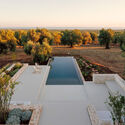
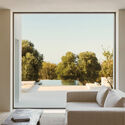
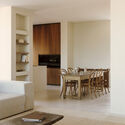
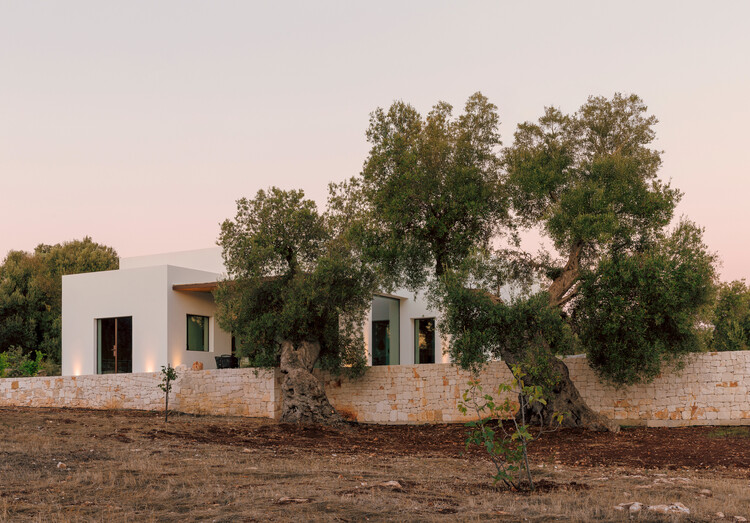
House in the Ostuni Countryside / Tela Architettura

-
Architects: Tela Architettura
- Area: 150 m²
- Year: 2025
-
Manufacturers: OTTOSTUMM | MOGS, Euwork, Euwork, Le Icone, Le Icone, +2
https://www.archdaily.com/1036132/nellagro-di-ostuni-house-tela-architetturaHadir Al Koshta
DAM Launches Interactive Exhibition of 100 Years of Architectural Construction Kits in Frankfurt, Germany
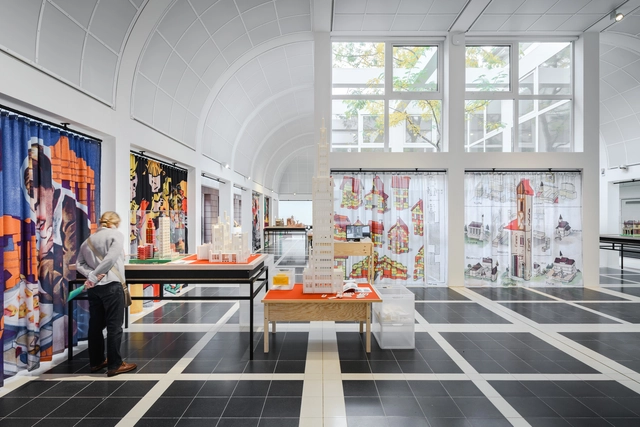
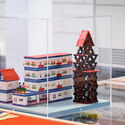
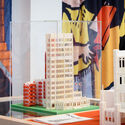
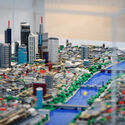
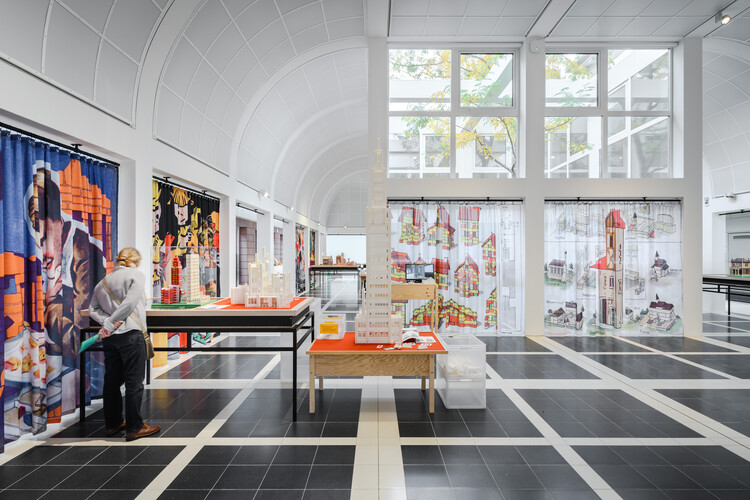
The Deutsches Architekturmuseum (DAM) in Frankfurt, Germany, has opened a new interactive exhibition, on view from October 25, 2025, to February 8, 2026, presenting 100 years of architectural construction kits. Developed in collaboration with graphic designer Claus Krieger, Professors Andreas Kretzer and Philipp Reinfeld from the Stuttgart University of Applied Sciences (HFT), their students, and the wider DAM team, the exhibition brings together around 80 construction kits produced between 1890 and 1990. Many of these systems have been recreated at an enlarged scale so visitors can test their assemblies at eight central play stations. Additional digital features include VR model worlds programmed by HFT students. Dozens of completed models illustrate the range of architectural ideas represented across the kits, and the full collection is documented in an accompanying catalogue. The exhibition is accompanied by a public competition titled How Small Can Architecture Be?, which invites participants to submit miniature architectural models for display.

https://www.archdaily.com/1036192/dam-launches-interactive-exhibition-of-100-years-of-architectural-construction-kits-in-frankfurt-germanyAntonia Piñeiro
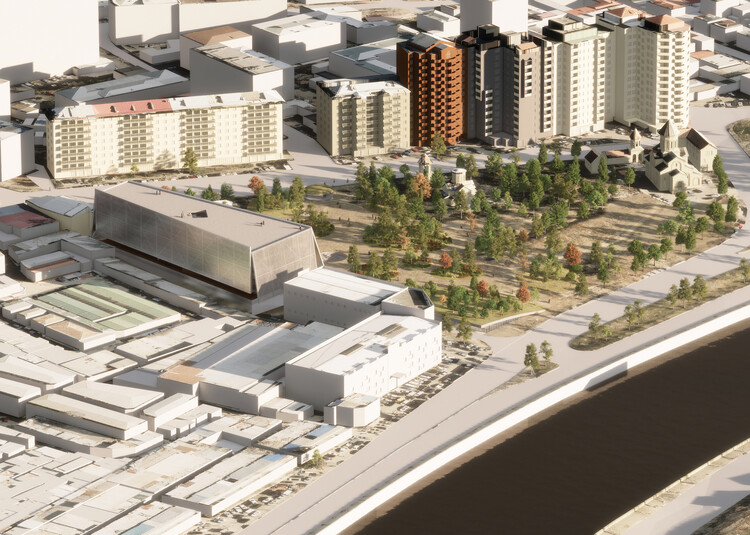
From Bangkok to Florence: 6 Unbuilt Public Space Projects Rethinking Community, Ecology, and Urban Identity

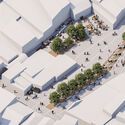
Public spaces remain some of the most dynamic sites for unbuilt architectural experimentation, revealing how cities and architects can imagine accessibility, gathering, and civic identity. In this curated Unbuilt edition, submitted by the ArchDaily community, the selected proposals examine parks, pedestrian corridors, cultural landscapes, and open-access urban environments that invite people to meet, move, rest, and participate in collective life. Rather than treating public space as leftover terrain, these projects position it as essential infrastructure—shaping urban health, memory, and social interaction.


https://www.archdaily.com/1036151/from-bangkok-to-florence-6-unbuilt-public-space-projects-rethinking-community-ecology-and-urban-identityNour Fakharany