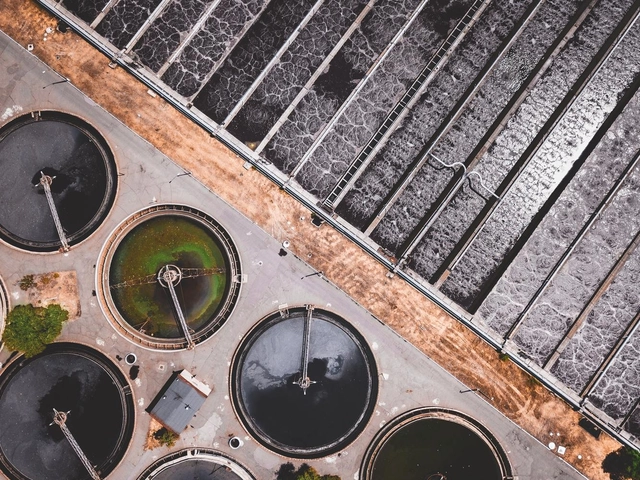
Water is an essential resource for human life. Ensuring basic sanitation and clean drinking water is one of humanity's greatest challenges. In both urban and rural areas, access to water is critical for the health and well-being of communities and for the success of a wide range of human activities.
This is why the water crisis is such an alarming threat. Rising global temperatures and natural disasters associated with climate change contribute to this scenario. Studies suggest that by 2025, approximately 1.8 billion people will face water scarcity.
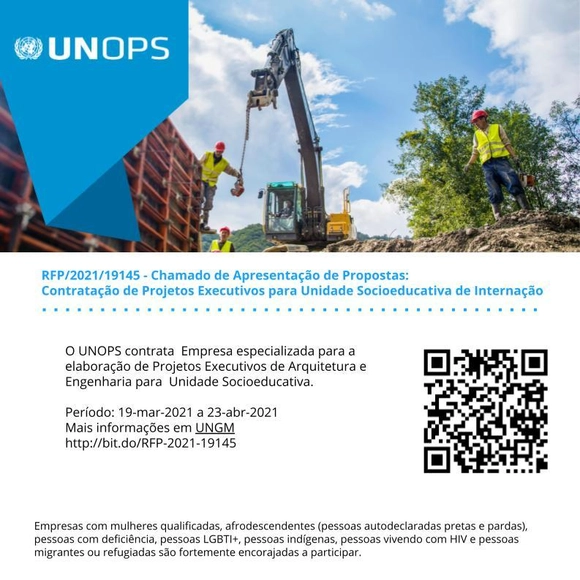
Procurement of a specialized firm for the development of executive architectural and engineering designs for a socio-educational detention facility in the municipality of Niterói, Rio de Janeiro, Brazil.
Today, March 22, marks World Water Day. According to data from the UN, the organization responsible for establishing this commemorative date, by the year 2050, between 3.5 billion and 4.4 billion people will have limited access to this resource, the use of which increased sixfold over the last century and currently grows at a rate of approximately 1% per year.
In light of such concerning figures, the concept of sustainability and the importance of solutions aimed at water conservation and reuse become even more critical.
Twelve thousand years ago, our ancestors noticed that wherever a seed or fruit fell, a plant grew. Realizing they could intentionally plant seeds and harvest them later, they stopped migrating in search of food and settled permanently where they could cultivate. In doing so, they began establishing the world's first cities and inventing what we now call agriculture.
Through its Seminar on Culture and Contemporary Reality course, Escola da Cidade, in collaboration with the Carmen Portinho Feminist Collective, hosted seven women to discuss architectural production in today's context and how gender issues intersect with this field.
Videos
Berlin, Germany. Photo by Adam Vradenburg, via Unsplash
We have curated a selection of online exhibitions on urbanism—available for free on Google Arts & Culture—exploring the history of development in major cities around the world. Discover them below:
https://www.archdaily.com/1127678/12-free-virtual-exhibitions-on-cities-and-urbanismAnthony Ling e Gabriel Lohmann
In today's global landscape, bridging architectural studies and public health is highly critical. The year 2020 brought the world to a standstill, underscoring the urgent need to focus on the most vulnerable areas. How can we guarantee high-quality public services equally to an entire population when the urban environment of one segment is so deeply compromised? Finding answers to this question is essential to planning a sustainable future for humanity.
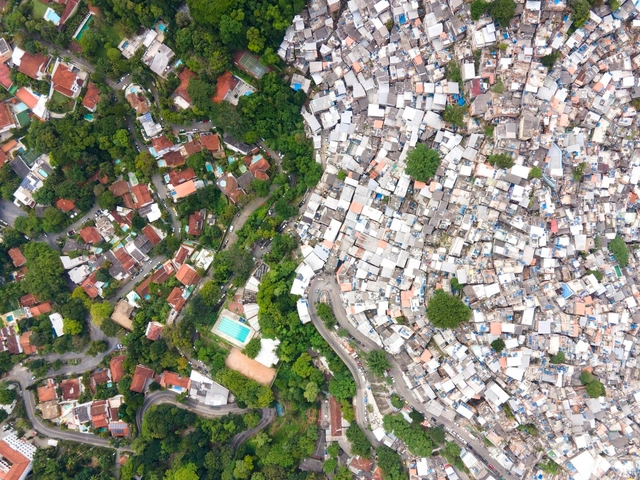
To this end, this article reflects on spatial socioeconomic inequality, positioning architecture as a tool for transforming these spaces. It presents data on the housing and urban conditions of substandard settlements (referred to by the Brazilian Institute of Geography and Statistics - IBGE as "subnormal agglomerations") and analyzes the neglected diseases affecting these communities.
https://www.archdaily.com/1127704/the-importance-of-architecture-in-disease-prevention-and-controlWilliam dos Santos Vefago
The 27th World Congress of Architects launched its online program this week, preceding the in-person events scheduled to take place between July 18 and 22. Social inclusion, the periphery, and architectural interventions in favelas were the topics of debates featuring Fabienne Hoelzel, Maria Alice Rezende de Carvalho, Alfredo Brillembourg, Jorge Mário Jáuregui, Alejandro Echeverri, and Adriana Levisky.
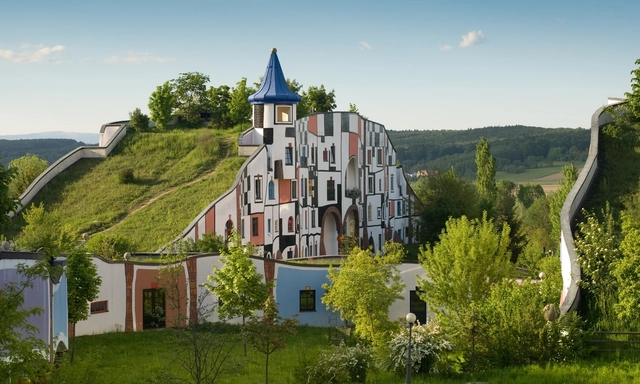
Hotel Therme Rogner Bad Blumau designed by Hundertwasser. Photo: Intentionalart, CC BY-SA 3.0 , via Wikimedia Commons
Imagining and experiencing alternative ways to understand the relationship between the human body, space, and the ideas that connect it to the world was one of the central themes that Hundertwasser brought to light. The Austrian artist and architect, born in 1928, dedicated much of his work to environmental issues, expressing his perspective through the theory of the five skins: the epidermis, clothing, the home, social identity, and the world. Due to its universality, this concept retains a contemporary relevance.
Videos
Flávio Villaça. Image courtesy of PGAU-Cidade UFSC
With a foundational career as a professor at FAUUSP, serving for 15 years at the São Paulo Municipal Planning Department and as an urban planning consultant for municipal, state, and federal agencies, Flávio Villaça will be remembered for his professional integrity and as one of Brazil's most prominent urban theorists. His intellectual work shaped generations of architects and urban planners, fostering a critical perspective on Brazilian cities—their development, inequalities, segregation, and potential.
More than just software, BIM (Building Information Modeling) represents an entire approach to representing, modeling, and managing a project, factoring in different dimensions and quality parameters throughout a building's design and subsequent operation—such as architectural design, budgeting, process management, thermal performance, and the environmental impact of materials and their application. Design thinking through BIM must be implemented from the very initial ideas and is most effective when it influences the entire decision-making chain that shapes the project, including post-occupancy evaluations.
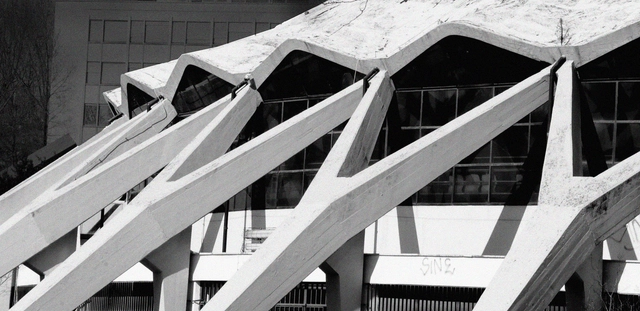
Palazzetto dello sport. Photo by Kerry O'Connor, via Flickr. License CC BY-NC 2.0
Pier Luigi Nervi is a curious case in architectural history. He designed large reinforced concrete buildings—and was even responsible for technical developments related to this material—defined by their bold, expressive, and heroic structural concepts. His design method was similar to Le Corbusier's during his so-called "Brutalist phase," which "(...) approached the architectural program starting from general principles, subsequently adapting them to the real situation. The project was defined by the structural concept [partido], which was organized from the general to the particular" (Acayaba, 1985). This is evident in the Italian's buildings, which are largely pavilion-like structures in which a massive structural roof spans the specificities of the program.
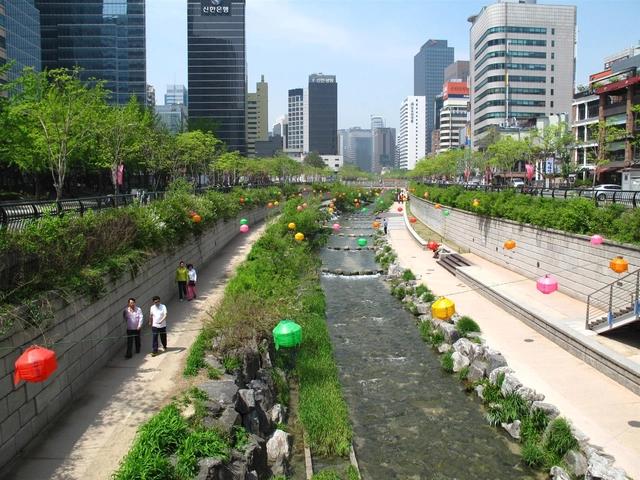
Cheonggyecheon Stream in Seoul (South Korea), where an elevated expressway was demolished to build a large public leisure space. Photo by Ken Eckert, via Wikimedia Commons. License CC BY-SA 4.0
The construction of streets throughout the twentieth century was largely based on the premise that more infrastructure eases traffic. Evidence shows, however, that instead of reducing congestion, building more roads actually increases traffic. Reducing drive times makes driving more convenient; consequently, coupled with the status-symbol appeal of private vehicles, people tend to make more trips by car. A recent study by researchers at the University of Barcelona analyzed data from 545 European cities between 1985 and 2005, confirming that two decades of efforts to expand road capacity led to an increase—rather than a decrease—in vehicle traffic, failing to alleviate congestion.
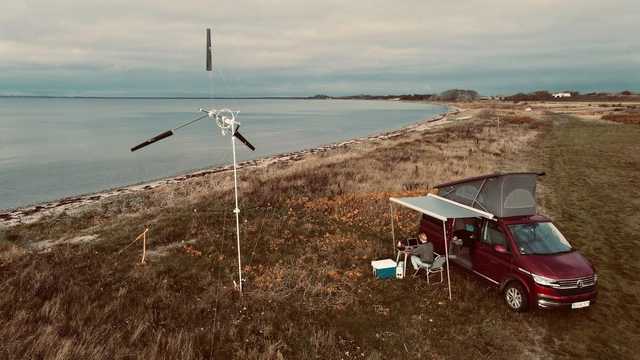
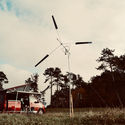
A Danish company named KiteX has developed a wind turbine for those seeking an “off-the-grid” lifestyle. Collapsible and portable, the turbine can be carried in a car to generate power even in remote locations.
Constructed with fiberglass rods, the turbine weighs only 10 kg and is easily transportable. When needed, users simply unpack, assemble, anchor it to the ground (using a set of high-strength nylon tension straps), and begin capturing wind energy. The company estimates that 15 minutes is enough for one person to set up all the components.
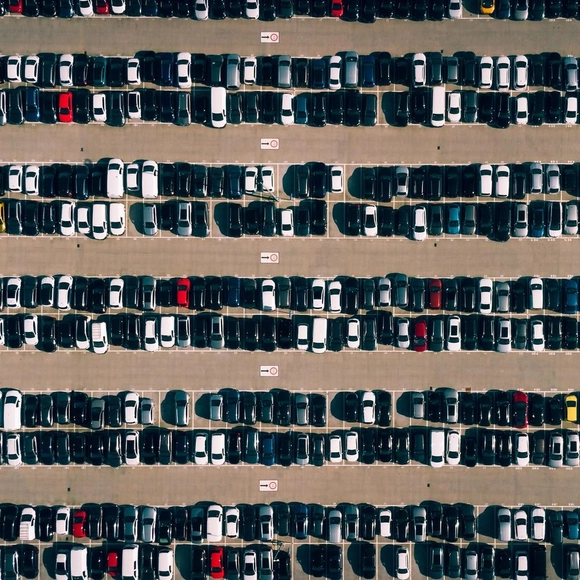
The book “The High Cost of Free Parking,” by retired University of California professor Donald Shoup, demonstrates that parking can impose a significant social cost. Shoup argues that the car-centric city model is irrational, allocating increasingly more resources and space to a machine that goes unused 95% of the time.
Last week, we announced the 15 finalists for the 2021 Obra do Ano, an award celebrating the best of Lusophone architecture by inviting our readers to select their favorite projects built in Portuguese-speaking countries. The day has come to find out the winners of ODA 2021.

.jpg?1616416482 "Majamaja Wuorio Eco-Cabin / Littow Architectes. Image: © Marc Goodwin")








.jpg?1617308349 "Photo: Martin Abegglen from Bern, Switzerland, CC BY-SA 2.0 , via Wikimedia Commons")
.jpg?1617308454 "Main facade of the KunstHausWien Museum by Friedensreich Hundertwasser (Vienna, Austria). Photo: Jules Verne Times Two / www.julesvernex2.com, CC BY-SA 4.0 , via Wikimedia Commons")