Romullo Baratto is an architect with a PhD from FAUUSP and Managing Editor of ArchDaily. He previously coordinated the editorial team of the 11th São Paulo Architecture Biennial and served as Managing Editor of ArchDaily Brasil, where he led the platform to win the FNA Award—the first time the honor was granted to a media outlet. He collaborated on the editing of the book "Concrete Jungle", published by gestalten, and has curated architecture exhibitions in Brazil, Chile, Denmark, and Italy, as well as delivered lectures and moderated debates in Spain, the United States, and Portugal. His doctoral thesis investigates the urban landscapes of São Paulo through cinema. His work spans academic research and editorial practice, communicating architecture through texts, interviews, lectures, curatorship, and photography. Follow him on Instagram @romullobf.
Last week, we announced the 15 finalists for the 2021 Obra do Ano, an award celebrating the best of Lusophone architecture by inviting our readers to select their favorite projects built in Portuguese-speaking countries. The day has come to find out the winners of ODA 2021.
Through its Seminar on Culture and Contemporary Reality course, Escola da Cidade, in collaboration with the Carmen Portinho Feminist Collective, hosted seven women to discuss architectural production in today's context and how gender issues intersect with this field.
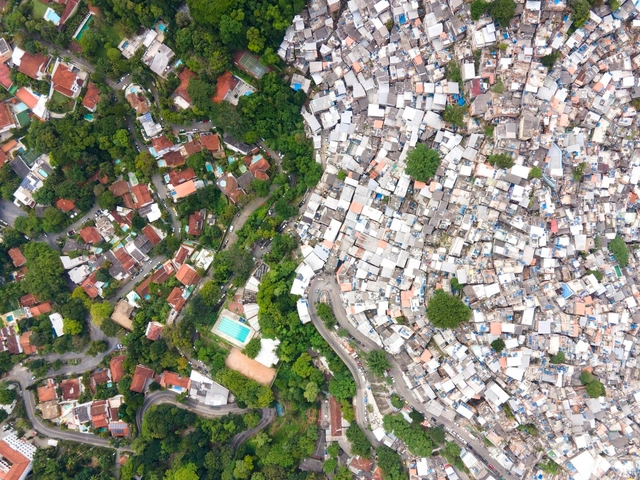
The 27th World Congress of Architects launched its online program this week, preceding the in-person events scheduled to take place between July 18 and 22. Social inclusion, the periphery, and architectural interventions in favelas were the topics of debates featuring Fabienne Hoelzel, Maria Alice Rezende de Carvalho, Alfredo Brillembourg, Jorge Mário Jáuregui, Alejandro Echeverri, and Adriana Levisky.
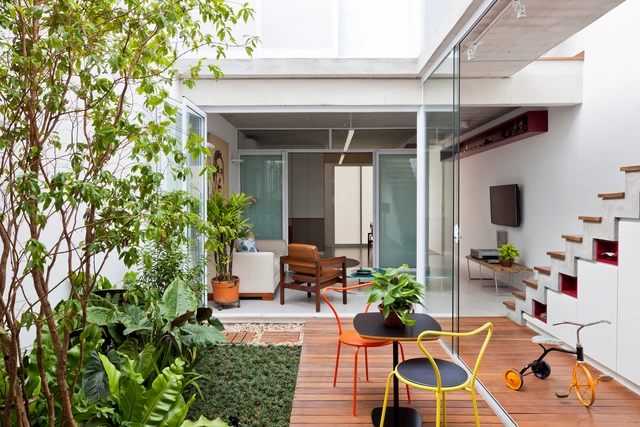
Urban densification and the demand for urban land have, among other things, led to a reduction in lot sizes in cities. Large parcels of land once destined for single-family homes have made way for multi-family buildings that, depending on their location, feature commercial establishments and services on their ground floors. Building a house in major urban centers is no easy task, largely due to the scarcity of available plots, or their reduced dimensions when they can be found.
The 8th edition of the Arquiteturas Film Festival, taking place from June 1 to 6 in Lisbon, explores the theme “Bodies Out of Space” through an exploration of the social construction of space, connected by a thread running through its own narratives of domination. These are also narratives of identity, which is often stripped away or forced to represent our bodies.
Each year, the festival is dedicated to presenting documentaries, fiction, animation, and experimental films relevant to promoting contemporary Portuguese architecture both nationally and internationally. The 2021 edition is no different, structured around three distinct pillars: the official selection, the competition program, and the guest country program.
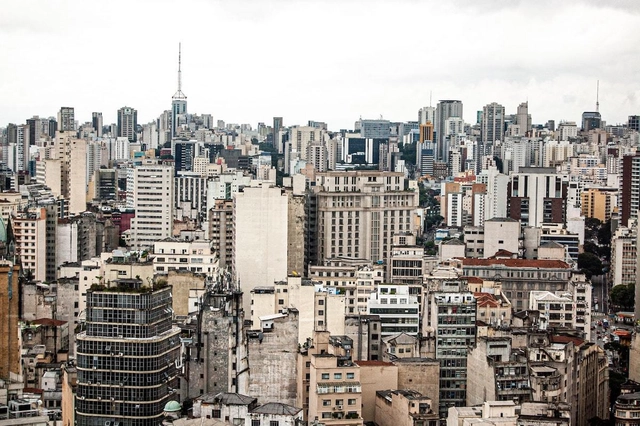
One hundred and twenty civil society organizations (NGOs, institutes, foundations, collectives, and social movements) advocating for the right to the city sent an open letter to the Mayor of São Paulo, Bruno Covas, demanding that the Strategic Master Plan (PDE) review process be conducted by the Municipal Government in a way that guarantees full public participation, respecting the principles of democracy, popular sovereignty, and transparency, even amid the pandemic.
We invite you to participate in the 2021 Obra do Ano Award. In its fourth edition, we are giving our readers the responsibility of recognizing and rewarding the projects that have made the greatest impact on the profession. By voting, you become part of an unbiased network of jurors recognizing the most relevant projects built in Portuguese-speaking countries over the past year. There are only a few days left to close the nomination stage, which will select the 15 finalists from more than a thousand projects.
Remember, registered users can nominate their favorite project once a day. The nomination stage ends on Tuesday, March 23 at 11:59 PM (Brasília time, GMT-3). Thank you once again for helping us democratize architecture.
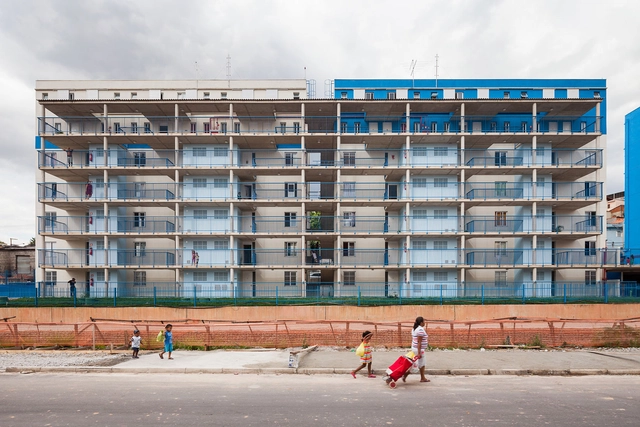
Gathering innovative, sustainable architectural designs for social housing that enable a reduction in energy consumption is the objective of the National Competition of Architectural Ideas for Energy Efficiency in Social Housing, launched this Monday (15) by the German governmental cooperation agency Deutsche Gesellschaft für Internationale Zusammenarbeit (GIZ) GmbH. Applications are open until April 26.
The septic tank developed by the Municipality of Uberlândia is a compelling alternative for repurposing waste materials while also addressing basic sanitation challenges common in many Brazilian cities.
The Municipal Department of Water and Sewage (DMAE) is the agency responsible for designing the system and manufacturing the sustainable septic tanks distributed in the city. To share this knowledge more widely, however, they created a step-by-step manual so the design can be replicated anywhere.
The Brazilian Center for Steel Construction (CBCA) has opened registration for the "14th CBCA Architecture Student Competition 2021," open to university students across Brazil. This year, the competition addresses the current context of the COVID-19 pandemic, with the theme "Health and Well-being." Consequently, students are tasked with presenting projects that offer efficient solutions, emphasizing the correct and appropriate use of steel in both conceptual and architectural design, as well as in technological and construction aspects.
For the fifth time, we are giving our readers the responsibility of recognizing and awarding the projects that have made the greatest impact on the profession through the ArchDaily Brasil Building of the Year 2021 Award. By voting, you become part of an unbiased network of jurors recognizing the most relevant projects of the past year.
Over the next three weeks, the collective intelligence of our readers will filter through hundreds of projects from Portuguese-speaking countries – Brazil, Portugal, Mozambique, Angola, Guinea-Bissau, East Timor, Equatorial Guinea, Macau, Cape Verde, and São Tomé and Príncipe – published in 2020, selecting the best built works in the Portuguese-speaking world.
From hundreds of works published in 2020, readers will choose their favorites, with the 15 most-voted projects moving on to the second stage of the Award.
The University Council of the São Paulo State University (Unesp) has decided to award the title of Doctor Honoris Causa to Adélia Borges, a curator, journalist, and critic active in the field of design. The initiative for awarding the degree came from the Department of Design at the Faculty of Architecture, Arts and Communication (FAAC) on the Bauru campus. In its justification, the Council stated that the title was awarded “for her work as a critic and curator with a significant contribution to the research, dissemination, and promotion of Brazilian Design on both the national and international stages, demonstrating deep knowledge of the field and a broad socio-political and cultural vision.” The official ceremony will take place on March 8, 2021, International Women's Day, at 2:30 PM, and will be broadcast on the TV Unesp YouTube channel.
Kubuswoningen, designed by Piet Blom in Rotterdam, Netherlands (1984). Photo by Nicole Baster, via Unsplash
With one of the best higher education systems in the world, the Netherlands offers annual scholarships for Brazilians through the Orange Tulip Scholarships program. Applications for the 2021/2022 academic year are now open for undergraduate, postgraduate, or MBA students.
More than 20 Dutch universities participate in the program, offering scholarship options for courses in the fields of Arts, Biological Sciences, Health, Exact Sciences, Technology, and Humanities, including some focused on architecture and urban planning – all taught in English.
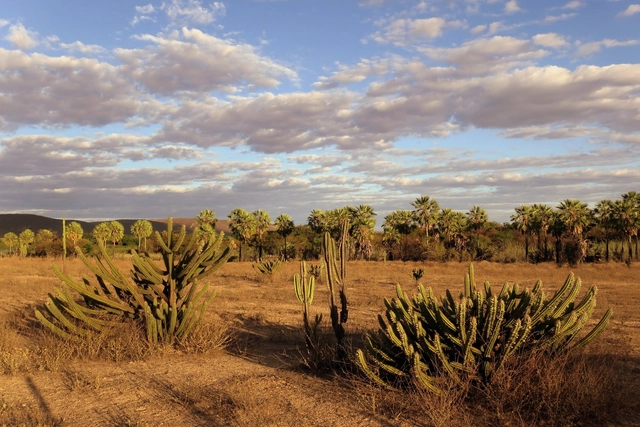
Photo by A. Duarte, via VisualHunt.com / CC BY-SA. ImageCerrado, the third most biodiverse flora biome in the country
With nearly fifty thousand plant species—over half of which are endemic, meaning they only occur naturally here—Brazilian flora is among the most diverse and richest in the world. This data is featured in the country's largest and most comprehensive virtual botanical library, Flora do Brasil 2020, developed by the Rio de Janeiro Botanical Garden.
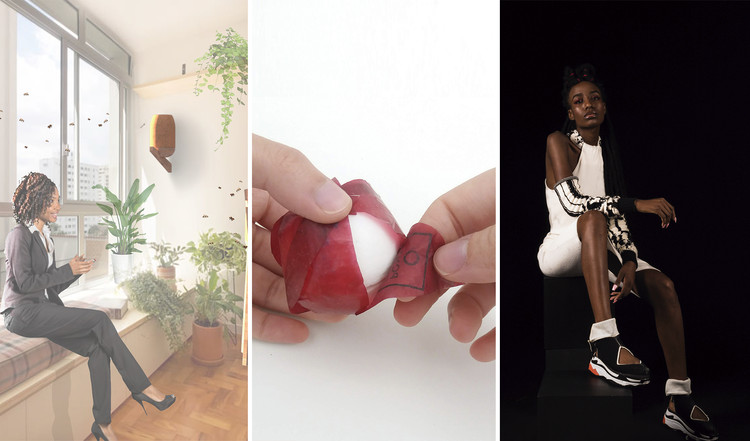
The winners of the 3rd Tomie Ohtake Institute Leroy Merlin Design Award have been announced. The award ceremony, which was originally scheduled to take place in person at the Tomie Ohtake Institute alongside the exhibition of the projects, was held virtually for invited guests due to the novel coronavirus pandemic.
A total of 15 projects were selected from 213 entries representing 20 Brazilian states and the Federal District.
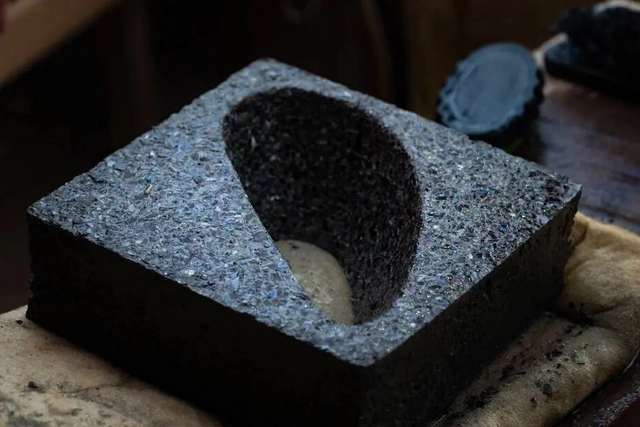
Considered an intangible cultural heritage by the State Council of Culture (CEC) of Alagoas, the sururu is a mollusk whose harvesting is the main source of income for several communities in the state. Around the Mundaú lagoon alone, in Maceió, five communities living below the poverty line produce approximately 300 tons of sururu shells annually—a massive amount of waste that previously had no use and ended up in the Alagoas capital's landfills.
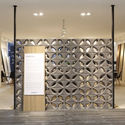
Recognizing its significant economic and social engagement potential, designers Marcelo Rosenbaum, Adriana Benguela, and Rodrigo Ambrósio developed the Cobogó da Mundaú project, which incorporates sururu harvesting waste into the manufacturing of architectural screen blocks.
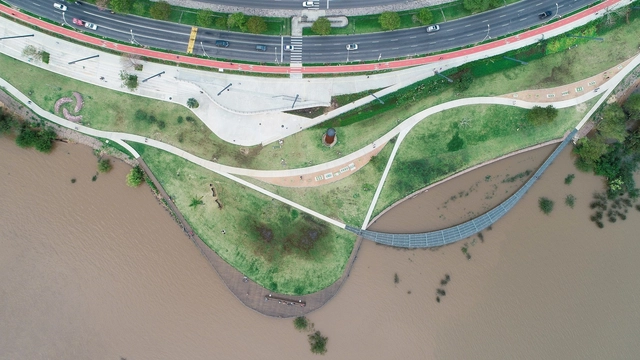
Linear parks exist in many different contexts - along riversides, coastal areas, or inserted in the urban fabric - and represent a very particular type of public space that evokes the idea of a vector and, consequently, the sense of movement. However, they can provide more than just activities and programs associated with mobility, proving to be an appealing solution to the lack of spaces for leisure, contemplation, and relaxation in the most varied urban situations.
Below, we have gathered 12 examples of linear parks built in different parts of the world, illustrated by photographs and floor plans.


.jpg?1547216045 "Pirajá House / Estúdio BRA. Photo: © Maíra Acayaba")