Rene Submissions

BROWSE ALL FROM THIS AUTHOR HERE
↓

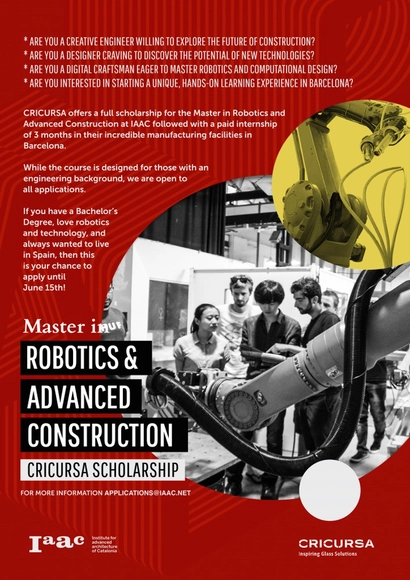
Cricursa Scholarship for the Master in Robotics and Advanced Construction

Are you a creative engineer ready to explore the future of construction? Are you a designer looking to discover the potential of new technologies? Are you a digital artisan eager to master robotics and computational design? Are you interested in starting a unique hands-on learning experience in Barcelona?

Theory for the Project. Essays on theories for conceptualizing architectural and design projects

Theory for the Project. Essays on theories for conceptualizing architectural and design projects - Drafting & Presentation

While there are publications addressing architectural design theory, few essays introduce theories from the philosophy of technology or ontology that could shed light on the debate surrounding architectural design. The author argues that studying theories that account for technicality—understood as an essential mode of human existence—will provide new insights into the theory of architectural and design projects.

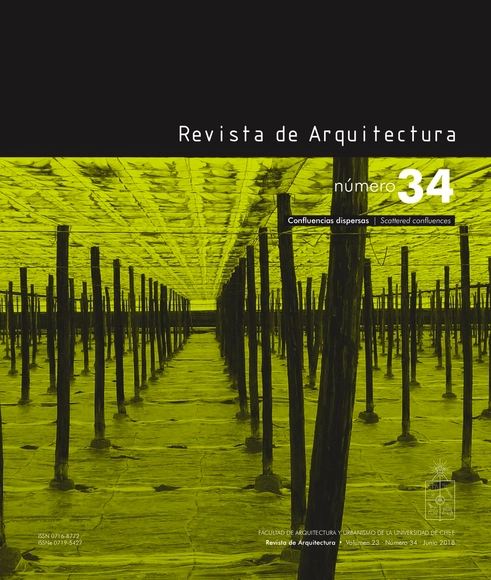
Journal of Architecture #34: Dispersed Confluences / University of Chile

The 34th edition of the Revista de Arquitectura from the Faculty of Architecture and Urbanism (FAU) at the University of Chile, covering the first semester of 2018, explores the relativity, acceleration, and dilation of time inherent in contemporary urban life.

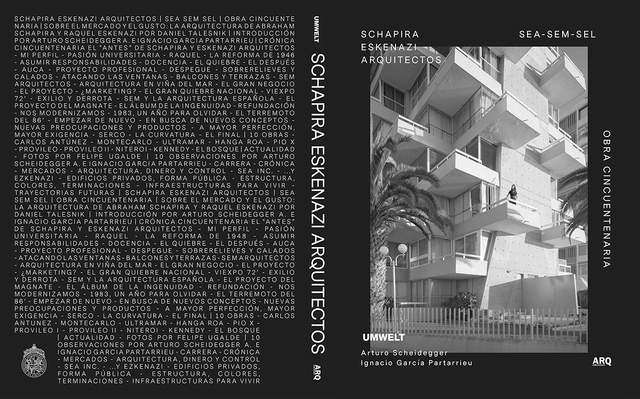
Schapira Eskenazi Arquitectos - 50th Anniversary Project

Between 1950 and 2000, SEA, SEM, or SEL focused primarily on the design, real estate management, and construction of apartment buildings. At its core, the firm was composed of the husband-and-wife team of Abraham Schapira and Raquel Eskenazi, alongside a succession of partners: León Messina (1966–1978), Mario Lifschitz (1978–1981 and 1984–2000), and Pedro Iribarne (1980–1983). SEA defined its work as "purely commercial, yet always dignified and of high quality in terms of design and finishes"—a hallmark that became its brand in the real estate market.

Fernando Castillo Velasco: Designing in Community

In 1967, the University Reform process began in the country, and the Pontificia Universidad Católica de Chile, which would play a crucial role, elected Fernando Castillo Velasco, a professor from the Faculty of Architecture, as its rector. With conviction and leadership, the rector steered this process, which was vital to initiating a true transformation of the university and, combined with the work of the following decades, paved the way for the institution we know today.

99 ideas for a street cinema

99 Ideias para um Cinema de Rua presents ninety-nine speculative responses to the same question: what forms of occupation could a large building in the heart of the city accommodate, having been conceived as a street cinema at a time when film screenings were still an event capable of drawing crowds to the city center?

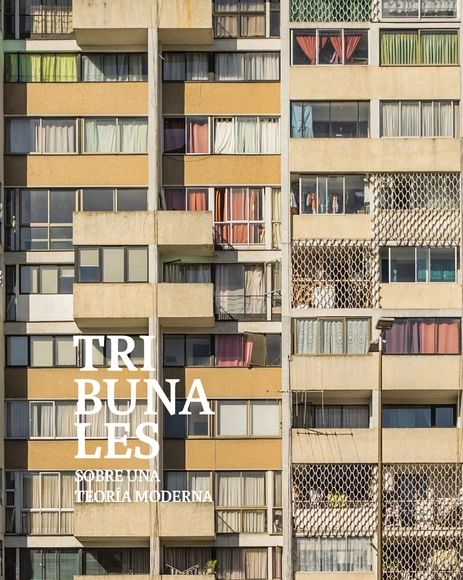
Courthouses. On a Modern Theory

Tribunales: sobre una teoría moderna is based on the curatorial work of Leslie Fernández and Óscar Concha, developed within the framework of the Móvil project (2015–2016 cycle), which involved sound, fine, and visual artists, alongside photographers and architects. The book consists of conversations with the cycle's participants regarding their approach to modern theory, as well as theoretical essays that structure the text around three thematic areas: urbanism, architectural design, and restoration.

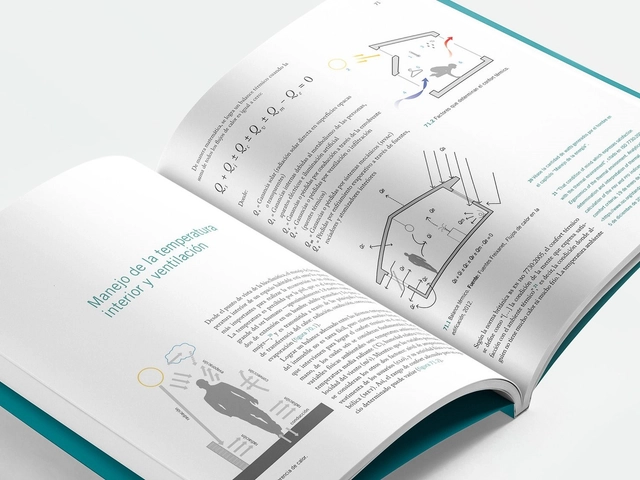
Sustainable building retrofitting. Illustrated with the M16 building.

This book charts a path for change, for the transformation of the city through its architecture. The author argues that it is possible to transform our cities by retrofitting existing buildings to harmonize with the climate, thereby reducing electricity, water, and gas consumption. The work carried out on the M16 building—which underwent a bioclimatic intervention and earned LEED Platinum certification—serves as a case study demonstrating that such a transformation is achievable.

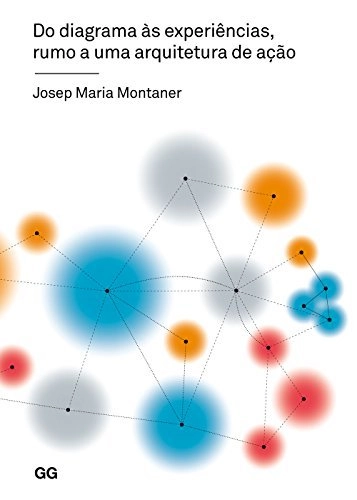
From the Diagram to Experiences, Towards an Architecture of Action

We are currently in a period of profound productive, social, and value-based transformation. In architecture, beyond the advancement of architectural representation systems and the evolution of construction types, there is an increasingly urgent need for a profound renewal of theory and criticism. This book presents a theoretical and practical refounding of architecture based on the explicit connection of three instrumental axes: diagrams, experiences, and actions.

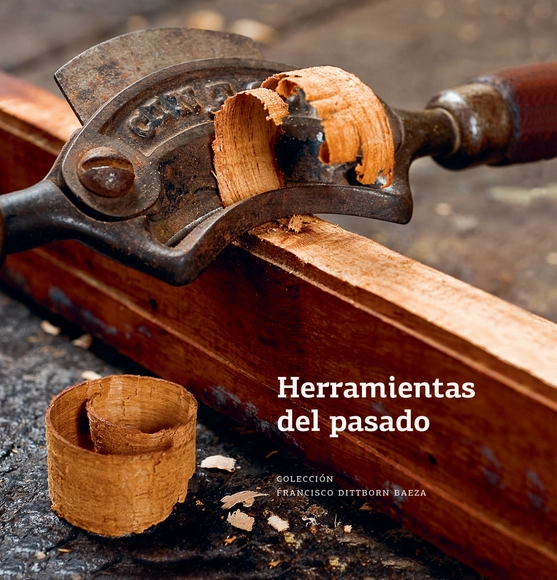
Tools of the Past

Second edition of Tools of the Past, first published in 2016. Winner of the Amster Coré Award that same year. This deluxe volume brings together Francisco Dittborn’s tool collection, recounts the origins of collecting, and includes a brief history of tools, testimonials from individuals working with tools and wood across various fields, as well as a chapter on the origins and objectives of the Museo Taller.

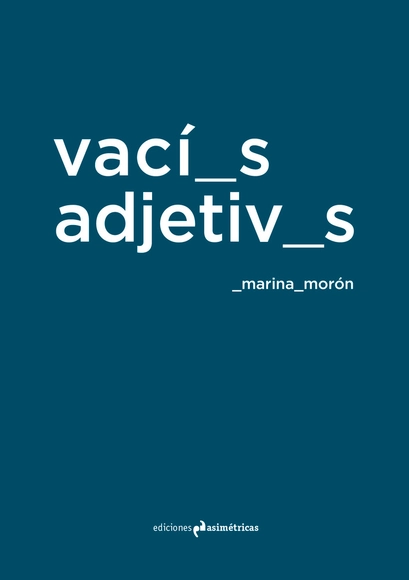
Adjective Voids / Ediciones Asimétricas

Ways of seeing and inhabiting are interrelated in the photographic representation of architecture. Beyond the two dimensions of its physical medium, the image contains an interior space. We visually distinguish material elements and planes of depth, yet among them all lies another type of space: voids. Much like binary language expressed through sequences of 0s and 1s, our gaze tracks and separates solid objects, intermediate spaces, gaps, and silences. The act of reading the image transforms into a movement of introspection, provoking physical emotions within the viewer. This void is a direct consequence of the creator’s intent, offered to the viewer for their own occupation and interpretation. This yielding is not unconditional; it is not free from conflict. It entails a permanent struggle and tension, of enormous significance to the processes of construction and inhabitation of architectural space.

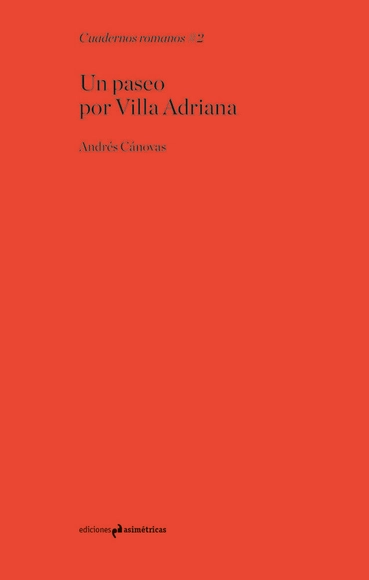
A Walk Through Hadrian's Villa / Ediciones Asimétricas

This book is the second volume in the "Cuadernos romanos" collection, which analyzes a group of fundamental buildings in architectural history. In this installment, Hadrian's Villa is studied in detail and placed within its deep historical context. By comparing the transformations its surroundings have undergone over time and assessing the consequences of these changes on the redefinition of three-dimensional scale, these masterpieces are brought into the present in a revealing cross-cultural exercise.

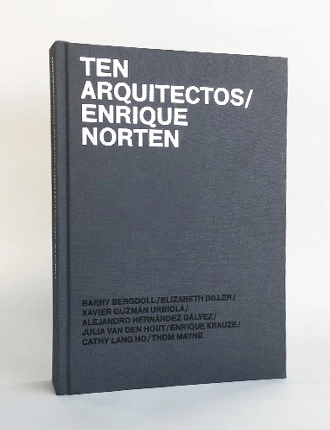
TEN Arquitectos / Enrique Norten. Lines of research

Enrique Norten has been recognized as one of the most important architects in North America. With offices in Mexico City and New York, TEN Arquitectos has successfully shaped these cities—from migration and exchange to information circuits—creating forms that define the skyline and activate streets from Mexico City to Brooklyn. Celebrating thirty years of practice, this bilingual publication presents eighteen recent projects, including the BAM in the Downtown Brooklyn Cultural District, the Rutgers University master plan in New Jersey, the Museo Amparo in Puebla, and the CENTRO and Universidad Panamericana campuses in Mexico City. This volume explores the evolution of the firm as an international practice and showcases the three “lines of research” that drive its work: architecture as public space, as infrastructure, and as territory. The book includes essays by Barry Bergdoll and Alejandro Hernández Gálvez, as well as conversations with prominent international cultural figures such as Elizabeth Diller, Thom Mayne, and Enrique Krauze.

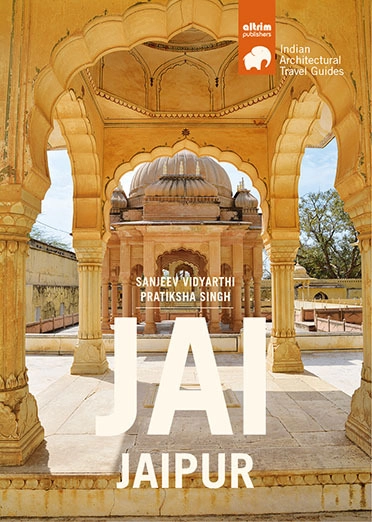
Architectural Travel Guide: Jai Jaipur

Discover the city of Jaipur, the capital of Rajasthan, through this architectural travel guide. Founded in the 18th century by Maharaja Sawai Jai Singh, the city was planned according to the Hindu Vastu Shastra method, utilizing a grid system and imbuing its buildings with a signature pink hue. Jaipur is a cradle of Rajput, Mughal, and various other cultures, and it also houses a wealth of vernacular tradition. Beyond the Pink City’s preserved unique atmosphere and old-world charm, visitors can immerse themselves in the cultural heritage of the past within the city’s vibrant environment.

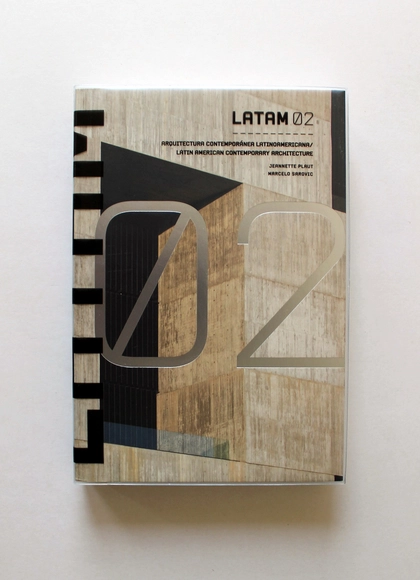
LATAM 02: Contemporary Latin American Architecture / Hunter Douglas

LATAM 02: Contemporary Latin American Architecture is the second book in a series that brings together outstanding architectural projects from the last five years in which Hunter Douglas has participated. Authored by Jeannette Plaut and Marcelo Sarovic (Constructo), the publication features 44 works from six countries: Argentina, Brazil, Chile, Colombia, Mexico, and Panama.

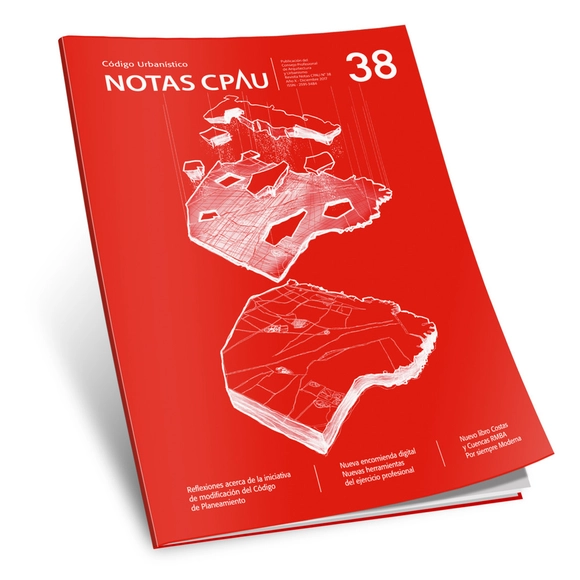
CPAU Notes Magazine #38: Urban Code

Are you aware of the revision and replacement of the Buenos Aires Urban Planning Code? Have you been searching for reflections on its modification recently?

Fittingly, the new edition #38 of the Professional Council of Architecture and Urbanism’s Online Magazine, Notas CPAU, presents the theme 'Urban Code'.

In this issue, the publication comprehensively addresses the issues raised in the Urban Code proposed by the Government of the City of Buenos Aires, as well as the Professional Council’s response to it.

Below are a few words from the magazine’s director, Bárbara Berson, followed by the table of contents.

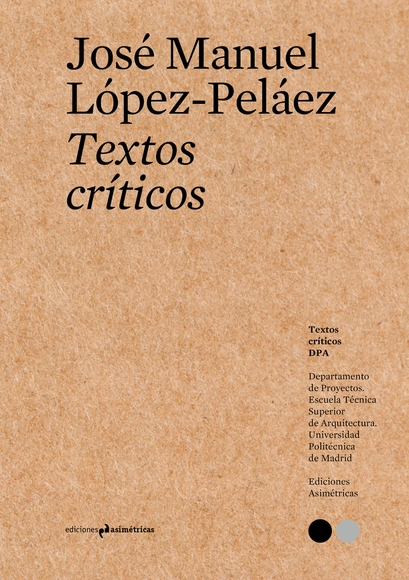
Critical Texts #6: José Manuel López-Peláez

This book, an anthology of José Manuel López-Peláez's finest writings, compiled with the perspective gained from a long career in teaching and criticism, focuses on the primary themes to which the author has dedicated his attention—particularly the Spanish masters of the second half of the 20th century with whom he was closely associated, such as Sota, Oíza, Fisac, or Coderch, as well as, of course, Erik Gunnar Asplund and Nordic architecture.

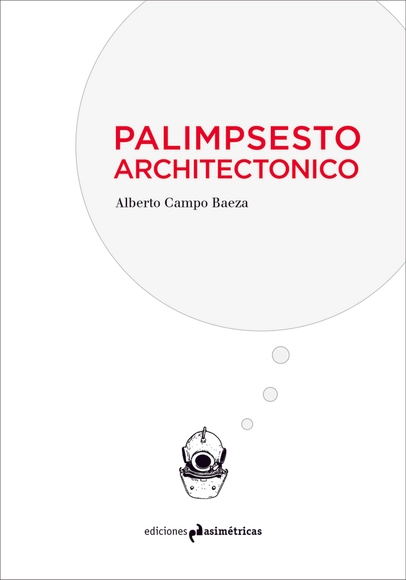
Architectural Palimpsest, the next project by Alberto Campo Baeza

A manuscript that is erased to be written over, yet retains the traces of what was previously written: that is a palimpsest. This is how Alberto Campo Baeza presents in this book “layers of ideas, images, and feelings”—as De Quincey wrote—in which his reflections, his architectural passions, his sources of inspiration, and his favorite poets, architects, philosophers, and writers are superimposed. He revisits, once again, not what is fashionable or ephemeral in architecture, but what is constant, eternal, and universal: light, time, gravity, space, beauty…