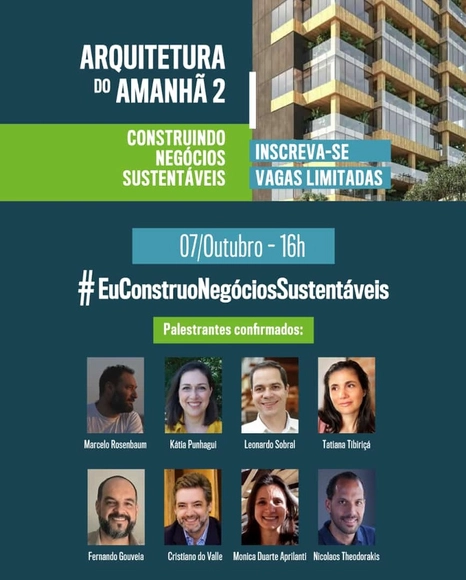
Imaflora hosts online event to discuss the leading role of architects and designers in combating illegal timber and creating sustainable projects
Architecture, civil construction, and interior design are not only vital to the country's development but also the primary consumers of Brazilian timber. These sectors can lead the way in building new businesses that employ increasingly sustainable and transparent practices.
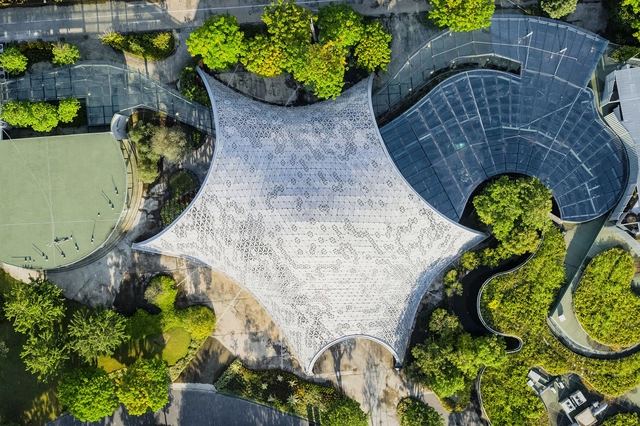
The Future of Us Pavilion. Image Courtesy of iF DESIGN AWARD
We may live in big cities with tall buildings and wide roads, yet we still feel the need for a connection with nature. Architects and interior designers have responded to this desire for a more natural living space with creative concepts and a number of outstanding ideas have won an iF DESIGN AWARD 2021.
UNAB's Campus Creativo invites you to the third session of the lecture series held as part of the Actos por el Bienestar (Acts for Well-being) workshop. The session will feature Izaskun Chinchilla.
With Agrob Buchtal's striking new Canyon facade tile, facades can be structured either vertically or horizontally. Through light and shadow, its parallel lines are emphasised in ever new ways. Image Courtesy of Agrob Buchtal
The new Kaijo and Canyon surfaces by designer Markus Bischof for Agrob Buchtal may differ significantly in form, but both create striking, geometric facades.
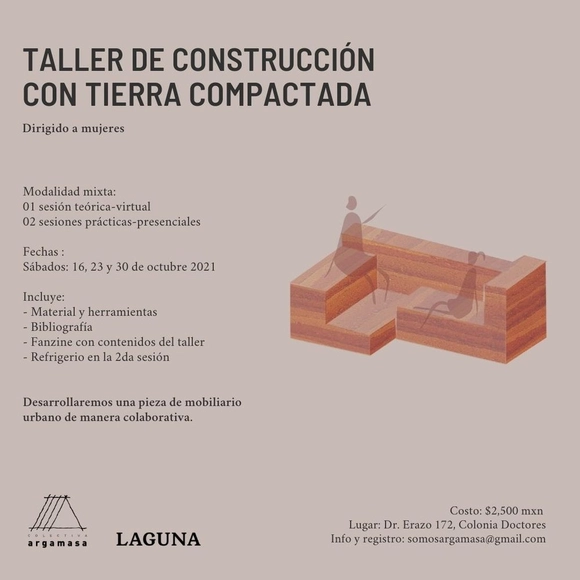
The Rammed Earth Construction Workshop stems from a desire to create a unique space for approaching, exploring, and sharing techniques for rammed earth construction. The workshop is entirely self-managed and collaborative, organized by three architects with diverse perspectives on spatial production and bio-construction.
Videos
Shaping the City: A Forum for Sustainable Cities and Communities | 15 & 16 October 2021
Shaping the City: A Forum for Sustainable Cities and Communities is a forum organized by the European Cultural Centre in the context of its Venice Architecture Biennial Exhibition titled Time Space Existence.
Working smarter, not harder is the goal of every business; but in architecture, where margins can be thin, it’s an imperative. So how do firms work smarter without spending tons of time wising up? By leveraging artificial intelligence—or AI.
Put simply, AI analyzes huge datasets to solve the historically unsolvable. AI unburdens people from time-consuming activities, like planning projects and work. Our brains aren’t wired to manage dozens of conflicting schedule dates, projects, and staff. But Mosaic—AI-powered resource management software—is here to help architects effectively plan.
Campus Creativo UNAB invites you to the second lecture held as part of the "Actos por el Bienestar" (Acts for Well-being) workshop. This session will feature Lara Costafreda (@laracostafreda), an illustrator and creative director based in Barcelona.
Monograph—a leading practice operations platform designed to help architects and engineers oversee projects, timesheets, and forecasts in one integrated and simple interface—has launched its latest add-on feature, Planned Profit Report and Profit Drivers. During the company’s first-ever virtual conference, Section Cut, in August 2021, Monograph announced the introduction of Planned Profit Report and Profit Drivers, designed to provide architecture and design firms with a better understanding of their profitability.
Campus Creativo UNAB invites you to the first lecture held as part of the cross-disciplinary workshop, Actos por el Bienestar.
EcoLogic Studio is an architecture and design innovation firm specializing in biotechnology for the built environment. Co-founded in London in 2005 by Claudia Pasquero and Marco Poletto, the studio has built a unique portfolio of biophilic sculptures, living architectures, and urban planning projects that view bodies of water and land as interdependent and symbiotic.
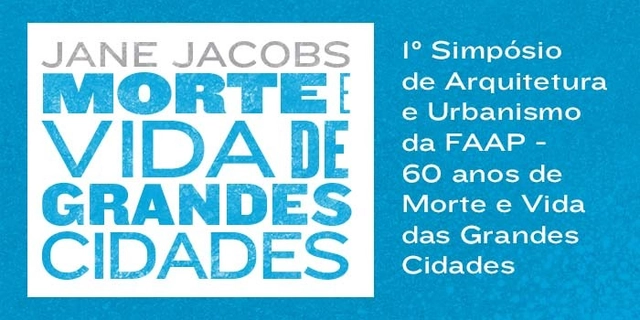
The Armando Alvares Penteado Foundation (FAAP) will host the 1st Symposium on Architecture and Urbanism from October 4 to 7. Over the course of four days, professionals and students will discuss the relevance and contemporary significance of the book The Death and Life of Great American Cities, written 60 years ago by American journalist Jane Jacobs.
TerraViva Competitions launches HANGAR TICINUM, a new architecture competition focused on the transformation of an Italian abandoned hydroplane base into a community hub for the local citizens. Prizes up to 10.000 € will be awarded to the winners selected by an international jury panel composed by, among others, German Fuenmayor (Piuarch), Anastasia Kucherova (Stefano Boeri Architetti) Lorenzo Degli Esposti (Degli Esposti Architetti), Filippo Imberti (TSPA);
Frank Lloyd Wright, Larkin Administration Building, 1934. Collection of The Buffalo History Museum. Larkin Company photograph collection, Picture .L37, # 1-2a.
Wrightwood 659 presents Romanticism to Ruin: Two Lost Works of Sullivan and Wright, a dual exhibition exploring two of these architects’ long-demolished masterpieces: Louis H. Sullivan’s innovative Garrick Theater, in Chicago, which stood for only sixty-nine years, and Frank Lloyd Wright’s unprecedented Larkin Building, in Buffalo, NY, which stood for just forty-four. The exhibition comprises two distinct presentations—Reconstructing the Garrick: Adler & Sullivan’s Lost Masterpiece and Reimagining the Larkin: Frank Lloyd Wright’s Modern Icon—bringing the essence of these two titans of modern American architecture to life. Comprising 3D models and digital re-creations of the original edifices; salvaged architectural ornaments and artifacts; original furniture; historical documentation of the design, construction, and demise of the buildings; archival photographs taken by noted preservationist and photographer Richard Nickel; drawings, and historical ephemera, Romanticism to Ruin demonstrates how these iconic designs continue to resonate and remain relevant.