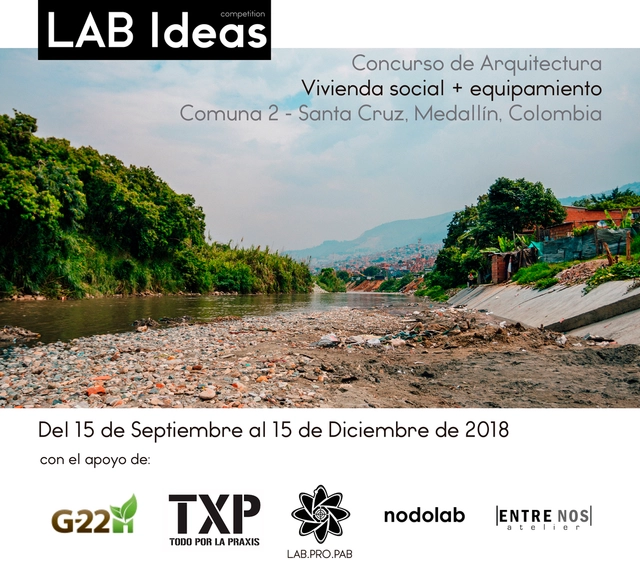
In the 1990s, Medellín was known as one of the most dangerous cities in the world due to a series of economic, social, and violent issues driven largely by drug trafficking and conflicts between communist guerrillas and paramilitary groups. Fortunately, today, things have changed. Thanks to the collaborative and comprehensive work of planners, urban designers, and policymakers, Medellín has taken a major step forward in reclaiming previously neglected areas of the city. The city has become a true laboratory for urban innovation and transformation, driven by sustained planning processes, inclusive policies that encourage participation, and successful institutional innovation schemes.